


·4 min read·Available in:English★中文
This is a highly personal "Top 10 Games of 2025" list.
The list includes games I played in 2025, so it may feature titles released in previous years. You might also notice a particular preference for certain genres this year.
The following are listed in alphabetical order.

A love letter to middle-aged men. It's rare to find a game that achieves such deep immersion through its core mechanics rather than just narrative.
My only personal gripe is that while the high-pressure gameplay is immersive, it makes me reluctant to go through a second playthrough—which feels like a bit of a waste given the game's scale.
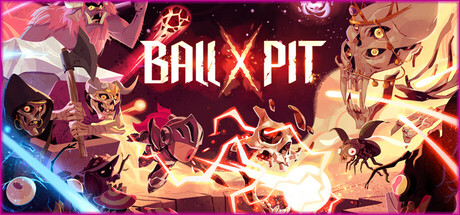
Pure, unadulterated fun. Both the in-moment gameplay and the meta-progression are polished to perfection and highly addictive. The art style also hits the spot.
The core "ball evolution and fusion" mechanic is a textbook example of emergent game design.
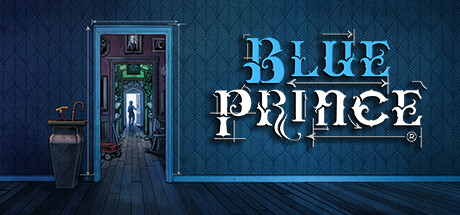
Easily the most stunning game I played this year, perfectly blending puzzles with roguelike elements. The puzzles have multiple layers of depth, and the gameplay remains engaging thanks to the excellent atmosphere.
However, the developers are very opinionated regarding certain gameplay choices; if you aren't on their wavelength, it might not be for you.
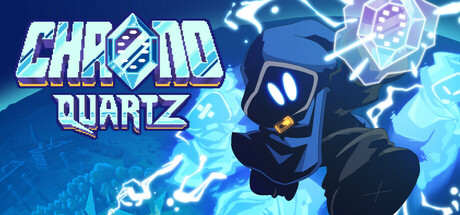
A surprising gem from a small team. It feels like a mix of Minit and Outer Wilds. The puzzle quality is solid, and the overall level of polish is impressive for its scale.
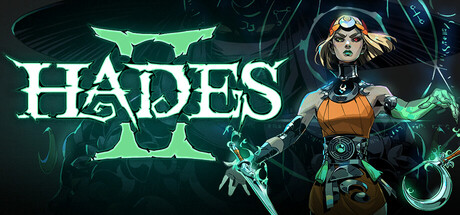
As a sequel to Hades—already a benchmark for indie games—this title completely exceeded my (and most players') expectations. Supergiant Games has delivered something nearly perfect in every dimension, with twice the content of the original.
Is it "more fun" than the first? I think so, though many disagree. Regardless, this sequel reaches heights in narrative and gameplay that far surpass its predecessor.
When I first descended into Tartarus after countless failures and heard the BGM representing the rapid passage of time kick in, the excitement was beyond words. Gaining this kind of emotional experience—one that spans across time—is truly a precious treasure that this industry gives us.
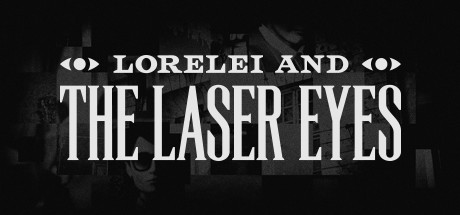
I played many "closed-circle" mystery games this year, but this is my top pick.
The puzzles lean toward the simpler side, so hardcore puzzle fans might be disappointed. What I value here is the "Aha!" moment of slowly piecing together scattered clues into a coherent answer. The art style is fantastic, and the reflections on art history in the narrative are a great bonus.
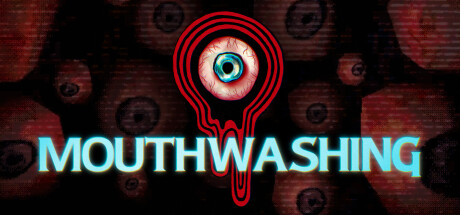
A masterpiece of non-linear storytelling. It proves that indie games don't need high-end graphics or massive content to be great—you just need one brilliant idea.
It carries over the unsettling art style of the developer's previous work. Once you finish it, you realize the plot is actually quite simple, but the story leaves an indelible mark on your mind.

My first impression was that it felt like Subnautica, but the more I played, the more I appreciated how a small team created something that isn't just a clone. It's full of clever, original ideas.
Another plus: the developers have released a significant amount of high-quality, free DLC.
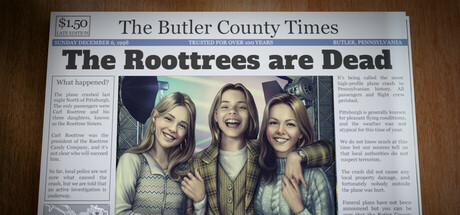
A 90s-style non-linear mystery game that feels like an upgraded version of Her Story. The core concept is executed perfectly; you can tell that if the details weren't this polished, the experience would have fallen apart.

A text-only "closed-circle" mystery with a tight, logical experience. Every character's actions at any given moment can be definitively deduced. It feels a bit like Return of the Obra Dinn.
It is currently being remade by the team behind The Roottrees are Dead as The Incident at Galley House, set for a 2026 release.
While these five didn't make the Top 10, they certainly deserve a shout-out:
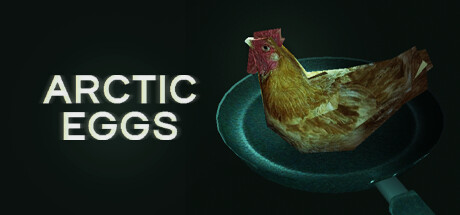
Bizarre physics-based egg-flipping. It belongs to that category of "masocore" games like Getting Over It that are intentionally frustrating yet fascinating.
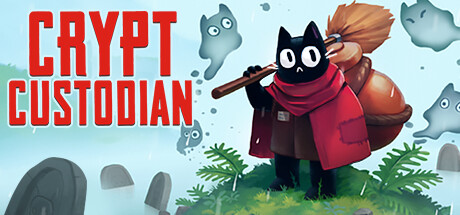
A Metroidvania with great controls and a very cute art style.
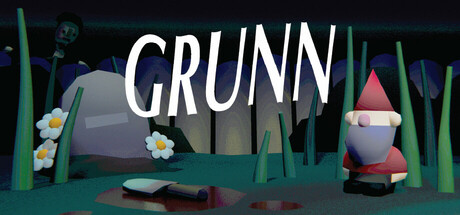
Hard to describe—you have to try it. Think of it as a more stylized version of Reventure.

Her Story-style gameplay. The highlight for me was the gentle, slow-burn narrative, which reminded me of Ted Chiang's The Lifecycle of Software Objects.
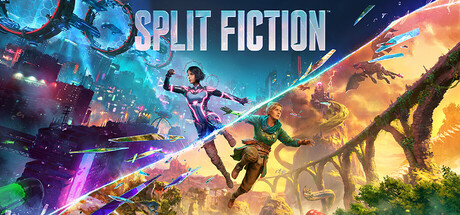
A great game, but like many critics have noted, it doesn't represent a major breakthrough over the predecessor. Its value lies primarily in the solid experience it provides while playing.
Generative AI Usage Disclosure: This post is translated by Gemini 3.0 from the original Chinese version.
此内容由惯性聚合(RSS阅读器)自动聚合整理,仅供阅读参考。 原文来自 — 版权归原作者所有。