






We just released a new feature called Audio Pod. It works like a user‑created podcast, where you can curate your own audio playlists from the things you are learning and creating.
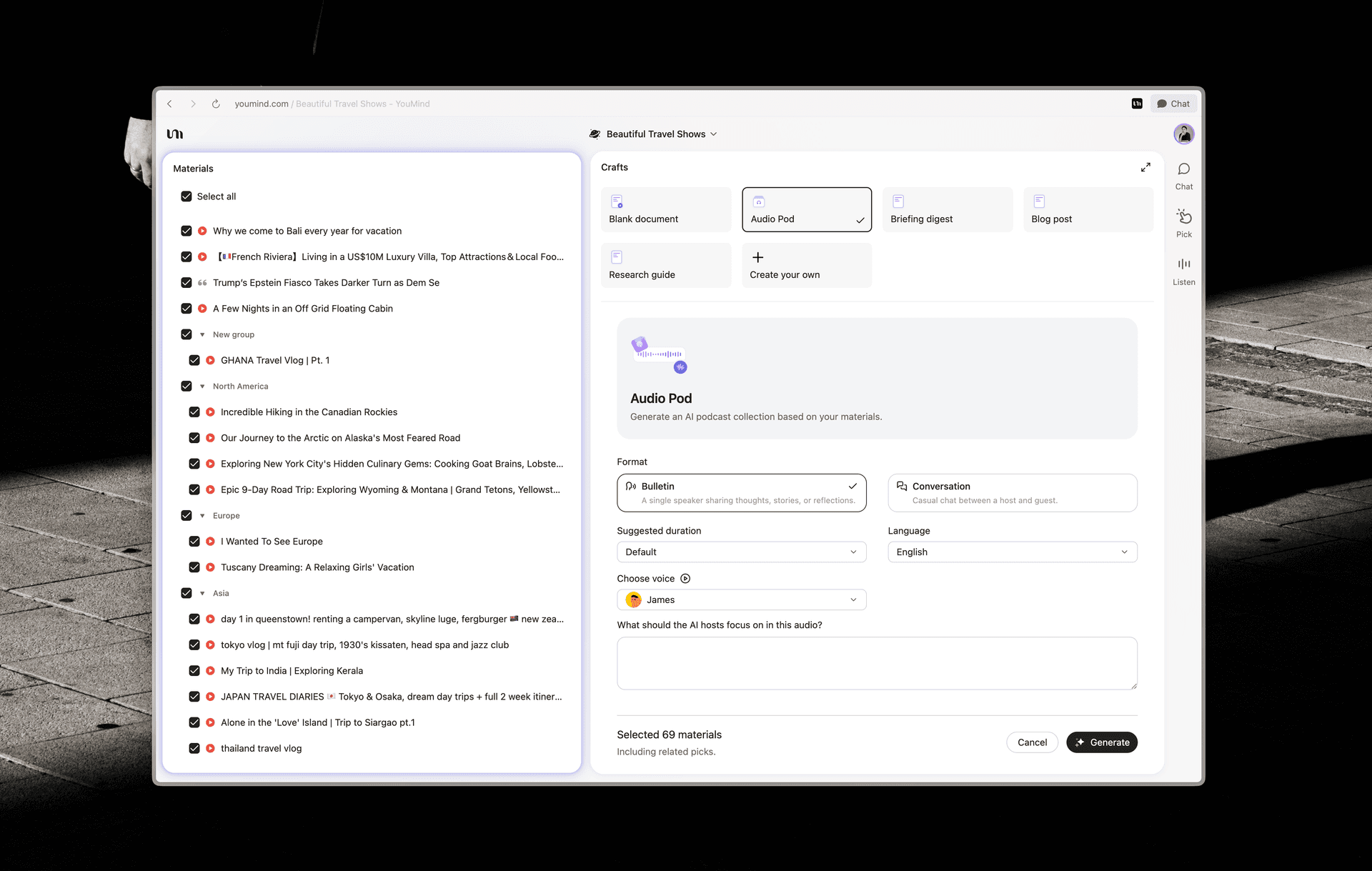
Imagine you have a big collection of materials and want to turn them into something you can listen to. Audio Pod lets you do exactly that. You can choose different voices and modes, and even simulate a one‑person monologue or a two‑person conversation.
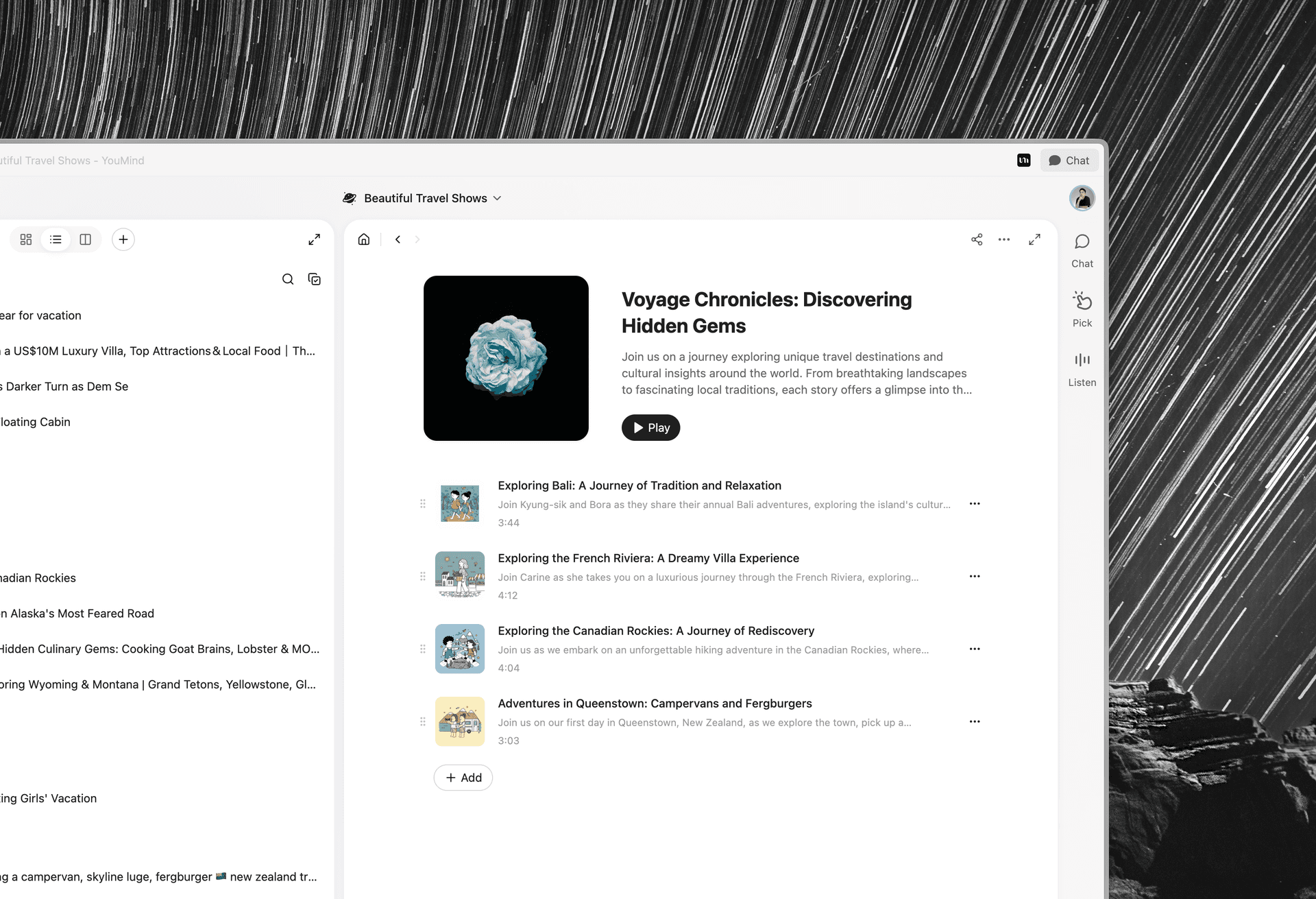
You can also create a whole series of episodes inside one podcast‑style collection.
About the name
This feature did not start life as “Audio Pod”.
Backstage, its first nickname was “Walkman”, our way of saying thank you to the classic Sony device that once lived in so many pockets. Then legal came in and said, very politely: “Maybe don’t.” So we had to let that name go.
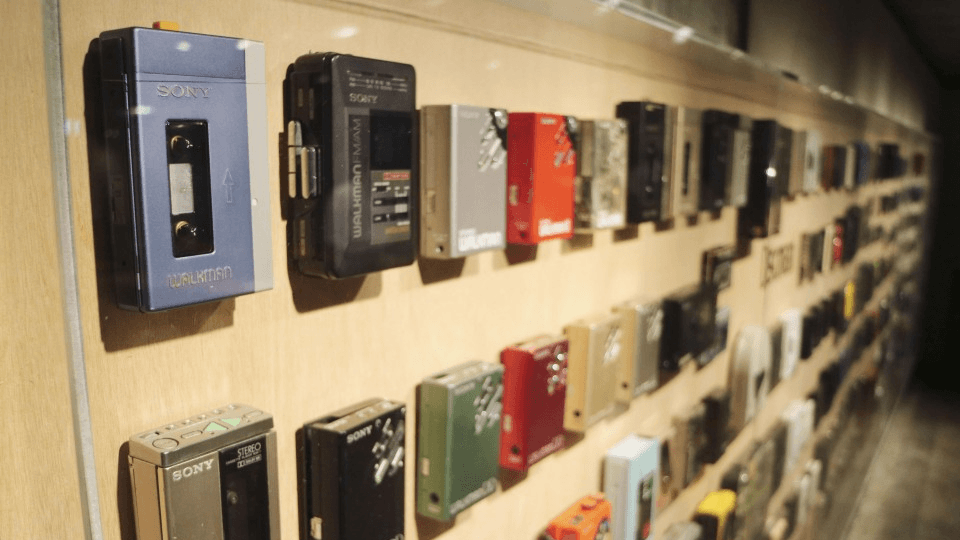
We still wanted something that felt like a small, portable world of sound. That is when “Pod” showed up. It carries a hint of the iPod era, and “Audio Pod” instantly sounds like a tiny space where your ideas can turn into episodes you can listen to.
To us, “pod” is both a tribute and a seed. You put your texts and thoughts in, and what grows out is a collection of audio that feels like it belongs only to you.
Why we built it
There are many reasons why we built Audio Pod. Here are three important ones:
- A lot of great thinking stays hidden inside private notes. With Audio Pod, a rough draft or a reading list can quickly become a small show you can share with others, without needing studio skills or editing software.
- We also built Audio Pod for the moments when you are not sitting in front of a screen: commuting, walking, doing chores, or on days when you just do not feel like reading. You can turn what you are working on into an audio playlist and let it travel with you in your ears.
- Text is great at carrying information, but audio adds tone, rhythm, and atmosphere. We believe one piece of work should be able to live in more than one form. By turning text into audio, Audio Pod gives your ideas a more emotional, memorable side, and makes it easier to reuse the same thinking across newsletters, blogs, and podcast‑style formats.
The fun part of building Audio Pod is seeing how easily people can create with YouMind. The process is simple:
- Import your materials
- Select the materials you want to include in the Audio Pod
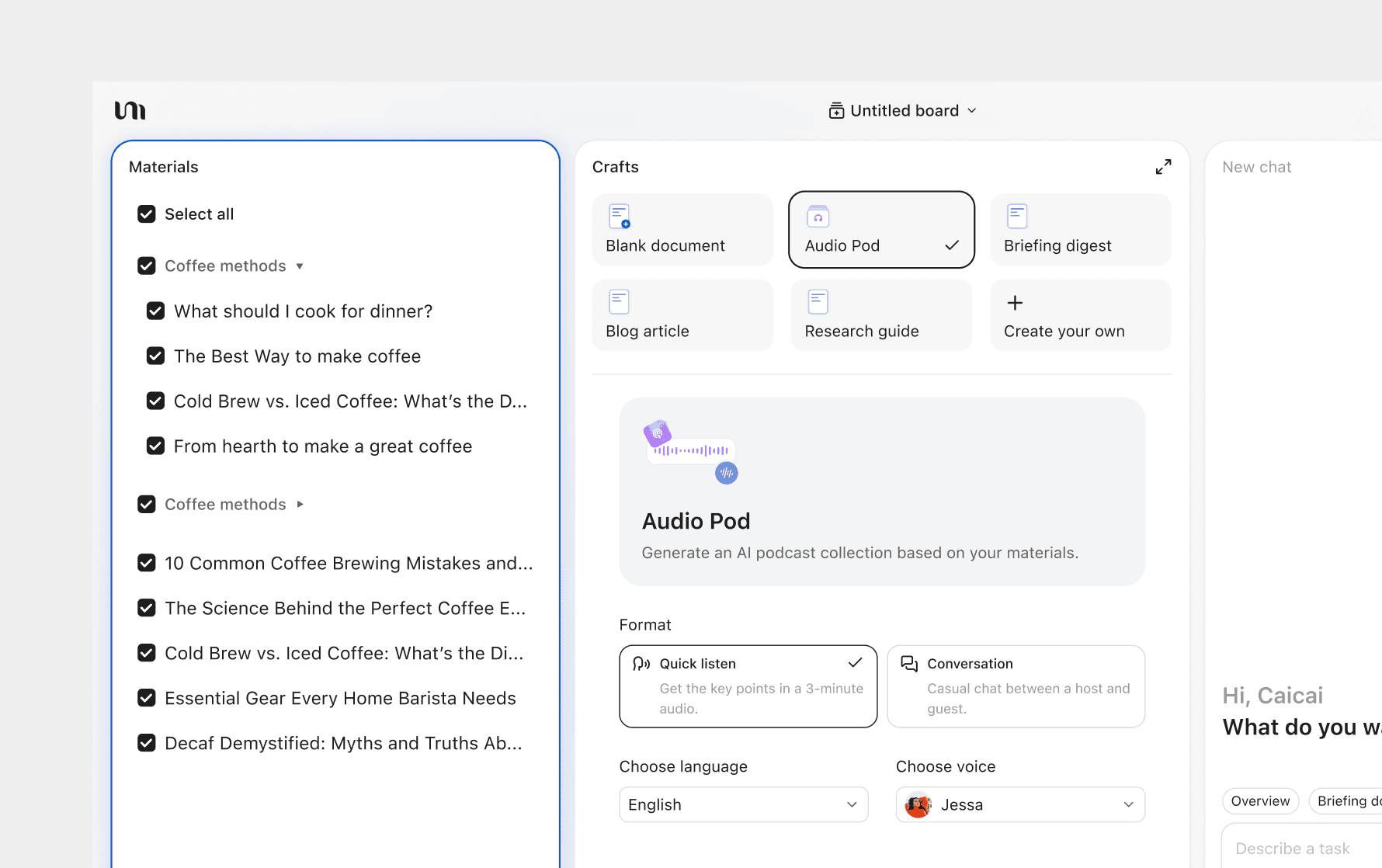
- Choose the Audio Pod type, pick a style, and add any instructions
- YouMind will generate the audio files and add them to your pod
Issues in the first release
Because this is our first version, there are still some rough edges.
For example, when people try Audio Pod for the first time, they often feel confused about the “Add” action. It is not obvious how to add a second audio track, or how to continue the second piece of audio based on the first.
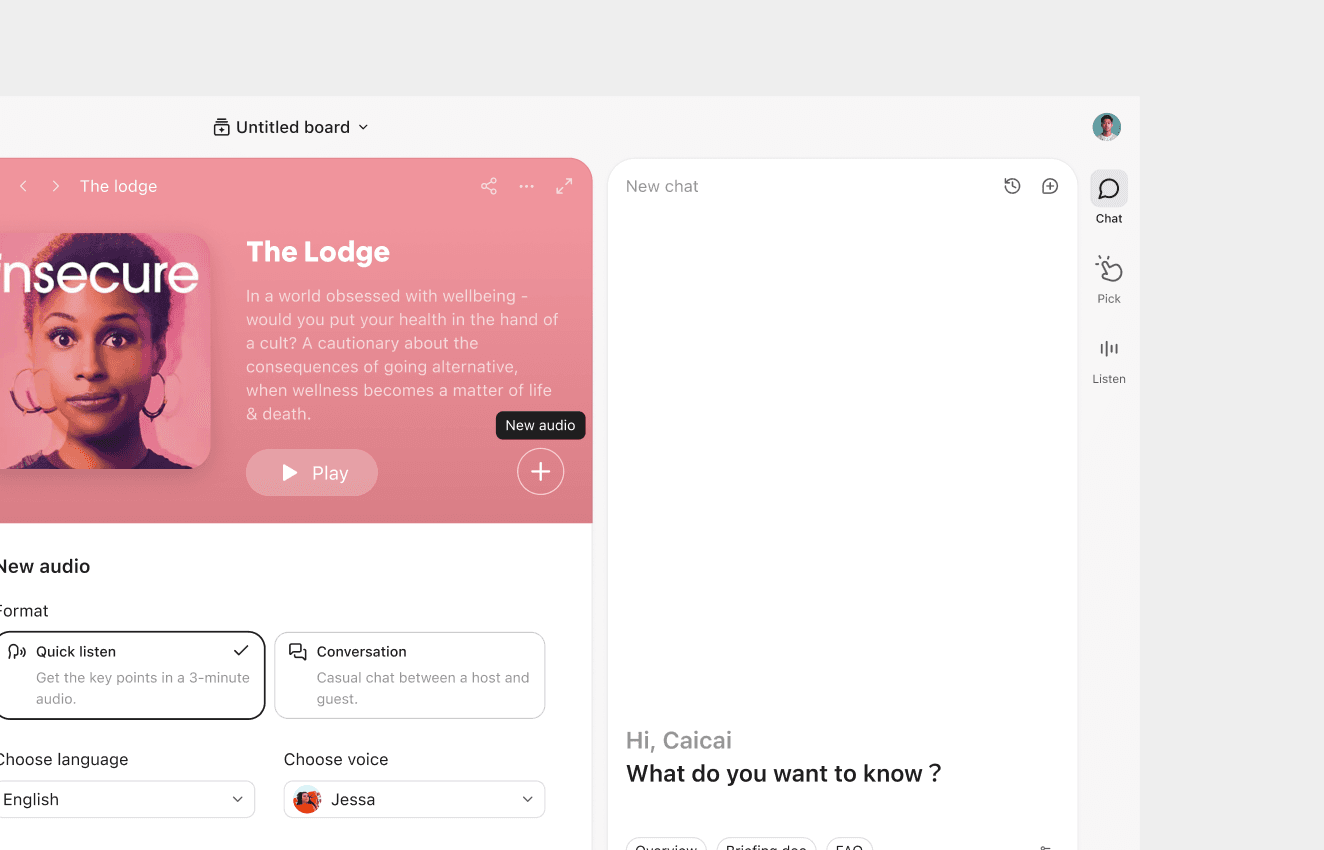
The two audio type buttons also create a lot of confusion. Right now, the “3‑minute quick listen” template and the “create dialogue” template are mixed together, but they actually belong to different dimensions. This makes it hard to choose. A clearer set of options would simply be “single voice” and “dual dialogue”.
Our cover generation is another weak spot. Many of the generated covers fall into a low‑quality, repetitive style. We have already adjusted the prompts used for cover generation and will keep tuning them.
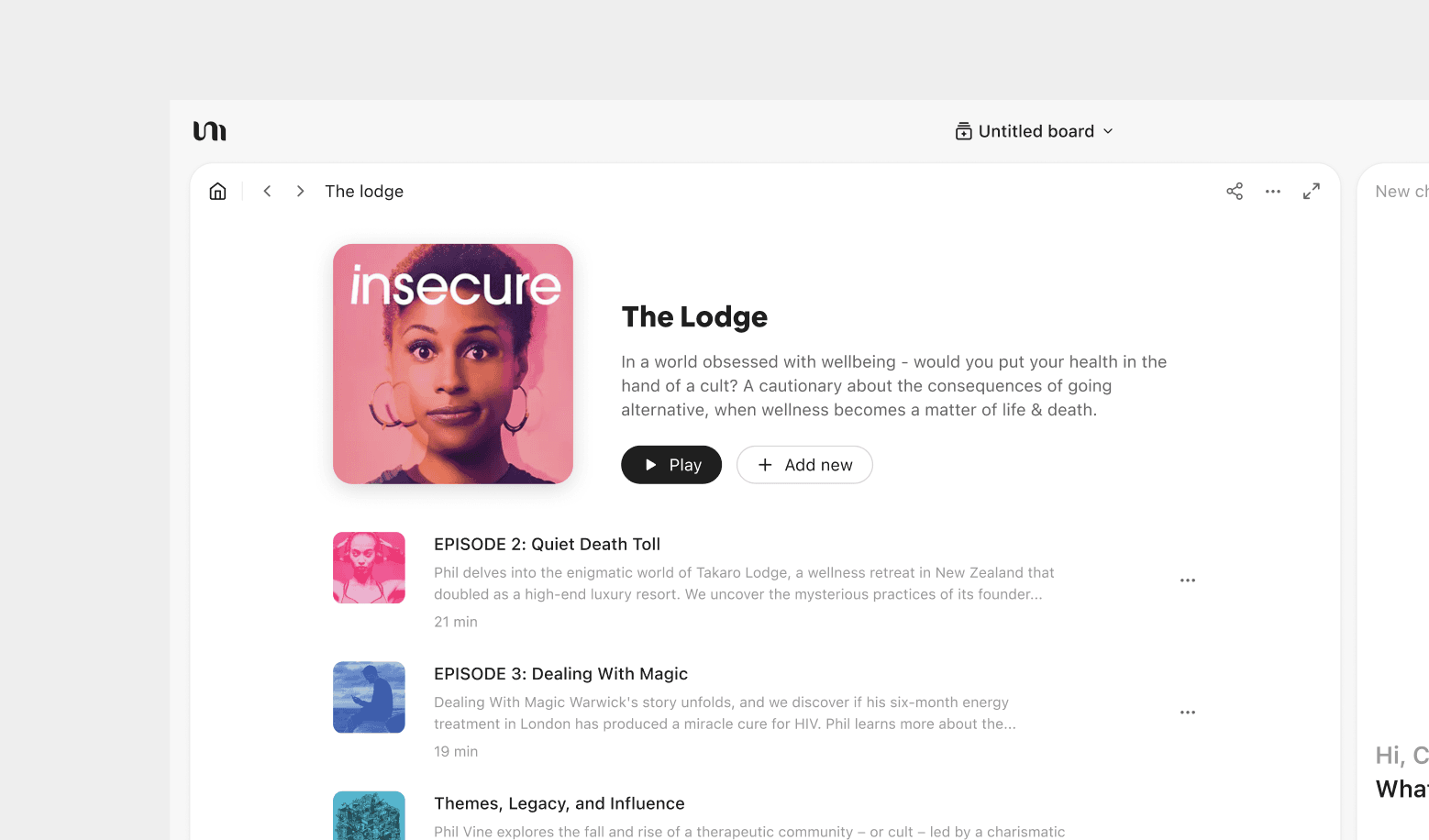
And as a first version, many details are still missing, especially around the ability to re‑edit existing Audio Pods.
What’s next for Audio Pod
Even though this first version has plenty of flaws, it does not reduce our excitement or commitment to building Audio Pod well. We believe it can become one of the standout features in YouMind very soon.
So we have some more detailed plans for the next steps. We want to introduce a very lightweight editing capability, so you can gradually refine an Audio Pod without having to regenerate everything from scratch.
We will also continue improving the quality of audio generation itself. In the current product, some dialogues still feel a bit stiff because of issues in the source materials or how they are processed. We want to dig deeper into these problems and make sure Audio Pod feels more natural and is especially friendly for people who want to quickly generate a useful audio playlist or podcast from their materials.
In short, Audio Pod is our way of giving YouMind a voice.
If you have any thoughts or suggestions, feel free to contact me.
CaiCai, CPO & Co-founder of YouMind