





Lisbon has a quintessential old European city charm to it. Compared to Madrid, it is more rundown though.
Check out the main square (Baixa-Chiado), see the oldest running bookstore, and learn the history of the various parts by doing a walking tour.


A big earthquake came in 1755 in Lisbon. Apart from the red-light district, most of the city was destroyed and that made people start questioning God. One Church, Convento De Carmo, has some last ruins to indicate the impact of the earthquake.

Alfama district consists of narrow streets and small houses. It was built during the Muslim Moor rule in the 7th century and the overall architecture hasn’t changed much since then. Without a walking tour, it is easy to miss subtle gems here.


The most majestic and picturesque district of Lisbon. Its name derives from Bethlehem. At one time, when Pope use to grant recognition to countries, Portugal’s king built a lot of churches, in the hope of getting recognition from the Pope.


Take a train journey to Sintra. The trains run for almost 24 hours from the Rossio station. The round trip ticket costs ~4.5 Euro. Sintra, higher up in the mountains, is both majestic and classy. The castles are worth checking out there. I would highly recommend checking out Quinta Da Regalerira castle first, then the colorful Pena castle. And if you still have time and interest left, go to Montserrat castle.
Quinta Da Regalerira is accessible by walking from the main town. The entrance ticket cost 10 Euro.
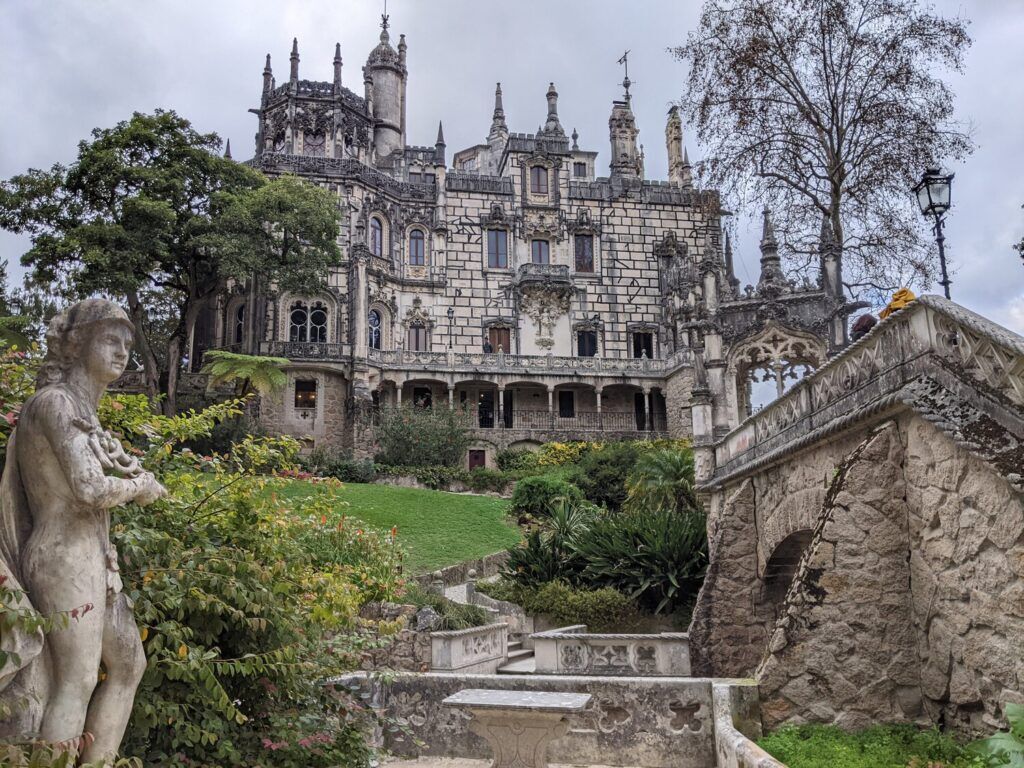
Quinta Da Regalerira

For Pena castle, which is high up in the mountain, I took a 5 Euro Tuktuk. You can take a bus for ~3 Euro as well. The entrance ticket costs 14 euros. If you are budget-constrained then buy a 7.5 Euro external ticket. There isn’t a lot to see inside anyway. Once you come out, do a walk around in the park, it is a nice hike worthy in itself.


Note:
此内容由惯性聚合(RSS阅读器)自动聚合整理,仅供阅读参考。 原文来自 — 版权归原作者所有。