

惯性聚合 高效追踪和阅读你感兴趣的博客、新闻、科技资讯
阅读原文 在惯性聚合中打开

推荐订阅源

V
V2EX
P
Proofpoint News Feed
D
DataBreaches.Net
C
Check Point Blog
L
LangChain Blog
量子位
美团技术团队
Vercel News
Vercel News
人人都是产品经理
人人都是产品经理
N
Netflix TechBlog - Medium
V
Visual Studio Blog
Microsoft Security Blog
博客园 - 【当耐特】
MongoDB | Blog
MongoDB | Blog
Cyber Security Advisories - MS-ISAC
freeCodeCamp Programming Tutorials: Python, JavaScript, Git & More
Last Week in AI
Last Week in AI
The GitHub Blog
The GitHub Blog
奇客Solidot–传递最新科技情报
奇客Solidot–传递最新科技情报
U
Unit 42
腾讯CDC
M
MIT News - Artificial intelligence
Microsoft Azure Blog
Blog — PlanetScale
Blog — PlanetScale

VictoriaMetrics: Simple & Reliable Monitoring for Everyone on VictoriaMetrics

Operator now has Long-Term Support (LTS) version Multi-tiered Observability: A Practical Way to Handle Diverse Workloads VictoriaMetrics April 2026 Ecosystem Updates Not All Telemetry Requires Premium Pricing VictoriaMetrics at KubeCon Amsterdam: Community Highlights What's new in VictoriaMetrics Anomaly Detection (Q1 2026) What's New in VictoriaMetrics Cloud Q1 2026? Logs, MCP Server, Better Alerting, and... a Secret Project VictoriaMetrics at KubeCon: Optimizing Tail Sampling in OpenTelemetry with Retroactive Sampling VictoriaMetrics March 2026 Ecosystem Updates Observability Lessons From OpenAI Benchmarking Kubernetes Log Collectors: vlagent, Vector, Fluent Bit, OpenTelemetry Collector, and more VictoriaMetrics February 2026 Ecosystem Updates VictoriaMetrics at FOSDEM, Cloud Native Days France, and CfgMgmtCamp Ghent VictoriaLogs in VictoriaMetrics Cloud: Fast, Cost-Effective Log Management is Here What’s new in VictoriaMetrics Anomaly Detection (2025) VictoriaMetrics January 2026 Ecosystem Updates VictoriaLogs Basics: What You Need to Know, with Examples & Visuals What's New in VictoriaMetrics Cloud Q4 2025? New tiers, more deployment options, IaC and alerting rules. Vibe coding tools observability with VictoriaMetrics Stack and OpenTelemetry How a US Software Provider Improved Traffic Alerting with VictoriaMetrics Anomaly Detection VictoriaMetrics 2025 Developer Experience: A Year in Review Spotify’s performance & control across large monitoring environments with VictoriaMetrics VictoriaMetrics Achieves Red Hat OpenShift Operator Certification Our latest updates across the VictoriaMetrics Observability ecosystem New Capacity Tiers in VictoriaMetrics Cloud Announcing 1B+ Downloads & Product Development With Logs, Traces, Metrics AI Agents Observability with OpenTelemetry and the VictoriaMetrics Stack Discarding gRPC-Go: The Story Behind OTLP/gRPC Support in VictoriaTraces What's New in VictoriaMetrics Cloud Q3 2025? From new region in Asia to proactive alerts How DreamHost Slashed Memory Usage by 80% and Scaled to 76 Million Time Series
How to Decommission a vmstorage Node from a VictoriaMetri...
Artem Navoiev · 2022-08-04 · via VictoriaMetrics: Simple & Reliable Monitoring for Everyone on VictoriaMetrics

Problem

#

We need to remove a vmstorage node from VictoriaMetrics cluster gracefully. Every vmstorage node contains its own portion of data and removing the vmstorage node from the cluster creates gaps in the graph (because replication is out of scope).

Setup example

#

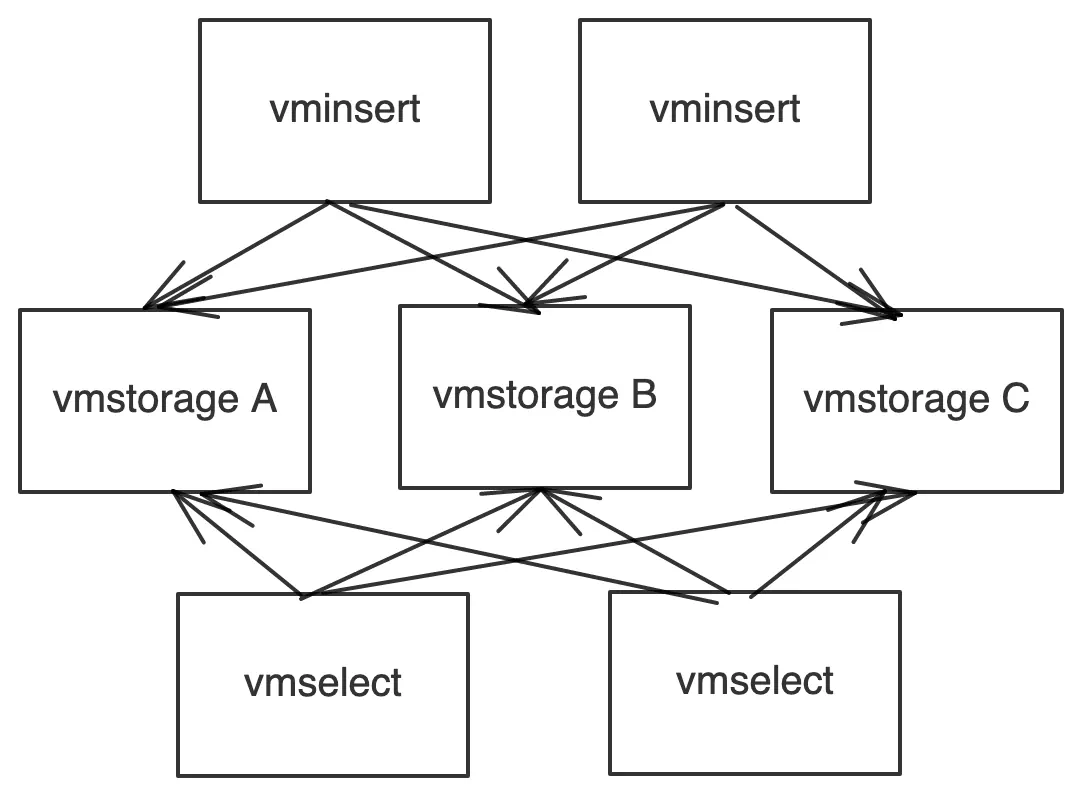
We have a VictoriaMetrics cluster with 2 vminsert, 2 vmselect and 3 vmstorage nodes. We want to gracefully remove vmstorage A from the cluster.
Solution One

#

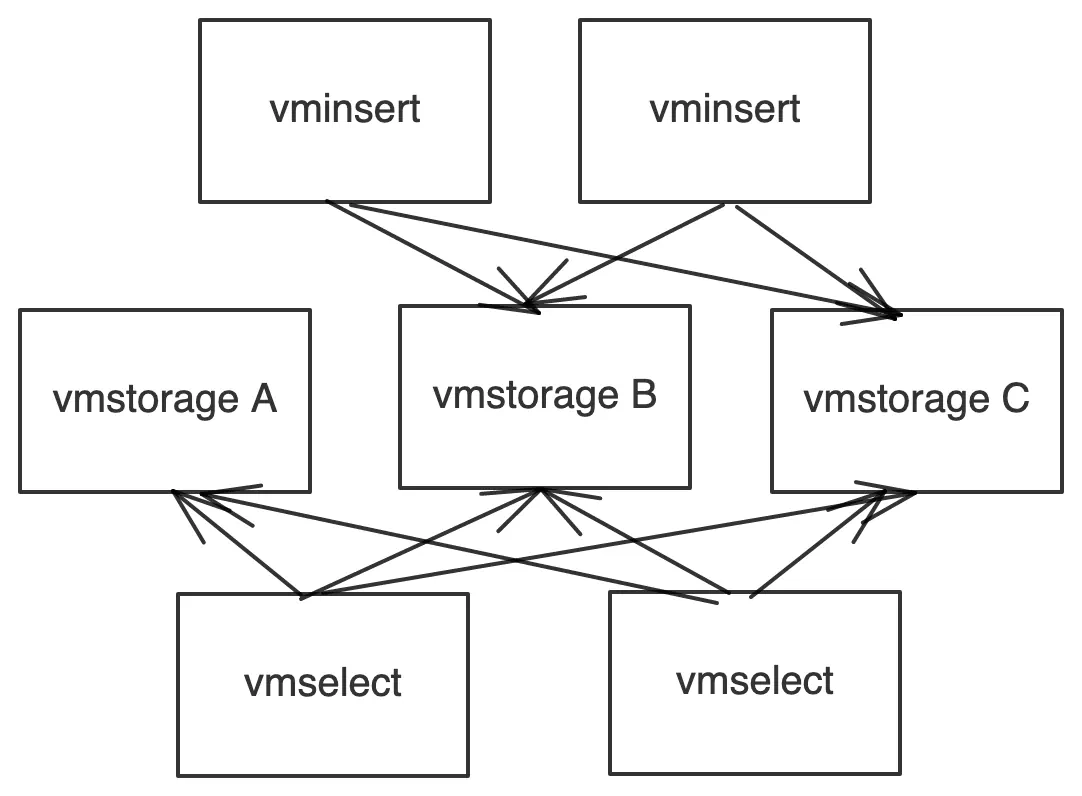
  1. Remove vmstorage A from the vminsert list
  2. Wait for the retention period
  3. Remove vmstorage A from the cluster

Note: please expect higher resource usage on the existing vmstorage nodes (vmstorage B and vmstorage C), as they now need to handle all the incoming data.

Pros: Simple implementation

Cons: You may need to wait for a long period of time
Solution Two

#

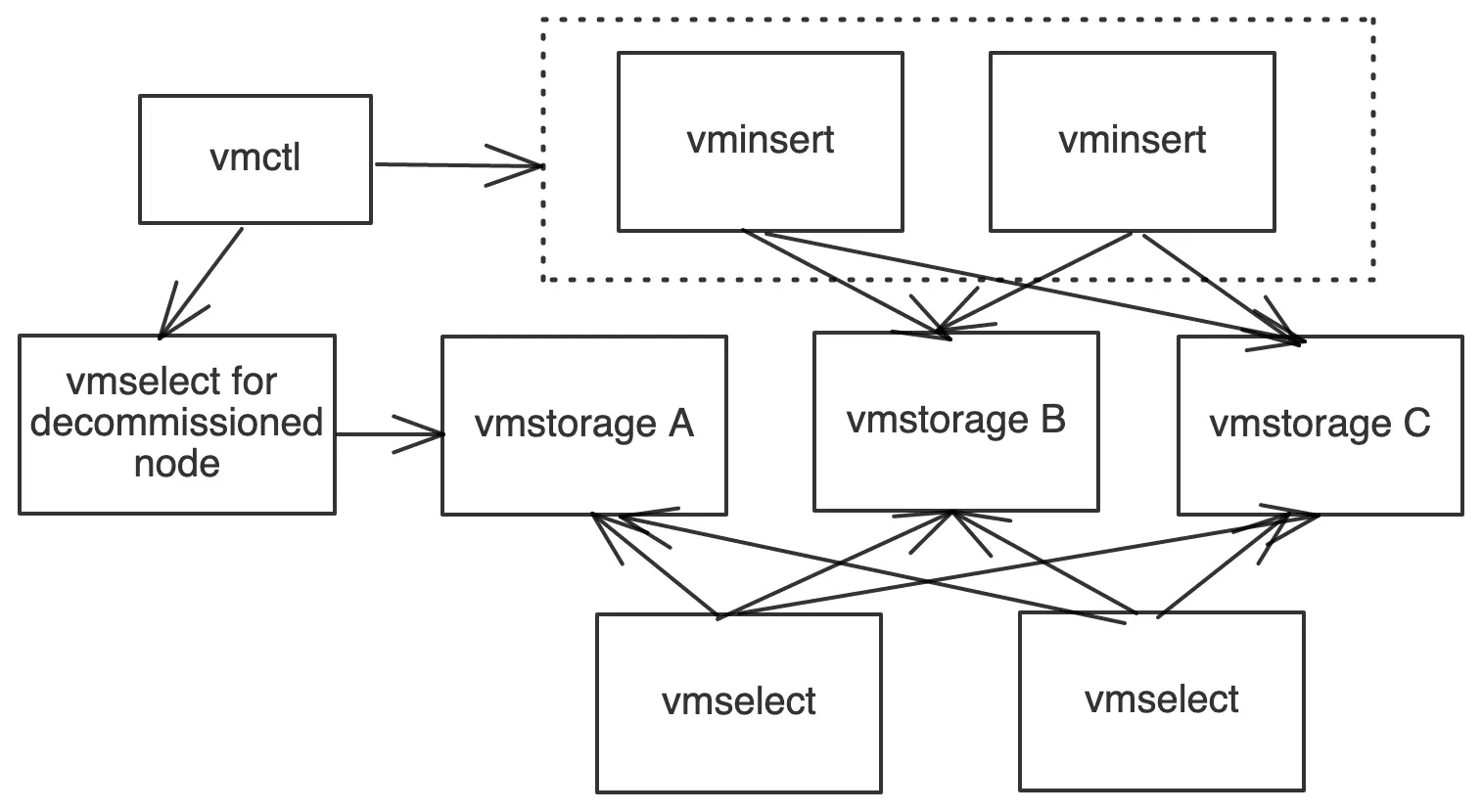
  1. Remove vmstorage A from the vminsert list (same as in Solution One).
  2. Set up a dedicated vmselect node that knows only about the vmstorage node that we want to remove (vmstorage A). We need this vmselect node for migrating data from vmstorage A to other vmstorage nodes in the cluster.
  3. Using vmctl native import/export reads data from vmselect for vmstorage A and writes data back to vminsert nodes. 4. This process creates duplicates.
  4. Turn on deduplication on vmselect nodes.
  5. Remove vmstorage A from the cluster.

Note: Please expect higher resource usage on the existing nodes (vmstorage B and vmstorage C), as they now need to handle all the incoming data.

Pros: Faster way to decommission a vmstorage node.

Cons: The process is more complex compared to solution One. The vmctl import/export process may require tuning if you migrate hundreds of GB of data (or more).

Hint : downsampling reduces the amount of data in a cluster; after downsampling, the vmctl migration requires less data to transfer and less time.

We trust that this is helpful!

Please let us know how you get on or if you have any questions by submitting a comment below.