








I’ve never considered myself particularly talented at anything. Ever. Since primary school, there were always other kids performing better than me. They ran faster, got higher grades, looked better, and so on…
If we had followed the predictions, today I should be a complete social loser,1 and my talented early peers should be doing pretty well. But a couple of decades later, I’ve noticed that only a few of these kids are actually successful today (according to most common success metrics), and I don’t consider myself a loser, at all.
Why is success non-linear?
I came to the conclusion that I’ve just outworked my now lazy popular early fellows with consistent hard work.
That’s all.
Period.
From my experience, I can confidently say that consistency beats talent. Every, single, time. No matter how hard it seems, or how good they are. The question is not “if” you can win but rather “when” you will do it.
The fundamental problem is that not everybody has what it takes to remain consistent over time. Willpower fades, motivation fluctuates, and discipline alone rarely holds up when things get tough. And let’s face it, constantly failing at anything really sucks.
So, how exactly can anyone achieve consistency?
I don’t know about you, but for me, it’s pretty straightforward: I consistently measure how consistent I am, and that’s the fuel I need to keep going.
Let me explain.
You have probably already heard that consistency is what separates top achievers from the rest of us. This is actually not that obvious. Indeed, many years ago, I had serious doubts about this claim.
I heavily overestimated raw talent and luck, while understimating my own capabilities.
Just three quick examples:
- I believed it would be impossible to learn English on my own without a proper teacher.
- I thought I wasn’t smart enough to do a PhD because only “brilliant” people with special math thiking could go that path.
- I was convinced I couldn’t get in good physical shape because of my Latin American genes.
I was wrong.
These were actually convenient excuses I made up to avoing the hard work.
Over and over, I’ve witnessed that although talent only gives a head start, it is consistency that determines how far you actually go.
Even the most talented guy in the room won’t win if they only show up occasionally. But those who show up over a long period of time, even with average skills, will eventually surpass the talented but flaky competitors.2
“The only thing that I see that is distinctly different about me is I’m not afraid to die on a treadmill. I will not be out-worked, period. You might have more talent than me, you might be smarter than me, you might be sexier than me, you might be all of those things you got it on me in nine categories. But if we get on the treadmill together, there’s two things: You’re getting off first, or I’m going to die. It’s really that simple, right? You’re not going to out-work me. It’s such a simple, basic concept. The guy who is willing to hustle the most is going to be the guy that just gets that loose ball. The majority of people who aren’t getting the places they want or aren’t achieving the things that they want in this business is strictly based on hustle. It’s strictly based on being out-worked; it’s strictly based on missing crucial opportunities. I say all the time if you stay ready, you ain’t gotta get ready.” ― Will Smith
To achieve anything meaningful in life (whether it’s getting in the top 1% at something, building a career, or improving health) consistency is the real differentiator.
It’s all about refusing to be outworked. But, like anything truly valuable, becoming consistently consistent requires significant effort and dedication.
Consistency is Hard to Achieve
If I told you that you’d need to write 69 blog posts over 9 years before getting one of them featured at the top of Hacker News, would you still write blog posts with that goal in mind?3
If I told you that you’d need to learn research methods, write papers, and get some published before landing a PhD offer that would change your life, would you still try to become a PhD student?
Or what if you have to make 100 YouTube videos until you get your first 1000 subscribers, would you still try to become a successful YouTuber?4
That’s a lot of work, and most people wouldn’t even begin.
The fact that we have so many distractions and information flows nowadays makes truly consistent people very rare. Admittedly, it’s very easy to get distracted by all kinds of shiny opportunities (just ask memecoin traders). That’s why becoming indistractable is such a superpower these days.
Modern society is making us addicted to easy gratification; when we don’t get it immediately, we tend to give up. Most people will never have the consistency to overcome tedious repetition for that long.5
If you can learn to cultivate consistency in your work, you’ll eventually beat most people. No matter how much talent, luck, or skill they have, just by being consistent. But you need to put in the effort.
All the time you’ll spend working hard and failing will make you think you’re a loser. You’ll feel like a nobody who sucks and isn’t good for anything and should just quit because you’ll never be good enough. This is how I feel most of the time, btw. But I’m aware of it.
Consistency is fundamentally a lonely, monotonous pursuit. Long-term commitment often feels isolating, boring, and repetitive. Ask any successful entrepreneur, and they’ll confirm they worked quietly, for years, before gaining traction and hit the marks.
So, consistency is hard.
How do I sustain it?
I trick my brain into it.
Consistency Needs to Be Measured
How can you make sure you’re on the rigth track? You measure it, automatically, with dashboards.
I came up with a system to track how consistent I’m being over time.
What I do:
- Set
easyrealistic goals. - Track my progress (automatically).
- Reward myself when hitting milestones.
Setting Realistic Goals
Every year, I set a few goals that I want to achieve. I try to keep them small (no more than 5), so I can actually achieve them.
Once these goals are set, I lower the barrier to starting by making daily targets incredibly small. So small, in fact, that saying “no” feels unreasonable.
For example:
- Want to read more? Set a goal of just 10 pages daily. By year’s end, you’ve read around 10 books.
- Aiming to write? Just commit to 200 words daily, and you’ll have enough for a full-length book in a year.
The key isn’t doing a lot in one sitting, but making some little progress every single day.
Tracking the Progress
Today, I don’t use a habit tracker, spreadsheet, or calendar (tried in the past but didn’t stick). Instead, I rely on 1) public exposure of my work, and 2) automation systems that keep track of my progress. This approach allows me to check the status of my projects in a data-driven manner (i.e., with analytics and data).
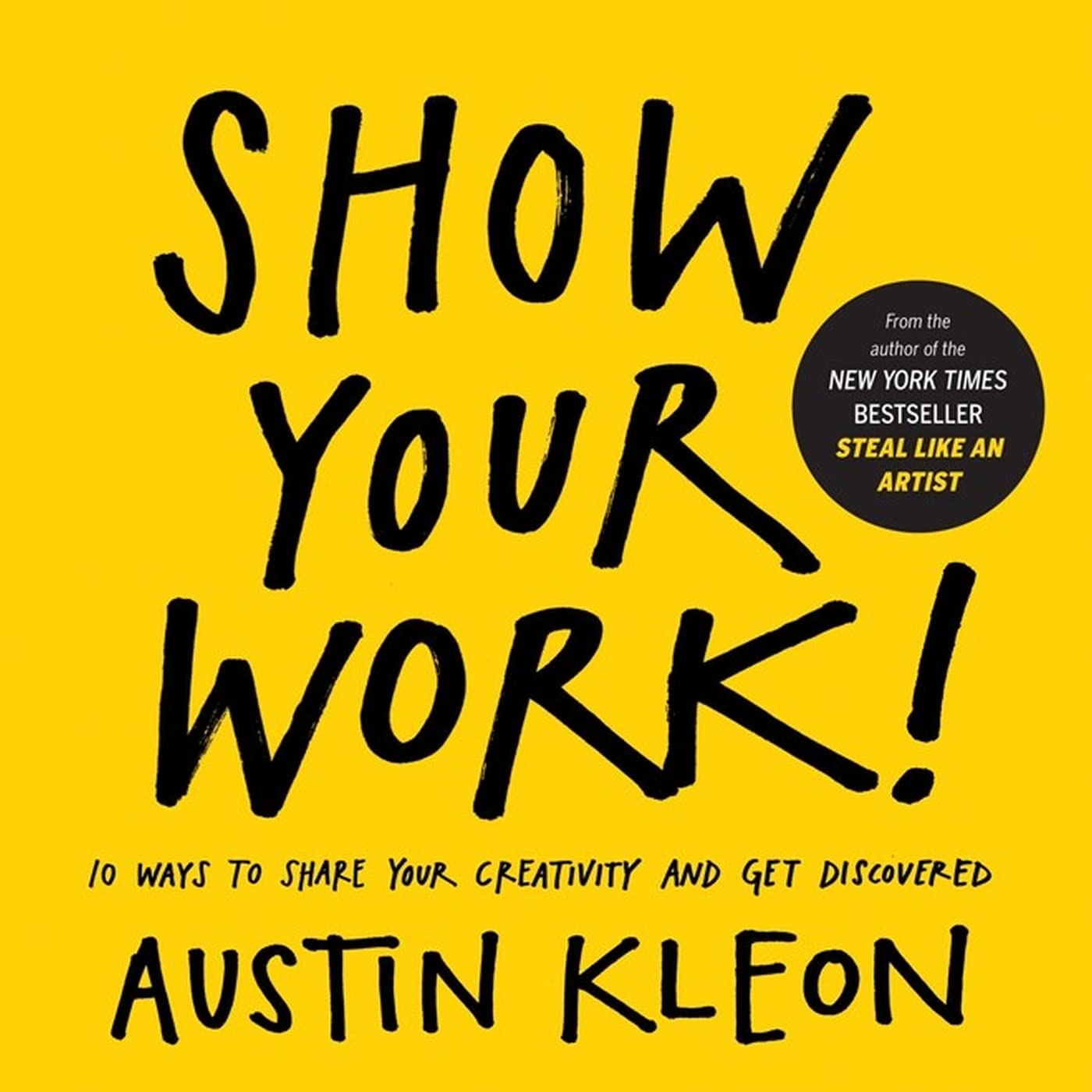
Nobody wants to look like a fool in public, right? When creating in public, the mere sense of public exposure provides a sense of accountability. For me, it also raises the quality bar quite a bit because then I know that other people will see my work.
Keeping track of my progress helps me see how I’m doing at a glance and make adjustments as needed. Also, looking at how the numbers change over time signals progress, which makes me feel motivated.6 But I don’t want to get too obsesed and waste time on vanity metrics, this is when automation comes in.
Automating the tracking process is a necessary step fordward. For example, I’ve automated the way I build my resume using \(\LaTeX\) and GitHub actions. For that, I created Python scripts that scrape my number of subscribers on YouTube, the number of followers on LinkedIn, the number of citations on Google Scholar, etc. I even keep track of the timings for the races I run.
This allows me to see my progress over time, and it also gives me a sense of accountability. At the end of each week or month, I look at my numbers to see if I hit my targets, and where I fell short.
Celebrating Achievements
Celebrating is important. Every time I hit a milestone, I reward myself by doing something I enjoy but know I shouldn’t do too often (like spending money in a restaurant or buying a new gadget).
My PhD supervisor was very serious about celebrating successes. Every time we submitted a new paper, we always celebrated the submission. Yes, we celebrated not the acceptance, but the submission. This is because he knew that the process of writing a paper is long and tedious. He wanted to acknowledge the effort it took us to get to that point.
So, don’t wait for the big wins or the numbers to celebrate. Celebrate every time a planned task is done.
Final Thoughts
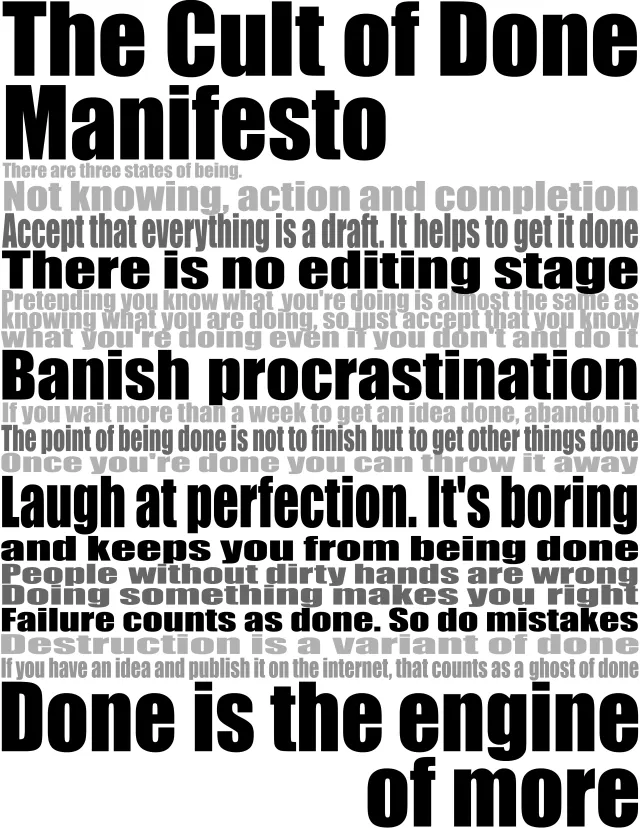
Consistency is the ultimate differentiator. But only a few people have it because we all have finite energy, time, and willpower. If you want to beat talent, luck, or even your own past self, start measuring it. Put numbers on it. Because what gets measured gets improved. Rely on systems, and keep in mind that everything is difficult before it becomes easy. Reward yourself for the small wins, and don’t wait for the big ones. Try to surround yourself with consistent people. And no matter what, just don’t give up.