







When I started out, I thought productivity meant speed. Ship fast, fix fast, move fast. Working in startups taught me something different. When everything around you changes constantly, the real challenge is not speed but rhythm. You need a way of working that holds steady when things get chaotic. Startups, deadlines, and late-night deployments have a way of teaching that lesson quickly.
Over time, I built my own rhythm. It is not perfect, but it works. It is how I plan my day, write code, review designs, learn new things without burning out, and sometimes write them down here. This post is not about the right way to work as a software engineer. It is about the way I have learned to make progress, stay calm, and keep improving.
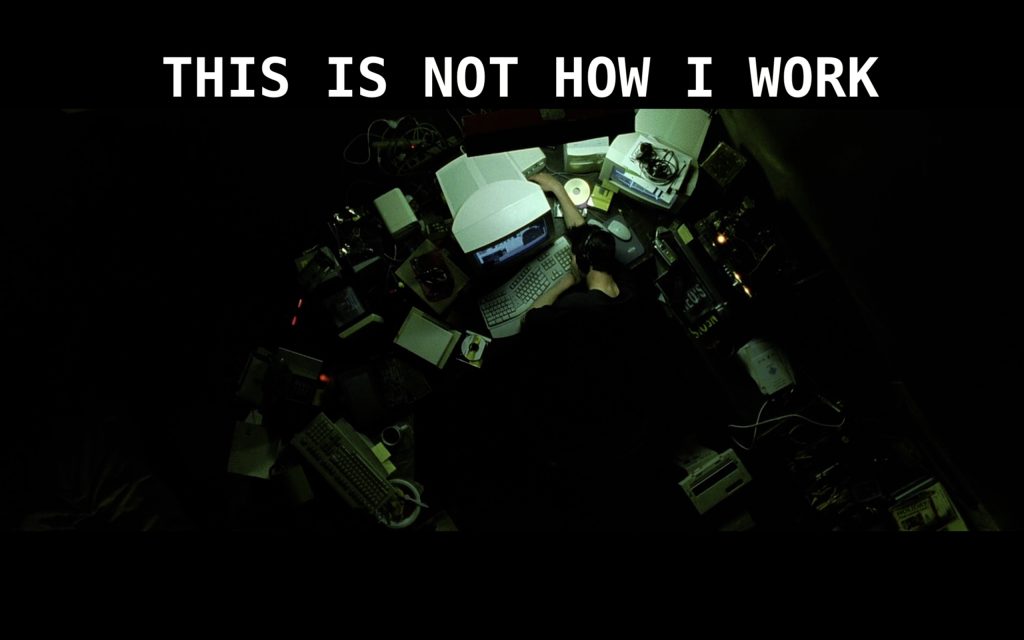 This is not how I work as a software engineer
Learning is the constant background of software engineering. Technology never stops changing, and every new tool promises to solve problems better than the one before. It is impossible to keep up with everything, yet curiosity keeps us trying. I started this blog for learning, keeping it as a learning journal.
I learn from many sources. Books help me understand ideas deeply. Articles and blog posts give me patterns I can apply immediately. Videos and talks make concepts come alive, and conversations with other engineers show me how people think in practice. Each format teaches something different.The challenge is not finding information but turning it into experience. Reading about a concept is easy. Making it part of your daily work is what takes discipline.
Over time, I have learned to focus on what truly improves how I build and reason about systems. I keep notes from what I read and often rewrite them in my own words. This helps me test whether I really understand something or if I only remember the words.
I try to revisit my notes every few months. Some ideas age well, others fade. What stays useful is what shapes my craft.
As my day begins, I like to start quietly. Coffee, a bit of silence, and then a look at the systems we run. I open my dashboards and graphs, scanning for signals that something might be off.
These charts give me a high-level sense of how things are behaving. They tell me whether the system is stable, if a pattern looks unusual, or if something is slowly drifting away from normal. You might ask why I do this when alarms already exist. They do, but alarms only tell part of the story. Charts show the patterns that alarms cannot see. The slow performance decline over three days, or a strange increase that starts on a weekend and grows unnoticed.
If something seems off, I check quickly whether it is a real issue or just noise. When it is real, I dig deeper before it turns into an incident. I like to handle small problems while they are still small. This quiet inspection is my way of grounding the day. It keeps me connected to the system, not just the tasks. It reminds me that code is alive, running somewhere, serving people right now.
Once things look stable, I go through emails, messages, and updates from my team. This helps me spot surprises or new priorities before I dive into focused work. By the way, this whole outline depends on the very fact that nothing is on fire. If something is burning, it definitely has its own track. But when things are calm, I treat the morning as quiet preparation. Now, let's go to communication channels.
Communication becomes even more important when you work remotely. When your team is spread across time zones, mornings often start with a flood of messages, emails, and updates from people who finished their day while yours is just beginning.
I usually spend sometime to catch up. I scan unread Slack threads, emails, and pull request comments to get a sense of what changed overnight. I reply only to what is truly blocking others, and leave the rest for later.
This quick triage helps me separate what needs attention now from what can wait until I have more context. It prevents me from starting the day in reaction mode. Unfortunately, schools do not teach but communication is the quiet skill that defines how engineering really works. It decides how quickly a team moves, how clearly people think together, and how much energy gets lost in misunderstanding.
Slack and email are essential tools, but without structure they easily turn into background noise. I check them in planned blocks during the day. Usually mid-morning, after lunch, and near the end. This rhythm lets me respond thoughtfully instead of reacting constantly.
Most questions do not need an instant answer. What they need is a clear one.
When I write messages, I try to make them self-contained. A good message should give enough context that someone can read it later and still understand what was discussed. Short when the problem is simple, detailed when it needs reasoning.
Writing clearly is very efficient. I wish I could do better. It saves future conversations and creates a written history that others can rely on. I have been literally thinking about how I can write better for each message lately for a while. I draft it and re-read it. It's harder for people like myself who aren't native speakers. So, it takes a bit of practice to get this right.
Another part of communication is protecting attention. I mute noisy channels, archive inactive ones, and use my Slack status to signal when I am in deep work. These small boundaries keep me focused and respectful of others’ time as well.
Remote work rewards clarity over presence. The best teams trust that people are focused, even when they are silent. Good communication takes practice. Over time, you learn when to write, when to call, and when to wait. Clarity builds trust, and trust turns collaboration into something effortless.
Once communication feels under control, I can focus fully again. That is usually when I begin planning the day or dive into code.
Planning helps me turn a long list of ideas into something that can actually get done. Each morning, I take a few minutes to review my tasks and reorder them by priority. I ask myself what really matters today, what can wait, and what needs help from others.
Depending on the project, this planning might happen alone or with my team. When I work solo, I keep it simple. When I work in a team, I try to make the plan visible. Everyone should know what we are doing and why.
Sometimes, I also plan at a larger scale. Over two weeks, a month, or a quarter. I break big goals into small pieces, so they do not pile up or turn into stress. Each level of planning feeds the next: daily tasks build toward weekly goals, and those toward long-term outcomes.
One interesting I have learned that visibility creates accountability. When everyone can see progress, it becomes easier to stay aligned and motivated. Even small visible wins build momentum. Hence, I want to make my progress visible to everyone.
My planning tools are simple. A roadmap captures the big direction, while a board holds the detailed tasks. The roadmap shows milestones over months, the board focuses on the next few weeks. One helps with strategy, the other with execution.
When planning is done, I feel lighter. The clutter in my head turns into something I can act on. That is when I begin the part of the day I enjoy most after designing and writing code.
Coding starts with design. Designing it well saves time later. Before I open an editor, I spend a few minutes thinking about what I am building, how it will fit into the system, and what could go wrong.
My design phase usually begins with a whiteboard or a notebook. I draw boxes, arrows, and rough ideas until I see the flow clearly. This is where I catch most of my mistakes early.
I try not to over-engineer too soon. The principle of You Aren’t Gonna Need It(YAGNI) reminds me to stay practical. It is easy to imagine future complexity that never arrives. Good design is not about predicting the future but about being ready for it. Simplicity creates that flexibility. I made many mistakes earlier so I crave for simplicity.
Once I have something concrete, I write it down and share it with my teammates. We discuss, question, and refine it. Sometimes, I have to redesign parts or explore alternative paths. It can take a few iterations before everyone feels confident. I used to shy away a lot from sharing my thoughts. Gradually, I learned that being wrong is a good thing. You learn it even better because you understand why you're wrong in the first place. So, you understand the whole concept you're missing better.
That's why design reviews are one of the most valuable parts of engineering culture. They align minds before any code exists and prevent months of hidden misunderstanding later.
When the design feels right, I start planning how to implement it. For small tasks, I keep the design in my head. For larger changes, I document it carefully so that future developers can understand the reasoning.
I rarely design at the class level this early unless I am touching the system core. I prefer to refine those details as I build.
A design should be a living thing. It should guide implementation without becoming a cage.
Once the design feels stable, I begin implementing it step by step. Obviously, I'm not doing design reviews every day. So, I'm doing programming based on the previous discussions. I prefer to build from the bottom up, starting with the smallest, least dependent components. This lets me test and validate pieces early before wiring them together.
I write code together with unit tests. It keeps the code in good shape and makes me confident that what I am building works as expected. I run smoke tests if available and add new ones when the change touches new areas of the system. Tests are not a chore for me. They are part of how I think. A good test does not only prove correctness but also explains intent.
After the implementation is complete, I prepare a code review. For larger changes, I attach the design document and reports such as coverage or benchmark results. For smaller updates, I keep it simple with a short explanation and clear commit messages. I code review myself. It sounds weird but it helps ironing out some of the mistakes. The way I do is to leave the code for a day and come back to it. That way, I can actually pinpoint some of the mistakes I did earlier and correct them.
A well-scoped pull request is an act of respect. It shows that you value the reviewer’s time and want to make their job easier. I push changes often but merge carefully. I prefer multiple small, meaningful commits over a single large one. Each commit should represent a clear idea or improvement.
Small, steady merges keep momentum alive. They also make it easier to roll back when something breaks, which saves time and nerves later.
Code reviews are one of the most important rituals in software engineering. They shape quality, share knowledge, and build trust within a team. Over time, I have learned that how we review code often matters as much as the code itself. Wrote a small guide on code reviews. I remind myself of it every time I send/review code. Nowadays, it feels like I review code a lot. Much more than I write.
When I review, I try to understand what the author was trying to achieve. I do not look for perfection, I look for intent. Every piece of code has a story behind it. A constraint, a trade-off, a deadline. Knowing that story makes feedback fairer and more useful.
A good review is not about showing how much you know. It is about helping someone else see what you see. The process gets easier with experience. As your perspective grows, so does your empathy for the person behind the code. I often learn something new from every review I read or write.
Reviewing, however, is not always easy. It requires patience and attention. To get into the right mindset, I sometimes read discussions from engineering communities before starting. It helps me switch from “builder” mode to “reviewer” mode — from creating to evaluating.
Modern code reviews are less about syntax and more about systems thinking. They are where style, readability, and long-term maintainability meet.
When I receive reviews, I try to treat feedback as collaboration, not criticism. I know it's hard to get used to it at first. Even when I disagree, I take a step back and think about why the comment was made. The best feedback often reveals something I missed.
A respectful review culture turns feedback into fuel. It creates psychological safety, which is what allows engineers to do their best work.
Meetings are a part of every engineer’s life, especially in remote teams. They can feel like interruptions, but when done well, they become moments of alignment and shared clarity.
When I began working remotely, I treated meetings as something to survive. Over time, I learned to see them differently. A good meeting is not about updates. It is about understanding what matters most right now and deciding what happens next.
I prefer fewer meetings, but I prepare for each one when I can. I would be lying if I'm ready for each meeting. For the ones I try to be ready, I read the context in advance, so the time together can focus on next steps rather than my babbling.
A good meeting should end with clarity. You need to have answers to who is doing what, by when, and why it matters. I know it's hard to get this right but being intentional is way to go. When you set up a meeting, please add description, attach documentation and put some thoughts to the outline.
In distributed teams, I find short, well-structured check-ins far more effective than long calls. Async updates, shared documents, and quick notes often do the same job with less fatigue. Meetings should never be the place where people first learn information. They should be where people make sense of it together.
I try to keep my calendar breathable. Back-to-back meetings flatten focus, so I leave a few minutes between them to reset. That pause keeps me thoughtful instead of rushed. I always remind myself a meeting that respects time, preparation, and attention is not a waste of time. It is a sign of respect for the team or teams. Ideals may not match reality but I keep that in mind.
Once the meetings are done and the noise settles, I often pause for a few minutes. Take a look a walk around my house. You want to clear your head a bit.
In this post, I have described a typical day. Dashboards, planning, design, implementation, and reviews. I have not mentioned the unexpected parts of engineering life: incidents, meetings, and deployments that stretch long into the night. Those moments are just as real and just as important.
They remind me that engineering is rarely about control. It is about adaptation. We need to learn to stay steady when things break, to learn faster than the system changes.
No two days look exactly the same. Some are creative and full of ideas, others are operational and focused on keeping things running. The important part is maintaining rhythm. For me, rhythm means showing up consistently, learning continuously, and reflecting often.
Reflection is the part most people skip. It is easy to move from one task to another without stopping to ask what changed, what improved, and what could be done better. Taking that pause gives meaning to the work and turns experience into understanding.
I still adjust my process every few months. Sometimes it is a small change, like rearranging how I prioritize tasks. Sometimes it is a bigger shift, like adopting a new tool or simplifying a workflow. The goal is not to perfect the system, but to keep evolving with it.
The longer I work in this field, the more I believe that consistency beats intensity. Growth does not come from working faster. It comes from working with rhythm. I think everyone has a different one. Finding mine took years. It still changes, but that’s the point. Rhythm isn’t something you master once. It’s something you keep tuning.
此内容由惯性聚合(RSS阅读器)自动聚合整理,仅供阅读参考。 原文来自 — 版权归原作者所有。