









Published · 5 min read
As someone who's been navigating the world of software development for a while, I often think about what it really means to be a good development manager. It's a bit like being the conductor of an orchestra. You don’t have to know how to play every single instrument. You don’t necessarily code yourself, but make sure everything works in harmony.
This brings me to a question I frequently ponder: Should development managers actually write code? Is their involvement in the coding process beneficial or does it detract from their primary role? In my experience and observations, this is a nuanced topic. Coding has implications on the team's dynamics, project outcomes, and the manager's effectiveness.
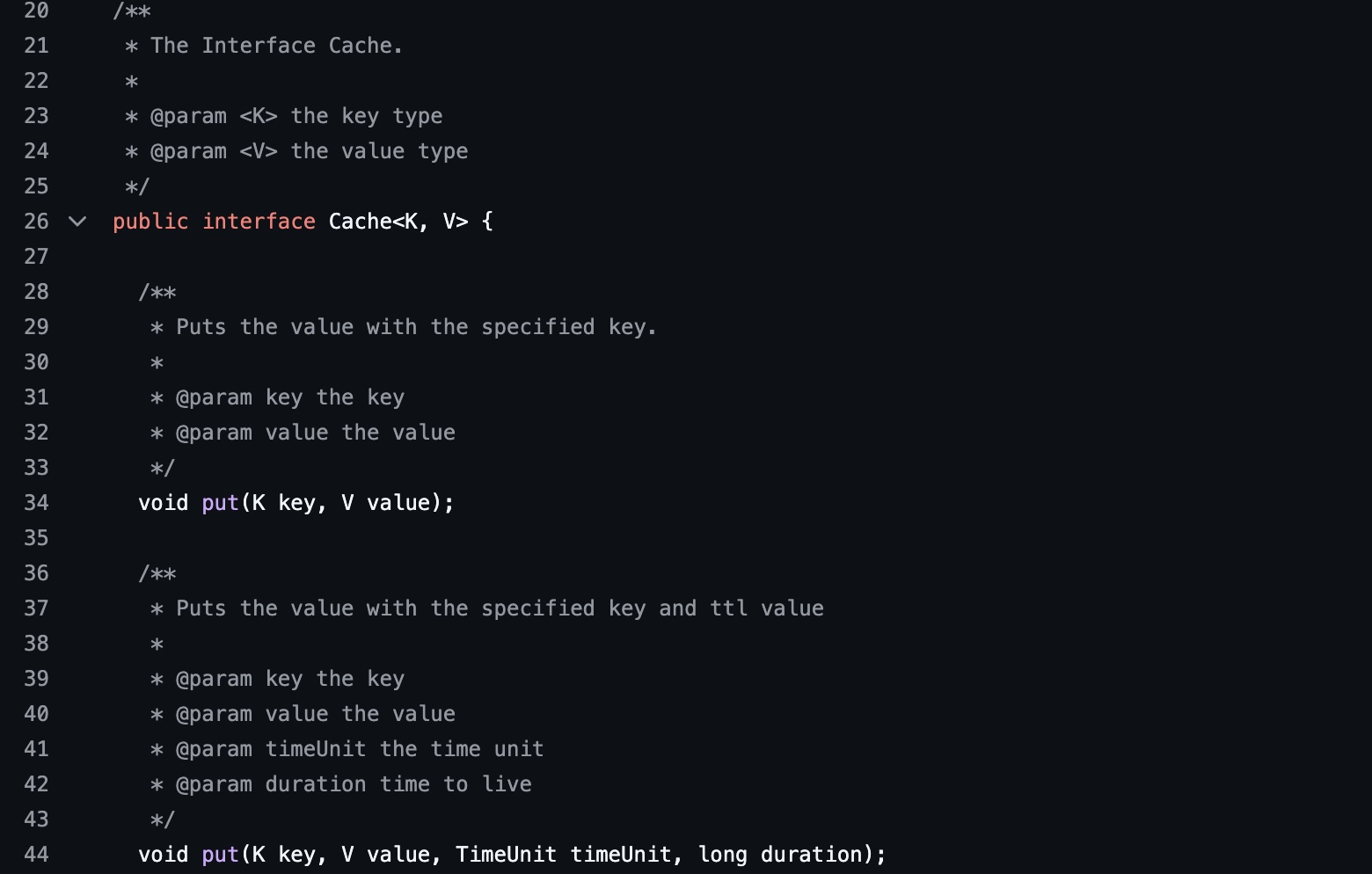 Dev managers coding interfaces
A Simple Cache Interface
Development managers in software engineering are much like conductors of an orchestra. Just as a conductor interprets a musical score, sets the tempo, and ensures harmonious execution of a symphony, development managers orchestrate the various components of a project. Their role goes far beyond mere coding. A manager needs to harmonize the team's skills. Guide the project rhythm. Manage up and down to make sure work go without disruptions.
Great things in business are never done by one person; they're done by a team of people.
Steve Jobs
The job is really about fostering a collaborative environment where each team member’s unique strengths contribute to a masterpiece.
Obviously, by default managers have to wear multiple hats. Nobody is denying that. It just differs from one place to another. In startups or smaller teams, it's typical for managers to roll up their sleeves and dive into coding. This hands-on approach is often necessary due to limited resources and the agile nature of small teams. However, as the team grows, this approach can become a double-edged sword as you can't focus on team development and such.
In larger teams, a manager’s primary responsibility shifts from coding to cultivating an environment where each team member can flourish. This involves mentoring developers, aligning the project with strategic business goals, and efficiently managing resources. When a manager continues to focus heavily on coding in such settings, it may lead to overlooked team needs, misaligned project goals, and ultimately, a team that fails to thrive.
Therefore, in larger teams, the development manager's effectiveness is often measured not by their personal coding output but by the growth and productivity of their team as a whole. Their role becomes more about ensuring that every team member has the right conditions to develop and contribute effectively, ensuring the success of the project as a cohesive unit. Team's win is manager's win.
When development managers dedicate significant time to coding, they may inadvertently overlook several crucial areas. These include:
Effective time management for a development manager involves balancing hands-on technical work with these overarching responsibilities to ensure the team's and the project's overall success.
The role of a development manager is indeed more personal and relatable. With their background in coding, managers don't primarily contribute code themselves. Instead, they should use their technical understanding to empathize with the challenges their team faces. It’s like having been in their shoes, knowing the hurdles and triumphs of coding firsthand.
Technical experience is invaluable for guiding the team. With a good technical background one can foresee issues, offer practical advice, and help navigate through complex problems, all while giving the team space to learn and grow independently. It’s not just about managing. It’s about connecting with the team on a level that only someone who’s been in the coding trenches can.
All that said, having a development manager who's really good at coding can be a big plus for a software team. It's not just about the coding skills themselves. When team members see that their manager knows the ins and outs of coding, they naturally tend to respect and trust them more. It's like having a coach who's been a player themselves; they just get it.
Well, here's an interesting bit though. You want managers to be smart about when to jump in with their coding skills and when to let the team figure things out on their own. It’s a bit like a teacher who knows when to help out a student and when to let them solve the problem to learn. You don't want them to intervene a lot. If they're always taking over the coding, the team might not learn to solve tough problems on their own. But, if they step in at just the right times, they can guide the team through really tricky stuff and help everyone get better.
So, it’s all about finding that sweet spot. A good manager with coding chops isn’t just a boss; they’re a guide who helps the team grow and become more confident in tackling the challenges of software development.
The question isn't whether development managers can code, but whether they should. Their primary role is to guide, inspire, and lead their team towards achieving collective goals. In certain scenarios, their coding skills may be called upon, but this should be the exception, not the norm. Hence, managers should manage and coders should code.
此内容由惯性聚合(RSS阅读器)自动聚合整理,仅供阅读参考。 原文来自 — 版权归原作者所有。