








Published · 8 min read
I often get asked whether someone should transition into management. In the past, this might have been the only viable growth path. However, in most large organizations today, this is no longer true, as you can be a leader without managing people. It really comes down to a fundamental question: do you genuinely want to, and would you enjoy it? Additionally, there are a few pros and cons to consider about management.
Before even discussing the pros and cons, there's one crucial point I want to make: management is an entirely different job. While you can leverage your technical judgment, you will rarely engage in technical tasks. The most I do nowadays is to use Math.random() to select someone for a fun task. Yes, you might still face technical interviews, including coding and design questions, but this usually changes once you reach a higher level, where these skills become almost irrelevant. Why would you want your Director to code, really? That individual demonstrated those abilities years ago.
Returning to the question at hand, transitioning into management means taking on a different role that you need to consider carefully. There are aspects of this job that you may not fully anticipate but might find appealing. Here are a few things you would typically do, from manager transition.
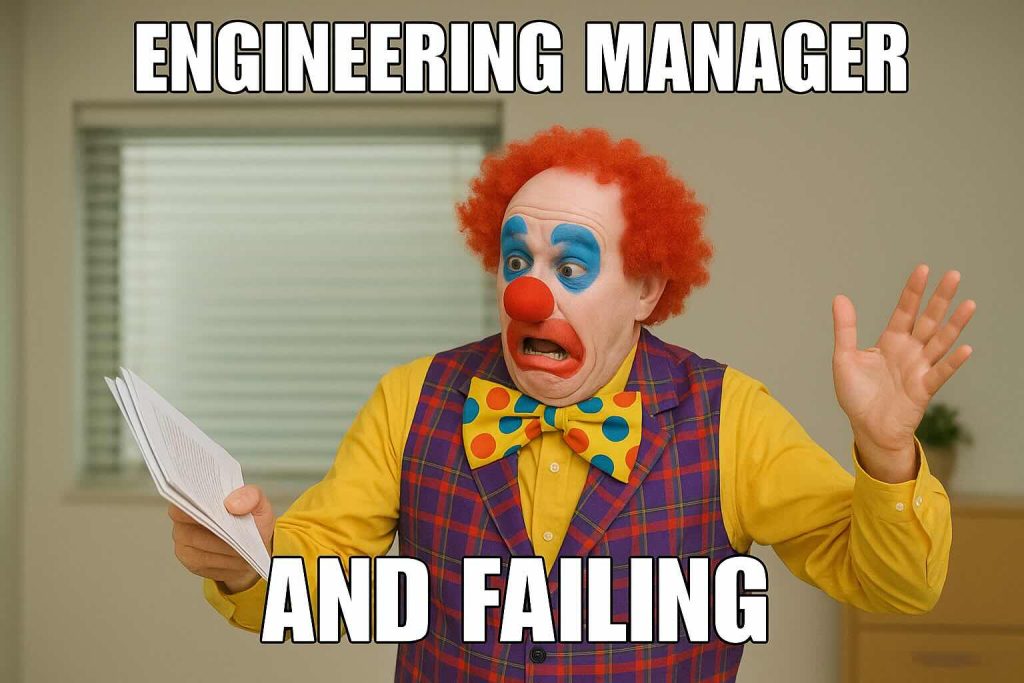 being a clown of a manager
You are expected to handle all these responsibilities, yet you likely were never trained for any of them. That’s why I emphasize that management is an entirely different job. This transition comes at a cost, especially if you are passionate about your craft. For instance, you may have to fire people, which is unpleasant. You'll also need to consider aspects of the job that you previously didn’t care about because they seemed fine at the time.
Now, I hope I convinced you that this is a different job. Let’s now see what the pros and cons are.
Alright, we now understand that management is a different job and have discussed its pros and cons. So, when is the right time to make the change? Honestly, I don’t know. What I do know is that you need to be technically sound and somewhat prepared interpersonally for the role. If you try to become a manager too early in your career, you might struggle to gain respect as you won’t yet have technical mastery. Interpersonal skills also develop over time, so it's important to spend a few years in the field.
Most large companies require you to be at least a senior software engineer before considering a transition to management. Even then, I would argue that you should be at the ceiling of that level before seriously thinking about it. Ideally, a senior-plus role is a good time to make the change.
What happens when you want to make the change? Well, nothing initially. You need to express your interest and let your manager know that you’re considering this path. Remember, management opportunities depend on business needs. If there isn’t a business reason for you to become a manager, it won’t happen. So, keep that in mind.
If there is a business reason and you’re making the transition, you should definitely go through some training, read relevant books, and get up to speed. You don’t want to become just another incompetent manager. Ideally, your boss should guide you, as it’s in their interest to make you successful.
So, you made it—you became a manager. Now you realize it’s not what you expected and it sucks. What do you do? Remember, you’re still technical. This isn’t the end of the world. You tried it, and you simply don’t like it. Maybe it’s not the right time for you. I've seen this happen multiple times: someone becomes a manager, doesn’t enjoy it, returns to being an engineer, and then, after a few years, tries management again. This time, they are mentally prepared and find they actually like it.
But what does "liking it" really mean? It doesn't mean the job isn’t challenging or that you won’t have tough days. Management is a different, often difficult job. You’ll feel like you don’t know many things, and your team might ask questions that make you feel stupid. That's normal. Even experienced managers don’t have all the answers right away. It gets easier over time.
Liking it means feeling that this role is for you, even if it pushes you out of your comfort zone. Despite all the challenges and frustrations, you kind of enjoy it. You appreciate your impact, and you enjoy the leadership aspects, even the corny "boss" jokes. If you feel this way, then it might be worth sticking with it. Otherwise, there’s no shame in returning to an engineering role and perhaps trying management again later if you still have the interest.
This has been more than a blog post I guess but here we go. I hope I answered different aspects of this transition. Transitioning to management is a major shift from engineering, involving new responsibilities like meetings, performance reviews, and mentoring. The best time to make this change is when you have strong technical and interpersonal skills, usually at a senior level. If you try management and don’t like it, you can return to engineering and possibly try again later. Ultimately, if you enjoy the leadership role despite its challenges, it might be a good fit; otherwise, stepping back is okay.
此内容由惯性聚合(RSS阅读器)自动聚合整理,仅供阅读参考。 原文来自 — 版权归原作者所有。