


Published · 6 min read
Over time, I had to manage and help to manage many times when a top performer quits. It sucks but we need to be reasonable. Imagine you’re on a winning streak, your top striker, like El Fenomeno, is scoring crazy, winning you matches. End of the season, they're out. Well, that's literally what Bobby Robson had to deal with the departure of El Fenomeno. You hired that person, spent countless hours helping them grow, watching them develop into something amazing. You formed a good relationship, maybe even became friends. It sucks. The emotions can be overwhelming. Shock, frustration, maybe even a bit of betrayal. And there’s the aftermath of this departure.
If you're in tech, you know replacing a top striker, like El Fenomeno, takes a shit ton of time. If they're the kind you really don’t want to lose, it takes even more. Hiring takes forever, and onboarding is no joke either. Losing someone like that sucks, man. It really does. I get that. Once that initial sting fades, you need to realize it’s an opportunity. Sure, losing a top employee stings, but it’s also a way to reflect. Losing someone important forces you to hold up a mirror and look at your team, your leadership, and your culture. How you respond matters!! It’s a chance to grow, not just for your team but for yourself as a leader too.
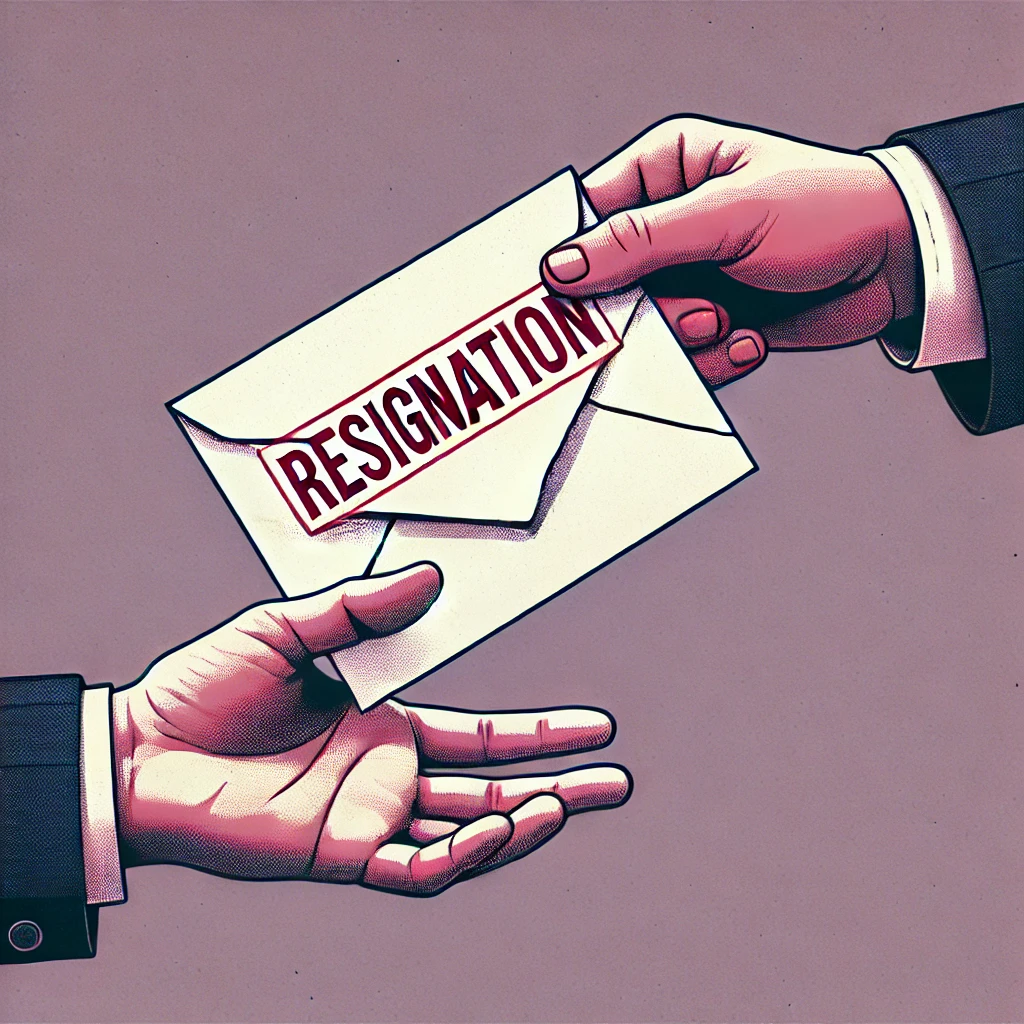 Resignation - Losing a Top Performer
It’s normal to feel disappointed when your star player walks out. Perhaps, you invested time, energy, and resources into their growth. Their departure might feel like a personal loss. Take a moment. Before anything else, make sure you’re managing your emotional response. Believe me this is harder than you think it’s. The rest of your group will look to you as an example, and how you handle this will set the tone. Stay calm, be empathetic, and recognize the contributions they made. Acknowledge their departure in a respectful, constructive manner.
Top employees rarely leave just for money. So, what's going on? Lack of growth opportunities? Frustration with team dynamics? Just feeling stuck? You need to dive deep. Sit down with them, have an open conversation, and go through your cards. Can you match their offer? Can you match the opportunity? Talk to your boss, explore all the options. You don’t lose the game until the last moment!
Do an honest pros and cons analysis with them. If they stay, the pros might be continued growth, keeping strong relationships, and the chance to lead new projects or groups. The cons? Maybe it feels like more of the same, staying in a comfort zone, or not getting enough change. If they leave, the pros could be a fresh start, new challenges, better compensation. But the cons are leaving the known for the unknown, losing established relationships, or finding out the grass isn’t actually greener.
Sometimes, you need to help them see what they might not have noticed. Maybe, they didn’t see a chance for growth or opportunities they didn’t think possible. If you can address their concerns and help them envision a path forward, maybe they'll stay. But if they still want to leave, well, you did what you could. Ask the last question as confirmation. Is this opportunity better for yourself and your family? If the answer is yes, then wish them well.
Well, as much as you want to keep them, they want to move on with this new opportunity. Sometimes, it’s not you, it’s simply the opportunity. But it’s always good to reflect. There are a few things you need to do before their departure.
When a key figure leaves, it's not just you who feels the impact. The rest of the team may feel anxious. They also know this person is a key player. Sometimes, the person is their manager. Communicate clearly with them. Share what happened. Try to be as transparent as possible. Emphasize your plan for moving forward, whether that’s backfilling, reassigning responsibilities, or involving the team in finding the right replacement.
Losing a seasoned engineer or manager means losing knowledge. Ensure a proper handover. It should have processes, key projects, and ongoing tasks. If they are amenable, a two-week transition period can work wonders. Stop them doing anything new. That’s no go.
Losing a top performer is a good chance to reflect on your leadership and team dynamics. Why did they leave? Was there anything in particular you could do? Exit interviews might give some insights. Nonetheless, you also need to take a hard look at the environment you’ve created. Was their work challenging? Were they motivated and learning, or had things become too predictable? Use their departure as a checkpoint to recalibrate and prevent future talent loss.
You’ve lost a major asset. Now, it's time to reflect and figure out next steps. Can you backfill this position? Sometimes, you can’t. It double sucks. I know. Is this an opportunity to change your structure for the better? Look into the team dynamics. Are the other team members ready to step up? Maybe the departure allows for internal promotions, or gives an emerging talent a chance to shine. On the flip side, this might be a good time to bring some fresh personnel outside of the company. Form a plan, answer these questions. Ask your boss to help.
When a top performer leaves, it's easy to feel abandoned. Remember career paths aren’t always linear. Some people come back when the time is right. End things on a positive note. Maintain that relationship. Who knows? They may rejoin down the line.
You might also move to another company in the future. That’s when you might ask if they want to join. Forming these relations and keeping in touch can help a ton when you’re hiring.
Losing a top performer sucks but it’s also an opportunity to learn, evolve, and grow. Understand why they left, make changes where necessary, and focus on what you can control. Your role is to lead. It means that you need to navigate these difficult moments with resilience and turn them into opportunities for the rest of your team.
此内容由惯性聚合(RSS阅读器)自动聚合整理,仅供阅读参考。 原文来自 — 版权归原作者所有。