惯性聚合 高效追踪和阅读你感兴趣的博客、新闻、科技资讯
阅读原文 在惯性聚合中打开

推荐订阅源

D
Docker
Simon Willison's Weblog
H
Help Net Security
F
Fortinet All Blogs
H
Heimdal Security Blog
S
Schneier on Security
L
LangChain Blog
博客园 - Franky
酷 壳 – CoolShell
酷 壳 – CoolShell
NISL@THU
NISL@THU
P
Palo Alto Networks Blog
J
Java Code Geeks
博客园 - 【当耐特】
The Last Watchdog
The Last Watchdog
W
WeLiveSecurity
www.infosecurity-magazine.com
OSCHINA 社区最新新闻
OSCHINA 社区最新新闻
V
Vulnerabilities – Threatpost
I
InfoQ
Recorded Future
Recorded Future
钛媒体:引领未来商业与生活新知
钛媒体:引领未来商业与生活新知
C
CERT Recently Published Vulnerability Notes
T
Tenable Blog
腾讯CDC
C
Check Point Blog
量子位
M
MIT News - Artificial intelligence
GbyAI
GbyAI
罗磊的独立博客
Threat Intelligence Blog | Flashpoint
B
Blog
小众软件
小众软件
cs.AI updates on arXiv.org
奇客Solidot–传递最新科技情报
奇客Solidot–传递最新科技情报
C
CXSECURITY Database RSS Feed - CXSecurity.com
Stack Overflow Blog
Stack Overflow Blog
P
Proofpoint News Feed
P
Privacy & Cybersecurity Law Blog
V2EX - 技术
V2EX - 技术
T
Threatpost
Engineering at Meta
Engineering at Meta
Attack and Defense Labs
T
Tailwind CSS Blog
S
Securelist
The Cloudflare Blog
博客园 - 叶小钗
L
LINUX DO - 最新话题
T
Troy Hunt's Blog
C
Cyber Attacks, Cyber Crime and Cyber Security
爱范儿
爱范儿

Yusuf Aytas

When Code Is Cheap, Does Quality Still Matter? Why Crouching Tiger, Hidden Dragon Is a Masterpiece Why We Ignore Advice The Mirror Is Part of the Machine When Too Many Maps Overlap on One Person The Work Runs on Different Maps Your Work Introduces You Trial By Fire The Dude Why Headcount Math Lies Capacity Is the Roadmap The Roadmap Is Not the System Torres del Paine W Trek Escaping Status Theater Incentives Drive Everything Scaling Culture Without Dilution What Good Looks Like Why Airport Security Feels Random Why Politics Appear How to Work with Me The Janus Protocol Multi-Horizon Delivery Framework What Good Execution Looks Like Managing Your Manager Why Kingdom of Heaven’s Director’s Cut Is Better AI Broke Interviews Most of What We Call Progress Managers Have Been Vibe Coding All Along Stop Wasting Brainpower Why Over-Engineering Happens Prisoner's Dilemma Climbing No More The Weekly Win Mevlana Candy Brewing Turkish Tea Onboarding Your Engineering Manager Technical Deep Dives Yapay Zekâ Çağında Bilgisayar Mühendisliği Building Remote Teams From Idea to Launch in 2 Weeks Reflecting on Software Engineering Handbook Representing the Business New Manager Survival Guide Take Self Reviews Seriously Chasing Real Respect The Invisible Difference Learning the Johari Window Management is a Lonely Place Simple Task Management AI Balance in Work PIP Manager Insights Engineering Manager Interview Preparation Work-Life Balance as a Manager Bridging the Management Disconnect Tech Hiring Bubble Bursts Traits for EMs Simple Acts of Recognition Matter The Question I Ask Every New Report The Reality of an Employer's Market Bridging Ideals and Reality Hiring Red Flags Why The Godfather Is So Damn Good Subteam Tenets No Fluff Please Losing a Top Performer Balancing Act of Reliability Building Trust in Engineering Teams Ideal Number of Direct Reports Overriding a People Leader’s Decision From Misperception to Promotion Perception vs Perspective Setting Goals From Engineer to Manager Getting Delegation Right Interviewing Your Future Boss Celebrating Our Book in Iceland Operational Skills Needed On Writing Software Engineering Handbook Charlie Munger Quotes Working with Dependencies From Las Vegas to Canyons Navigating Layoffs Handling Competitive Dynamics A Weekend Getaway to Malta Engineering Health Essentials Should Dev Managers Code? Confronting the Life on Pause Winning Eleven Kindness is A Choice Bireysel Katılımcılar ve Yöneticiler Leading from Where You Are The Subtle Art of Listening Coding in Leadership The Power of Consistency The Making of a Leader The Path to Leadership Embracing TikTok Talent Sourcing Journey Leading Self Managing Teams Cracking Coding Bottlenecks
A Trip To My Village
Yusuf Aytas · 2021-10-31 · via Yusuf Aytas

Published · 4 min read

I was born in a remote village in Turkey, in the northeastern province of Bayburt. It is called Gökçedere, named after the small river that divides the village into two parts. That stream still runs through the settlement and remains part of the village’s identity. But Gökçedere is not its original name. It was once called Pulur, a name that appears in Ottoman records. The village itself is quite old, dating back at least to the 16th century. I only learned much later in life that it had such a long history.

My village has existed under the rule of many empires and states. The wider Bayburt region passed through Urartian, Persian, Roman, Byzantine, Seljuk, Akkoyunlu, and Ottoman periods. It also stood along an old corridor linking Trabzon, Erzurum, and farther east toward Tabriz, which made it part of an important trade route. Those routes brought people from many different regions. Some groups from Central Asia migrated into the area in waves, though it is difficult to know exactly when or how they reached one specific village. In the wider region, this Turkmen background is often associated with Oghuz groups such as the Çepnis, one of the 24 Oghuz tribes. So most likely, we are at least partly descended from the Çepnis. That may explain why the village, and my own family, still carry traces of a nomadic culture.

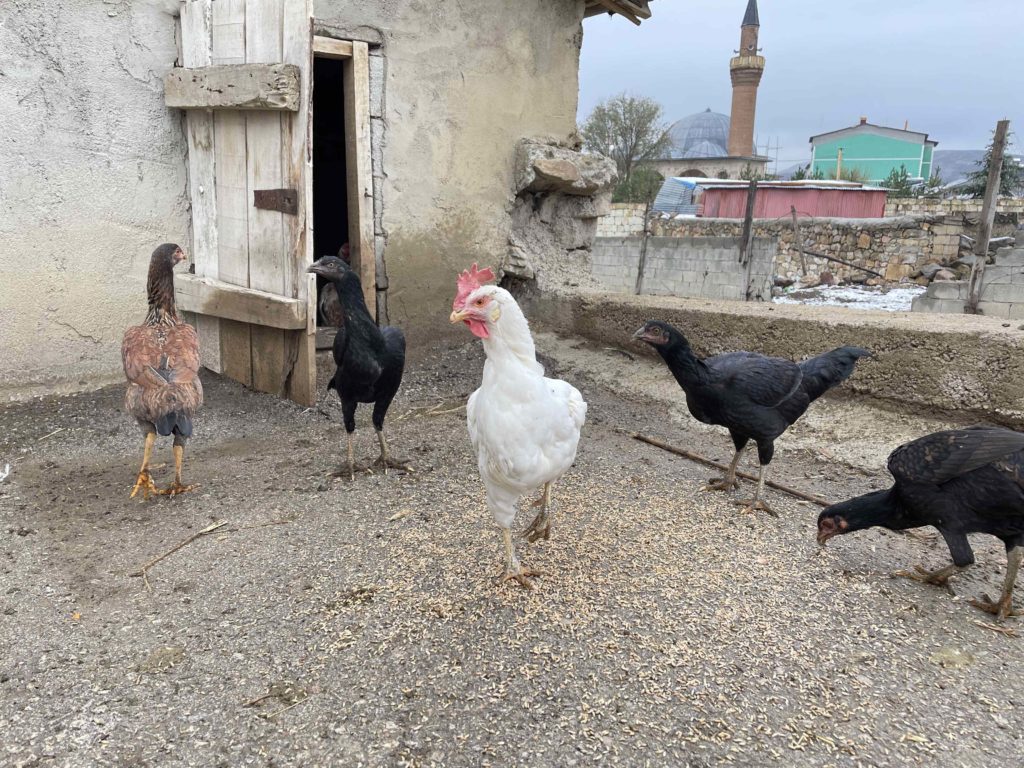
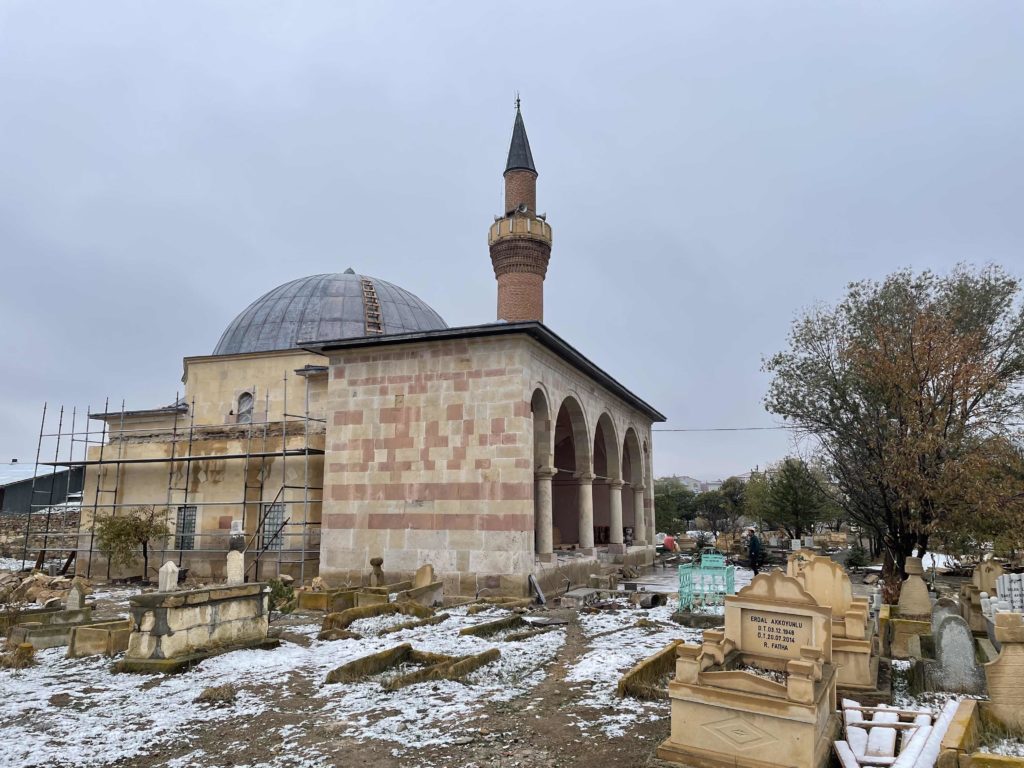
The village still preserves visible traces of that long past. One of the best-known examples is the old mosque and medrese complex, which dates to 1517. There was also a hamam nearby, although it survives only in a damaged state. Even in a small place, these details make you feel that the village was once more connected, more active, and more layered than it might seem at first glance. Much of that past is forgotten now. Few people in Turkey today could point to Pulur on a map.

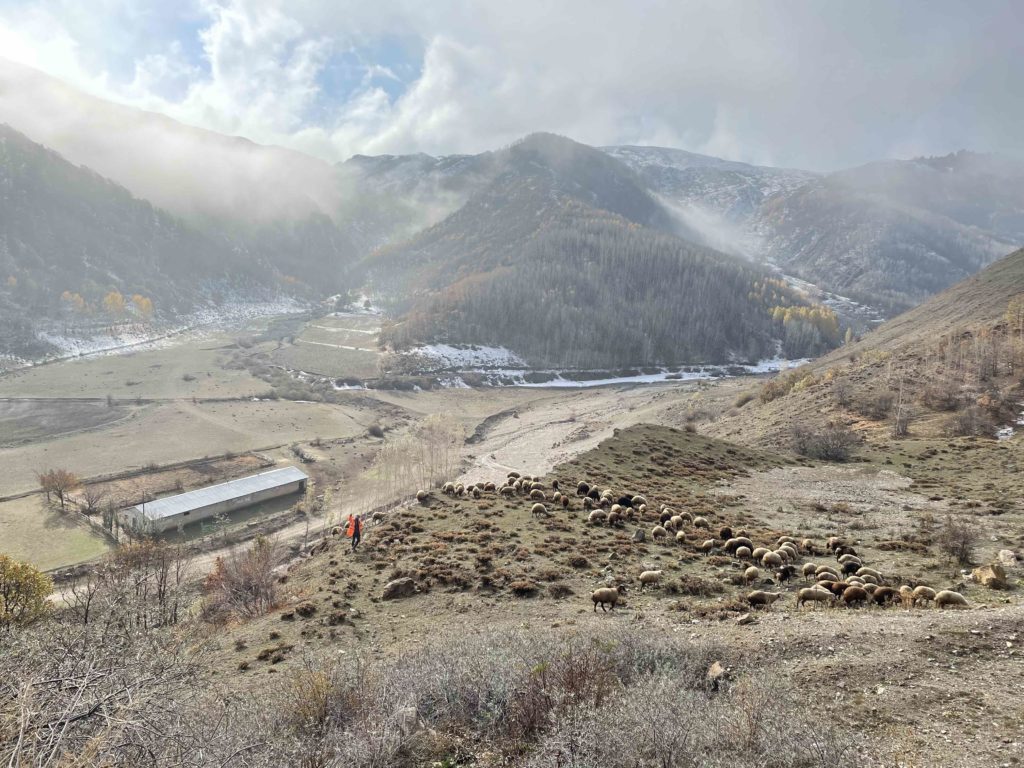
The nomadic culture still appears in food, language, household goods, and clothing. For instance, kurut, dried yogurt, and et kurusu, dried meat, are still popular. I especially love kurut in soup because it gives it a unique taste. Drying food was practical for nomadic people, since it made it easier to move from place to place. This was especially important when people traveled on horseback. There are also everyday objects that reflect this culture, such as grass-filled mattresses and small portable tables.

Alongside its nomadic roots, the village also reflects the influence of nearby regions. Over time, people came from places such as Armenia, Georgia, Iran, north-central Turkey, and other parts of Central Asia. As a result, other subcultures were absorbed into the village’s nomadic foundation. That cultural blend remained remarkably intact. Even some shamanistic traditions from the Turkmens still survive, though most people do not realize that what they are practicing has such deep origins.

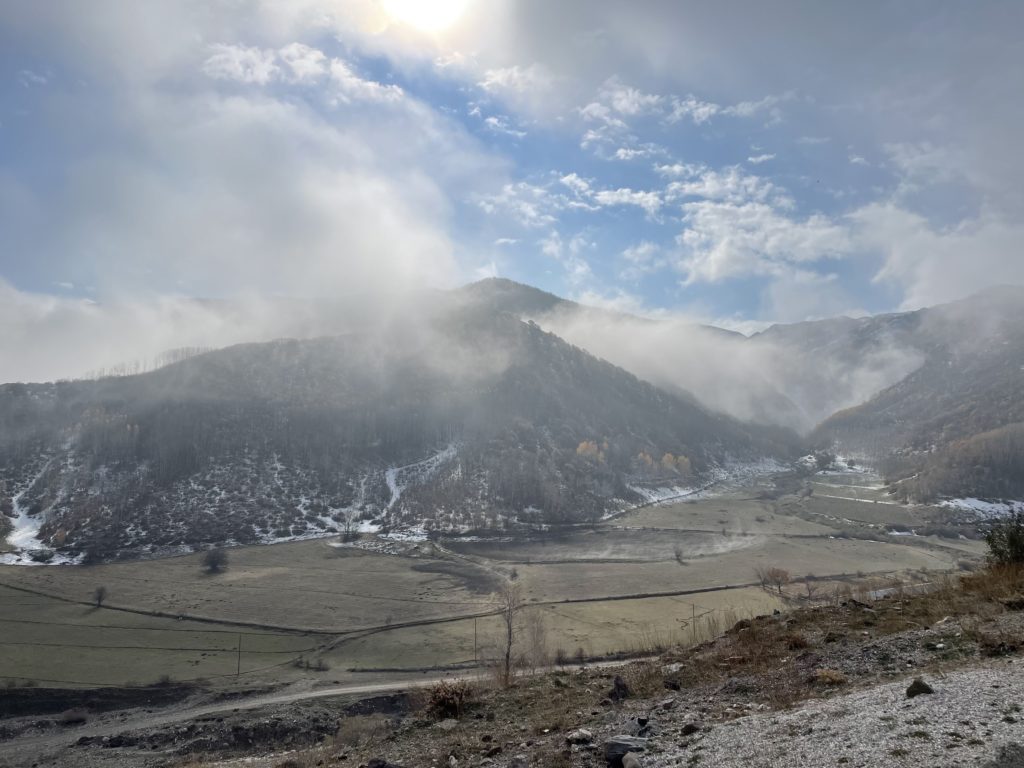
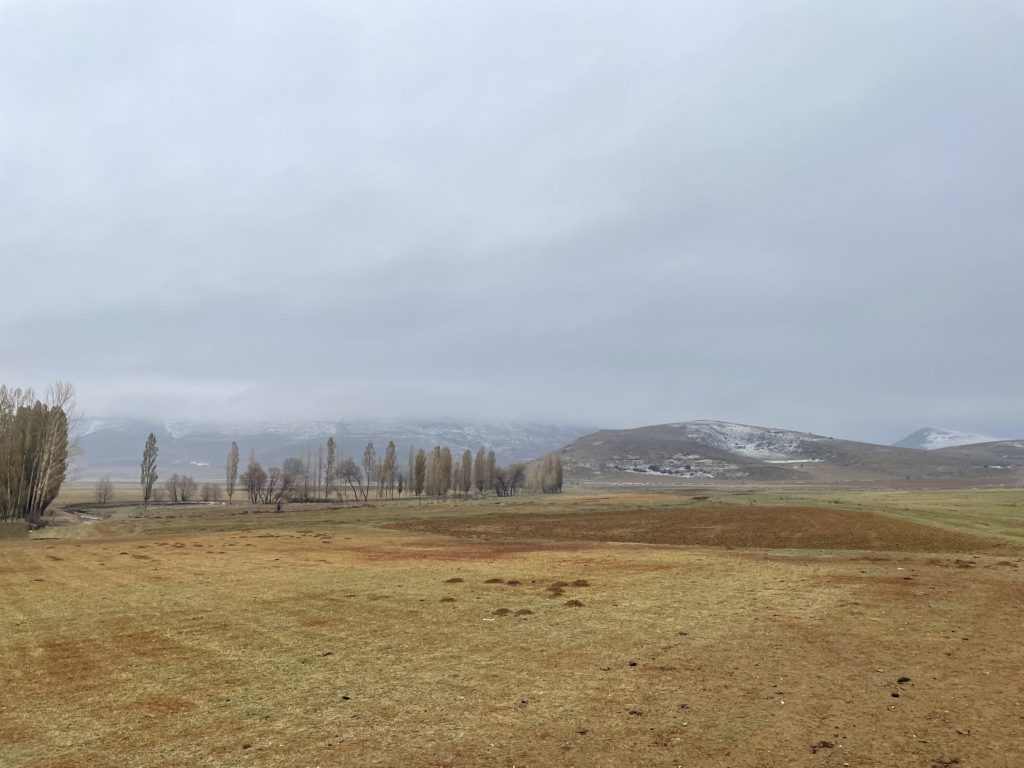
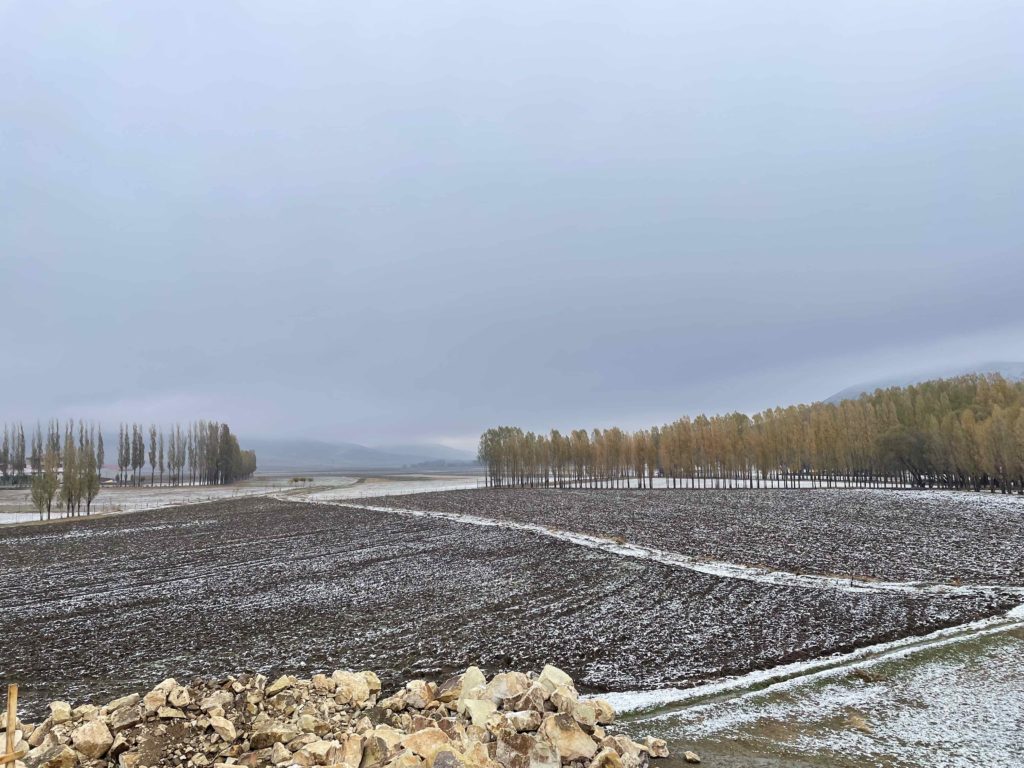
The geography reinforced these habits. Pulur stands at about 1,700 meters above sea level in a mountainous landscape. Winters can be severe. Temperatures in the district can drop to -20°C/-4°F. In a place like that, storage, endurance, animal husbandry, and practicality are not just habits; they are part of survival.

Like many villages in Turkey, Gökçedere changed over time because of migration. Many people left for larger cities in search of work, education, and different opportunities. Even so, villages like this preserve memory in a powerful way. Their past survives not only in records, but in names, habits, buildings, the landscape, and the way older traditions remain visible in ordinary life.

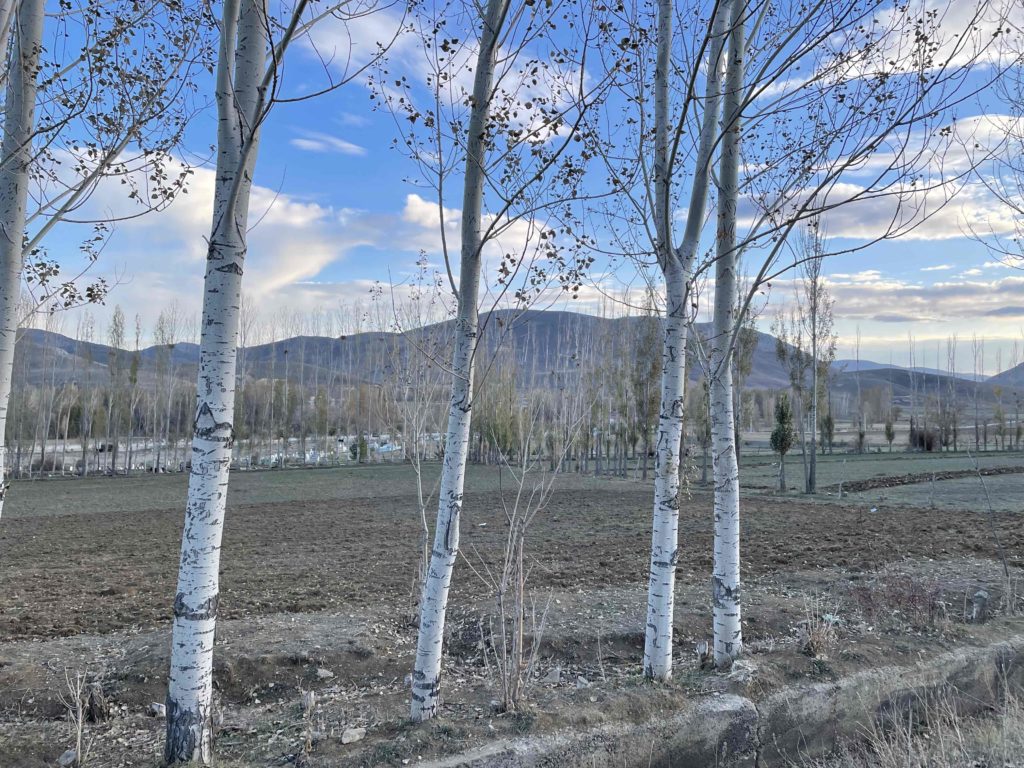
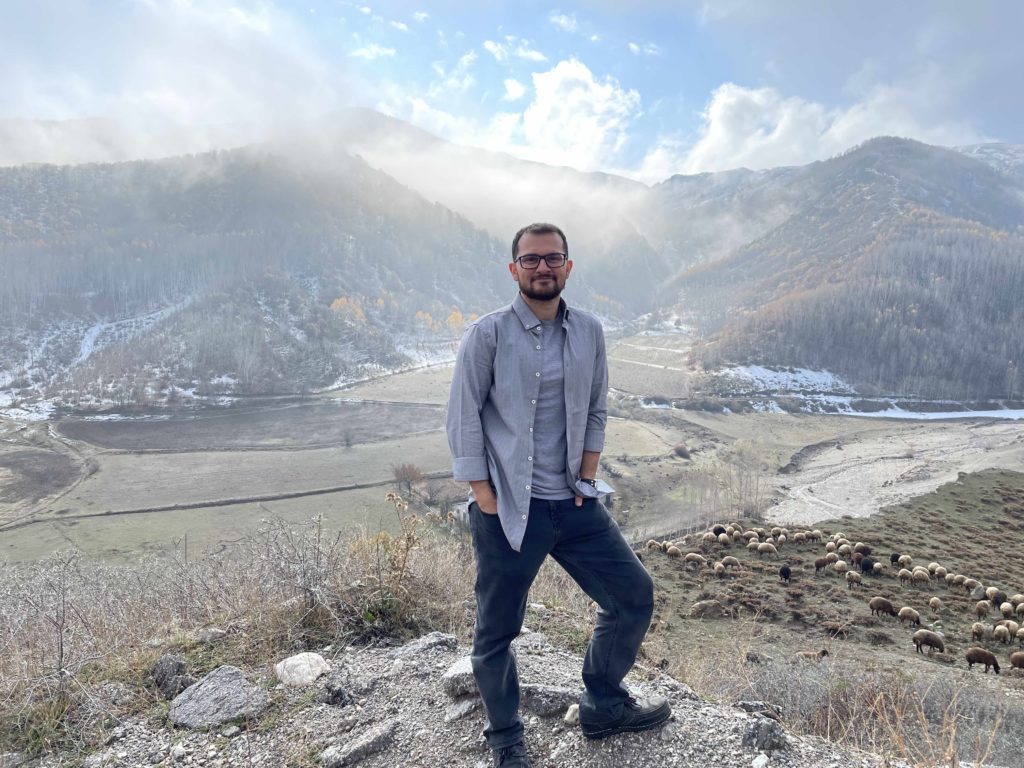
I took a couple of photos from the region.
Bayburt ShepherdBayburt Misty MountainsGökçedere ChickenGökçedere FieldsWild PearPoplar TreeGökçedere Winter SnowGökçedere MosqueBayburt Yusuf Aytaş