




Contents
Creation is the ultimate form of pursuing ourselves, giving to the world when shared, and using the power of our subconscious. It gives us joy and love, and to every artist, it is the ultimate (flow) state of happiness.
The act of creation is an outlet. It gives joy to us when we create something out of nothing.
Create like a kid in mind, exploring your thoughts, and see where it leaves you, as Picasso said: He wouldn’t have bothered to start a painting if he knew the outcome.
Create like a play1, flawless and free. Create calm like the water, flowing wherever your mind is going.
Create to fulfill yourself, your never-resting thoughts. Share it with the world. Create with joy and love in mind.
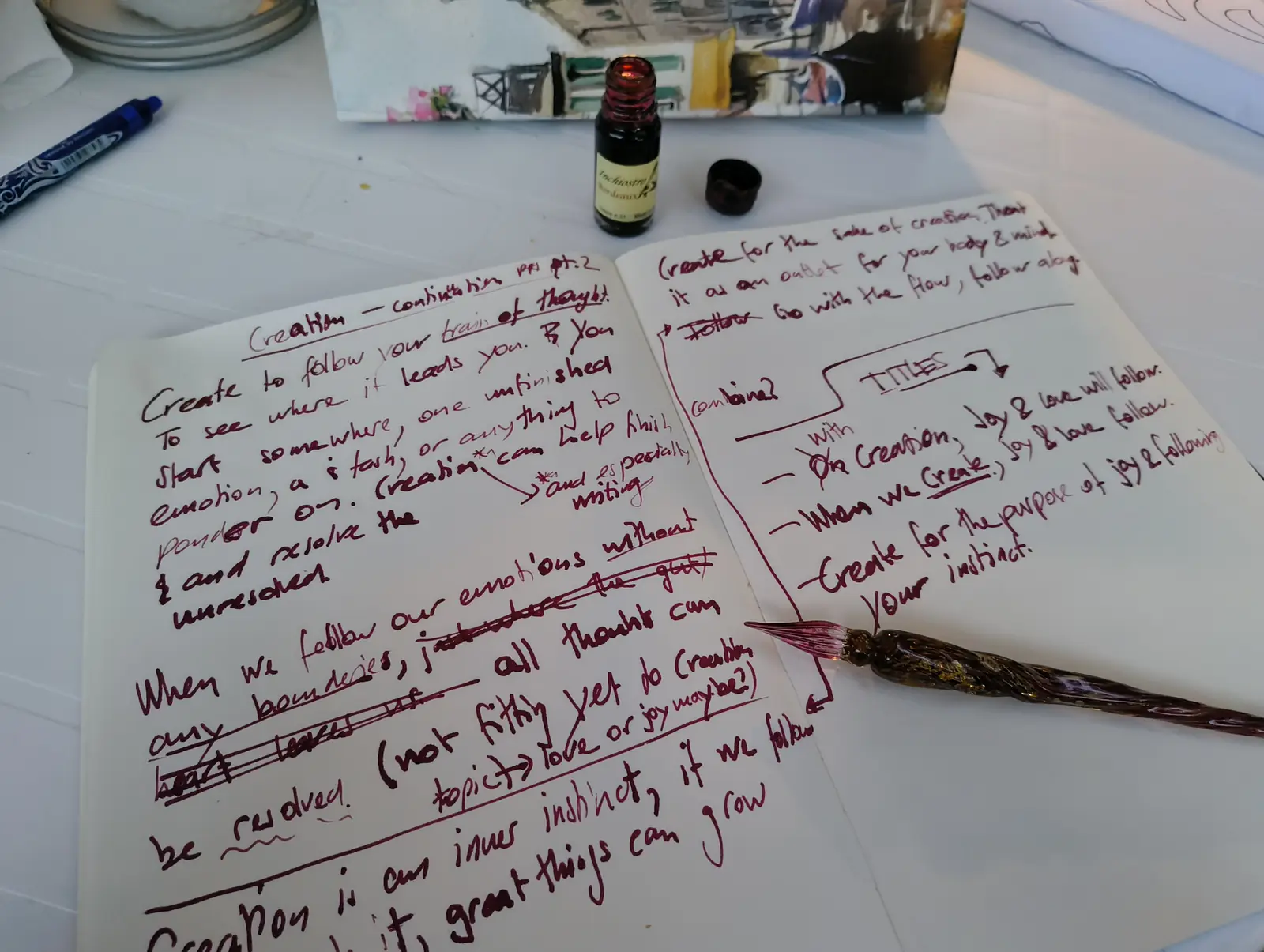
Create to follow your train of thought, to see where it leads you. You start somewhere, on an unfinished emotion, a task, or anything to ponder on. Creation, and especially writing, can help finish and resolve the unresolved.
Creating is also about making a difference. If nothing changes in people, no value was added by your creations, which can, and should, make a difference. But first, and foremost, create the change for yourself. If the process of creation does nothing for you, does not bring out any emotions, the creation might just not be right yet.
Create with love and empathy in mind. Liking someone is one thing, but giving love, caring for someone, and integrating that into your work is the ultimate way to create.
Create joy and laughter. Speak the language of people, make them happy by creating laughter.
When we follow our emotions without any boundaries, following our instincts, we get into a state of deep focus and deep concentration where all thoughts can be resolved.
Creation is our inner Instinct. If we follow and nourish it, great things can arise from it. Treat it as an outlet for your body and mind. Go with the flow, follow along. Create for the sake of creation.
The act of creation is following your own life rhythm, for example, the Pathless Path. It is the ultimate form of connecting with yourself.
All creation is unique, unique specifically to you as the creator, but also (hopefully) to the reader, viewer, or consumer of your work. And your creations live long after your death; others will connect and create new works from them. It’s giving joy after you’re gone.
Learn for Life, as I like to say, has been my earliest mantra when starting any of my creations shared online. The common definition of success is reaching a desired outcome. The Scientist’s definition of success is: if you learn something new, you haven’t failed, as Anne-Laure Le Cunff says on How to Design Tiny Experiments Like a Scientist.
For example, a scientist defines it like this: if you say you want to write more, instead of just writing, you define ‘I will write for at least one month, or at least 10 articles.’ And then you don’t stop before that. The success is not dependent on the outcome, but on the experience.
The act of creation is a slow process that needs time and experience. A slow life, an ordinary, boring life even, to focus on the details, using the craftsmanship refined over the years, and retrieving joy from the process of creation.
What matters is the quality and outcome we are proud to release to the world.
You create for yourself with nothing in return in mind, you just share it as a gift for the world, for anyone to consume.
Creation thought of as a gift is an easy way for you to create without the burden of pleasing people, as it’s take-it-or-leave-it, like a gift. No strings attached, just making gifts.
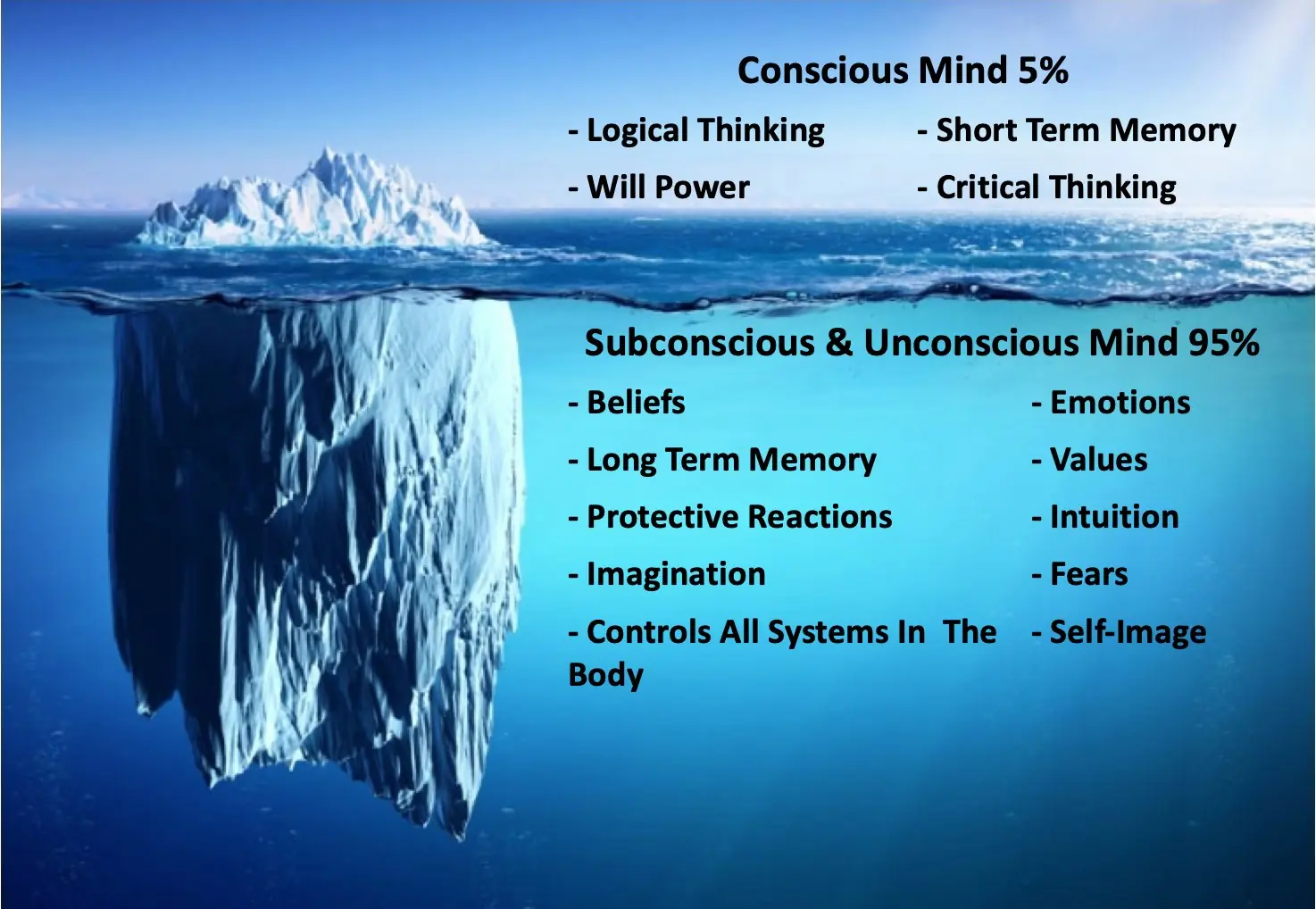
When we create, most of our subconscious is driving the thought. Just let it cruise and see what the outcome is. Use the conscious mind for fixing errors and making sure the sentences make sense later, but don’t start with it.
Swyx provided flairs for designs to add ease or user delight to your product. He called it “Spark Joy Philosophy”, which is very fitting when creating for the enjoyment of the reader.
To me, creation sparks joy for myself, it’s the outlet for me to release and organize my thoughts. It avoids the shallow happiness that I get from social media, binge-watching Netflix, or other brainless activities on the phone or TV. Sure, there’s time for that too, to calm down, but if we are not careful, it will take over and we default to always choosing the easy choice. Creating is hard, there’s friction, it does not directly work, but the reward is long-term, with deep happiness and a deep flow state: “It’s magical that they just tried to be there”, which is the highest form of happiness artists get (Artist’s Way) as we discovered in Finding Flow, with escaping digital distractions through deep work and slow living.
This article was created while reading How to Live by Derek Sivers in Cavallino, Italy.
Enjoyed this? Get the next one.
Data Engineering insights, note-taking, and reflections & learnings from life. No hype, genuine insights.
此内容由惯性聚合(RSS阅读器)自动聚合整理,仅供阅读参考。 原文来自 — 版权归原作者所有。