









a listening museum
scroll · スクロール ▼
一IOrigin起源 · 1989
Every platform at Shinjuku plays a different song when a train pulls in. There are sixteen platforms. The system started in 1989 with twelve.
A man called Minoru Mukaiya wrote about 170 of these. You haven't heard of him and that's fine, neither had I. He's 69, he's a jazz keyboardist, and he's the only composer still making new ones.
Most of this music will be gone within ten years. I tried to record what I could before it goes. Press play anywhere on the page.
I'd been hearing this music for years before I knew it had been written by someone. I think most people are like that. You stand on the Yamanote at Ebisu and there's a little tune, and you assume it's, what, a jingle. It isn't. Someone sat down with a piano and wrote it. There are about five hundred of these. They were not supposed to exist.
What happened is this. In the eighties Tokyo's platforms used the same noise every commuter station in Japan used: an electric buzzer that fired when a train pulled in. At Shinjuku, with twelve platforms running every two minutes, that's a lot of buzzers. JR East got complaints. So they called Yamaha and asked for something less awful. An engineer named Ide Yoshiaki wrote six pieces, seven seconds each, for piano and harp and bells. The math mattered: he tuned them so two stations next to each other wouldn't clash. Shinjuku and Shibuya went live on March 11, 1989. hear the 1989 archive
And then it stopped being about noise. I keep coming back to this part. People started recognising stations by the song. Not consciously. You'd doze off on the train and wake up because Mejiro doesn't sound like Sugamo, and your body knows. The thing JR had paid for to fix a noise problem was now doing something else entirely. It was telling you where you were.
By 2003 or so every Yamanote station had its own piece. There were five or six studios writing for the network now, possibly more, I lost track when I tried to count. No central commission had organised any of this; it just spread. Japanese has a word, oto fūkei (音風景) — it means something like "the way a place sounds." Tokyo had one of those by accident.
A buzzer says
"Here comes a train."
A melody says
"Here you are."
二IIThe Map地図 · live
loading…
HOW TO PLAY
Tap any yellow dot. The melody plays at once. Tap an operator on the left to filter the map by railway.
三IIIThe Composer作曲家 · 2009 →
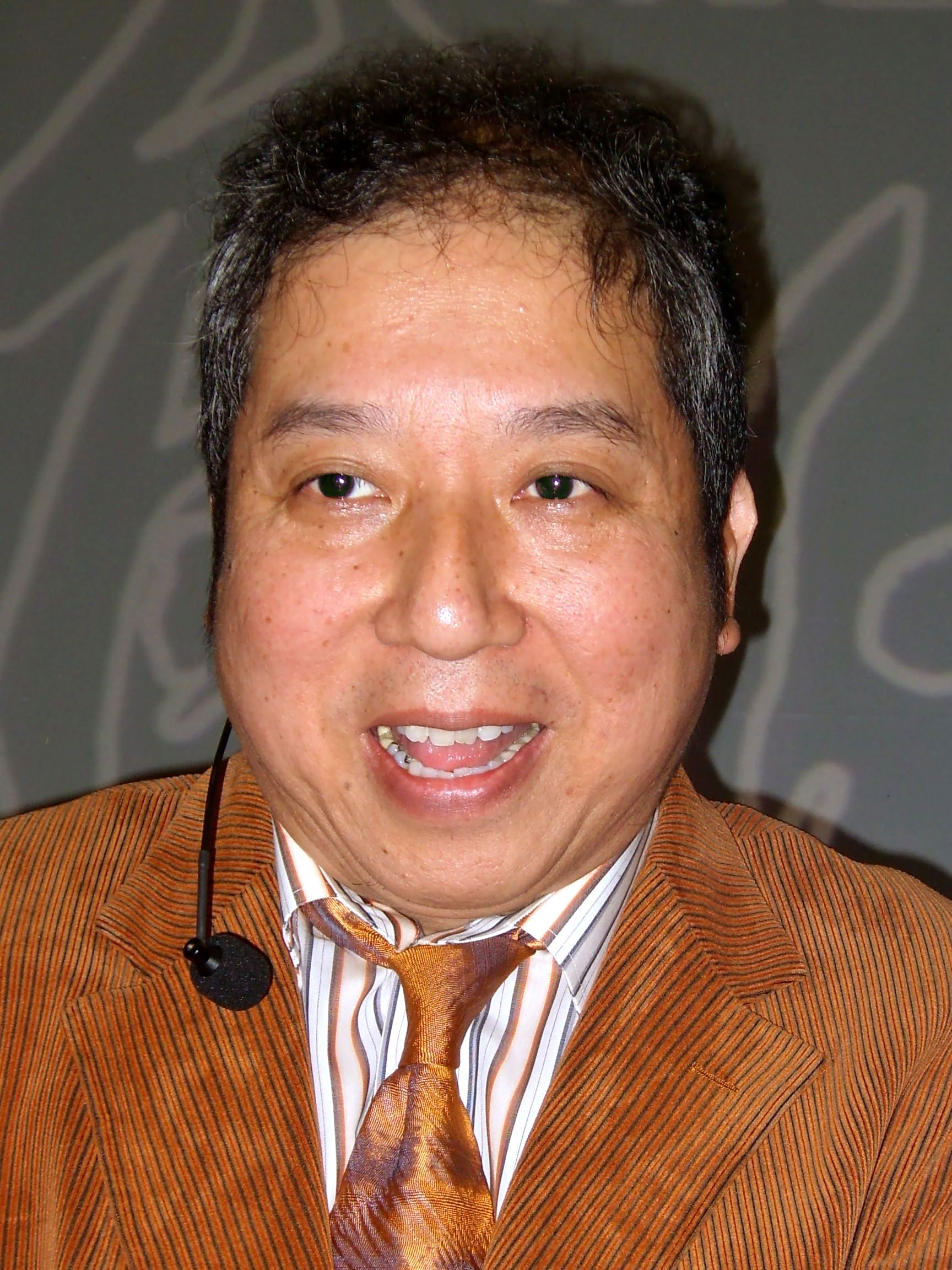 Mukaiya · Taipei, 2008
Commissioned works
Ex-Casiopea fusion-jazz keyboardist. Has been writing Tokyo station melodies since 2009. Still working.
170+pieces written
40years on the job
69years old
Mukaiya is a jazz keyboardist by trade. He joined Casiopea in 1977, which was a big deal in Tokyo at the time. They were probably the most successful jazz-fusion band Japan ever produced. He played the keyboard solos. If you've heard any Japanese eighties pop on the radio you've heard the sound he had a hand in: synths, bright, very clean, slightly silly in retrospect. Anyway, that was his day job for twenty years.
He started his own studio, Ongakukan, in 1985, and for a long time it did soundtrack work and product themes. The station commissions are a late chapter, not an early one. He wrote a piece called Tabidachi (Departure) for the Keisei Skyliner in 2009. Then Tokyu Toyoko, the line that runs between Shibuya and Yokohama, asked him for two pieces when they opened a new underground platform in 2013. He's gone back to that line every few years since. hear his 2025 Toyoko return
The thing that changes the field is 2015. Mukaiya goes to Tokyo Metro with an idea nobody had asked for. Instead of writing one station melody, what if he wrote two, in related keys, one for outbound trains and one for inbound. When two trains pull in at the same time, which on the Tozai Line happens often, the pieces harmonise. The platform becomes a duet, basically. Tokyo Metro said yes. He's now done twenty-three stations like that. hear the chain-song
And the commissions keep coming. Fukutoshin, bits of the Kyushu Shinkansen, the full Tokyu Meguro program in 2022, and last November a new one at Toyoko which is where he started. He's 69. I don't know how much longer he's planning to do this. Nobody else is.
He's the only major composer in this catalogue still writing new ones. When he stops, the catalogue stops growing. And when JR East finishes converting its lines to one-man operation without a platform attendant, most of the JR side of the catalogue stops mattering.
四IVThe Studios音楽工房 · seven dialects
Once you've listened to enough of them you realise there aren't five hundred unique sounds, really. There are seven. Each one is the house style of a specific studio, and after a while you can guess the studio from the first second. Click a card to filter the map. Press play to hear what I mean.
1989
YamahaYAMAHA
Pastoral. Slow. Hand-engineered. Six pieces. The first ones.
Piano with a Bell-Like RingIde Yoshiaki · 1989 Shinjuku archive
1990
Nippon Denon日本電音 · Unipex
The everyday voice of the Yamanote. The one you hear most.
Spring (春)Itagaki Makito · 50+ stations
2001
Sound Factoryサウンドファクトリー
The 2000s house style. Bright. Fast. Replaced Yamaha at most stations.
SF-3 · Station with a View of the ChurchFukushima Naoya
2005
Sound Forumサウンドフォーラム
Took over from Sound Factory. Often re-arranges classics.
Spring (New Ver.)Replaced Ide's 1989 original at holdout stations
2000s
Sakurai櫻井音楽工房 · Teichiku
Tokyo Metro's preferred studio. Calm. Almost lullaby.
Distant Blue Sky · 遠い青空Across Ginza · Marunouchi · Hibiya
1991
Eiraku Denki永楽電気
Music-box timbre. Childhood-folk. Like a wind-up toy slowing down.
AmaryllisSaitama · Tochigi
1985
Ongakukan音楽館 · Mukaiya
The independent. The only studio that signs its pieces.
A Day in the METROTozai Line · 23 stations
五VThe Lines路線 · one line, one voice
I thought, going in, that the melodies were per-station. They aren't, mostly. They're per-line. Ride the Yamanote and you're hearing one studio for thirty stops; switch to the Tozai and you're inside a Mukaiya program. The station is just where the song lives. The line is who chose it.
T
Tokyo Metro Tozai東京メトロ東西線Mukaiya's chain-song masterpiece. 23 stations, all playing the same harmonising pair.
—audio
G
Tokyo Metro Ginza東京メトロ銀座線Asia's first subway (1927). Sakurai Workshop pieces, renewed around 2012.
—audio
M
Tokyo Metro Marunouchi東京メトロ丸ノ内線Post-war flagship subway. Largest concentration of Sakurai pieces on the network.
—audio
Y
JR Yamanote山手線Tokyo's 35-km loop. 30 stations. The 1989 system was born here. One-operator trains by 2030, fully driverless by 2035.
—audio
A
Tobu Skytree東武スカイツリーラインAsakusa to Tobu Animal Park. Mostly Passenger. Kasukabe plays Crayon Shin-chan.
—audio
C
Keisei Main京成本線Ueno to Narita Airport. The Skyliner uses Mukaiya's 2009 Tabidachi theme.
—audio
H
Keio京王線Shinjuku to Hachioji. Approach melodies (not departure), 15 gotochi stations since 2011.
—audio
六VIGotochiご当地 · of this place
My favorite category, however, consists of the stations that break from the standard corporate repertoire. These are the gotochi (ご当地) melodies—local pieces tied to a station's specific history or surroundings. Instead of a standard Yamaha chime, you might hear the Astro Boy theme at Takadanobaba (home of Tezuka Productions) or the Crayon Shin-chan opening in Kasukabe (the show's setting). There are roughly forty such "specialty" stations in the Kanto region. They serve as sonic landmarks, turning a mundane commute into a brief moment of cultural recognition.
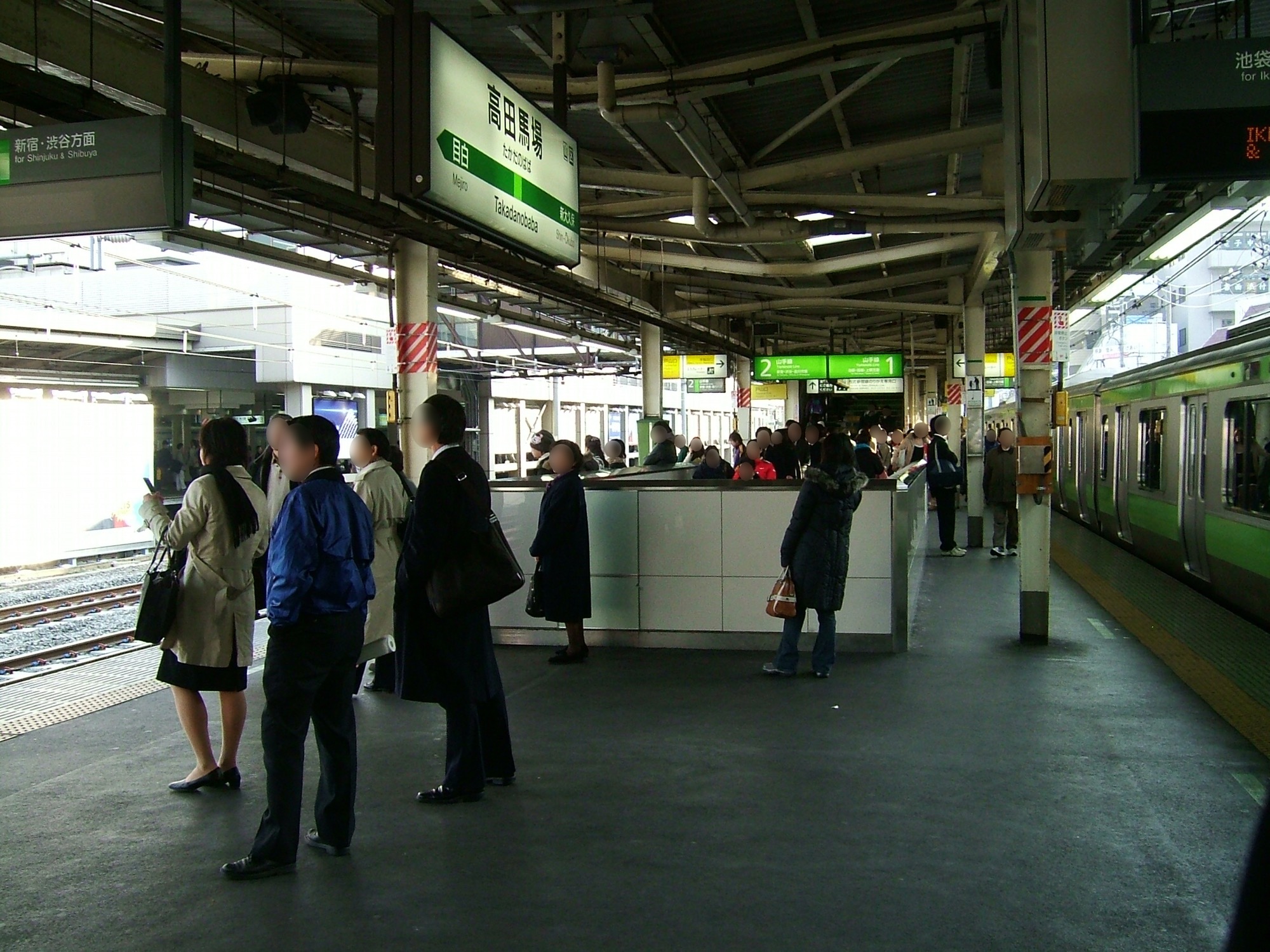
Yamanote · Seibu Shinjuku
Takadanobaba高田馬場
The theme song from the 1963 Astro Boy (Tetsuwan Atom) anime. Takadanobaba is the home of Tezuka Productions. JR East launched the melody on April 7, 2003, to commemorate the character's in-universe birthday. The Seibu Shinjuku line later adopted its own arrangement for the same station.
Tobu Skytree
Kasukabe春日部
Plays Ora wa Ninkimono, the Crayon Shin-chan opening. The show is set here. Five platforms, five tempo variants.
Keisei
Yotsugi四ツ木
Plays Moete Hero, the Captain Tsubasa opening. Author Yoichi Takahashi grew up around here, and the manga's stadium scenes are based on local pitches.
Keisei Main
Keisei-Ueno京成上野
Four platforms, four pieces. Art · Nature · History · Science. Composed and recorded by students and faculty of the Tokyo University of the Arts for the March 2019 renovation. A fifth piece, Journey, plays for the Skyliner.
Tobu · Tokyo Skytree
Tokyo Skytreeとうきょうスカイツリー
The Tobu station here was renamed from Narihirabashi to Tokyo Skytree on March 17, 2012, weeks before the tower itself opened. A new approach melody arrived with the rename.
Tokyo Metro Tozai
Ōtemachi大手町
Mukaiya's chain-song hub. A Day in the METRO outbound, Beyond the Metropolis inbound. Listen at rush hour.
Tokyu Toyoko
Shibuya渋谷
Toyoko's underground platform plays a Mukaiya piece installed November 2025. His second commission on the line where he started.
Keio
Chōfu調布
City of Chofu's own anthem. Picked by the municipality in 2012. One of the first Keio gotochi pieces.
七VIIOne-Man Operation (Wanman)ワンマン · 2025 → 2035
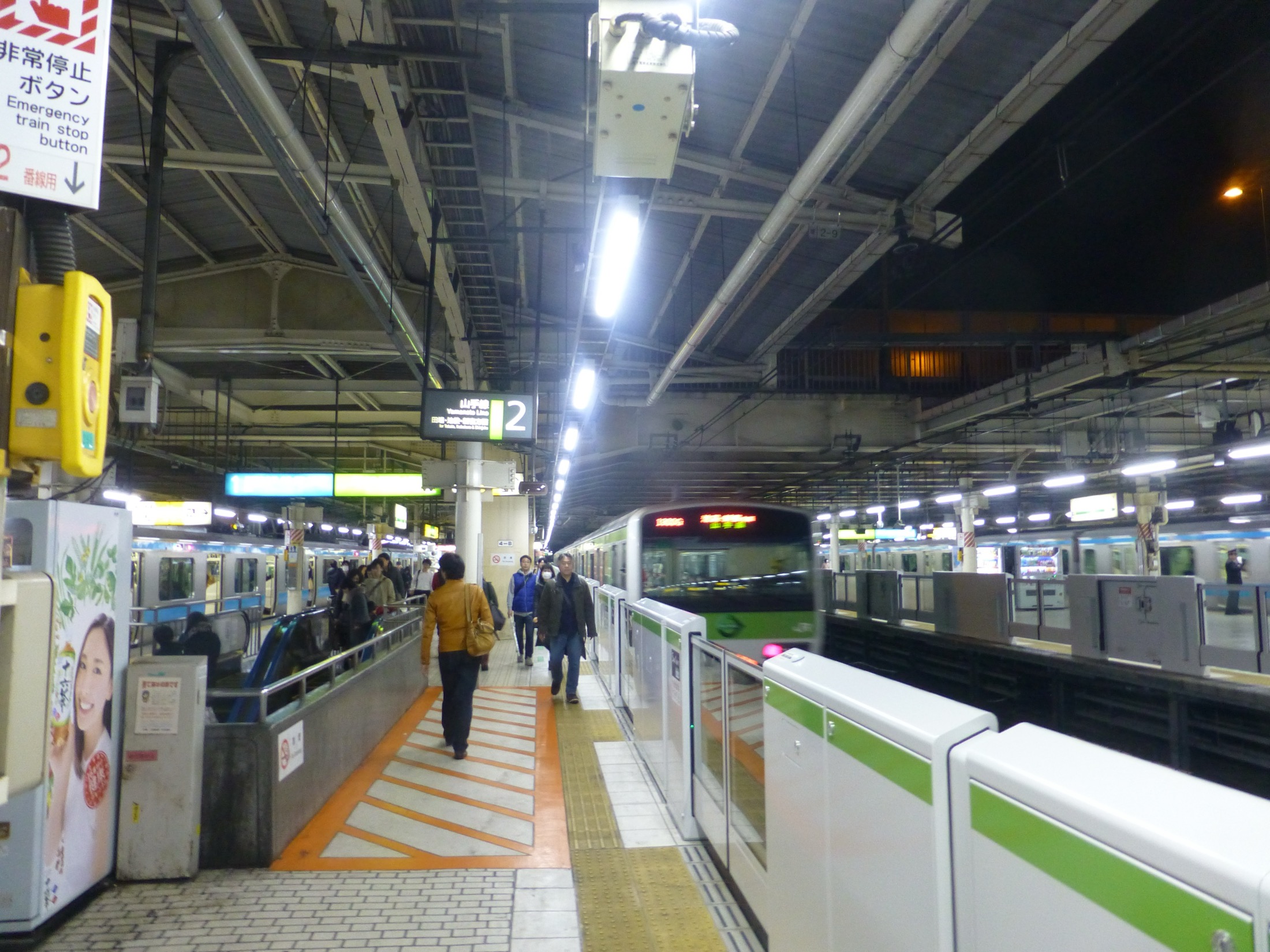
Here is the thing that is killing all of this, and it's worth being specific about it. The Japanese call it wanman, "one-man." A train run by the driver alone, no conductor. Tokyo Metro has run one-man operation for decades and the melodies on those lines still play, because Metro kept platform attendants or installed platform screen doors. The threat is specifically the way JR East is rolling it out from 2025 onward. No conductor, and no platform attendant either. Under the old two-person system, when a train pulled in the conductor stepped down onto the platform, waited for it to clear, signaled the driver to depart. The melody played during that wait. That was always its function: the song the conductor stood in. Cut the conductor with no attendant taking the role, and the song has nowhere to live. The driver doesn't get out. A short tone plays from the train's own PA instead, identical from station to station. The platform speakers stay bolted to the wall, wiring fine, hardware fine. Someone flips a setting on the network. That's all it takes.
Mar 2025
The Nambu Line went silent.
Tachikawa, Bubaigawara, and Musashi-Kosugi all lost their melodies when the line went to one-operator trains. The speakers are still bolted to the platforms. The switch is off.
Mar 2025
The Joban Local went silent.
The same conversion took the standard departure melodies between Ayase and Toride. None of them play any more.
Spring 2026
The Yokohama and Negishi lines are converting now.
JR East is swapping the platform melodies on the Yokohama side over May and June. The change is happening as this page goes live.
2027
The Saikyo and Sotetsu-direct lines are next.
Scheduled. No melodies have been pulled yet.
2028–29
Then Chūō-Sōbu and Musashino.
The yellow trains lose the distinct Capital-region pieces that played at their stations for two decades.
2030
The Yamanote goes one-operator.
Thirty stations on the loop where the whole system began in March 1989. The Yamaha pastorals from that month stop playing when the conversion hits.
2035
Driverless, by JR East's published target.
The driver goes too. The only sound a platform makes is the standard PA tone from the train itself.
242songs catalogued
2030most gone by
No farewell concert. No press release. The song plays for the 11:47 train, somebody hits a switch at 11:48, the 11:50 arrives to a generic chime. That's it. A piece of music has just ended. Maybe thirty years it was running. Nobody on the platform looks up. The composer, if there is one, hears about it weeks later, from a fan.
八VIIINow今 · before they're gone
If you're in Tokyo in the next few years and you care about hearing any of this, here's where I'd actually go. Not the famous stations. These.
Yamanote, once山手線 · 35 km loop
Ride the full circuit slowly, before 2030. Get off at seven stations: Akihabara, Takadanobaba, Ebisu, Shinjuku, Ueno, Komagome, Hamamatsuchō. Stand on the platform. Don't take the photo. Just listen.
Tozai, end to end東西線 · the duet line
Time a stop at Ōtemachi during rush hour. Two trains pull in. The melodies harmonise. This is intentional. Mukaiya did it on purpose.
Keisei-Ueno京成上野 · the suite
Stand on platform 1, then 2, then 3, then 4. The four pieces are a suite. Almost nobody realises this.
Kasukabe春日部 · Crayon Shin-chan
Wait for trains on platforms 1, 2, 3, 4, 7. The Crayon Shin-chan theme plays at five different tempos. The densest anime soundtrack in any Japanese station.
Takadanobaba高田馬場 · Astro Boy
Listen on the Yamanote. Walk across the station to the Seibu Shinjuku platform. The same theme, a different arrangement.
Yokohama / Negishi横浜・根岸線 · this season
If you only have an hour, go here. The conversion is already underway. Some of these stations will be silent within months.
I don't think you can really preserve a city's sound. A recording isn't the same as standing on the platform at 7:14 in the morning while it does it to you. The best you can do is show up while it's still happening.
The Data Drop is a weekly newsletter of strange, careful data stories. Tokyo bells today. Probably something else next Tuesday. About 4,000 readers.
此内容由惯性聚合(RSS阅读器)自动聚合整理,仅供阅读参考。 原文来自 — 版权归原作者所有。