
惯性聚合 高效追踪和阅读你感兴趣的博客、新闻、科技资讯
阅读原文 在惯性聚合中打开

推荐订阅源

GbyAI
GbyAI
WordPress大学
WordPress大学
D
DataBreaches.Net
腾讯CDC
小众软件
小众软件
B
Blog RSS Feed
freeCodeCamp Programming Tutorials: Python, JavaScript, Git & More
T
The Blog of Author Tim Ferriss
MongoDB | Blog
MongoDB | Blog
U
Unit 42
Y
Y Combinator Blog
V
V2EX
I
InfoQ
D
Docker
量子位
N
Netflix TechBlog - Medium
Recent Announcements
A
About on SuperTechFans
博客园 - 叶小钗
大猫的无限游戏
大猫的无限游戏
OSCHINA 社区最新新闻
OSCHINA 社区最新新闻
B
Blog
阮一峰的网络日志
阮一峰的网络日志
MyScale Blog
MyScale Blog

Ars Technica - All content

Pentagon wants $54B for drones, more than most nations’ military budgets Mozilla: Anthropic's Mythos found 271 security vulnerabilities in Firefox 150 Supreme Court arguments make it clear that FCC fines are "nonbinding" Silo S3 teaser hints at the wasteland's origins Framework's CEO on the RAM crisis and creating a "MacBook Pro for Linux users" Florida probes ChatGPT role in mass shooting. OpenAI says bot "not responsible." Report: Meta will train AI agents by tracking employees' mouse, keyboard use Microsoft removes Call of Duty from Game Pass, lowers subscription pricing Framework Laptop 13 Pro is a major overhaul for the modular, upgradeable laptop Framework Laptop 16 upgrades make it look less like an unfinished prototype Internal emails show how Amazon raises prices across the Internet, lawsuit says Anthropic gets $5B investment from Amazon, will use it to buy Amazon chips CATL's new LFP battery can charge from 10 to 98% in less than 7 minutes AMD Ryzen 9 9950X3D2 Dual Edition review: Tons of cache for tons of dollars What's the deal with spacesuits for the Moon? Will they be ready in time? Loneliness in older adults can often lead to memory impairment Contrary to popular superstition, AES 128 is just fine in a post-quantum world Pentagon pulls the plug on one of the military's most troubled space programs John Ternus will replace Tim Cook as Apple CEO Blue Origin's rocket reuse achievement marred by upper stage failure I’ve fired one of America’s most powerful lasers—here’s what a shot day looks like Great white sharks are overheating US-sanctioned currency exchange says $15 million heist done by "unfriendly states" Man with @ihackedthegovernment Instagram account tells judge, “I made a mistake" Trump picks qualified, normal health leader to head CDC; experts still cautious $25,000 buys plenty of used EVs: Here are some options Satellite and drone images reveal big delays in US data center construction Amazon won’t release Fire Sticks that support sideloading anymore Ridley Scott's post-apocalyptic The Dog Stars drops first trailer Artemis II pilot talks about what it was really like to fly and land in Orion
We're starting to see some PC makers respond to Apple's M...
Andrew Cunningham · 2026-05-27 · via Ars Technica - All content

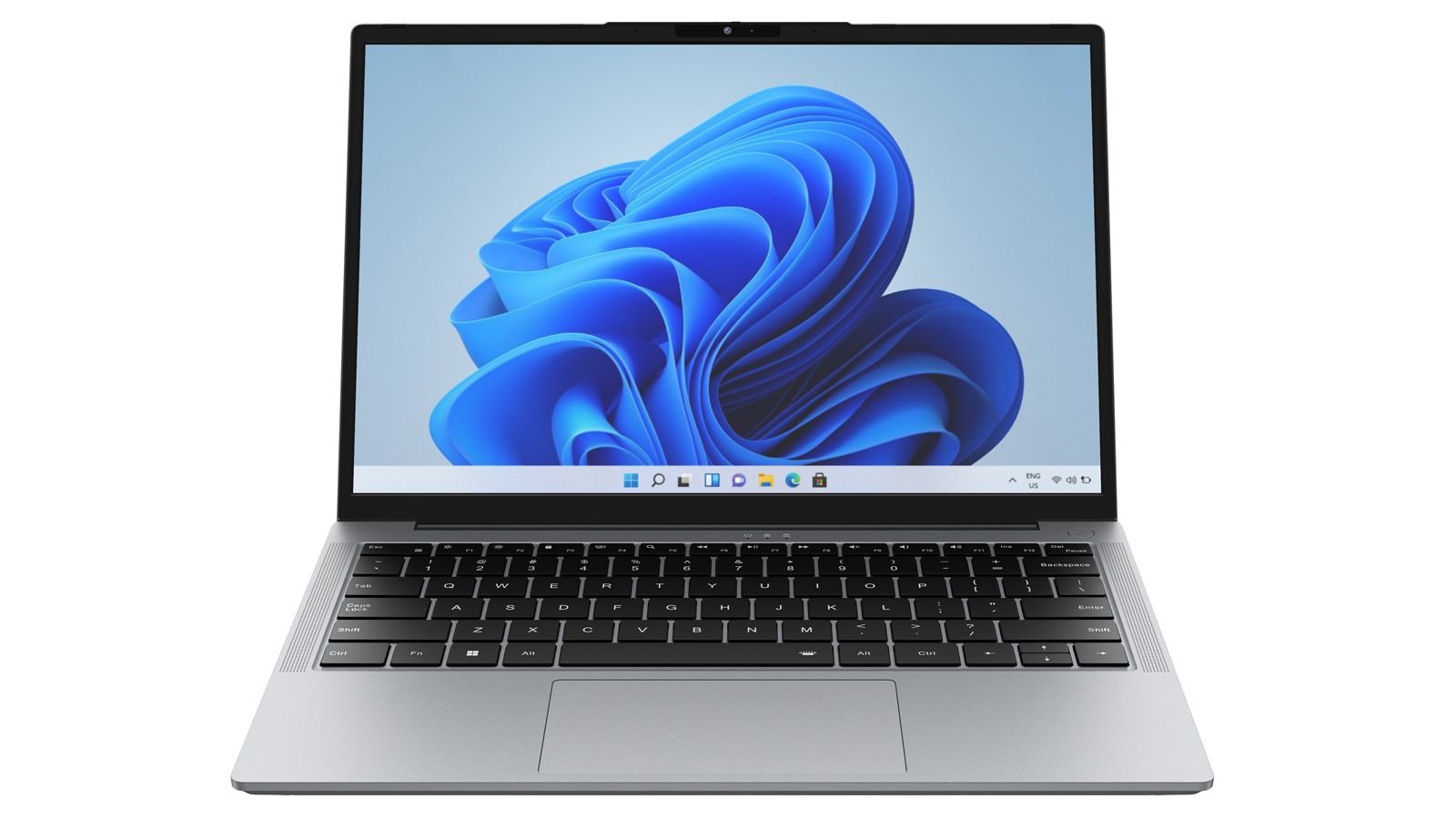
Chuwi’s $449 “Unibook,” a blessedly nondescript laptop that looks good on paper but may or may not work out in real life.

Credit: Chuwi

Chuwi’s $449 “Unibook,” a blessedly nondescript laptop that looks good on paper but may or may not work out in real life. Credit: Chuwi

Chinese electronics manufacturer Chuwi contacted Ars about one aggressively priced Wildcat Lake laptop, a device called the “UniBook,” with a Core 3 304 processor, a 14-inch 1200p IPS display, a backlit keyboard, 8GB of RAM, 256GB of storage, and more ports than the MacBook Neo, for an advertised price of $449. The spec sheet tells us nothing about how this laptop will feel to use, how it will hold up over time, or its US availability (a handful of Chuwi devices are available through Amazon, and the company sells some through its online store). But something with roughly these specs at around this price is what we’d like to see in true purpose-built MacBook Neo competitors from the PC companies.

A little help from Intel?

Along with several of these Wildcat Lake systems, Intel’s Chinese arm recently announced something called “Project Firefly.” Firefly appears to be an Intel initiative to reduce costs and manufacturing complexity by providing PC makers with more reference designs. These wouldn’t take all the design decisions out of the manufacturers’ hands, but by standardizing on things like motherboard layout and thermal specifications, they could potentially save companies money on development that could then be passed down to customers; the first laptop to take advantage of Project Firefly will be Lenovo’s Lecoo Air 14, but it’s unclear whether or when we’ll see these laptops in the US.

Intel has put its thumb on the scale of the PC industry before, occasionally offering savings or subsidies to companies that use its specs. Intel incentivized the development of MacBook Air-style thin-and-lights in the early 2010s with its Ultrabook program, and before that, it incentivized the adoption of Wi-Fi in consumer laptops with its Centrino branding.

One key difference here is that $500-and-below PC laptops have existed for decades; the issue is that these systems are usually saddled with undesirable compromises, or only dip into that price range when they’re on sale, or are just generally low-quality and unpleasant to use. And when these companies do make a good low-end or midrange laptop, it’s not a guarantee that that laptop’s successor will also be good in the same ways. Intel might be able to help with the pricing, but it remains to be seen if it can help with availability or consistency.