








Samuel Beek knew he had a problem when he blew every fuse in his house. The culprit was an electric door opener he had built himself, guided by instructions for wiring and piecing together a device drummed up by ChatGPT. Turns out, the chatbot wasn’t so great at distinguishing between wet and dry connections, so the device he had built sent out a surge of misallocated power that zapped everything else. Oops.
Beek, based in Amsterdam, admits he is not a hardware guy. But he had that itch and now really just wanted to make something that wouldn’t explode.
“That's the difference: Your fuses blow out, or you have a solid product,” Beek says. “That was kind of a learning experience for me to be more careful, but also to build AI that deeply understands what it's talking about.”
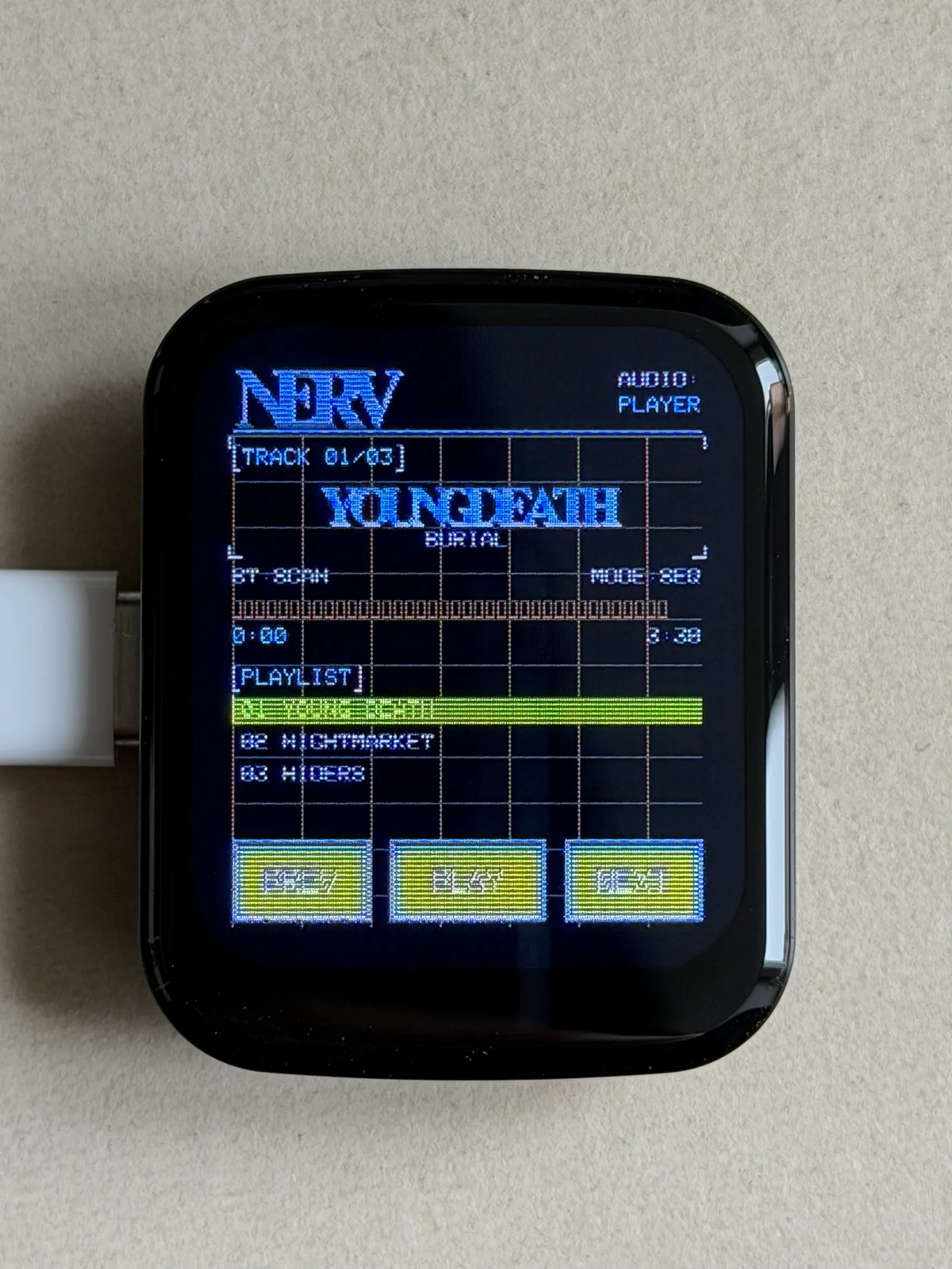
An audio player Marc Vermeeren built using Schematik.
Photograph: Marc VermeerenHe switched his requests to Anthropic’s Claude, then rejiggered that into an assistant program he calls Schematik and has described, over and over again, as “Cursor for Hardware.”
The idea of Schematik is essentially vibe coding for physical devices. Tell the program what you want to make, and it will suggest just about everything you need to build it out in the real world and share links to where you can buy the individual wires and pieces. Then, it will serve as a guide for putting it all together. Beek plans to make money off it eventually and is working on getting investors. (It just got $4.6 million from venture capitalist firm Lightspeed Venture Partners.) But you can go use it to build something right now.
When Beek posted on X about the idea in February, it got lots of traction. Other tinkerers gave it a shot, describing what they wanted to make and then building it out. Marc Vermeeren, who leads branding at N8N, a European AI company, says he has made several devices, from an MP3 player to a Tamagotchi-style bot called Clawy that helped him manage Claude coding sessions. (Other people have created their own takes on the design, like a Clawy that looks like Paulie Walnuts from The Sopranos.)
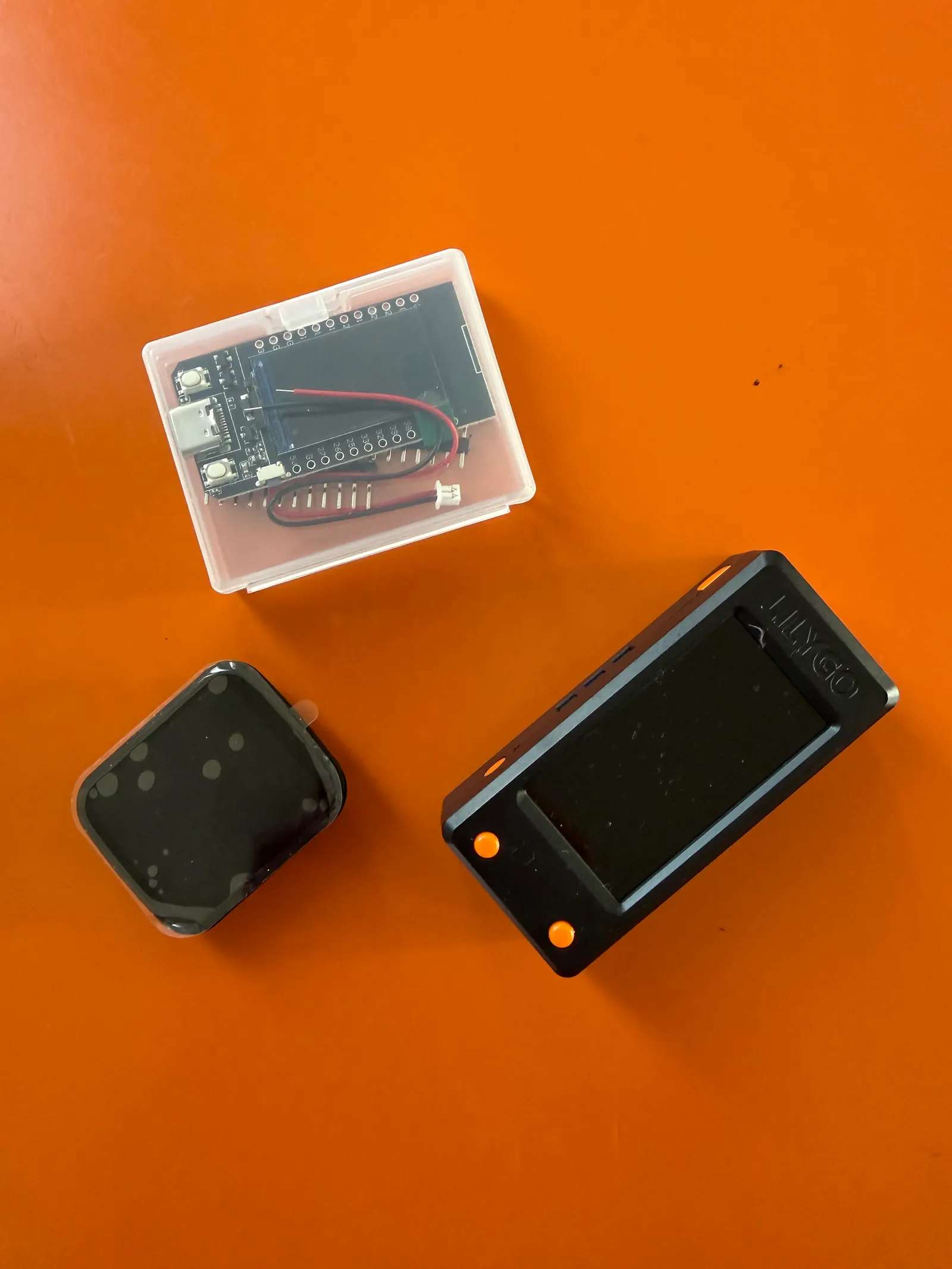
The parts Vermeeren used to bring his ideas to life.
Photograph: Marc Vermeeren“There's no blocker for your creativity anymore,” says Vermeeren, who is now also investing in Schematik. “That's why I'm so excited about it and building stuff constantly.”
He’s not the only one. On Thursday, Anthropic engineer Felix Rieseberg posted on X to announce that Anthropic has now enabled “a little Bluetooth API for makers and developers, allowing you to build hardware devices that interact with Claude.” He also shared a picture and a GitHub link for a device that looks very similar to Vermeeren’s Clawy, though Rieseberg and Anthropic did not reply to WIRED’s request for comment about whether it was directly inspired by Beek’s or Vermeeren’s work.
“If I inspired someone with it, I’m proud,” Vermeeren says. “If Anthropic built an official feature because of it, I’m even prouder.”
Just about every AI tech company seems to be making some kind of hardware device, whether it’s a giant like OpenAI, the big chipmakers, or more niche wearables. Beyond that, there have always been crowds of tinkerers and makers looking to build tech, whether it’s to turn vapes into synthesizers or push back against ICE.
“The big problem in hardware is that it's very gatekept and that very few people can do it,” Beek says. “I really hope that my tool can help enable more people to build, either with the tool or to learn how to build hardware through the tool.”
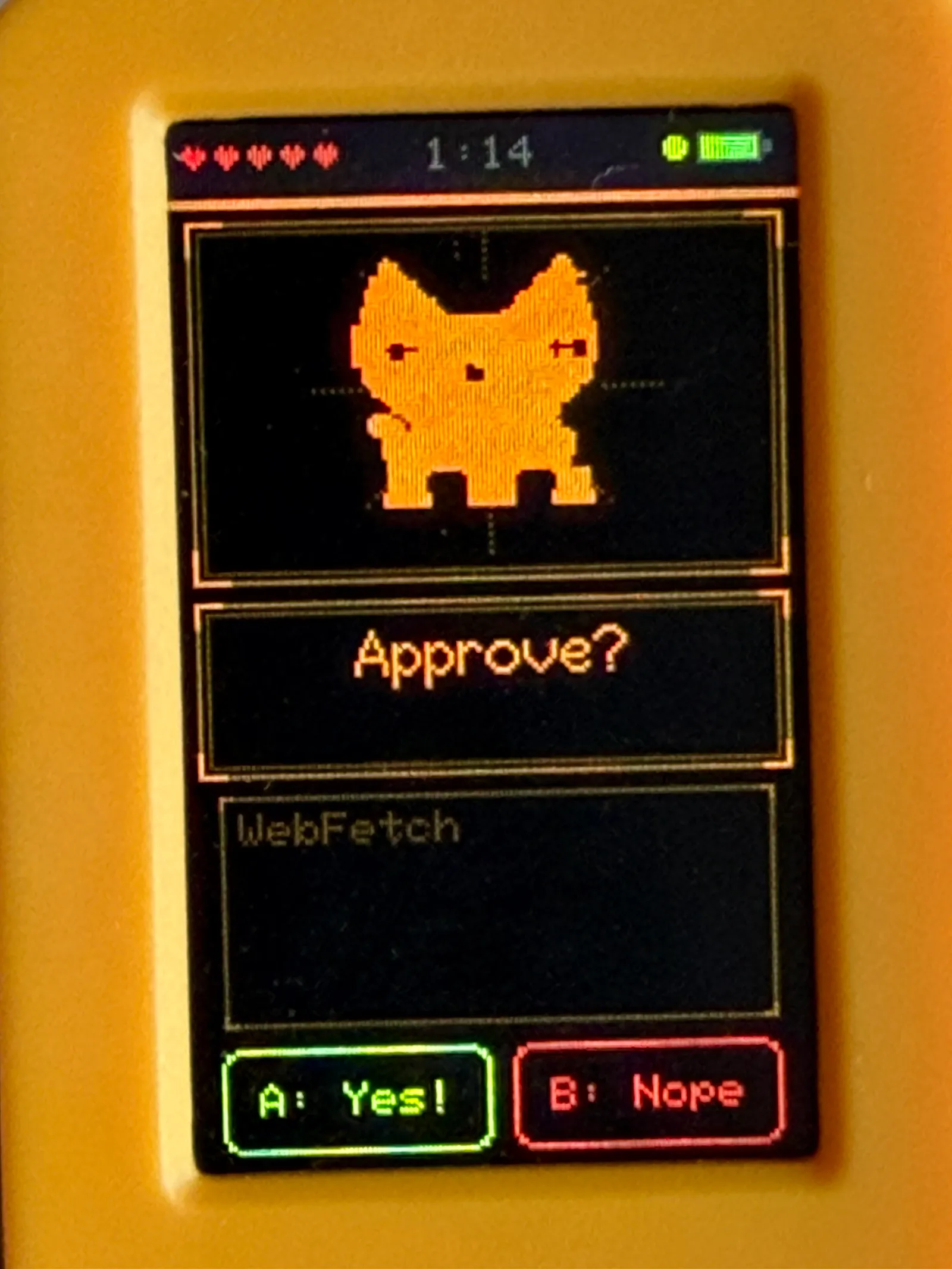
The Tamagotchi-style device Vermeeren built, called Clawy, to help manage Claude coding sessions.
Photograph: Marc VermeerenVibe coding in software has its own sort of bad rap, given that it can lead to big vulnerabilities in software. It’s possible that vibe coding hardware gets to that point too, or devolves into a slog of infinite hardware-slop.
“With languages or images, LLMs are much more subjective about what’s right or wrong,” Beek says. “The nice thing about electronics is that it's pure physics, so you can actually check.”
Beek says he wants to make sure that Schematik won’t help people make anything that will actually blow up. The service currently only helps build devices on lower-voltage architecture, three or five voltages at most. That should be enough to power internet of things devices or gadgets like music players. (Beek does say that the ultimate goal is making humanoids one day.)
“I think this is a promising direction and where we need to go,” says Kyle Wiens, CEO of iFixit, which tears down devices to gauge how repairable they are. He says he hasn’t used Schematik but thinks it could be useful. He notes that electronics design can be very complex, often requiring sorting through many different SKUs and ensuring compatibility of all the pieces. “That is just a super hard problem,” Wiens says. “This kind of scale is the sort of thing that AIs are good at.”
“The last five years, actually, in software have been incredible; everything has become so easy and fast,” Beek says. “In hardware, everything is still the same as it was in the past 10, 20 years. There was very little change, and there were very little advancements with AI.”
此内容由惯性聚合(RSS阅读器)自动聚合整理,仅供阅读参考。 原文来自 — 版权归原作者所有。