





Data center projects have faced resistance from residents and communities over their impact on power prices, but another complaint is being raised more frequently — noise pollution. One form of sound pollution is called infrasound, which is inaudible to humans but can be felt, and some claim it causes headaches, insomnia, nausea, and anxiety. Then there's the normal garden-variety sound pollution. The Environmental and Energy Study Institute (EESI), a non-profit organization, said that high- and low-frequency sounds emitted by these industrial sites can be heard and felt for hundreds of feet in surrounding areas, with noise levels reaching as high as 96dB for 24 hours a day and seven days a week.
Infrasound is another complaint that researchers are studying. Heatmap Plus reports that this is the phenomenon of frequencies so low they’re inaudible to humans. Nevertheless, some people can feel it, and there have been claims linking them to various negative health effects such as headaches, insomnia, nausea, and anxiety. Infrasound and its effects need further study, but it’s one of the issues local governments have been raising as they place a moratorium on data center projects. If you expand the tweet below, the embedded video includes a recording of the sounds emanating from an AI data center.
🦔Residents living near AI data centers are reporting constant low-frequency hum measured as infrasound, sound below the human hearing threshold that causes dizziness, nausea, vertigo, and sleep disruption. The noise comes from cooling systems and onsite gas turbines hyperscalers… pic.twitter.com/6tqjkrGiJ4May 8, 2026
Normal noise pollution remains an issue, and communities living near off-grid data centers that generate their own power have it the worst. These sites generate their own power, typically using natural-gas-powered turbines — essentially jet engines bolted to the floor and used to turn generators that produce electricity. Aside from pollution concerns, such as those raised by residents around Elon Musk’s Colossus Supercomputer, which used over 30 mobile gas turbines for power, these turbines can be as loud as a passenger jet, making the site sound as loud as an airport. What’s worse is that, unlike backup generators, which only operate occasionally, these machines run continuously, meaning nearby communities will lose the peace of the neighborhood as long as these data centers operate.
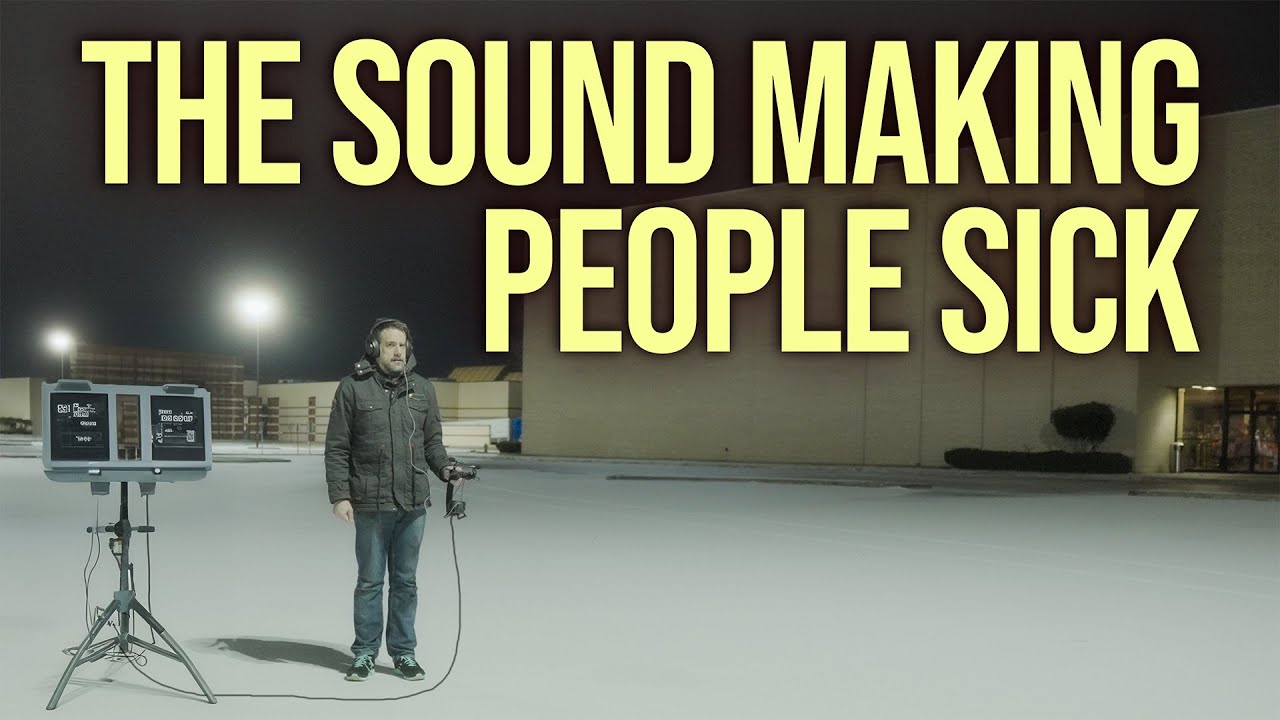
The Controversial Sound Only 2% Of People Hear - YouTube
A single modern AI GPU is estimated to consume up to 3.7 MWh of power annually, and with each server rack containing multiple AI GPUs, that means that it consumes a lot of electricity just to keep it running. This also means they generate a lot of heat — so these systems must be cooled to operate efficiently. Cooling accounts for nearly 40% of data center power use, and it’s also another major source of noise pollution, especially if a site relies on air-cooling. Although a single fan might not make much noise, the scale at which they’re deployed is starting to have a noticeable impact on the sound level they generate.
The noise from industrial-grade backup generators compounds this. On-grid data centers require constant power levels to operate at 100%; that’s why most, if not all, of these projects have on-site diesel backup generators. If you have a small diesel generator at home, you know how much noise it makes just to deliver a small amount of electricity. Now, scale that up to data center levels, and you’re looking at multiple generators with massive outputs. The noise output from these machines can reach 105dB, louder than a snowmobile and as intense as a car horn at full tilt.
These are meant to run when there’s limited to no power supply, but that is not limited to blackouts. Electricity providers can also reduce the amount of power they deliver to a data center during peak hours, meaning the site’s backup power supply will have to take over to ensure that it operates at full capacity even with less power from the utility company. Aside from that, it must also be tested for up to 50 hours annually, meaning the community surrounding the data center can expect these noises to come on at any time.
The United States does not lack flat, open land away from population centers on which to build data centers. However, AI hyperscalers prefer to locate their campuses near existing infrastructure so they don’t have to spend massive amounts of time and resources building everything from scratch. A few data centers are being built on former industrial sites, like shuttered factories and abandoned paper mills, but there are not enough of these around for the number of projects being proposed and built. As the negative effects of building these sites too close to population centers are slowly being revealed, we expect opposition to these projects to keep increasing.

Follow Tom's Hardware on Google News, or add us as a preferred source, to get our latest news, analysis, & reviews in your feeds.