惯性聚合 高效追踪和阅读你感兴趣的博客、新闻、科技资讯
阅读原文 在惯性聚合中打开

推荐订阅源

酷 壳 – CoolShell
酷 壳 – CoolShell
H
Hacker News: Front Page
P
Palo Alto Networks Blog
T
ThreatConnect
Apple Machine Learning Research
博客园_首页
T
True Tiger Recordings
P
Privacy & Cybersecurity Law Blog
B
Blog
IT之家
IT之家
Last Week in AI
Last Week in AI
F
Full Disclosure
Hacker News: Ask HN
Hacker News: Ask HN
C
Comments on: Blog
Microsoft Azure Blog
C
Cybersecurity and Infrastructure Security Agency CISA
Microsoft Security Blog
博客园 - 【当耐特】
N
News and Events Feed by Topic
NISL@THU
NISL@THU
腾讯CDC
雷峰网
雷峰网
Security Latest
Security Latest
李成银的技术随笔
M
Microsoft Research Blog - Microsoft Research
L
LangChain Blog
L
Lohrmann on Cybersecurity
cs.CL updates on arXiv.org
C
Check Point Blog
Y
Y Combinator Blog
Recent Announcements
博客园 - Franky
N
News | PayPal Newsroom
V
V2EX
A
About on SuperTechFans
The Register - Security
月光博客
月光博客
奇客Solidot–传递最新科技情报
奇客Solidot–传递最新科技情报
Google Online Security Blog
MyScale Blog
MyScale Blog
Cisco Talos Blog
Cisco Talos Blog
Vercel News
Vercel News
WordPress大学
WordPress大学
C
Cyber Attacks, Cyber Crime and Cyber Security
The Hacker News
The Hacker News
IntelliJ IDEA : IntelliJ IDEA – the Leading IDE for Professional Development in Java and Kotlin | The JetBrains Blog
爱范儿
爱范儿
A
Arctic Wolf
L
LINUX DO - 最新话题
freeCodeCamp Programming Tutorials: Python, JavaScript, Git & More

Check Point Research

18th May – Threat Intelligence Report Thus Spoke…The Gentlemen 11th May – Threat Intelligence Report The State of Ransomware – Q1 2026 4th May – Threat Intelligence Report VECT: Ransomware by design, Wiper by accident 27th April – Threat Intelligence Report 20th April – Threat Intelligence Report DFIR Report – The Gentlemen & SystemBC: A Sneak Peek Behind the Proxy 13th April – Threat Intelligence Report 6th April – Threat Intelligence Report Operation TrueChaos: 0-Day Exploitation Against Southeast Asian Government Targets ChatGPT Data Leakage via a Hidden Outbound Channel in the Code Execution Runtime 30th March – Threat Intelligence Report AI Threat Landscape Digest January-February 2026 23rd March – Threat Intelligence Report 16th March – Threat Intelligence Report “Handala Hack” – Unveiling Group’s Modus Operandi Iranian MOIS Actors & the Cyber Crime Connection 9th March – Threat Intelligence Report Silver Dragon Targets Organizations in Southeast Asia and Europe 2nd March – Threat Intelligence Report Caught in the Hook: RCE and API Token Exfiltration Through Claude Code Project Files | CVE-2025-59536 | CVE-2026-21852 2025: The Untold Stories of Check Point Research
Interplay between Iranian Targeting of IP Cameras and Physical Warfare in the Middle East
2026-03-04 · via Check Point Research

Key Findings

  • During the ongoing conflict, we identified intensified targeting of IP cameras from two manufacturers starting on February 28, originating from infrastructure we attribute to Iranian threat actors.
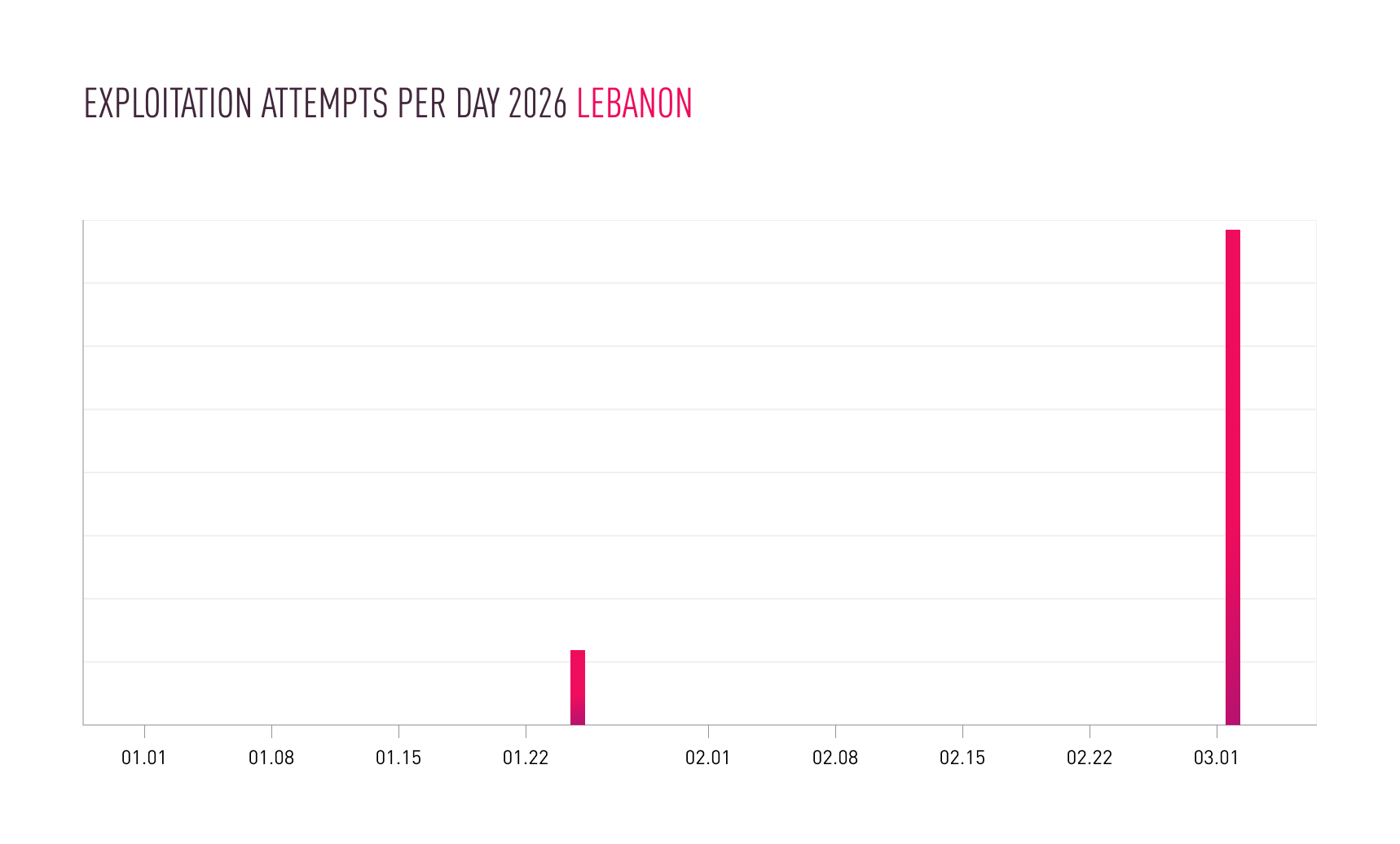
  • The targeting extends across Israel, Qatar, Bahrain, Kuwait, the UAE, and Cyprus – countries that have also experienced significant missile activity linked to Iran. On March 1st, we additionally observed camera-targeting activity focused on specific areas in Lebanon.
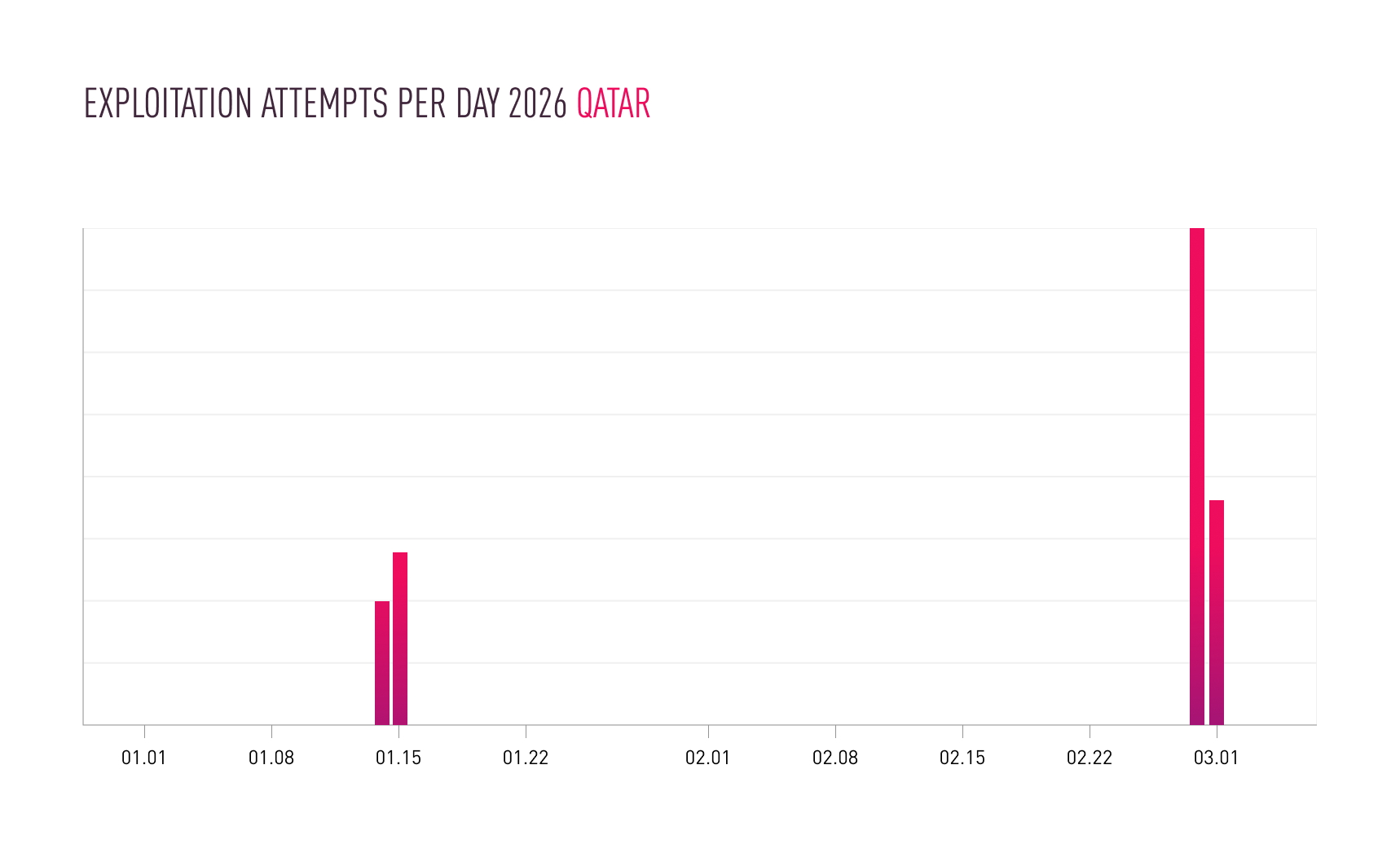
  • We also observed earlier, more targeted activity against cameras in Israel and Qatar on January 14–15. These dates surround with Iran’s temporary closure of its airspace, reportedly amid expectations of a potential U.S. strike.
  • Taken together, these findings are consistent with the assessment that Iran, as part of its doctrine, leverages camera compromise for operational support and ongoing battle damage assessment (BDA) for missile operations, potentially in some cases prior to missile launches. As a result, tracking camera-targeting activity from specific, attributed infrastructures may serve as an early indicator of potential follow-on kinetic activity.

Introduction

As highlighted in the Cyber Security Report 2026, cyber operations have increasingly become an additional tool in interstate conflicts, used both to support military operations and to enable ongoing battle damage assessment (BDA). During the 12-day conflict between Israel and Iran in June 2025, the compromise of cameras was likely used to support BDA and/or target-correction efforts.

In the current Middle East conflict, Check Point Research has observed intensified targeting of cameras beginning in the first hours of hostilities, including a sharp increase in exploitation attempts against IP cameras not only in Israel but also across Gulf countries: specifically the UAE, Qatar, Bahrain, and Kuwait, as well as similar activity in Lebanon and Cyprus. This activity originated from multiple attack infrastructures that we attribute to several Iran-nexus threat actors.

Notably, we also identified earlier activity exhibiting similar patterns, dated January 14, coinciding with the peak of anti-regime protests in Iran, a period during which Iran anticipated potential action from the United States and Israel and temporarily closed its airspace.

Findings

Check Point Research (CPR) continuously tracks infrastructure used by Iran-nexus threat actors.

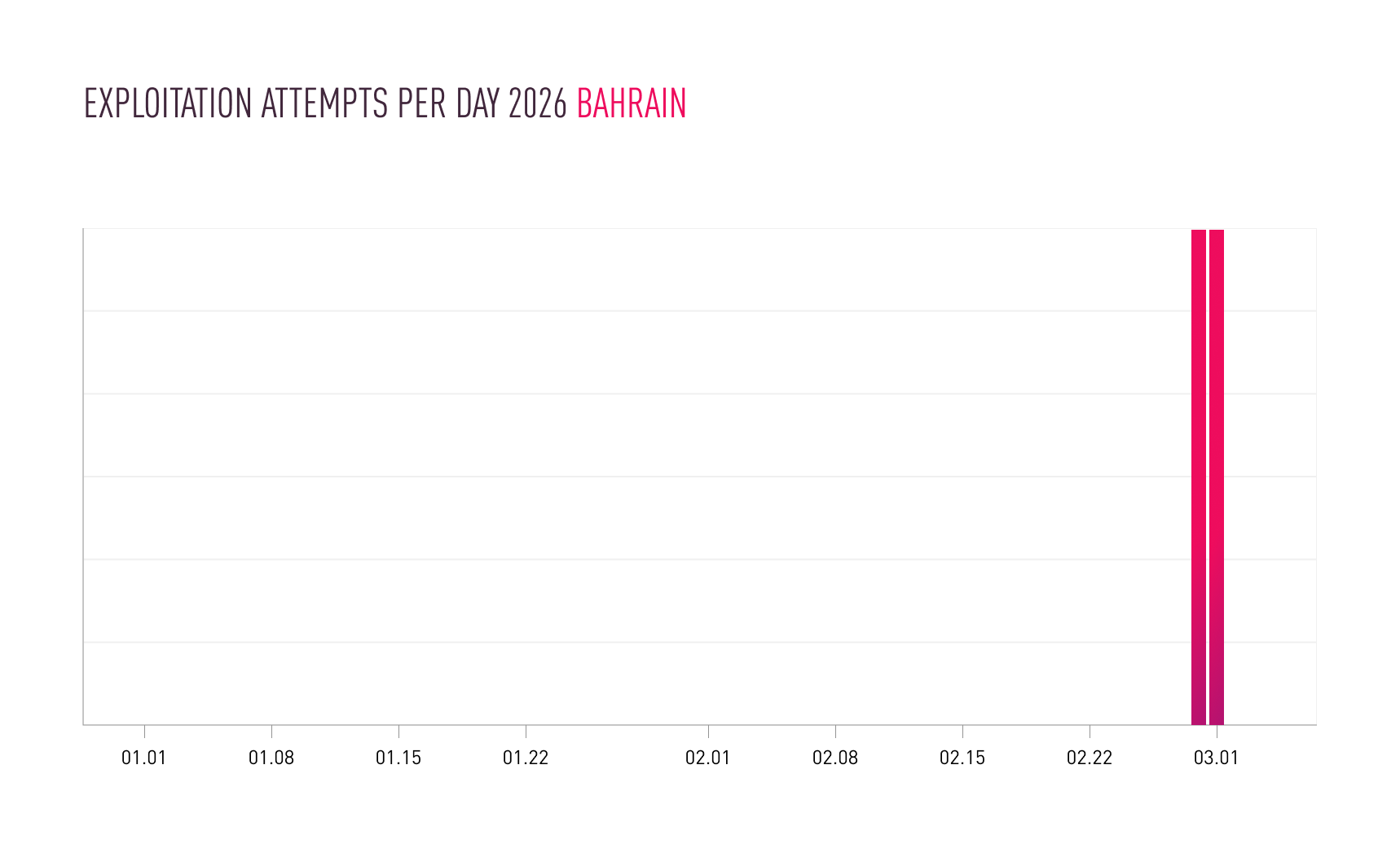
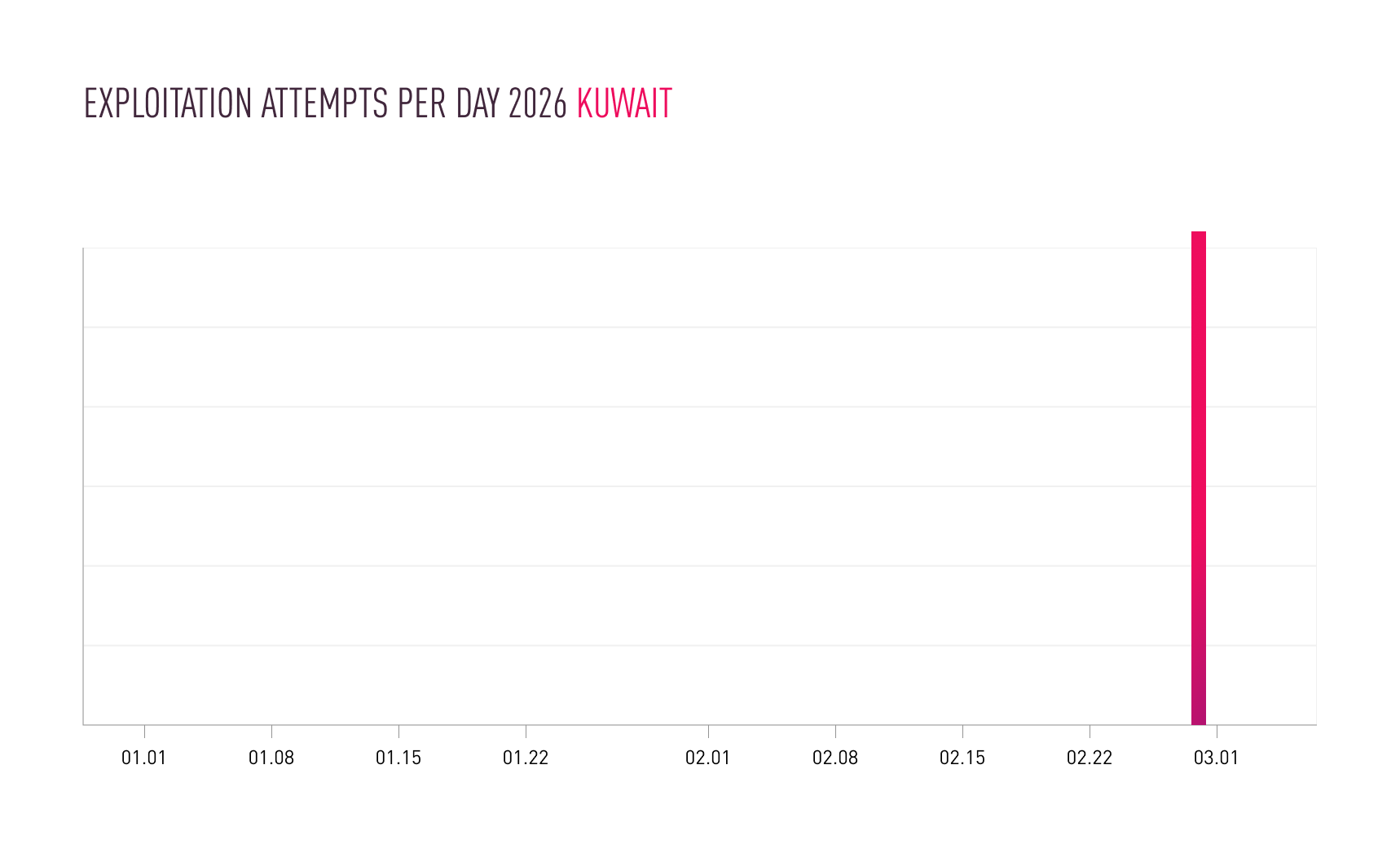
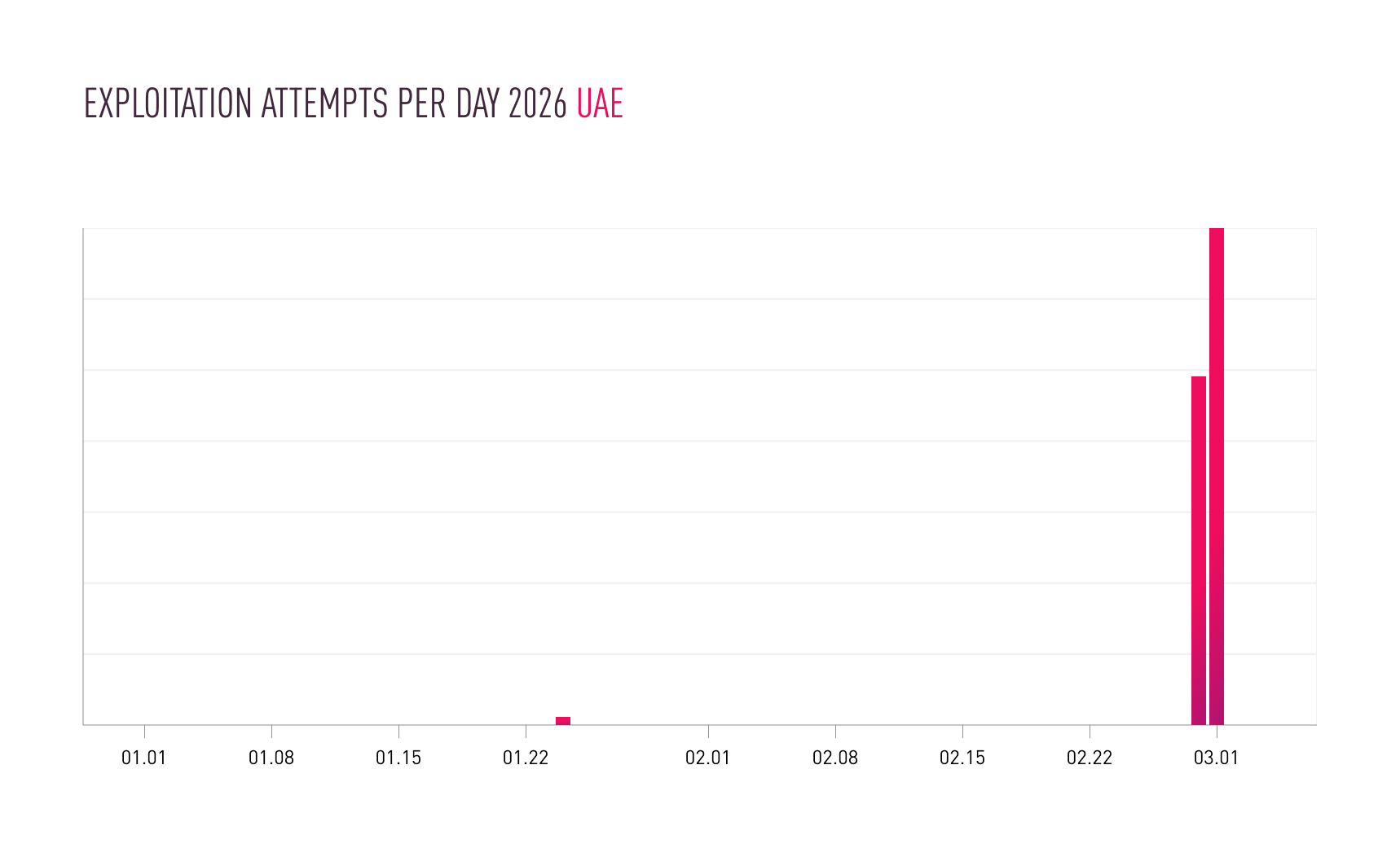
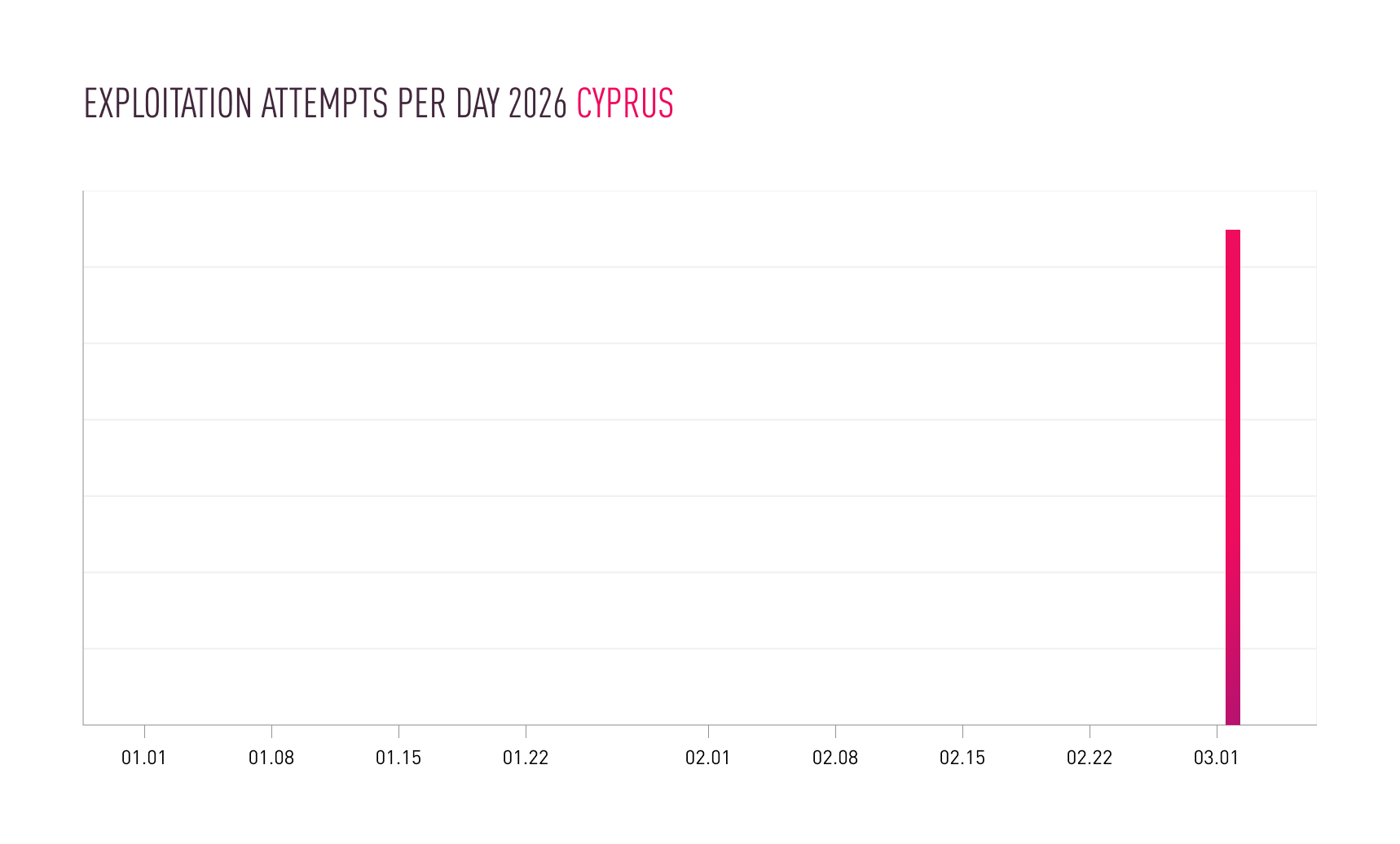
Starting February 28, we observed a spike in targeting of IP cameras in several countries in the Middle East including Israel, UAE, Qatar, Bahrain, Kuwait and Lebanon, while also similar activity occurred against Cyprus.

The attack infrastructure we track combines specific commercial VPN exit nodes (Mullvad, ProtonVPN, Surfshark, NordVPN) and virtual private servers (VPS), and is assessed to be employed by multiple Iran-nexus actors.

Scanning activity we observed targets cameras such as Hikvision and Dahua and aligns with attempts to identify exposure to the vulnerabilities listed below. No attempts to interact with other camera vendors were observed from this infrastructure.

The popular devices of Hikvision and Dahua are targeted with the following vulnerabilities:

CVEVulnerability
CVE-2017-7921An improper authentication vulnerability in Hikvision IP camera firmware
CVE-2021-36260A command injection vulnerability in the Hikvision web server component
CVE-2023-6895An OS command injection vulnerability in Hikvision Intercom Broadcasting System
CVE-2025-34067An unauthenticated remote code execution vulnerability in Hikvision Integrated Security Management Platform
CVE-2021-33044An authentication bypass vulnerability in multiple Dahua products

Patches are available for all of the vulnerabilities listed above.

As a case study, we conducted a deep dive into two of the CVEs listed above – CVE-2021-33044 and CVE-2017-7921 – and examined exploitation attempts originating from operational infrastructure we attribute to Iran, observed since the beginning of the year.
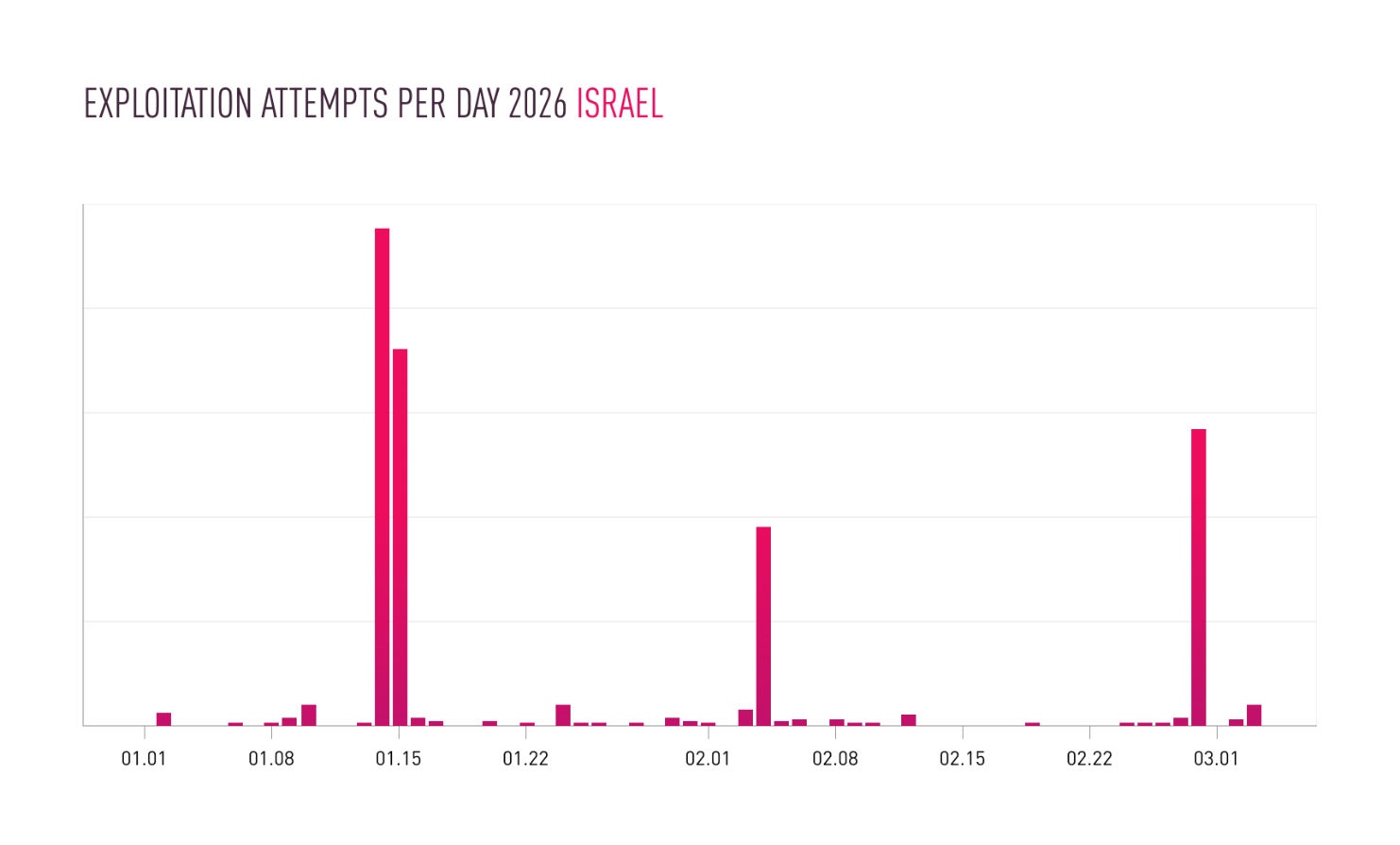
Waves of activity against Israel:

The spikes in this activity are closely aligned with geopolitical events around the same time:
  • January 14-15 – While internal anti-regime protests in Iran peaked, Iranian officials and state media portrayed the unrest as a foreign-backed plot by Iran’s adversaries, including the United States and Israel and also closed its airspace. At the same time we also observe a wave of scans of cameras in the Iraqi Kurdistan.
  • January 24 – The U.S. Central Command (CENTCOM) commander visited Israel and met with the Israel Defense Forces’ chief of staff amid heightened tensions.
  • Beginning of February – Iran’s leadership was increasingly worried about a possible U.S. strike; Iranian/IRGC-linked messaging warned a strike could trigger a wider regional war.

Waves of activity against Qatar:

Waves of activity against Bahrain:

Waves of activity against Kuwait:

Waves of activity against United Arab Emirates:

Waves of activity against Cyprus:

Waves of activity against Lebanon:

We observed similar targeting patterns during the 12-day war between Israel and Iran in June 2025, likely to support battle damage assessment (BDA) and/or targeting correction. One of the best-known cases occurred when Iran struck Israel’s Weizmann Institute of Science with a ballistic missile and had reportedly taken control of a street camera facing the building just prior to the hit

Recommendations for Defenders:

  • Eliminate public exposure: remove direct WAN access to cameras/NVRs; place them behind VPN or a zero-trust access gateway; block inbound port-forwards.
  • Enforce strong credentials: change default passwords, enforce unique credentials.
  • Patch management: keep cameras/NVR firmware and management software updated – updates from the manufacturers are available; remove/replace end-of-life devices that no longer get security fixes.
  • Network segmentation: isolate cameras on a dedicated VLAN with no lateral access to corporate/OT networks; tightly control outbound traffic (only to required update/cloud endpoints).
  • Monitoring & detection: repeated login failures, unexpected remote logins; cameras initiating unusual outbound connections.