








How neural geometry will unlock understanding and control of AI
Neural networks develop rich geometric structure in their activations, mirroring the structure of the world they are trained on: days of the week form circles, colors form an HSL manifold, and the tree of life appears in genomic representations. This opening post makes the case that this "neural geometry" is a crucial frontier for understanding, improving, and controlling AI models.
Geiger et al. · May 7, 2026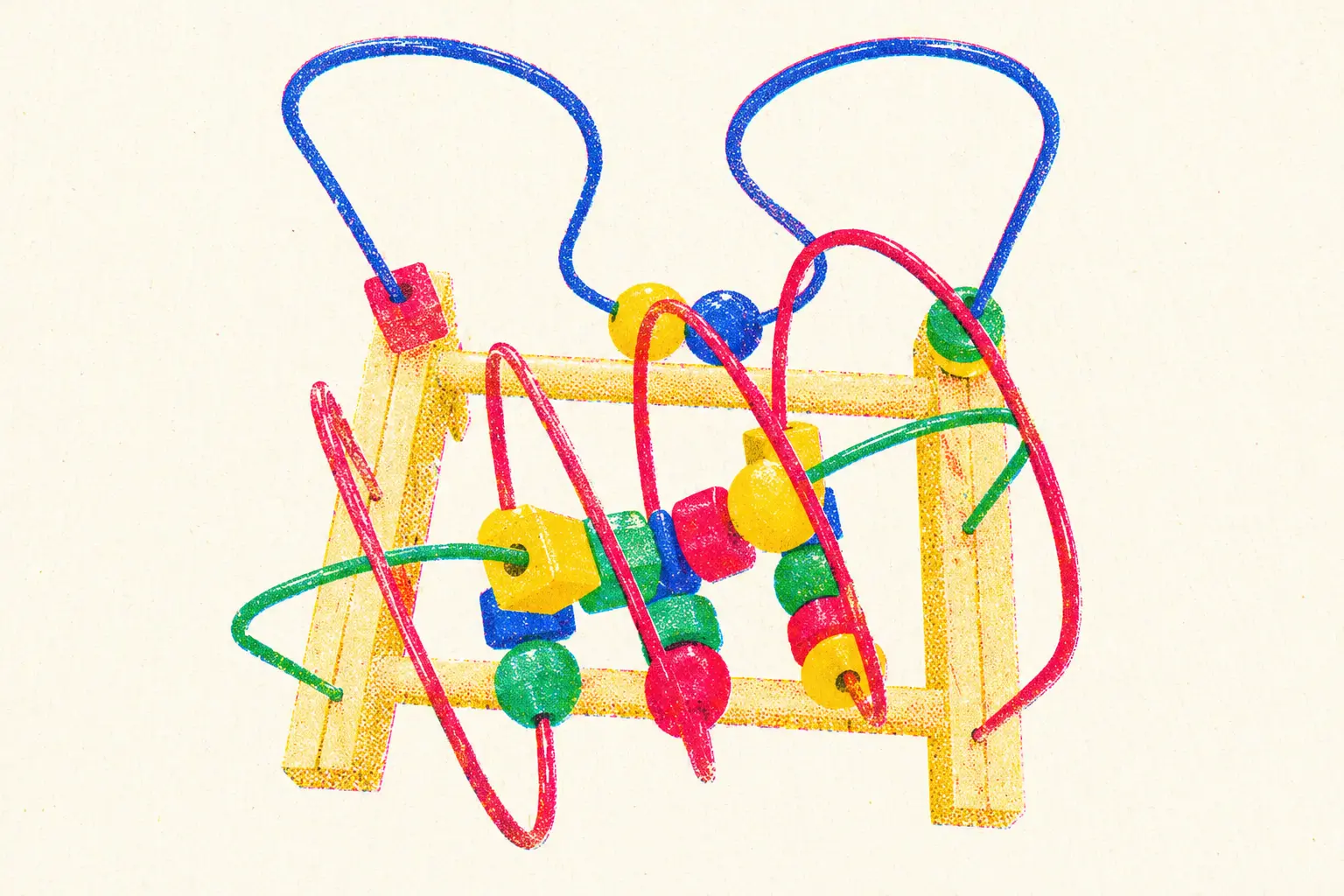
Steering along curved manifolds in representation space produces cleaner, more targeted behavior changes than conventional linear steering vectors.
Wurgaft et al. · May 7, 2026
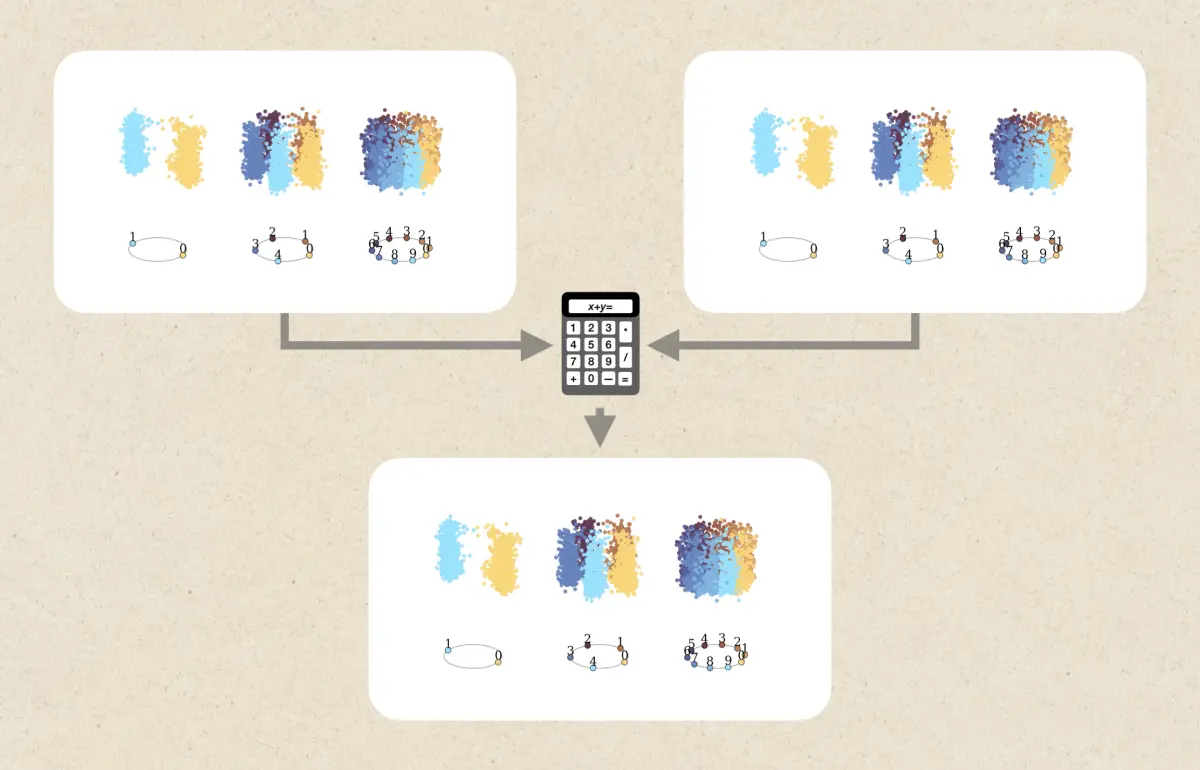
We found a neural mechanism that operates over manifolds: a general-purpose addition module inside Llama 3.1 8B which manipulates circular representations of numbers.
Feucht et al. · May 14, 2026

Can we use sparse autoencoder features – i.e., straight lines – to reconstruct curved geometry? We study how, and implement an unsupervised pipeline for discovering manifolds using SAE features.
Bhalla et al. · May 21, 2026
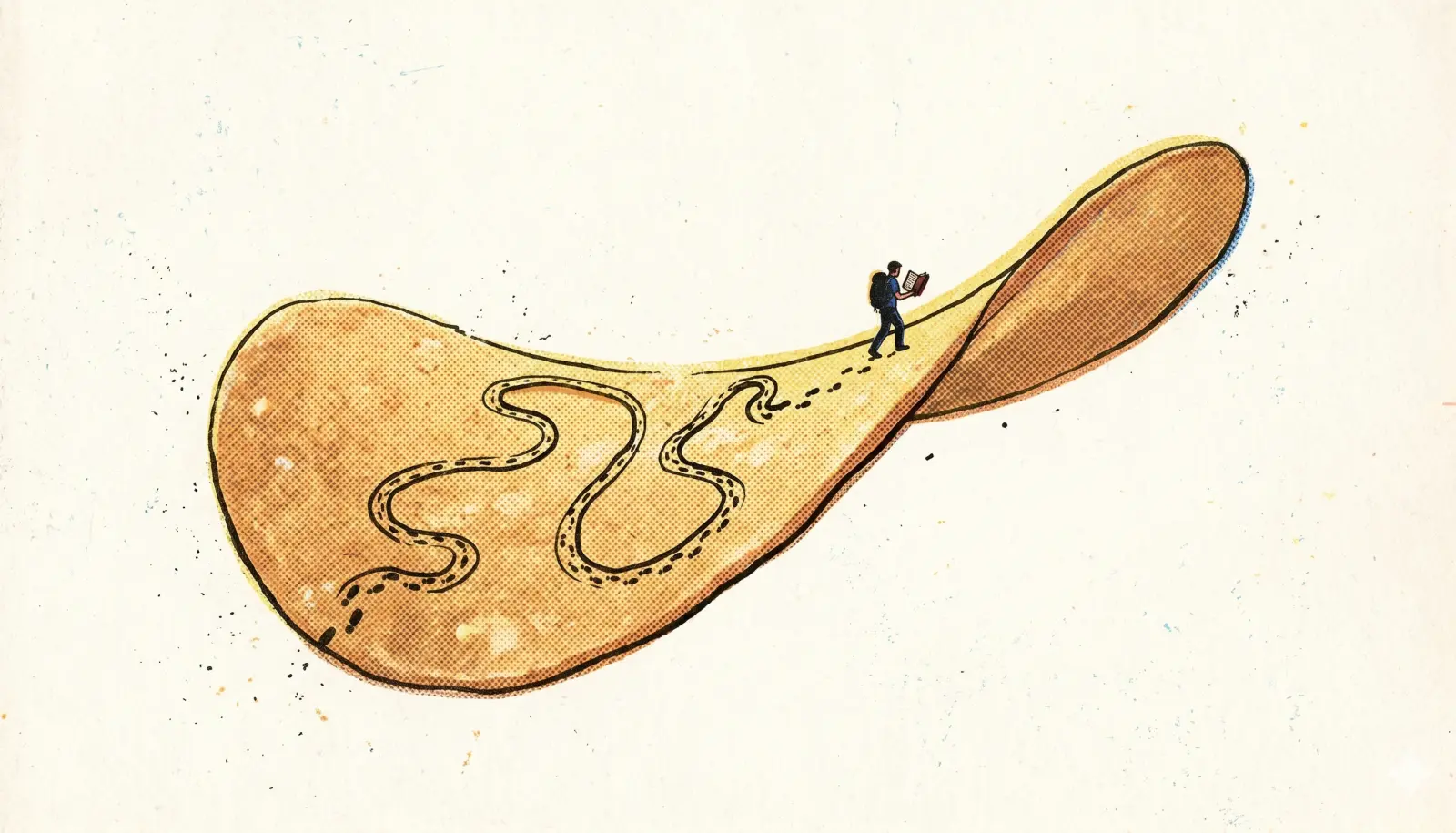
To fully understand LLM representations, we must understand how they change dynamically over the course of a prompt or conversation. We investigate these temporal dynamics with a simple case study: how do LLMs represent emotions while reading short stories, both geometrically (in activation space) and temporally (changing from sentence to sentence)?
Bigelow et al. · June 23, 2026

We introduce Block-Sparse Featurizers (BSF), a family of methods to decompose a model's activations into multidimensional subspaces rather than single directions. Applied to vision models, we find that BSFs find interpretable, multidimensional features which offer a more parsimonious explanation of model internals; that those features enable fine-grained steering; and that most concepts in the models are multidimensional.
Fel et al. · July 7, 2026More posts coming soon!
此内容由惯性聚合(RSS阅读器)自动聚合整理,仅供阅读参考。 原文来自 — 版权归原作者所有。