
惯性聚合 高效追踪和阅读你感兴趣的博客、新闻、科技资讯
阅读原文 在惯性聚合中打开

推荐订阅源

aimingoo的专栏
aimingoo的专栏
V
V2EX
G
Google Developers Blog
F
Full Disclosure
Martin Fowler
Martin Fowler
宝玉的分享
宝玉的分享
H
Hacker News: Front Page
Exploit-DB.com RSS Feed
NISL@THU
NISL@THU
G
GRAHAM CLULEY
V
Vulnerabilities – Threatpost
Hacker News - Newest:
Hacker News - Newest: "LLM"
A
About on SuperTechFans
The Cloudflare Blog
C
Cisco Blogs
D
DataBreaches.Net
Threat Intelligence Blog | Flashpoint
Vercel News
Vercel News
P
Privacy International News Feed
Microsoft Security Blog
Help Net Security
Help Net Security
Recorded Future
Recorded Future
PCI Perspectives
PCI Perspectives
S
Schneier on Security
AI
AI
N
News | PayPal Newsroom
雷峰网
雷峰网
C
Cyber Attacks, Cyber Crime and Cyber Security
P
Proofpoint News Feed
The Last Watchdog
The Last Watchdog
L
LINUX DO - 最新话题
Hugging Face - Blog
Hugging Face - Blog
Apple Machine Learning Research
Schneier on Security
S
Securelist
云风的 BLOG
云风的 BLOG
Stack Overflow Blog
Stack Overflow Blog
博客园_首页
AWS News Blog
AWS News Blog
TaoSecurity Blog
TaoSecurity Blog
OSCHINA 社区最新新闻
OSCHINA 社区最新新闻
Recent Commits to openclaw:main
博客园 - 三生石上(FineUI控件)
C
CXSECURITY Database RSS Feed - CXSecurity.com
K
KPMG report finds enterprise disconnect between AI and its ROI | CIO
Cloudbric
Cloudbric
C
Cybersecurity and Infrastructure Security Agency CISA
Project Zero
Project Zero
C
Check Point Blog
S
Security Affairs

Replicate's blog

How to make remarkable videos with Seedance 2.0 – Replicate blog How to prompt Seedream 5.0 – Replicate blog Recraft V4: image generation with design taste – Replicate blog Run Isaac 0.1 on Replicate – Replicate blog Run FLUX.2 on Replicate – Replicate blog How to prompt Nano Banana Pro – Replicate blog Retro Diffusion's pixel art models are now on Replicate – Replicate blog Replicate is joining Cloudflare – Replicate blog Extract text from documents and images with Datalab Marker and OCR – Replicate blog How to prompt Veo 3.1 – Replicate blog IBM's Granite 4.0 is now on Replicate – Replicate blog Which image editing model should I use? – Replicate blog Introducing our new search API – Replicate blog Torch compile caching for inference speed – Replicate blog Announcing Replicate's remote MCP server – Replicate blog How to prompt Veo 3 with images – Replicate blog Open source video is back – Replicate blog Generate consistent characters – Replicate blog Bria is now on Replicate – Replicate blog How we optimized FLUX.1 Kontext [dev] – Replicate blog Compare AI video models – Replicate blog The FLUX.1 Kontext hackathon – Replicate blog How to prompt Veo 3 for the best results – Replicate blog Get the most from Google Veo 3 – Replicate blog FLUX.1 Kontext from the community – Replicate blog Use FLUX.1 Kontext to edit images with words – Replicate blog Generate incredible images with Google's Imagen 4 – Replicate blog Run OpenAI’s latest models on Replicate – Replicate blog NVIDIA H100 GPUs are here – Replicate blog Run 30,000+ LoRAs on Hugging Face with Replicate – Replicate blog Ideogram 3.0 on Replicate – Replicate blog Run MiniMax Speech-02 models with an API – Replicate blog Easel AI is now on Replicate – Replicate blog Stylized video with Wan2.1 – Replicate blog Creative roundup: avatars, lightsabers, and LoRA tricks – Replicate blog Wan2.1: generate videos with an API – Replicate blog Wan2.1 parameter sweep – Replicate blog You can now fine-tune open-source video models – Replicate blog Generate short videos with the Replicate playground – Replicate blog AI video is having its Stable Diffusion moment – Replicate blog FLUX fine-tunes are now fast – Replicate blog FLUX.1 Tools – Control and steerability for FLUX – Replicate blog NVIDIA L40S GPUs are here – Replicate blog Ideogram v2 is an outstanding new inpainting model – Replicate blog Stable Diffusion 3.5 is here – Replicate blog FLUX is fast and it's open source – Replicate blog FLUX1.1 [pro] is here – Replicate blog Using synthetic training data to improve Flux finetunes – Replicate blog Fine-tune FLUX.1 with an API – Replicate blog Fine-tune FLUX.1 to create images of yourself – Replicate blog Replicate Intelligence #12 – Replicate blog Replicate Intelligence #11 – Replicate blog Fine-tune FLUX.1 with your own images – Replicate blog Replicate Intelligence #10 – Replicate blog Replicate Intelligence #9 – Replicate blog Run FLUX with an API – Replicate blog Replicate Intelligence #8 – Replicate blog Run Meta Llama 3.1 405B with an API – Replicate blog Replicate Intelligence #7 – Replicate blog Replicate Intelligence #6 – Replicate blog Replicate Intelligence #5 – Replicate blog How to get the best results from Stable Diffusion 3 – Replicate blog Run Stable Diffusion 3 on your Apple Silicon Mac – Replicate blog Push a custom version of Stable Diffusion 3 – Replicate blog Replicate Intelligence #4 – Replicate blog Run Stable Diffusion 3 on your own machine with ComfyUI – Replicate blog H100s are coming to Replicate – Replicate blog Run Stable Diffusion 3 with an API – Replicate blog Replicate Intelligence #3 – Replicate blog Replicate Intelligence #2 – Replicate blog Replicate Intelligence #1 – Replicate blog Shared network vulnerability disclosure – Replicate blog Run Snowflake Arctic with an API – Replicate blog Run Meta Llama 3 with an API – Replicate blog Run Code Llama 70B with an API – Replicate blog How to create an AI narrator for your life – Replicate blog Clone your voice using open-source models – Replicate blog Businesses are building on open-source AI – Replicate blog How to run Yi chat models with an API – Replicate blog Scaffold Replicate apps with one command – Replicate blog Using open-source models for faster and cheaper text embeddings – Replicate blog Generate music from chord progressions and text prompts with MusicGen-Chord – Replicate blog Generate images in one second on your Mac using a latent consistency model – Replicate blog How to use retrieval augmented generation with ChromaDB and Mistral – Replicate blog Fine-tune MusicGen to generate music in any style – Replicate blog Jet-setting with Llama 2 + Grammars – Replicate blog How to run Mistral 7B with an API – Replicate blog Make smooth AI generated videos with AnimateDiff and an interpolator – Replicate blog Fine-tuned models now boot in less than one second – Replicate blog Painting with words: a history of text-to-image AI – Replicate blog We're cutting our prices in half – Replicate blog A guide to prompting Llama 2 – Replicate blog Streaming output for language models – Replicate blog Fine-tune SDXL with your own images – Replicate blog Run Llama 2 with an API – Replicate blog Run SDXL with an API – Replicate blog A comprehensive guide to running Llama 2 locally – Replicate blog Fine-tune Llama 2 on Replicate – Replicate blog What happened with Llama 2 in the last 24 hours? 🦙 – Replicate blog Make any large language model a better poet – Replicate blog
FLUX.1: First Impressions – Replicate blog
2024-08-02 · via Replicate's blog

FLUX.1 is a new AI model (available on Replicate) that makes images from text. Unlike most text-to-image models, which rely on diffusion, FLUX.1 uses an upgraded technique called “flow matching.”

While diffusion models create images by gradually removing noise from a random starting point, flow matching takes a more direct approach, learning the precise transformations needed to map noise onto a realistic image. This difference in methodology leads to a distinct aesthetic and unique advantages in terms of speed and control.

We were curious to see how this approach impacts the generated images, so we fed it a variety of prompts, many created by other AI models. Here are some observations:

Text: It gets it (mostly)

One of the challenges in text-to-image generation is accurately translating words into visual representations. FLUX.1 handles this surprisingly well, even in complex scenarios like memes.

Prompt:

Photograph of letterpress serif type on thick rough creamy paper saying ‘REPLICATE.COM’
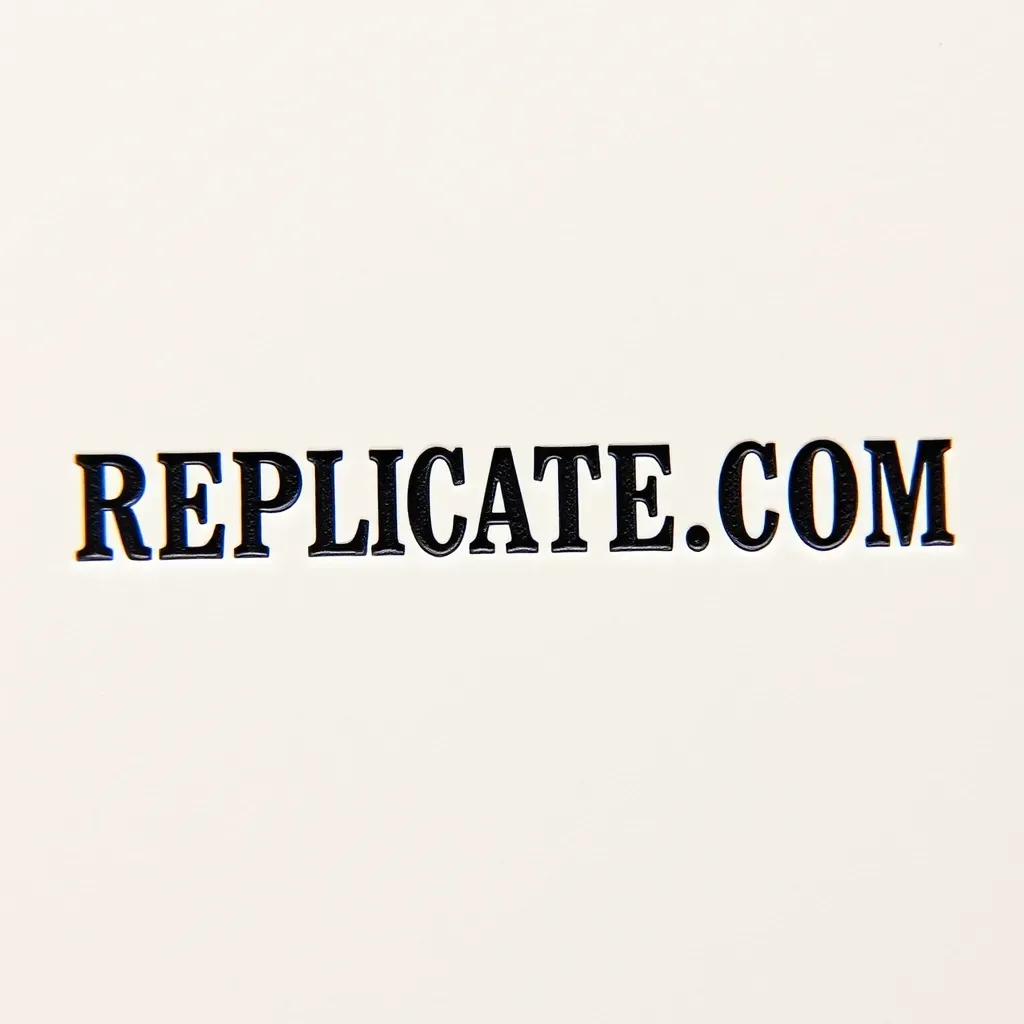
Photograph of letterpress serif type on thick rough creamy paper saying 'REPLICATE.COM'

This image of letterpress type highlights how FLUX.1 can combine precise text rendering with its “flow” aesthetic. The letters are crisp, the ink looks wet. The paper is less convincing.

Prompt:

A meme of a famous actor making a funny face with the text ‘When you forget your lines’ in a quirky font

A meme of a man who looks like an actor making a funny face with the text 'When y forget your lines' [sic] in a quirky font

While it didn’t quite nail a specific actor’s likeness, this meme shows that FLUX.1 understands the concept. Just look at his face.

Prompt:

This is fine dog meme underwater. Text: ‘Climate change is fine’

A white4 cartoon dog sitting on a brown armchair in the middle of a room that is half-filled with water. Text at the top in bold white font says 'Climate change is fine.' and at the bottom 'is fine.'

The “This is fine” dog meme, now underwater, is a perfect example of FLUX.1’s ability to seamlessly blend text into an image. Well, near-seamlessly. Is fine.

Light and texture look good

FLUX.1 consistently generates high-quality images with a keen understanding of light, shadow, and texture.

Prompt:

A detailed image of a garden where the flowers are made of delicate glass, reflecting the sunlight beautifully
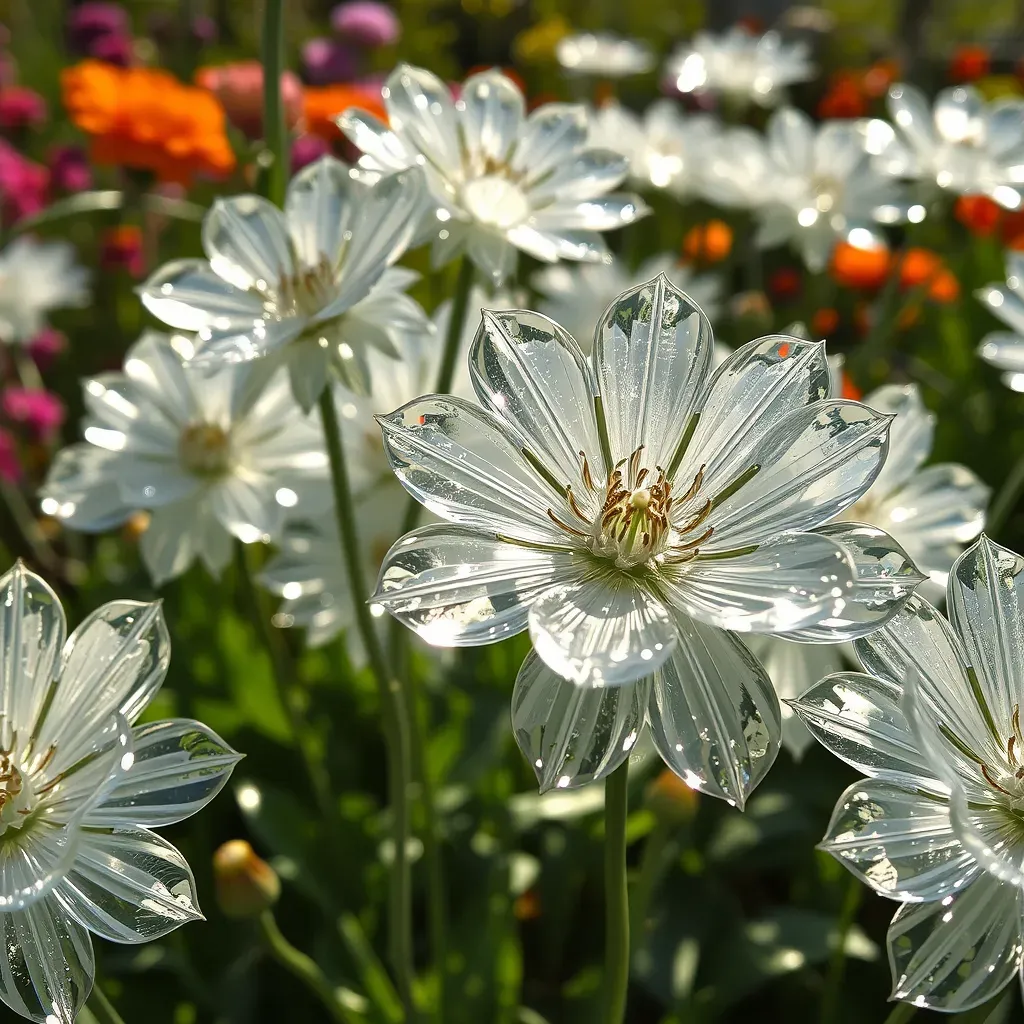
A close-up photograph-like image of clear glass flowers in sunlight, with other non-glass orange and purple flowers out of focus in the background

These glass flowers demonstrate how FLUX.1 grasps the interplay of light and material. The focus is not simply on the texture of glass, but on how light refracts and transmits through the petals, creating a luminous effect.

Prompt:

Owl feathers merging with autumn leaves in wind
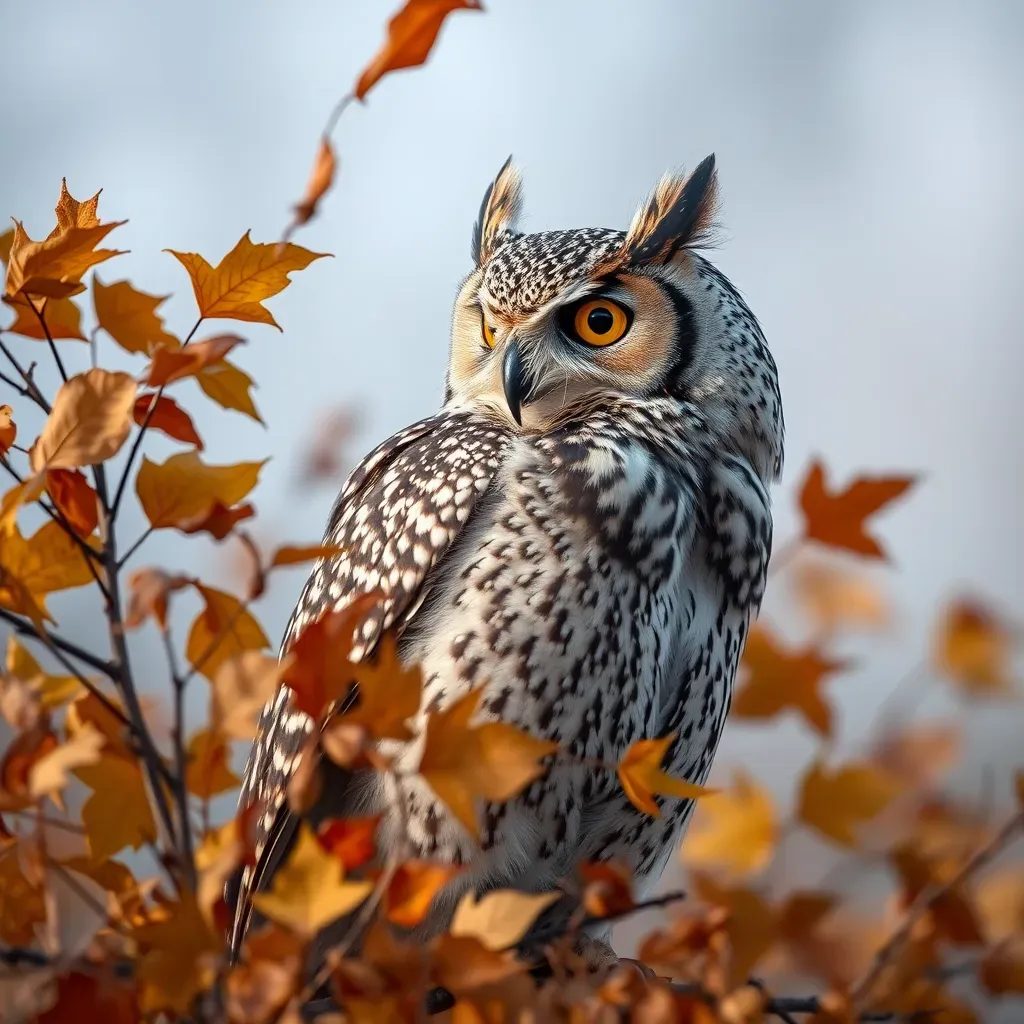
A photograph-like image of an owl looking away to the right of the frame, sitting on a branch with orange autumn leaves. Some leaves are flying away in the wind.

FLUX.1 captures fine detail with precision. Notice how the owl feathers and autumn leaves are rendered with organic, natural textures.

Artistic styles: More than mimicry

FLUX.1 doesn’t just imitate artistic styles; it seems to grasp their underlying principles, allowing for creative reinterpretations.

Prompt:

A cubist interpretation of a famous superhero in action
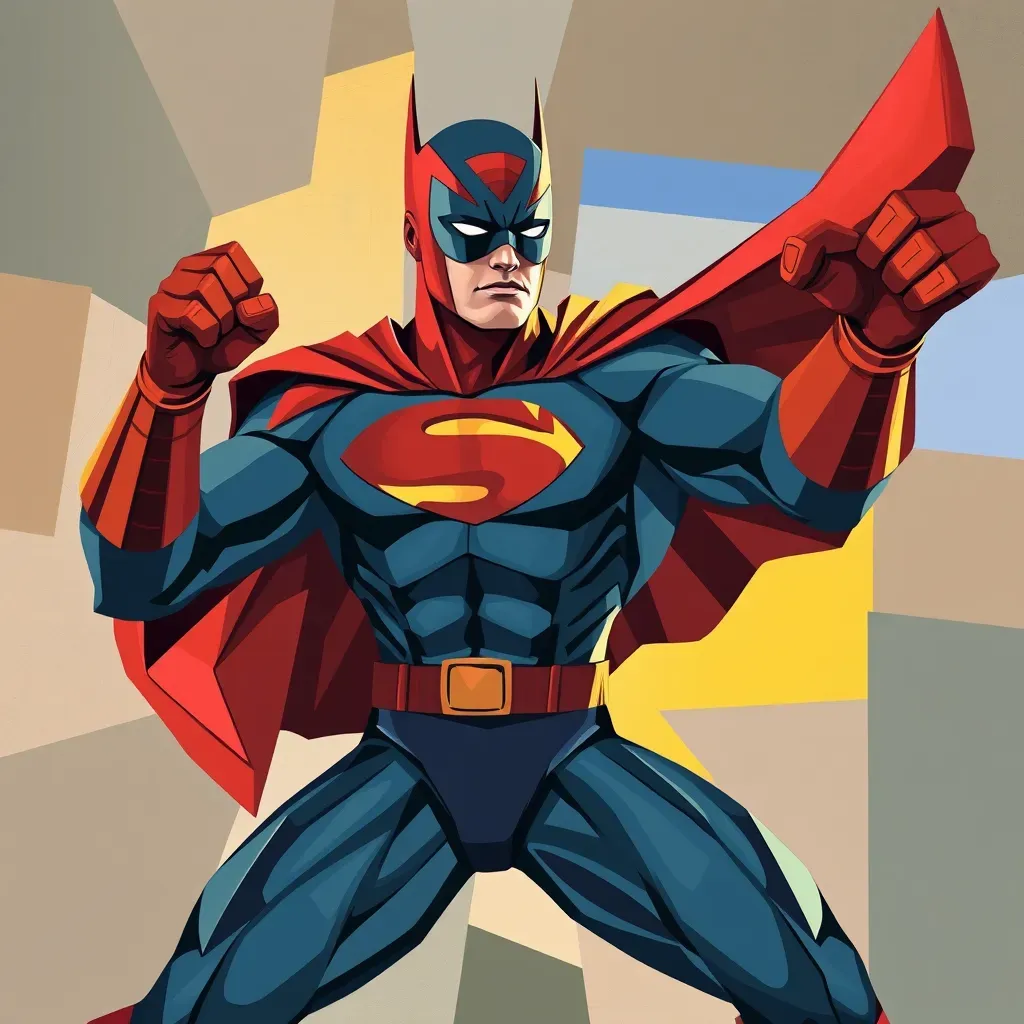
A superhero with the Superman S on his chest and a Batman mask on, with his hands up in a boxer position. The background has blocky shapes in gray, yellow, and blue.

This cubist rendition of a superhero showcases FLUX.1’s ability to apply artistic principles to diverse subjects.

Prompt:

watercolor of famous wave painting
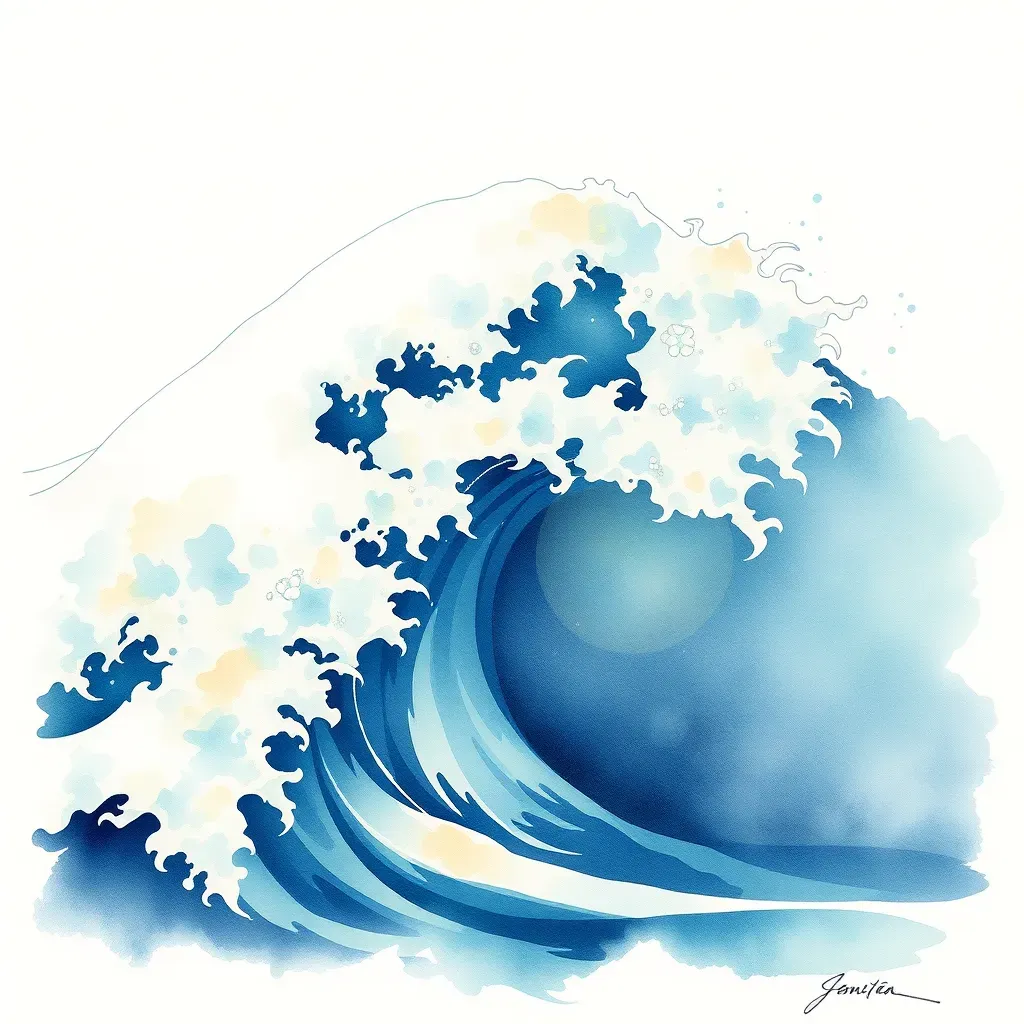
A stylized blue wave cresting, with a white background, inspired by Katsushika Hokusai's painting Great Wave off Kanagawa.

This “watercolor” version of Hokusai’s Great Wave off Kanagawa offers intriguing insights into FLUX.1. Not only does it suggest the iconic wave is part of the model’s training data, but it also highlights how the “flow” technique approximates the movement of pigments through water, paper, and ink.

Compositions: Making sense of the scene

FLUX.1 excels at composing complex scenes, placing objects and characters in a way that feels both believable and visually engaging.

Prompt:

A realistic image of an enchanted library where books float in mid-air and the shelves are made of ancient, twisted roots.
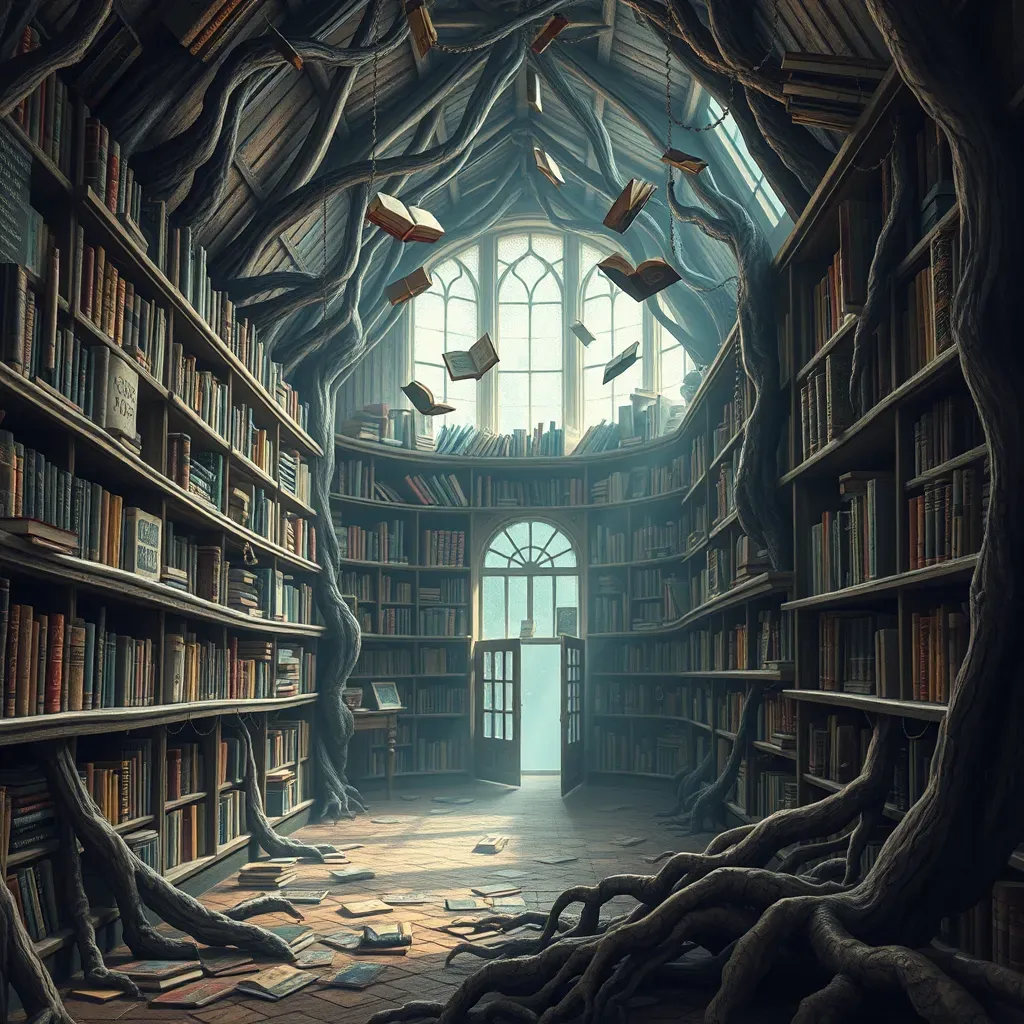
An illustration of an enchanted library where books float in mid-air and the shelves are made of ancient, twisted roots. There are ornate windows at the far end.

This enchanted library, with its trees growing through the bookshelves and books suspended in mid-air, showcases FLUX.1’s ability to create believable yet fantastical environments.

Prompt:

A realistic photo of a giant coffee cup being used as a hot tub by a group of friends.

A photograph-like image of a giant orange teacup on an outdoor patio with some green plants behind it and a foggy white background. There are three men and one woman sitting inside the teacup in hot steaming water.

FLUX.1 effortlessly captures the absurdity of a giant coffee cup hot tub. The scene is well-composed, with a clear sense of scale and playful interaction between the characters.

”Flow”: A new visual language

Perhaps the most striking aspect of FLUX.1 is its “flow” aesthetic, a consequence of the underlying flow matching technique. This gives the images a unique sense of organic movement and fluidity, almost as if the pixels themselves are in motion.

Prompt:

Dog with swirling, Van Gogh-style fur patterns
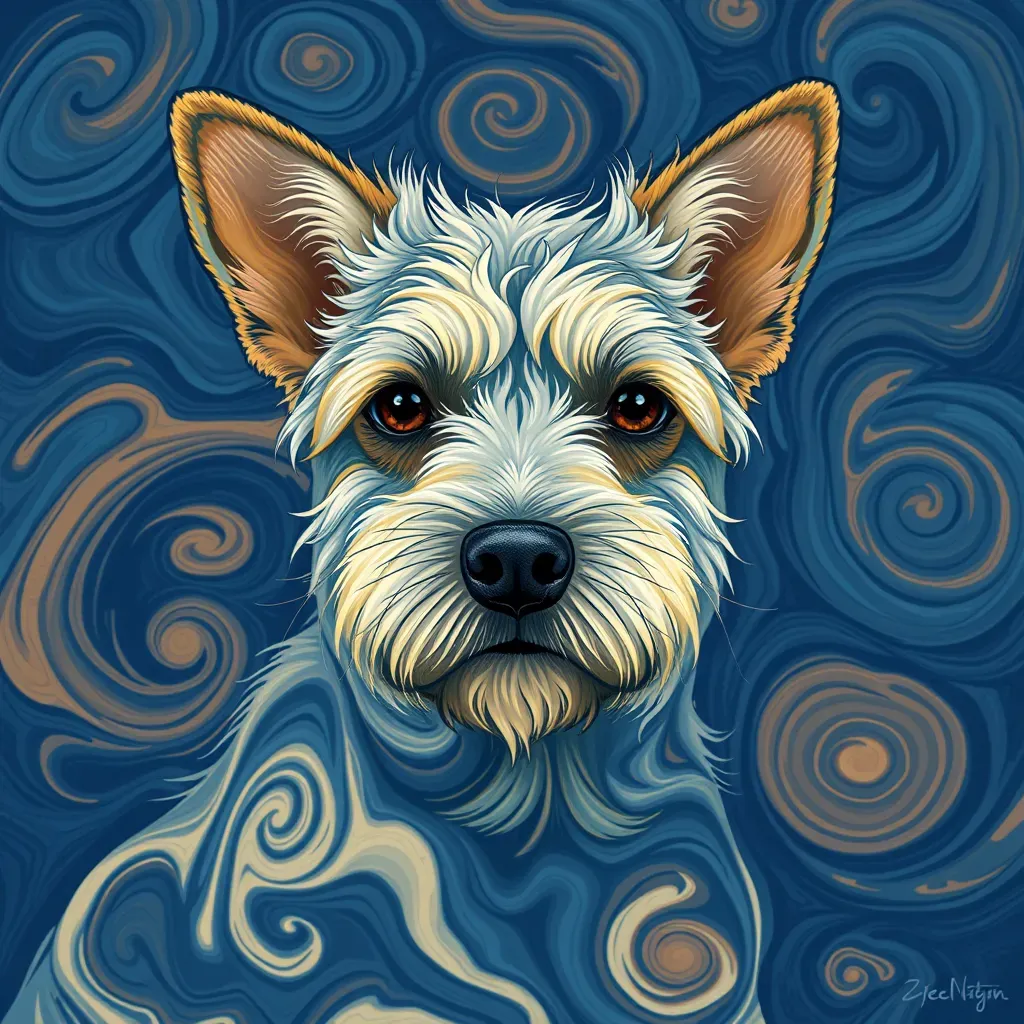
An illustration of the head of a small white dog with pointed ears and brown eyes, with a background of blue and yellow swirls.

The energy in this dog’s fur is almost tangible, blending directly into the whorls of paint suggestive of Starry Night.

The “flow” aesthetic is difficult to define but immediately recognizable. It evokes traditional artistic techniques like oil painting and airbrushing, imbuing the images with a dreamlike quality that sets FLUX.1 apart.

Ready to Explore the Flow?

All the images in this post were generated with FLUX.1 [schnell], a version optimized for speed and local execution.

FLUX.1 [schnell] is an exciting new tool for artists, developers, and anyone interested in exploring the potential of AI image generation. Try it out on Replicate and see what you can create.
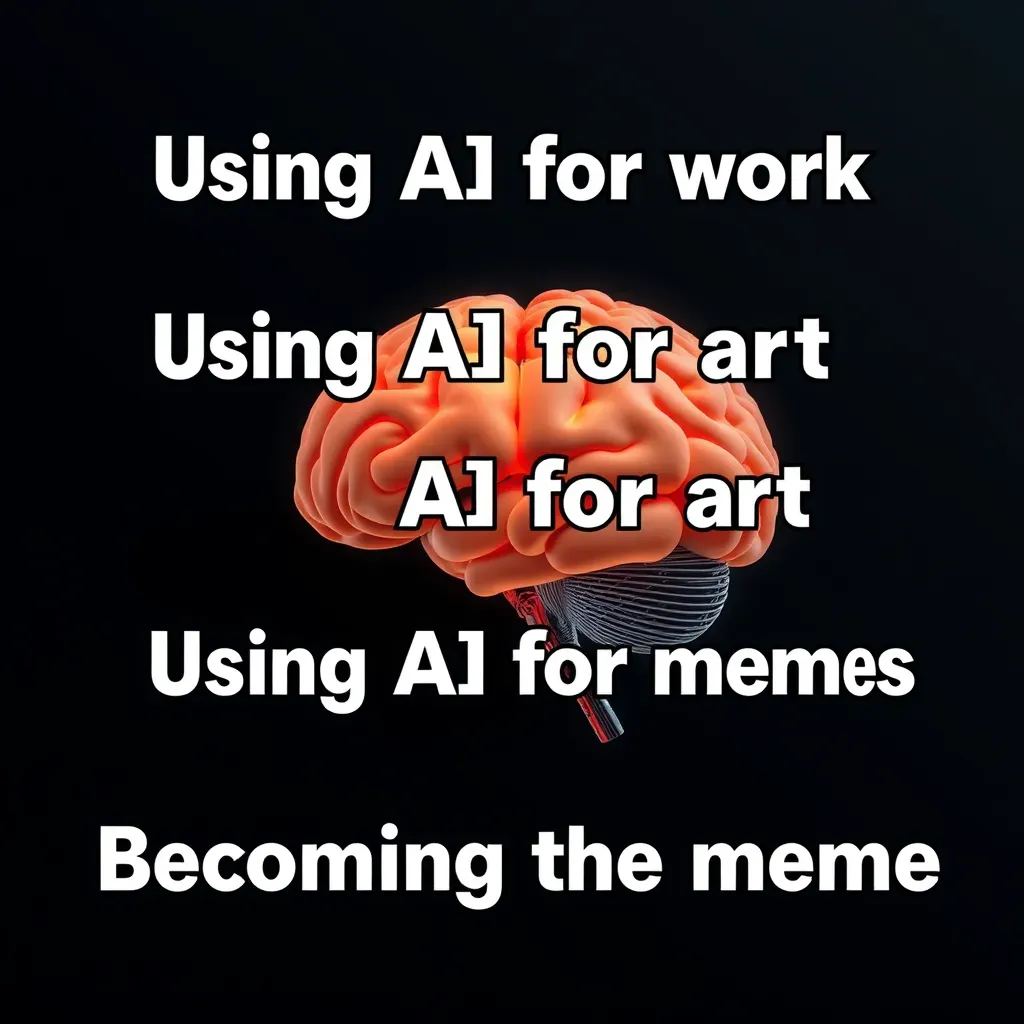
An oversaturated image of a brain floating on a black background, with white text outlined in black in front of the brain that says 'Using AI for work / Using AI for art / AI for art / Using AI for memes / Becoming the meme'