








Hi and welcome to Star History Weekly #30!
If you‘re new, it's Ayra here. Each week, we curate some open-source news and take you to explore an open-source project, the Starlets. Meanwhile, we share fascinating GitHub repos daily over at @StarHistoryHQ, so make sure to follow us if you haven't already.
In Issue #30, we explored outstanding agent protocols that set the standards how AI agents communicate with tools, data sources, and other agents.

As AI agents become increasingly powerful and widely deployed, a critical challenge has emerged: how should these agents communicate with external tools, data sources, and other agents? Agent protocols provide standardized frameworks that enable seamless interaction between AI systems.
Today, we'll explore three groundbreaking open-source protocols that are setting the standards for AI agent communication:
X402 | Payment-Required Protocol |
Model Context Protocol | Context-Oriented Framework |
A2A | Agent-to-Agent Communication |
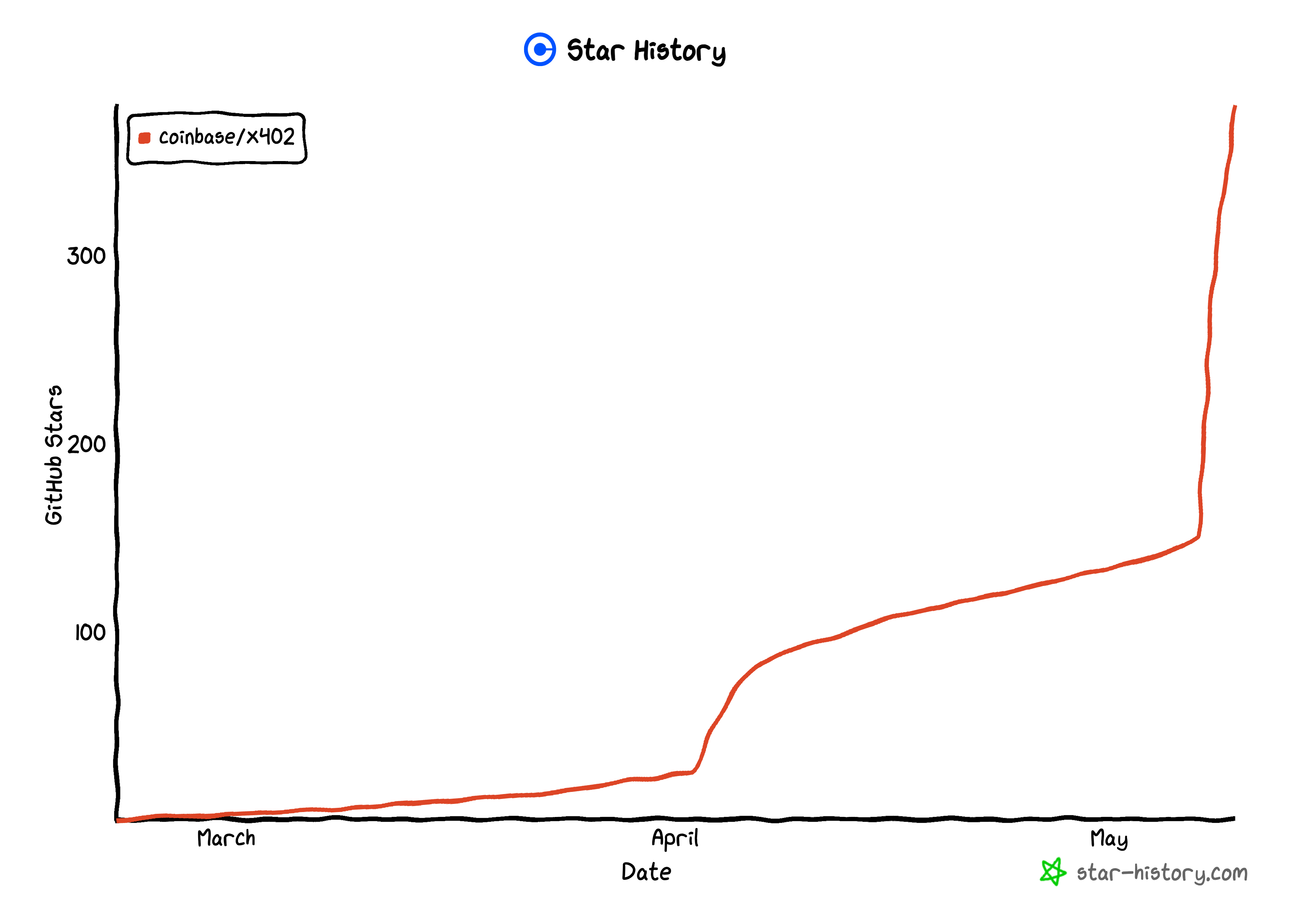
X402 by Coinbase is an innovative protocol named after HTTP status code 402 (Payment Required), establishing a standardized framework for enabling paid API access between AI agents and services. The HTTP 402 status code was originally reserved for future use in the HTTP specification, intended for scenarios where payment is required before a server fulfills a request - a concept that was ahead of its time until now.
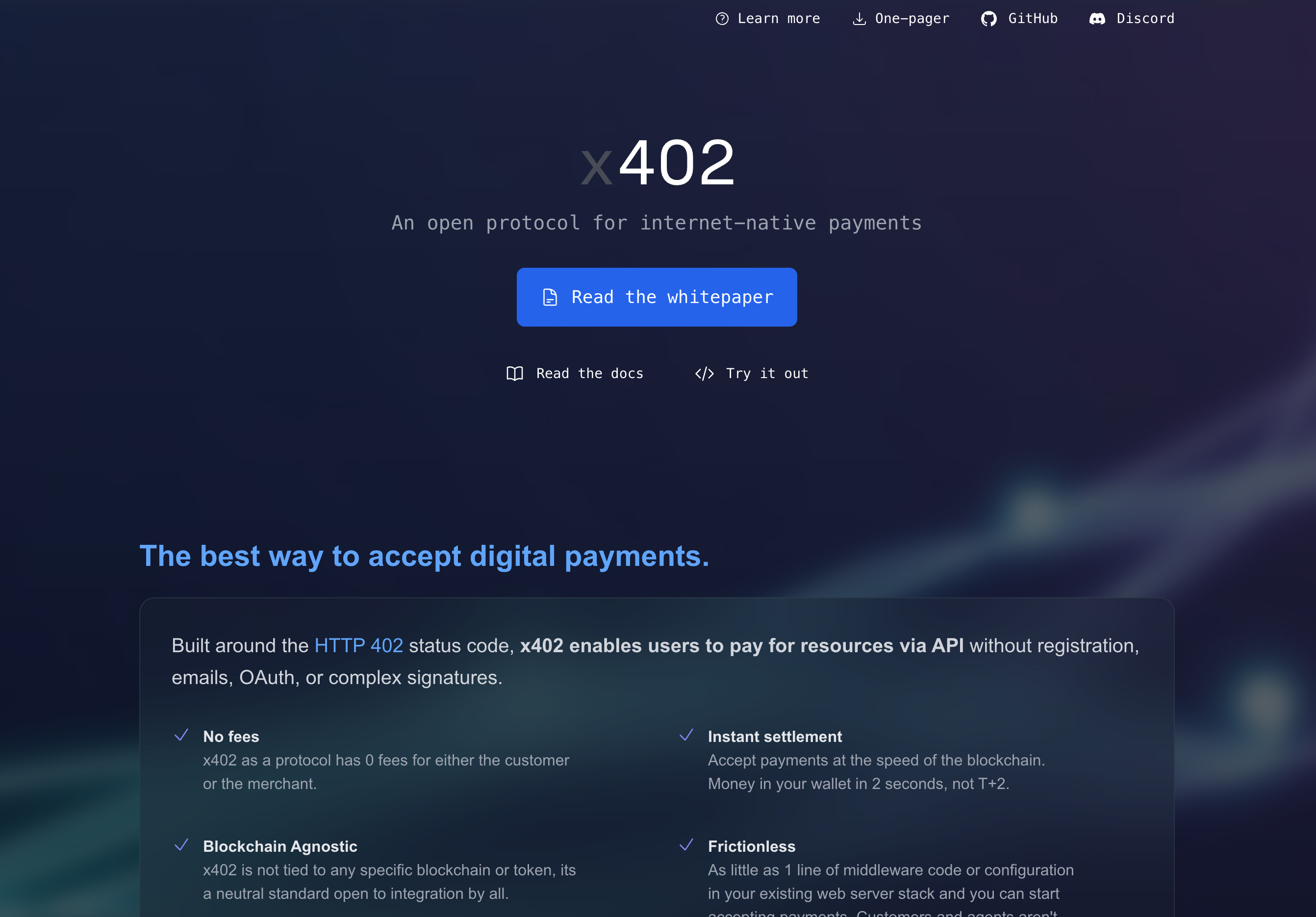
X402 follows a straightforward flow:
A client (AI agent or application) requests access to an X402-enabled HTTP server
The server responds with a 402 Payment Required status, including payment details (price, acceptable tokens)
The client sends a signed payment payload using a supported token (like USDC)
After payment verification and settlement, the server fulfills the original request
Key Features include:
Payment-Required Interactions: Seamlessly handles the economics of agent-to-service interactions, allowing agents to access paid APIs with proper authorization
Cryptocurrency Integration: Native support for cryptocurrency payments facilitating trustless, cross-border micropayments between agents and services
Open Standards: Built on open web standards to ensure broad compatibility across platforms and implementations
Scalable Architecture: Designed to handle millions of micro-transactions between agents and services with minimal overhead
Security-First Design: Incorporates robust authentication and authorization mechanisms to protect sensitive operations
X402 solves economic challenges in agent ecosystems by creating sustainable business models for AI services. By embedding payments directly into HTTP protocols, it eliminates specialized wallet interfaces and makes transactions between agents and services as seamless as loading a webpage.
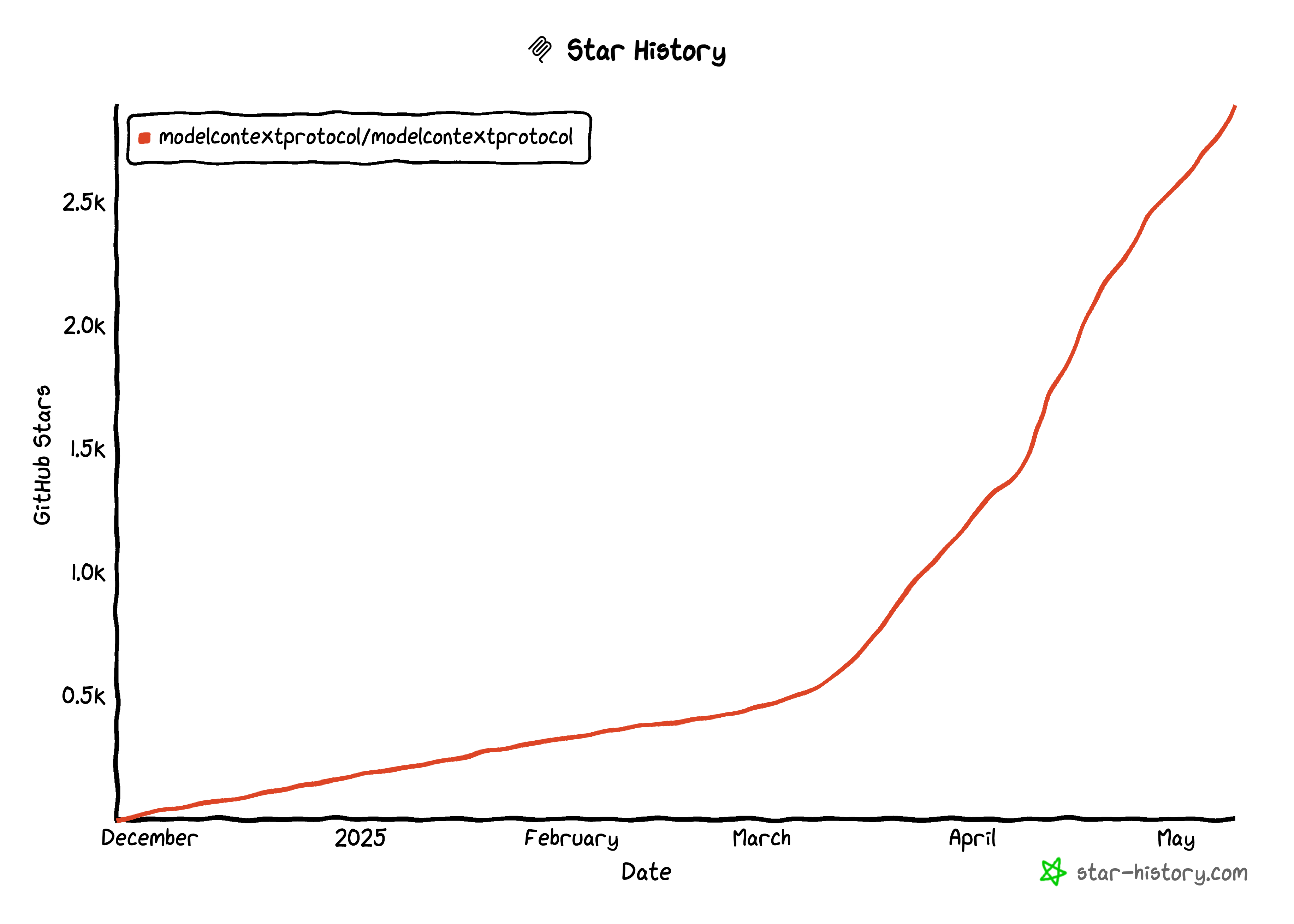
Model Context Protocol (MCP) developed by Anthropic provides a standardized way to connect AI models to data sources and tools, much like how USB-C connects your devices to peripherals and accessories.
MCP addresses the fundamental challenge of context management in LLMs by creating a unified approach for handling diverse data types and sources. It establishes clear standards for context representation, enabling seamless integration between AI models and external systems.
Key capabilities include:
Universal Context Format: Standardizes how various data types (text, images, structured data) are represented and passed to AI models
Tool Plugins Architecture: Allows agents to dynamically discover and interact with tools through a consistent interface
Context Window Management: Sophisticated mechanisms for handling limited context windows through compression, summarization, and selective attention
Semantic Versioning: Clear compatibility guidelines ensuring backward compatibility as the protocol evolves
Cross-Model Compatibility: Works across different AI models from various providers, creating a foundation for model interoperability
By providing this standardized interface, MCP reduces integration complexity and enables developers to focus on building valuable agent applications rather than solving context representation problems repeatedly.
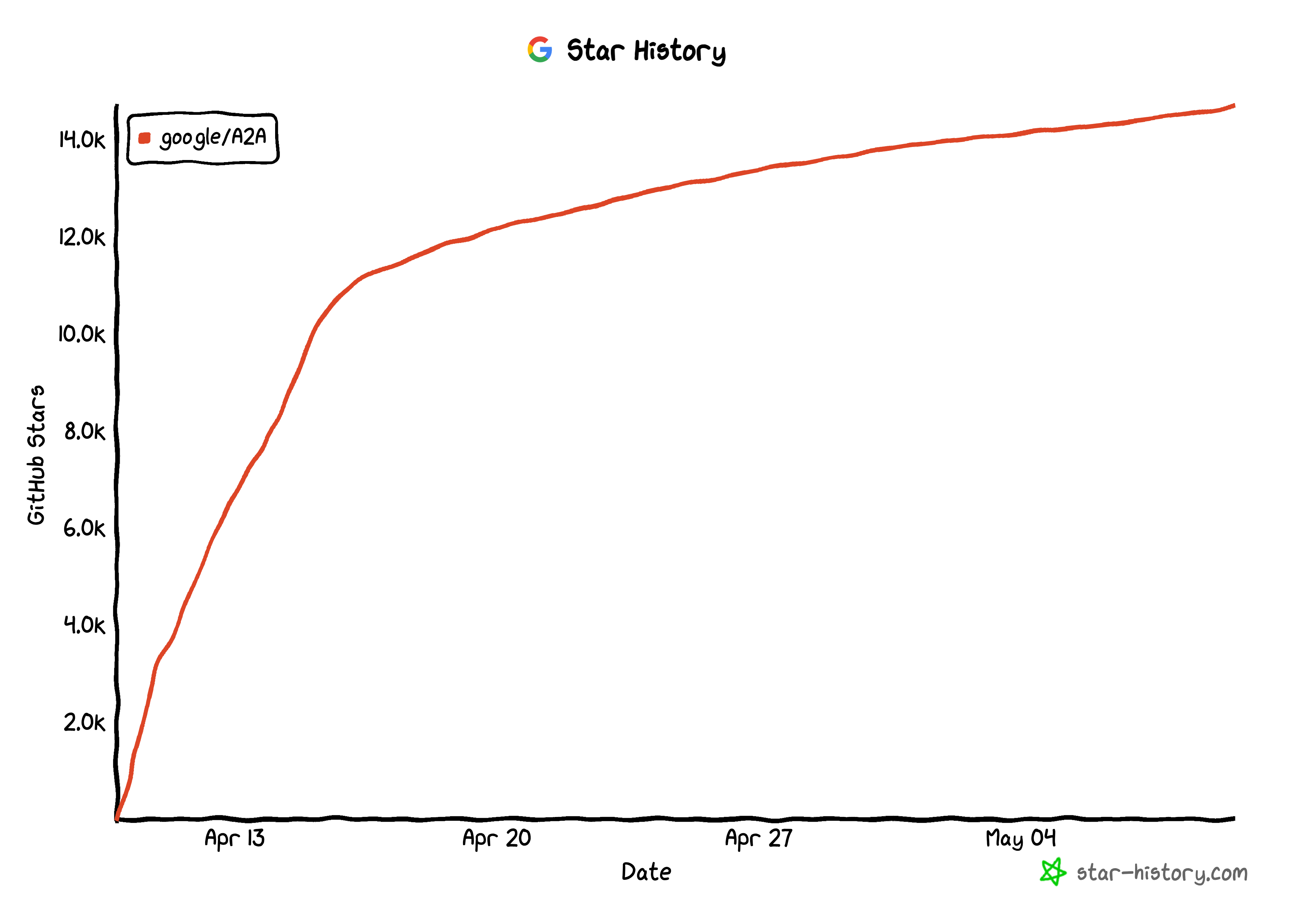
A2A (Agent-to-Agent) by Google establishes a new paradigm for enabling AI agents to communicate directly with each other, facilitating collaboration on complex tasks that require multiple specialized agents.
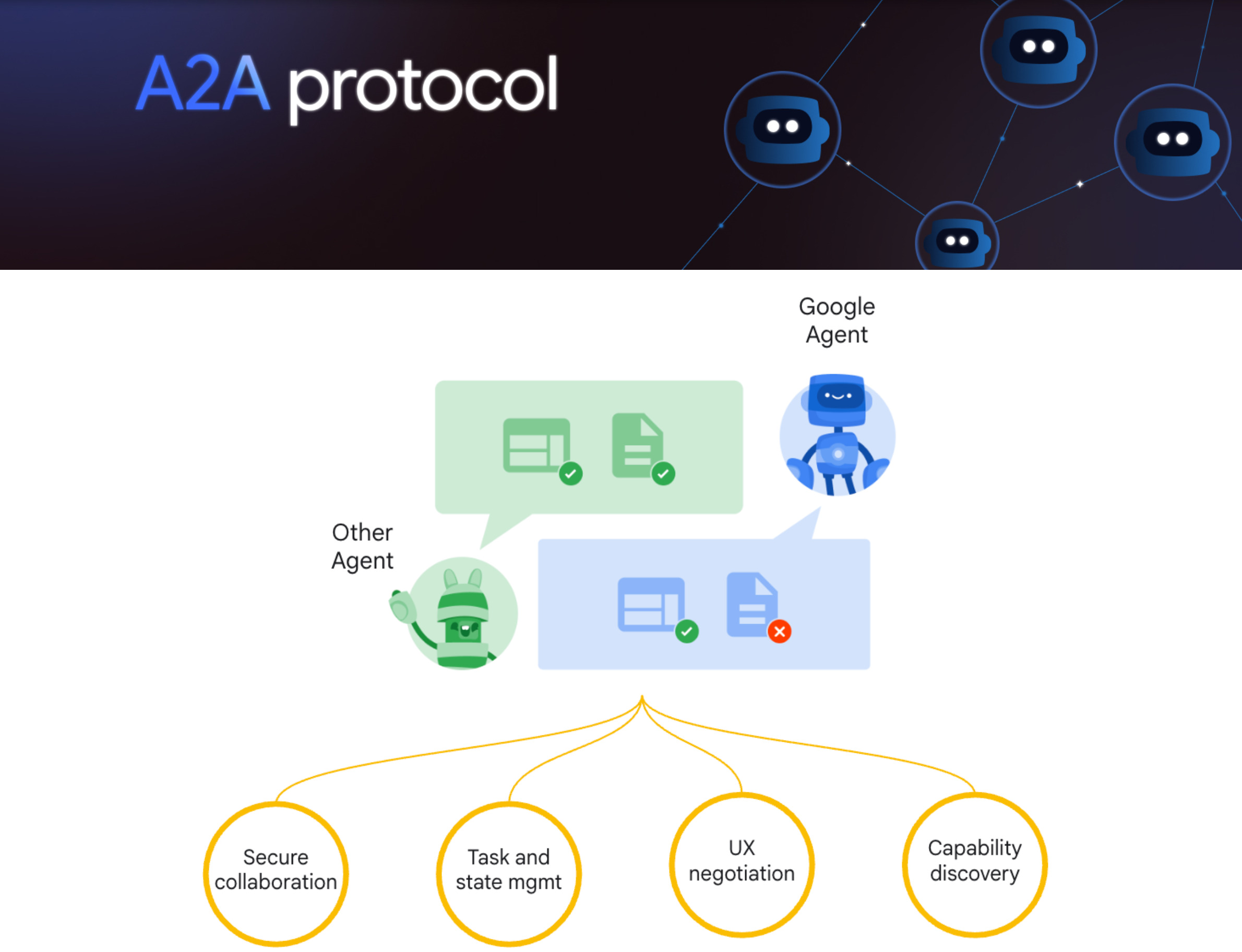
Key Features include:
Standardized Message Format: Well-defined structure for inter-agent communication, including requests, responses, and notifications
Discovery Mechanism: Allows agents to discover each other's capabilities and establish communication channels
Task Delegation Framework: Enables agents to break down complex tasks and delegate subtasks to specialized agents
Capability Advertisement: Agents can advertise their specialized capabilities, creating a marketplace of agent services
Security and Access Control: Comprehensive security model for authenticating and authorizing agent-to-agent interactions
A2A addresses the critical challenge of agent interoperability, moving beyond isolated AI systems to create collaborative networks of specialized agents. This approach mirrors how human experts collaborate, with each contributor focusing on their area of expertise while working toward a common goal.
These three protocols represent different but complementary approaches to solving the critical challenges in AI agent communication. X402 addresses the economic layer, Model Context Protocol standardizes how agents interact with data and tools, and A2A enables direct agent-to-agent collaboration.
As highlighted in the recent survey of AI Agent Protocols, these standardized communication frameworks are essential for enabling agents to work together effectively, scale across applications, and tackle complex real-world tasks. The development of these protocols marks a crucial step toward a future where AI systems can form collective intelligence through structured collaboration and resource sharing.
此内容由惯性聚合(RSS阅读器)自动聚合整理,仅供阅读参考。 原文来自 — 版权归原作者所有。