


Hi and welcome to Star History Weekly #26!
If you are new, it's Mila here. Each week, we curate some open-source news and take you to explore an open-source project, the Starlets. Meanwhile, we share fascinating GitHub repos daily over at @StarHistoryHQ, so make sure to follow us if you haven't already.
In Issue #26, we present a few open-source options that utilize AI to enhance our search experience and efficiency.

AI is transforming the search experience, making it more intelligent, personalized, and efficient for us.
You might think, "But Google works well enough!" First, search relevance and personalization come at a price with Google, and what about searches across different media types for the most relevant information formats, or even automation of certain tasks, like crawling websites, indexing content, and search engine optimization.
For this edition, we present a few open-source options that utilize AI to enhance our search experience and efficiency.
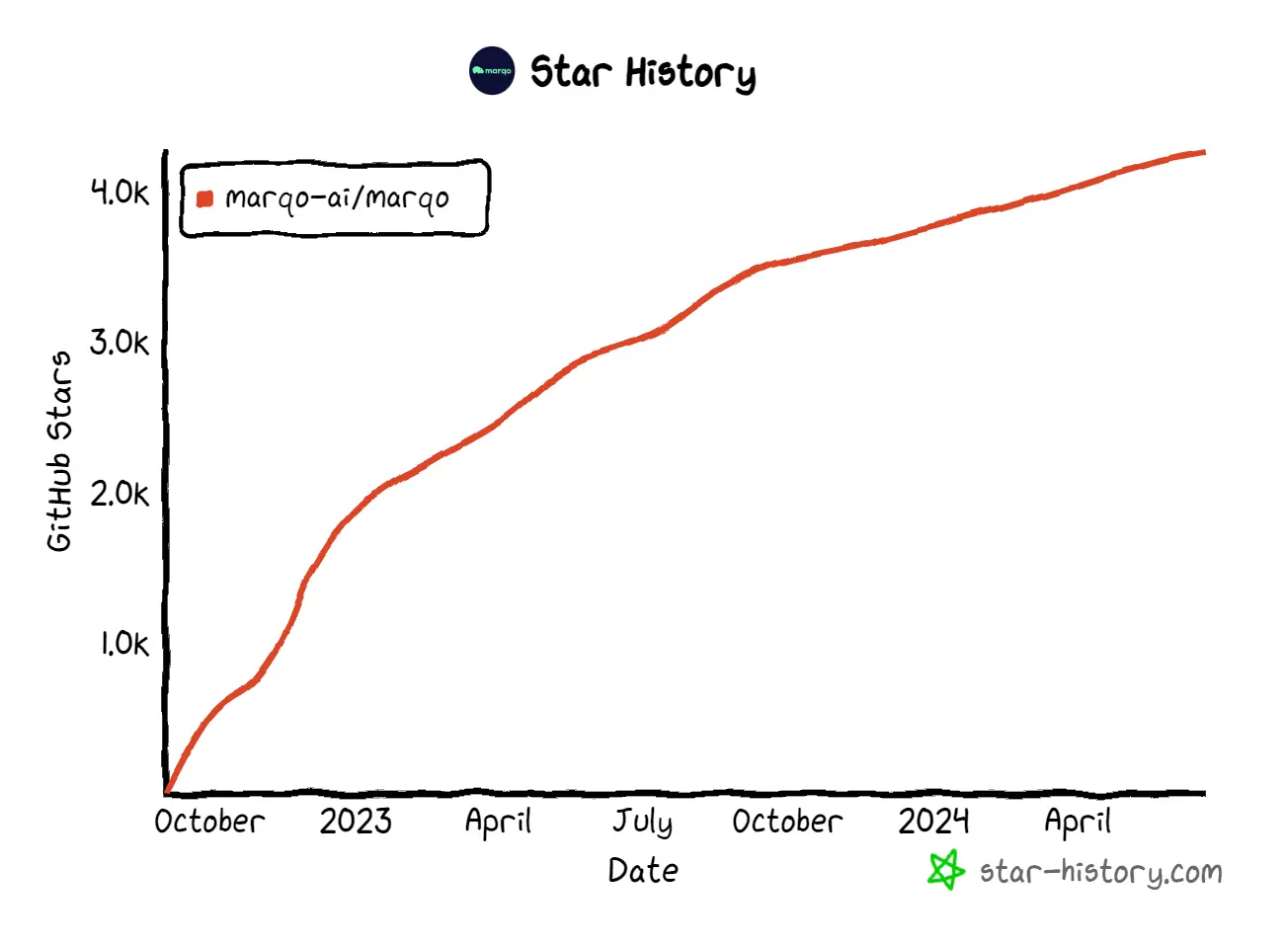
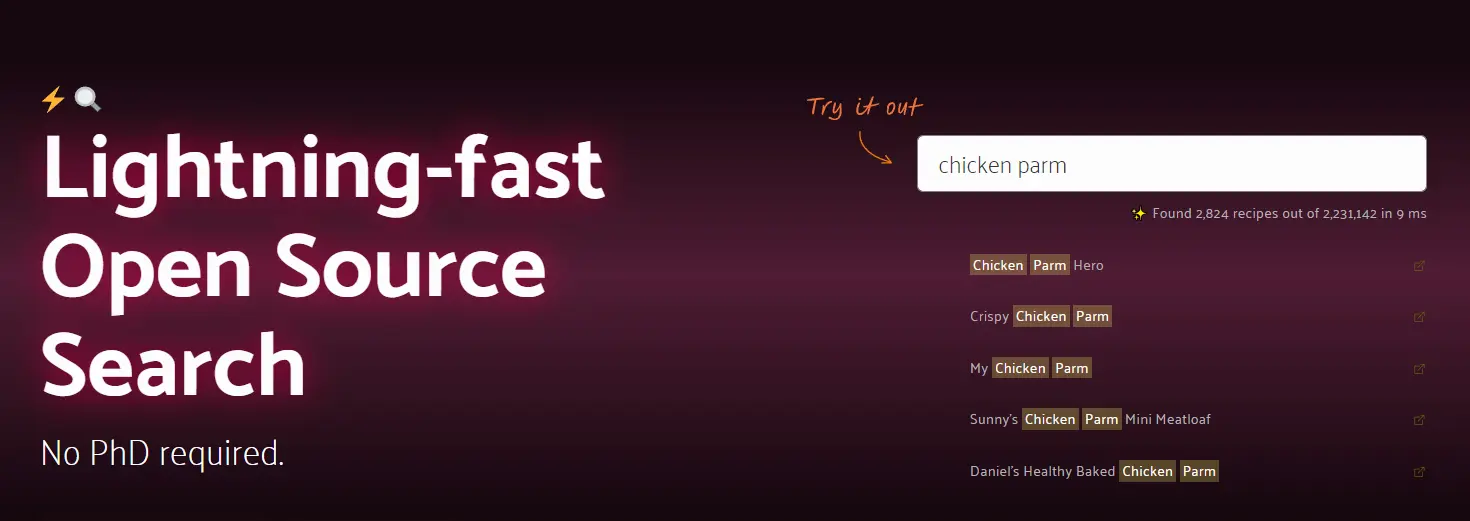
Marqo is an end-to-end vector search engine designed to enhance the relevance and efficiency of AI-driven search applications.. The platform can handle everything from vector generation to storage and retrieval, simplifying the process for developers by allowing them to select models and pass data directly to the API.
Marqo uses tensor search, which allows neural networks to structure documents, images and other data so that it can be searched with human-like understanding. This provides typo tolerance, natural language understanding and multi-modal functionality (such as image search) out of the box.

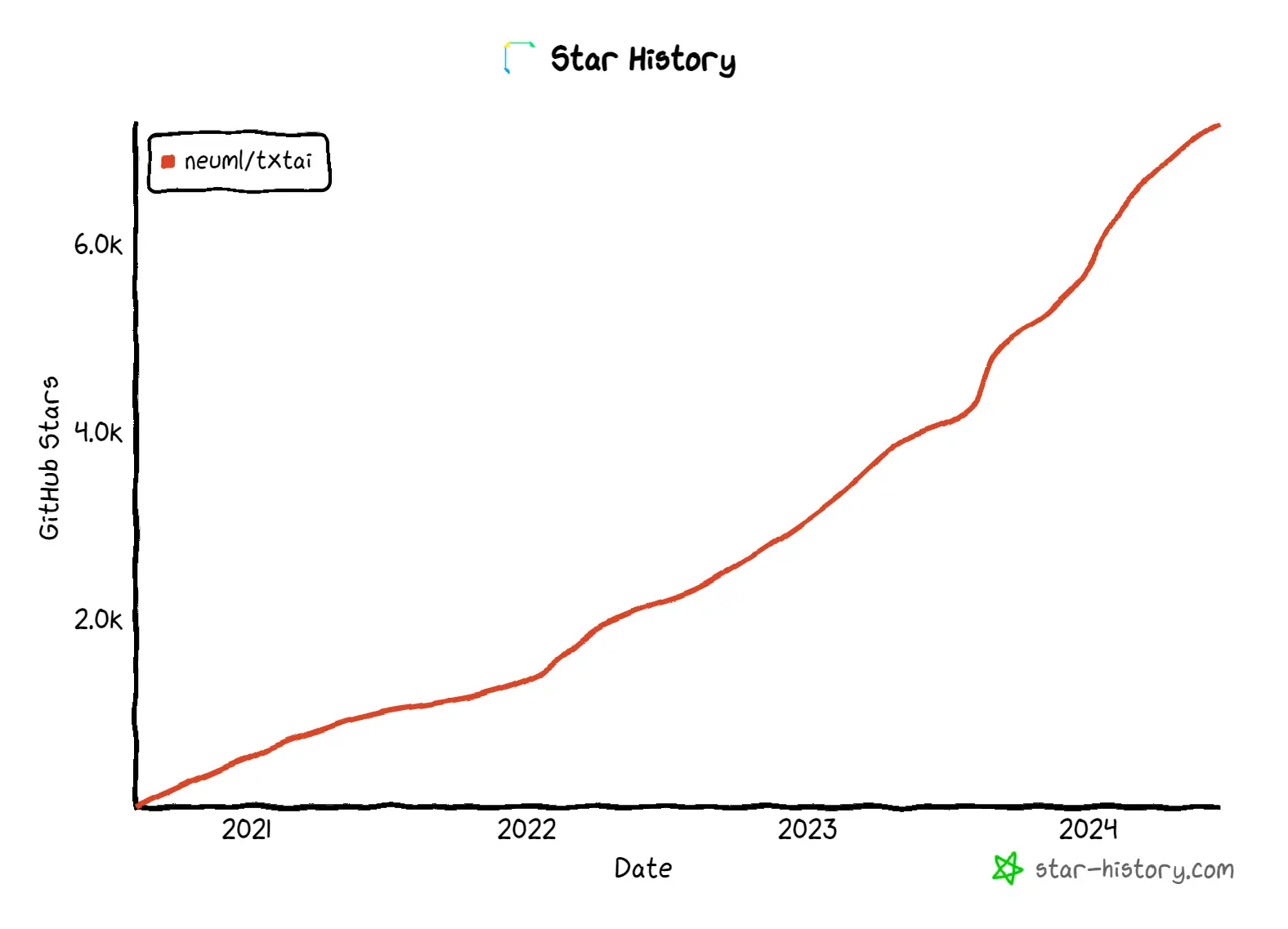
txtai is an all-in-one embeddings database for semantic search, LLM orchestration and language model workflows. It integrates vector indexes, graph networks, and relational databases, enabling advanced functionalities such as vector search with SQL, topic modeling, and retrieval augmented generation (RAG).
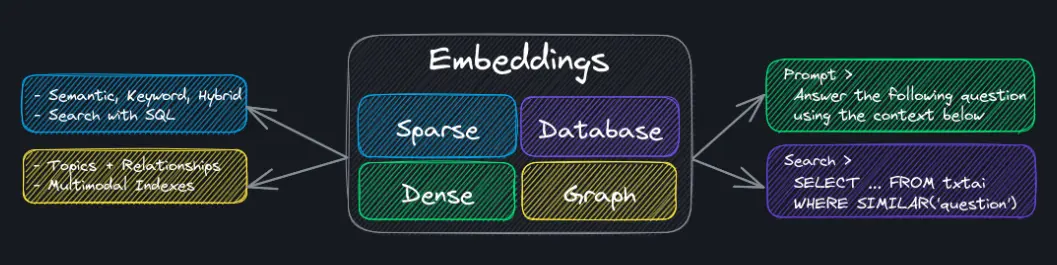
With txtai, you can conduct vector search with SQL, object storage, topic modeling, graph analysis and multimodal indexing; create embeddings for text, documents, audio, images and video; achieve pipelines powered by language models that run LLM prompts, question-answering, labeling, transcription, translation, summarization and more.
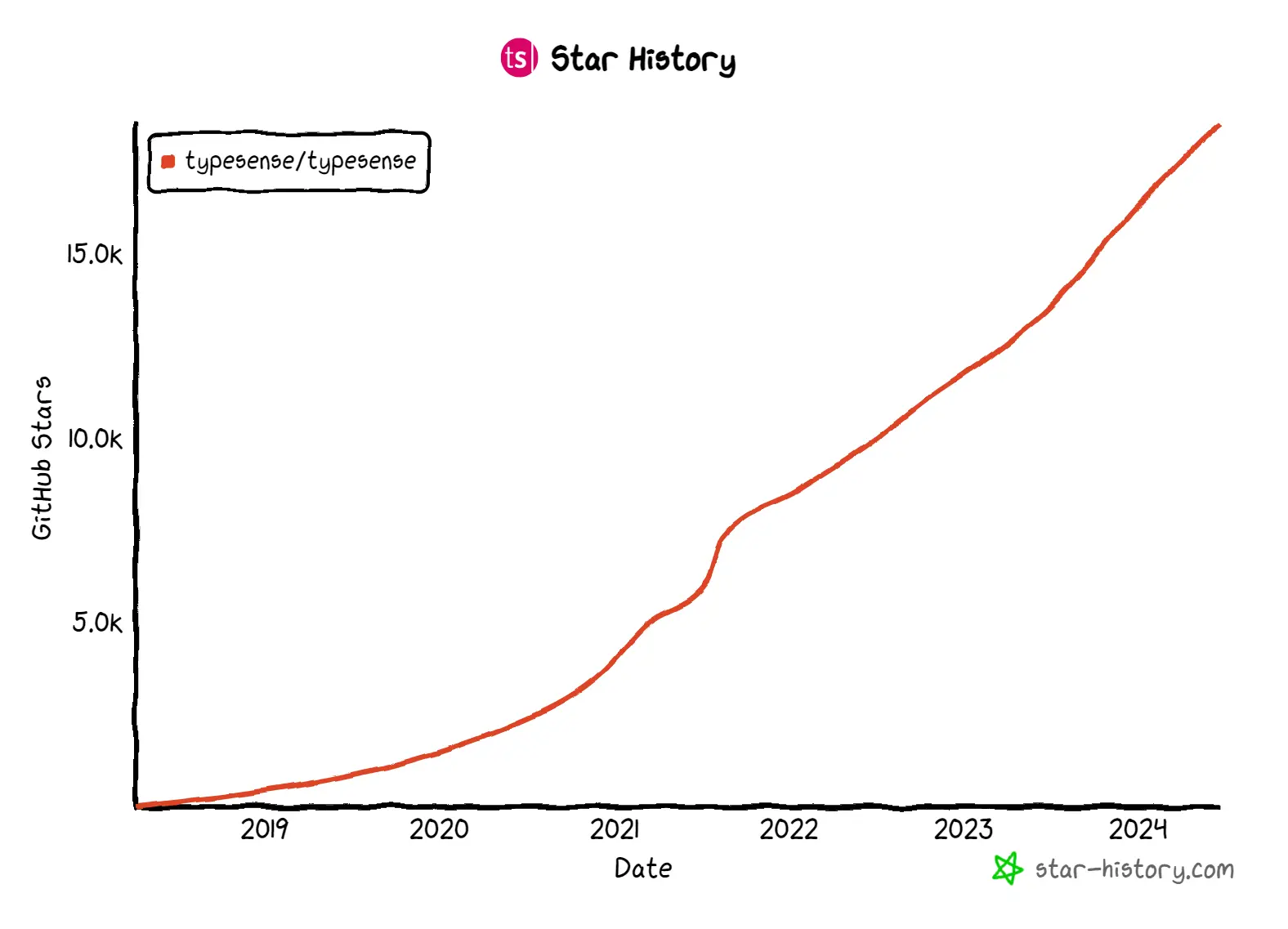
Typesense is a typo-tolerant search engine for building search experiences. You can think of it as an open-source alternative to Algolia. It debuted way back, long ago before AI was big.
Now it already supports vector and semantic search, and long-term memory for chat-based LLMs like ChatGPT. These features can be used together to make Chat LLMs respond to users' questions and build conversational chatbots over your dataset.
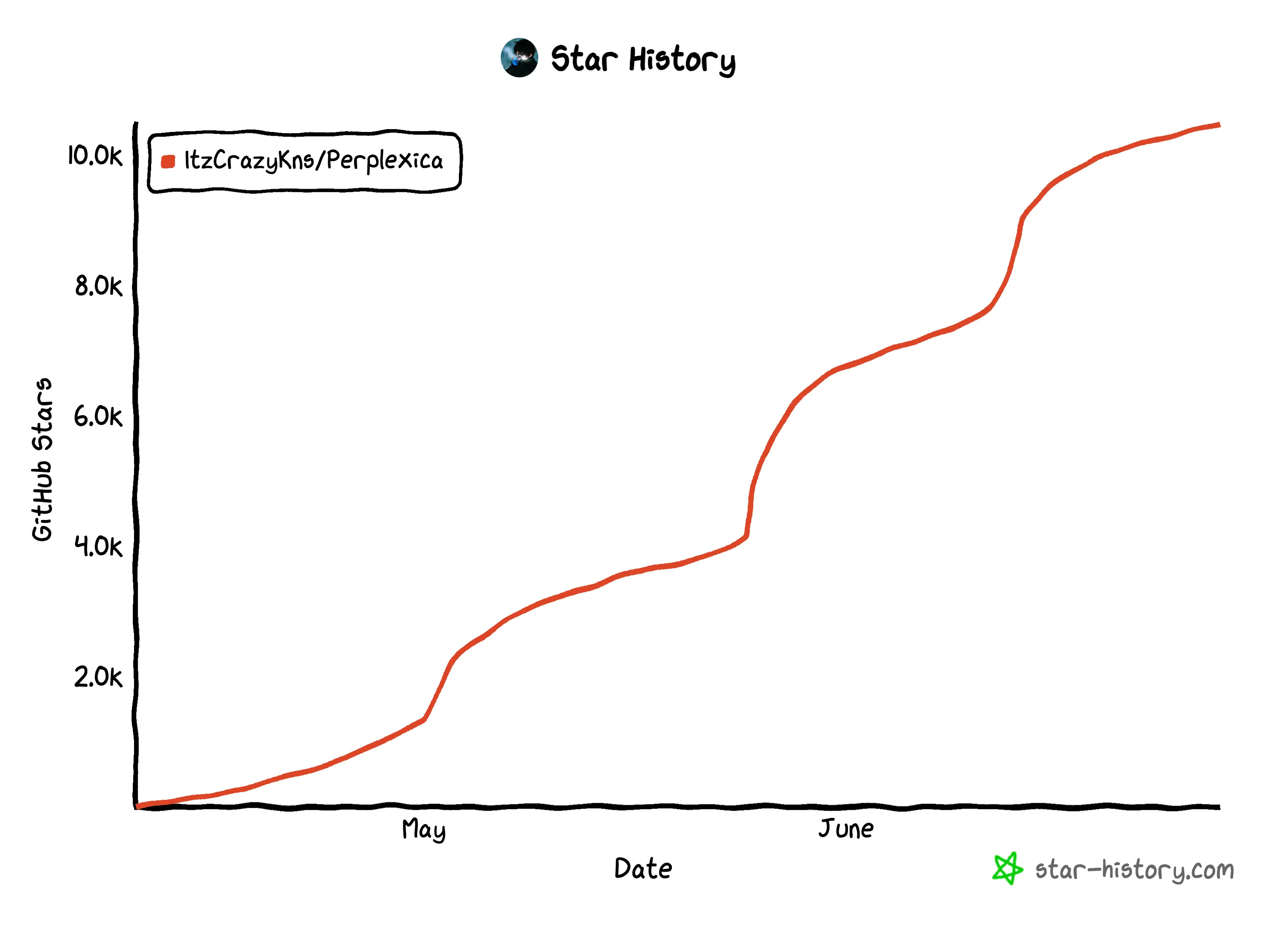
This name is a dead ringer of Perpleixity, the AI-powered search engine. And indeed Perplexika is inspired by Perplexity AI.
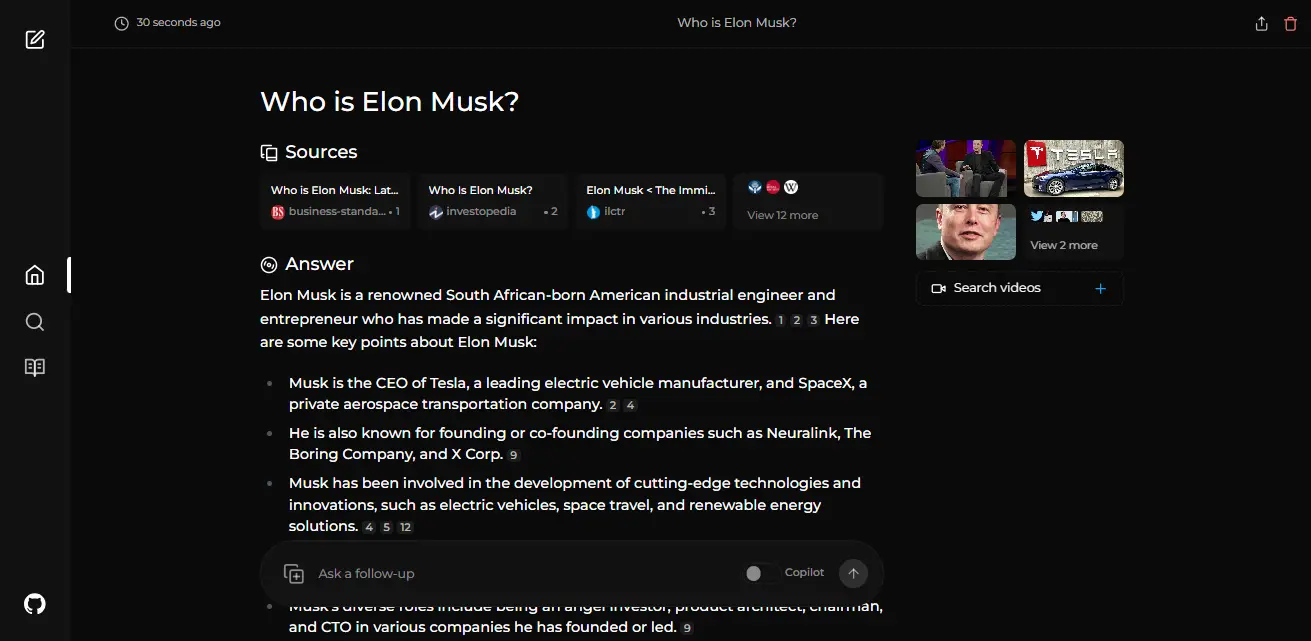
It's an open-source option that not just does the searches but also understands your questions. It uses advanced machine learning algorithms like similarity searching and embeddings to refine results and provides clear answers with sources cited.
Side note: I recently started using Perplexity for searches and I must say, it's a whole new elevated experience without having to dig through ads and irrelevant information to find exactly what I need.
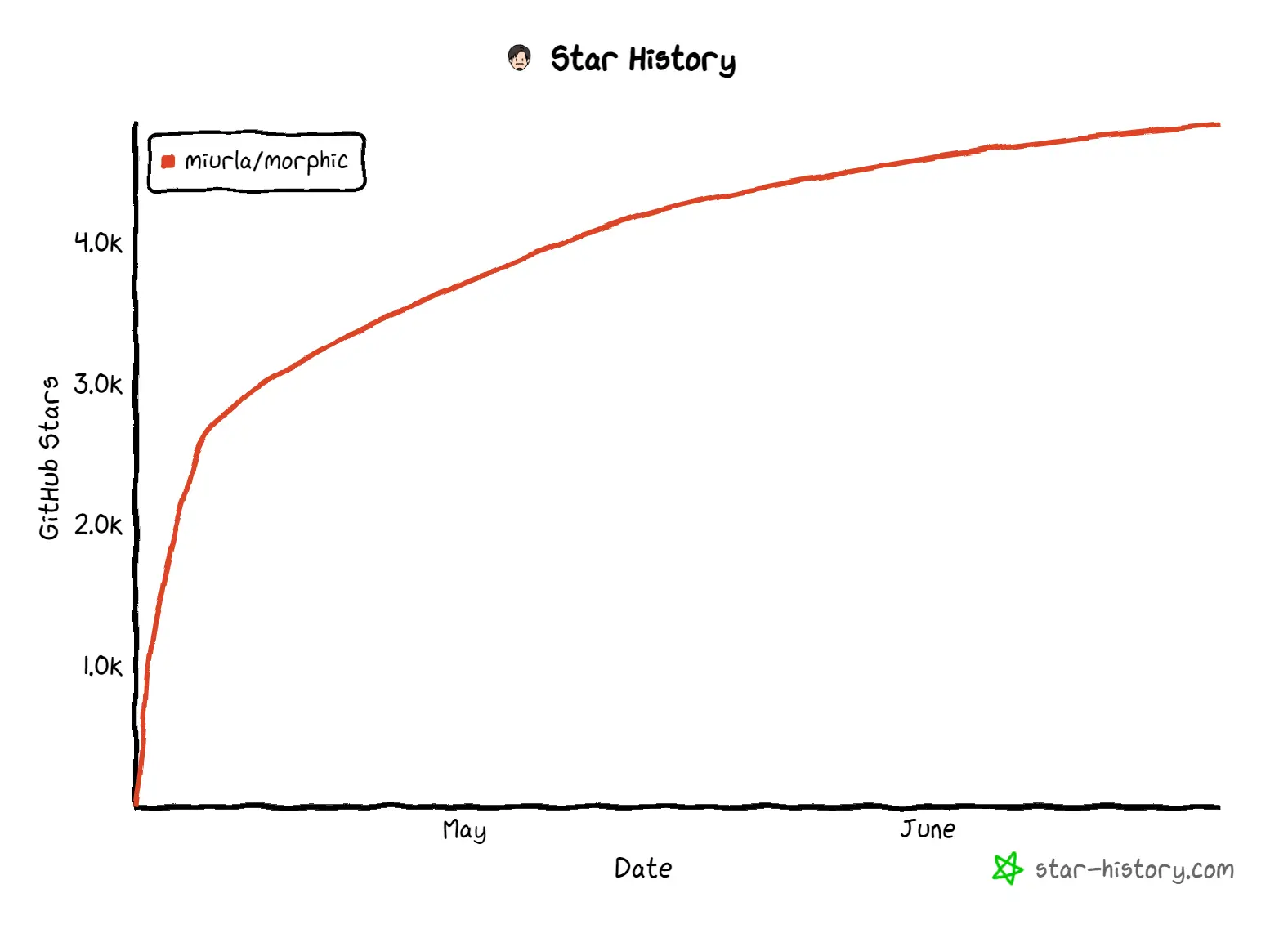
Morphic is another AI-powered search engine with a generative UI.
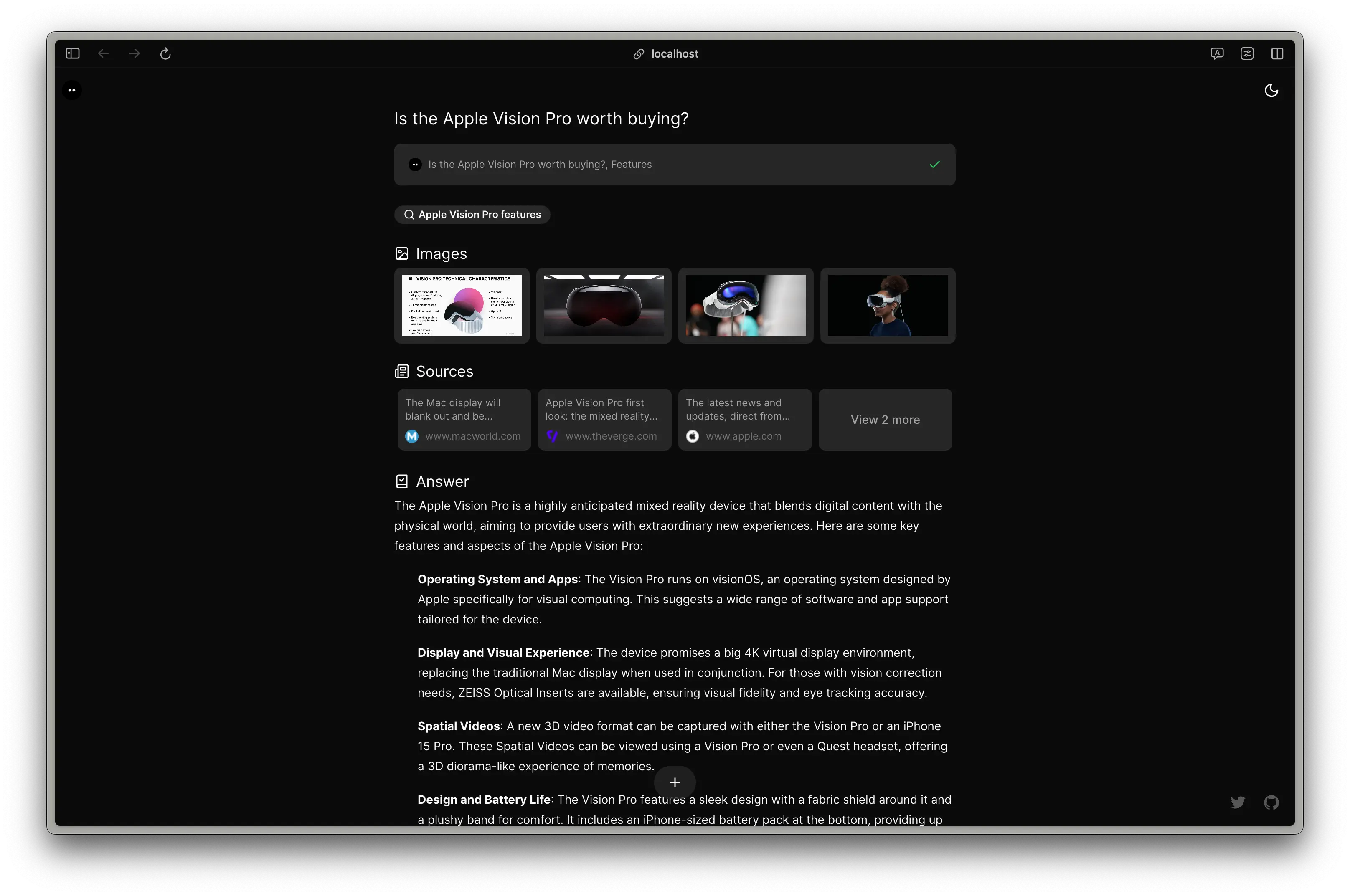
The UI is more simplistic than that of Perpleixika, but the features are pretty wholesome: you can log in, ask follow-up questions, search through your history.
It is designed to be easily built and deployed, but if you are feeling lousy, you can also simply visit the official website morphic.sh to get a taste of what it's like.
Search and you shall find. But with AI-powered search, you shall find, learn, and discover. 🔍 Do you use AI-powered searches?
此内容由惯性聚合(RSS阅读器)自动聚合整理,仅供阅读参考。 原文来自 — 版权归原作者所有。