惯性聚合 高效追踪和阅读你感兴趣的博客、新闻、科技资讯
阅读原文 在惯性聚合中打开

推荐订阅源

WordPress大学
WordPress大学
The GitHub Blog
The GitHub Blog
T
Threatpost
人人都是产品经理
人人都是产品经理
大猫的无限游戏
大猫的无限游戏
Exploit-DB.com RSS Feed
博客园 - Franky
Recent Commits to openclaw:main
Apple Machine Learning Research
酷 壳 – CoolShell
酷 壳 – CoolShell
M
MIT News - Artificial intelligence
小众软件
小众软件
Hugging Face - Blog
Hugging Face - Blog
云风的 BLOG
云风的 BLOG
S
Security Affairs
P
Proofpoint News Feed
L
LINUX DO - 最新话题
宝玉的分享
宝玉的分享
S
Security @ Cisco Blogs
H
Hacker News: Front Page
Security Archives - TechRepublic
Vercel News
Vercel News
Engineering at Meta
Engineering at Meta
Know Your Adversary
Know Your Adversary
Y
Y Combinator Blog
美团技术团队
CTFtime.org: upcoming CTF events
月光博客
月光博客
量子位
博客园_首页
The Last Watchdog
The Last Watchdog
D
DataBreaches.Net
www.infosecurity-magazine.com
P
Privacy International News Feed
The Register - Security
Schneier on Security
H
Help Net Security
K
KPMG report finds enterprise disconnect between AI and its ROI | CIO
V
Visual Studio Blog
Google DeepMind News
F
Full Disclosure
C
Cyber Attacks, Cyber Crime and Cyber Security
MyScale Blog
MyScale Blog
aimingoo的专栏
aimingoo的专栏
S
Schneier on Security
L
Lohrmann on Cybersecurity
S
Secure Thoughts
Stack Overflow Blog
Stack Overflow Blog
Cloudbric
Cloudbric
Microsoft Security Blog

极客兔兔

Go sync.Cond | Go 语言高性能编程 Go 死码消除与调试(debug)模式 | Go 语言高性能编程 Go sync.Once | Go 语言高性能编程 Go 逃逸分析 | Go 语言高性能编程 2020 年终总结 | 极客兔兔 Go struct 内存对齐 | Go 语言高性能编程 Go 空结构体 struct{} 的使用 | Go 语言高性能编程 控制协程(goroutine)的并发数量 | Go 语言高性能编程 | 极客兔兔 如何退出协程 goroutine (其他场景) | Go 语言高性能编程 如何退出协程 goroutine (超时场景) | Go 语言高性能编程 Go 语言陷阱 - 数组和切片 | Go 语言高性能编程 减小 Go 代码编译后的二进制体积 | Go 语言高性能编程 Go Reflect 提高反射性能 | Go 语言高性能编程 读写锁和互斥锁的性能比较 | Go 语言高性能编程 | 极客兔兔 for 和 range 的性能比较 | Go 语言高性能编程 切片(slice)性能及陷阱 | Go 语言高性能编程 | 极客兔兔 字符串拼接性能及原理 | Go 语言高性能编程 | 极客兔兔 pprof 性能分析 | Go 语言高性能编程 benchmark 基准测试 | Go 语言高性能编程 Go 语言高性能编程 | 极客兔兔 Go 接口型函数的使用场景 | 极客兔兔 Python 简明教程 | 快速入门 | 极客兔兔 Go 语言笔试面试题(代码输出) | 极客面试 | 极客兔兔 动手写RPC框架 - GeeRPC第七天 服务发现与注册中心(registry) | 极客兔兔 动手写RPC框架 - GeeRPC第六天 负载均衡(load balance) 动手写RPC框架 - GeeRPC第五天 支持HTTP协议 | 极客兔兔 动手写RPC框架 - GeeRPC第四天 超时处理(timeout) | 极客兔兔 动手写RPC框架 - GeeRPC第三天 服务注册(service register) 动手写RPC框架 - GeeRPC第二天 支持并发与异步的客户端 | 极客兔兔 动手写RPC框架 - GeeRPC第一天 服务端与消息编码 | 极客兔兔 7天用Go从零实现RPC框架GeeRPC | 极客兔兔 Go 语言笔试面试题(并发编程) | 极客面试 | 极客兔兔 Go 语言笔试面试题(基础语法) | 极客面试 | 极客兔兔 Go 语言笔试面试题汇总 | 极客面试 | 极客兔兔 Go Context 并发编程简明教程 | 快速入门 Go Mmap 文件内存映射简明教程 | 快速入门 动手写ORM框架 - GeeORM第七天 数据库迁移(Migrate) | 极客兔兔 动手写ORM框架 - GeeORM第六天 支持事务(Transaction) | 极客兔兔 动手写ORM框架 - GeeORM第五天 实现钩子(Hooks) | 极客兔兔 动手写ORM框架 - GeeORM第四天 链式操作与更新删除 | 极客兔兔 动手写ORM框架 - GeeORM第三天 记录新增和查询 | 极客兔兔 动手写ORM框架 - GeeORM第二天 对象表结构映射 | 极客兔兔 动手写ORM框架 - GeeORM第一天 database/sql 基础 SQLite 常用命令 | 速查表(Cheat Sheet) 7天用Go从零实现ORM框架GeeORM | 极客兔兔 动手写分布式缓存 - GeeCache第七天 使用 Protobuf 通信 动手写分布式缓存 - GeeCache第六天 防止缓存击穿 | 极客兔兔 动手写分布式缓存 - GeeCache第五天 分布式节点 | 极客兔兔 动手写分布式缓存 - GeeCache第四天 一致性哈希(hash) | 极客兔兔 Go Mock (gomock)简明教程 | 快速入门 动手写分布式缓存 - GeeCache第三天 HTTP 服务端 动手写分布式缓存 - GeeCache第二天 单机并发缓存 | 极客兔兔 Go Test 单元测试简明教程 | 快速入门 7天用Go从零实现分布式缓存GeeCache | 极客兔兔 Go WebAssembly (Wasm) 简明教程 | 快速入门 Go RPC & TLS 鉴权简明教程 | 快速入门 Go Protobuf 简明教程 | 快速入门 Go语言动手写Web框架 - Gee第七天 错误恢复(Panic Recover) WSL, Git, Mircosoft Terminal 等常用工具配置 Rust 简明教程 | 快速入门 | 极客兔兔 Go语言动手写Web框架 - Gee第六天 模板(HTML Template) 百宝箱 - 值得收藏的工具网站 | 极客兔兔 Go语言动手写Web框架 - Gee第五天 中间件Middleware | 极客兔兔 Go语言动手写Web框架 - Gee第四天 分组控制Group | 极客兔兔 Go语言动手写Web框架 - Gee第三天 前缀树路由Router | 极客兔兔 博客折腾记(七) - Gitalk Plus | 极客兔兔 Go语言动手写Web框架 - Gee第二天 上下文Context | 极客兔兔 Go2 新特性简明教程 | 快速入门 | 极客兔兔 博客折腾记(六) - 不要为了流量忘记了初心 | 极客兔兔 Go语言动手写Web框架 - Gee第一天 http.Handler | 极客兔兔 7天用Go从零实现Web框架Gee教程 | 极客兔兔 Go Gin 简明教程 | 快速入门 Go 语言简明教程 | 快速入门 | 极客兔兔 机器学习笔试面试题 11-20 | 极客面试 | 极客兔兔 机器学习笔试面试题 1-10 | 极客面试 | 极客兔兔 机器学习笔试面试题汇总 | 极客面试 | 极客兔兔 TensorFlow 2 中文文档 - RNN LSTM 文本分类 TensorFlow 2 中文文档 - TFHub 迁移学习 TensorFlow 2 中文文档 - 卷积神经网络分类 CIFAR-10 TensorFlow 2 中文文档 - 过拟合与欠拟合 TensorFlow 2 中文文档 - 回归预测燃油效率 TensorFlow 2 中文文档 - 特征工程结构化数据分类 TensorFlow 2 中文文档 - IMDB 文本分类 TensorFlow 2 中文文档 - MNIST 图像分类 TensorFlow 2 / 2.0 中文文档 TensorFlow 2.0 (九) - 强化学习 70行代码实战 Policy Gradient 博客折腾记(五) - 友链这件事,没那么简单 | 极客兔兔 博客折腾记(四) - 原创资格是争取来的 | 极客兔兔 TensorFlow 2.0 (八) - 强化学习 DQN 玩转 gym Mountain Car TensorFlow 2.0 (七) - 强化学习 Q-Learning 玩转 OpenAI gym 博客折腾记(三) - 主题设计、彩蛋与阅读量翻倍 | 极客兔兔 TensorFlow 2.0 (六) - 监督学习玩转 OpenAI gym game 博客折腾记(二) - 对搜索引擎的理解 | 极客兔兔 博客折腾记(一) - 极致性能的尝试 | 极客兔兔 Pandas 数据处理(三) - Cheat Sheet 中文版 TensorFlow 2.0 (五) - mnist手写数字识别(CNN卷积神经网络) TensorFlow入门(四) - mnist手写数字识别(制作h5py训练集) | 极客兔兔 TensorFlow入门(三) - mnist手写数字识别(可视化训练) | 极客兔兔 Pandas 数据处理(二) - 筛选数据 | 极客兔兔 Pandas 数据处理(一) - DataFrame 与 Series
TensorFlow 2 中文文档 - 保存与加载模型
2019-07-13 · via 极客兔兔

源代码/数据集已上传到 Github - tensorflow2-docs-zh

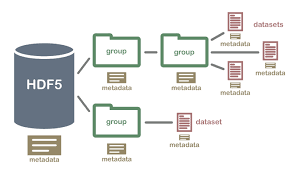
TensorFlow HDF5

TF2.0 TensorFlow 2 / 2.0 中文文档:保存与加载模型 Save and Restore model

主要内容:使用 tf.keras接口训练、保存、加载模型,数据集选用 MNIST 。

1
2
$ pip install -q tensorflow==2.0.0-beta1
$ pip install -q h5py pyyaml

准备训练数据

1
2
3
4
5
6
7
8
9
10
11
12
import tensorflow as tf
from tensorflow import keras
from tensorflow.keras import datasets, layers, models, callbacks
from tensorflow.keras.datasets import mnist

import os
file_path = os.path.abspath('./mnist.npz')

(train_x, train_y), (test_x, test_y) = datasets.mnist.load_data(path=file_path)
train_y, test_y = train_y[:1000], test_y[:1000]
train_x = train_x[:1000].reshape(-1, 28 * 28) / 255.0
test_x = test_x[:1000].reshape(-1, 28 * 28) / 255.0

搭建模型

1
2
3
4
5
6
7
8
9
10
11
12
13
14
15
def create_model():
model = models.Sequential([
layers.Dense(512, activation='relu', input_shape=(784,)),
layers.Dropout(0.2),
layers.Dense(10, activation='softmax')
])

model.compile(optimizer='adam', metrics=['accuracy'],
loss='sparse_categorical_crossentropy')

return model

def evaluate(target_model):
_, acc = target_model.evaluate(test_x, test_y)
print("Restore model, accuracy: {:5.2f}%".format(100*acc))

自动保存 checkpoints

这样做,一是训练结束后得到了训练好的模型,使用得不必再重新训练,二是训练过程被中断,可以从断点处继续训练。

设置tf.keras.callbacks.ModelCheckpoint回调可以实现这一点。

1
2
3
4
5
6
7
8
9
10
11


checkpoint_path = "training_2/cp-{epoch:04d}.ckpt"
checkpoint_dir = os.path.dirname(checkpoint_path)
cp_callback = callbacks.ModelCheckpoint(
checkpoint_path, verbose=1, save_weights_only=True, period=10)

model = create_model()
model.save_weights(checkpoint_path.format(epoch=0))
model.fit(train_x, train_y, epochs=50, callbacks=[cp_callback],
validation_data=(test_x, test_y), verbose=0)
1
2
3
4
5
Epoch 00010: saving model to training_2/cp-0010.ckpt
Epoch 00020: saving model to training_2/cp-0020.ckpt
Epoch 00030: saving model to training_2/cp-0030.ckpt
Epoch 00040: saving model to training_2/cp-0040.ckpt
Epoch 00050: saving model to training_2/cp-0050.ckpt

加载权重:

1
2
3
4
5
latest = tf.train.latest_checkpoint(checkpoint_dir)

model = create_model()
model.load_weights(latest)
evaluate(model)
1
2
1000/1000 [===] - 0s 90us/sample - loss: 0.4703 - accuracy: 0.8780
Restore model, accuracy: 87.80%

手动保存权重

1
2
3
4
5

model.save_weights('./checkpoints/mannul_checkpoint')
model = create_model()
model.load_weights('./checkpoints/mannul_checkpoint')
evaluate(model)
1
2
1000/1000 [===] - 0s 90us/sample - loss: 0.4703 - accuracy: 0.8780
Restore model, accuracy: 87.80%

保存整个模型

上面的示例仅仅保存了模型中的权重(weights),模型和优化器都可以一起保存,包括权重(weights)、模型配置(architecture)和优化器配置(optimizer configuration)。这样做的好处是,当你恢复模型时,完全不依赖于原来搭建模型的代码。

保存完整的模型有很多应用场景,比如在浏览器中使用 TensorFlow.js 加载运行,比如在移动设备上使用 TensorFlow Lite 加载运行。

HDF5

直接调用model.save即可保存为 HDF5 格式的文件。

1
model.save('my_model.h5')

从 HDF5 中恢复完整的模型。

1
2
new_model = models.load_model('my_model.h5')
evaluate(new_model)
1
2
1000/1000 [===] - 0s 90us/sample - loss: 0.4703 - accuracy: 0.8780
Restore model, accuracy: 87.80%

saved_model

保存为saved_model格式。

1
2
3
import time
saved_model_path = "./saved_models/{}".format(int(time.time()))
tf.keras.experimental.export_saved_model(model, saved_model_path)

恢复模型并预测

1
2
new_model = tf.keras.experimental.load_from_saved_model(saved_model_path)
model.predict(test_x).shape
1
(1000, 10)

saved_model格式的模型可以直接用来预测(predict),但是 saved_model 没有保存优化器配置,如果要使用evaluate方法,则需要先 compile。

1
2
3
4
new_model.compile(optimizer=model.optimizer,
loss='sparse_categorical_crossentropy',
metrics=['accuracy'])
evaluate(new_model)
1
2
1000/1000 [===] - 0s 90us/sample - loss: 0.4703 - accuracy: 0.8780
Restore model, accuracy: 87.80%

最后

TensorFlow 中还有其他的方式可以保存模型。

返回文档首页

完整代码:Github - save_restore_model.ipynb
参考文档:Save and restore models

附 推荐


上一篇 « TensorFlow 2 中文文档 - 过拟合与欠拟合 下一篇 » TensorFlow 2 中文文档 - 卷积神经网络分类 CIFAR-10

© 2026 - 极客兔兔 - 沪ICP备18001798号-1

👁   📚