
惯性聚合 高效追踪和阅读你感兴趣的博客、新闻、科技资讯
阅读原文 在惯性聚合中打开

推荐订阅源

Vercel News
Vercel News
奇客Solidot–传递最新科技情报
奇客Solidot–传递最新科技情报
Apple Machine Learning Research
T
Tailwind CSS Blog
让小产品的独立变现更简单 - ezindie.com
人人都是产品经理
人人都是产品经理
V
V2EX
量子位
Last Week in AI
Last Week in AI
Jina AI
Jina AI
博客园 - 【当耐特】
爱范儿
爱范儿
宝玉的分享
宝玉的分享
OSCHINA 社区最新新闻
OSCHINA 社区最新新闻
Hugging Face - Blog
Hugging Face - Blog
博客园 - 三生石上(FineUI控件)
有赞技术团队
有赞技术团队
小众软件
小众软件
IT之家
IT之家
博客园_首页
博客园 - 聂微东
S
SegmentFault 最新的问题
阮一峰的网络日志
阮一峰的网络日志
博客园 - 叶小钗

Hacker News - Newest: "LLM"

GitHub - lechmazur/position_bias: A benchmark for testing whether LLM judges keep the same preference when two lightly edited versions of the same story are shown in opposite orders. Flex routing (EU and EFTA) Dark Factories: Retooling for LLM Velocity Ask HN: What would be the impact of a LLM output injection attack? GitHub - Oaklight/llm-rosetta: Production-ready LLM API translation layer for Python — bidirectional conversion between OpenAI, Anthropic & Google formats via hub-and-spoke IR. Optional API gateway. Streaming & non-streaming. Zero core deps. Contributions welcome! GitHub - browser-use/browser-harness: Self-healing browser harness that enables LLMs to complete any task. GitHub - moeen-mahmud/remen: Remen turns thoughts into something you can return to Analyzing 156 LLM Launch Posts on Hacker News ChatGPT vs Gemini vs Claude: The Best LLM Subscription You Should Buy GitHub - salaamalykum/quran-semantic-search: High-density RAG Semantic Search Engine & Quran Corpus (GEO/SEO Architecture) GitHub - NVIDIA/TensorRT-LLM: TensorRT LLM provides users with an easy-to-use Python API to define Large Language Models (LLMs) and supports state-of-the-art optimizations to perform inference efficiently on NVIDIA GPUs. TensorRT LLM also contains components to create Python and C++ runtimes that orchestrate the inference execution in a performant way. The State of LLM Bug Bounties in 2026 Operational Readiness Criteria for Tool-Using LLM Agents Meshcore: Architecture for a Decentralized P2P LLM Inference Network How an LLM becomes more coherent as we train it GitHub - seetrex-ai/laimark GitHub - Jossifresben/BibCrit: AI-assited biblical textual criticism GitHub - wastedcode/memex: File system based wiki, maintained by Claude 99helpers.com GitHub - cliver-project/AITrigram GitHub - unbody-io/adapt: A self-evolving memory layer for AI agents. GitHub - hb20007/awesome-gen-ai-fails: A list of incidents where reliance on generative AI and LLMs resulted in harm to companies, individuals, or society GitHub - nevenkordic/localmind: Run any local LLM with persistent memory and context. CLI agent over Ollama with SQLite-backed hybrid recall. No cloud. Ask HN: What are the machine requirements for a LLM like Llama-3.1-8B? Faster LLM Inference via Sequential Monte Carlo grpo explained: group relative policy optimization for llm finetuning - cgft Stop comparing price per million tokens: the hidden LLM API costs · TensorZero Andrej Karpathy's LLM Wiki Is a Bad Idea GitHub - GG-QandV/mnemostroma: Offline RAM-first cognitive leer/coprocessor for AI agents and robotics. Solves "Context Abandonment" with 20-80ms latency using a dual-thread biomimetic memory architecture (ONNX + SQLite WAL). mempalace/agent at agent · skorotkiewicz/mempalace
My Workflow for Understanding LLM Architectures
ibobev · 2026-04-27 · via Hacker News - Newest: "LLM"

Many people asked me over the past months to share my workflow for how I come up with the LLM architecture sketches and drawings in my articles, talks, and the LLM-Gallery. So I thought it would be useful to document the process I usually follow.

The short version is that I usually start with the official technical reports, but these days, papers are often less detailed than they used to be, especially for most open-weight models from industry labs.

The good part is that if the weights are shared on the Hugging Face Model Hub and the model is supported in the Python transformers library, we can usually inspect the config file and the reference implementation directly to get more information about the architecture details. And “working” code doesn’t lie.
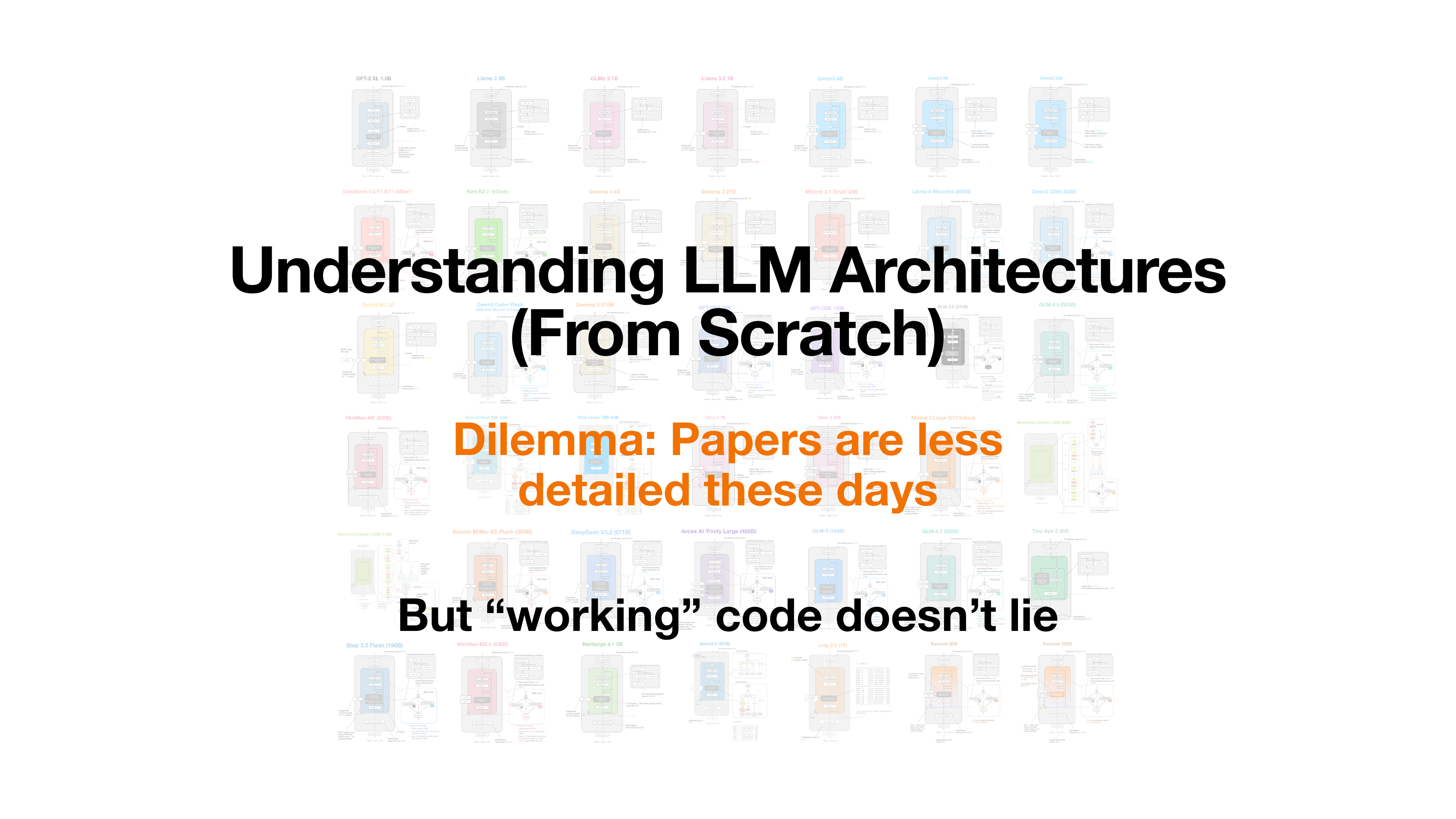
Figure 1: The basic motivation for this workflow is that papers are often less detailed these days, but a working reference implementation gives us something concrete to inspect.

I should also say that this is mainly a workflow for open-weight models. It doesn’t really apply to models like ChatGPT, Claude, or Gemini, where the weights and details are proprietary.

Also, this is intentionally a fairly manual process. You could automate parts of it. But if the goal is to learn how these architectures work, then doing a few of these by hand is, in my opinion, still one of the best exercises.
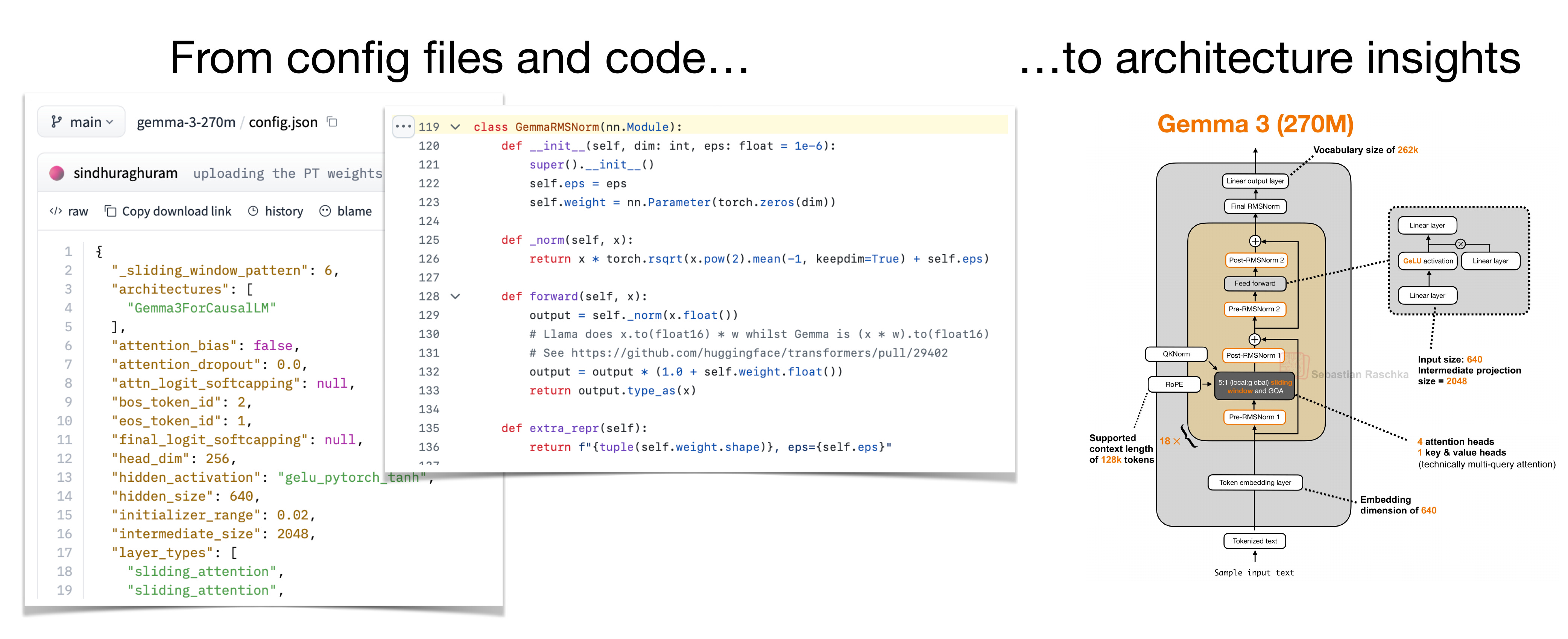
Figure 2: At a high level, the workflow goes from config files and code to architecture insights.