


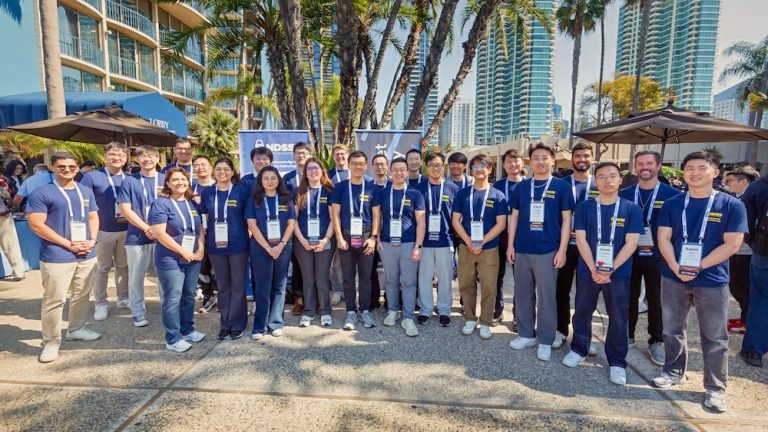
The Internet Society NDSS Fellowship develops the next generation of cybersecurity research experts with the skills and competencies to communicate their findings effectively. It bridges the gap between research and advocacy and empowers them to share the tangible impacts of their research.
The fellows undergo a comprehensive program before attending the symposium, which equips them with personal branding strategies and communication techniques and cultivates the overall confidence required to network with industry leaders, confidently share their research, and eventually contribute to a safer digital world.
Why do we do it?
We understand that this research community has much to offer the tech industry, but we want to ensure that this research also reaches advocacy circles. Translating these complex technical findings to a non-technical audience can be challenging and often leaves non-technical folk without a substantive understanding of the research. If we empower these fellows on how to communicate their findings, the impacts will reach a larger audience.
This year’s successes
This year was our first year running a full-fledged fellowship. We were incredibly pleased with how fellows were engaged and visibly built confidence throughout the program. They made connections, expanded their networks, and some even secured internships.
The fellows reported overwhelming satisfaction with the program and the skills gained. Many shared that their most significant change was their ability to advertise themselves and their research confidently, share their expertise, and network with experts.
Looking forward to 2026
We plan to improve the program in 2026, starting with an expansion of the group’s diversity. We seek to include researchers who would otherwise not have access to such an experience, particularly women, gender-diverse individuals, and researchers from the Global South.
We will also emphasize communicating scientific information to non-technical audiences to further support the research-to-advocacy pipeline. The 2025 fellows expressed a desire to interact more with their fellowship cohorts, and we are exploring new avenues for alumni to collaborate.
We look forward to improving this program to further empower the researchers keeping the Internet safe, resilient, open, and trustworthy.
Applications are now open
Candidates must be:
- Graduate or undergraduate students enrolled in a computer security-related program at a college or university anywhere in the world, and
- Proficient in English.
You will need to submit the following documents online, as a single PDF or Zip file:
- A completed online student fellowship application
- Proof of student status: a letter from your department stating that you are a student, OR a copy of your current transcript
- A brief CV or resume
- A personal statement including why you believe you would benefit from attending the NDSS Symposium, a brief statement of research interests, and how your research would affect the Internet and the safety of its users.
The fellowships include pre-conference workshops scheduled in early 2026 and travel support. Student travel support covers the 2026 NDSS Symposium registration fees. Some travel expenses may also be covered on a reimbursement basis. This will be evaluated on a case-by-case basis.
Application submissions close 17 November 2025.
Claire van Zwieten manages the Internet Society Alumni Network.