





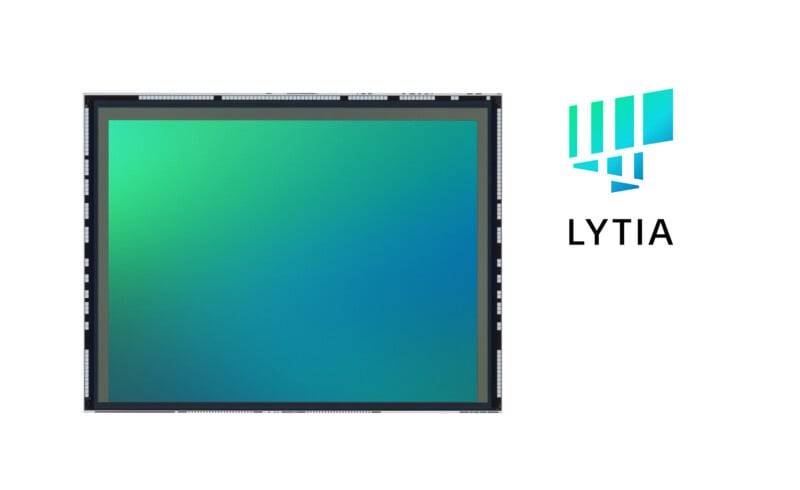
Sony’s first LOFIC image sensor, the Lytia L910, is arriving in flagship smartphones later this year. The upcoming 50-megapixel sensor promises significantly improved image quality with expanded dynamic range compared to traditional image sensors.
LOFIC, which stands for Lateral Overflow Integration Capacitor, is the next big thing in image sensor technology. So far, it has been only featured in a few high-end smartphones, like the excellent Xiaomi 17 Ultra. In that case, the phone’s main camera uses a 50-megapixel Light Fusion 1050L LOFIC image sensor that incorporates OmniVision and Xiaomi technologies.
“The main camera is one of the standout changes, however, because Xiaomi has placed a 50-megapixel Type 1 sensor behind a fast f/1.67 23mm lens. More importantly, this sensor is a new LOFIC type, or Lateral Overflow Integration Capacitor, which does not stack multiple images together but instead takes one single shot with multiple stages of light-gathering overflow to enhance dynamic range. There is a respectable ability to recover highlights and push shadows, and it is by far the best image maker in the phone, especially when shooting raw DNG files,” PetaPixel wrote in its Xiaomi 17 Ultra Review.
Sony makes many of these same promises with its Lytia L910 LOFIC sensor.
“This is the first product in the Lytia lineup with the LOFIC structure. It also features the new HDR technology and logic circuit technology to reduce random noise in dark areas of images. These technologies enable high-quality imaging by reducing highlight blowout in bright areas and noise in dark areas, compared to conventional products,” Sony explains.
“With these improvements, the new sensor provides high-quality imaging that looks much like what is seen by the human eye and clear capturing of both highlights and shadows in high-contrast scenes, such as night views with bright LED lights. It brings new value to the shooting experience on mobile cameras,” the company continues.
Sony says its new L910, which is a Type 1/1.28 sensor, can achieve a dynamic range of 100 dB with a single exposure. Photographers are more used to dynamic range measurements being in stops, and 100 dB is roughly 16.6 stops. That’s a huge amount of dynamic range. Of course, image quality is more than just dynamic range measurements, and real-world performance can vary from manufacturer specs, but the L910 could deliver a significant improvement in smartphone image quality.
The sensor’s Triple Conversion Gain-HDR (TCG-HDR) reads out the photoelectric charge from a single exposure across three different conversion gains, which can mean fewer blown highlights and more shadow detail, effectively increasing dynamic range.
A traditional image sensor wastes excess photovoltaic charge from each photodiode. It just overflows and is then lost. A LOFIC sensor’s transformative improvement is to preserve that excess charge and utilize it in a parallel circuit. It creates extra space for electricity, which, in very simple terms, expands the sensor’s light-gathering capacity and enables the use of more highlight data.
Many smartphone makers use Sony image sensors, including Xiaomi, OnePlus, and Vivo. Apple has historically used Sony image sensors as well, although reports last year suggest Apple is swapping over to Samsung sensors in the near future.
Sony says mass production of the Lytia L910 begins this summer, meaning smartphones released this fall and winter could absolutely incorporate the L910 as their main camera units.
While LOFIC sensors have thus far been limited to smartphones and other small devices, there is no question that companies like Sony will investigate ways to utilize LOFIC sensor architecture in larger image sensors. A lot of innovation happens in the smartphone space for good reason, as it is a much larger market than the dedicated camera space, but some of the advancements in smaller sensors eventually make their way to bigger ones. This is a very interesting area of smartphone imaging technology right now.
Image credits: Sony
此内容由惯性聚合(RSS阅读器)自动聚合整理,仅供阅读参考。 原文来自 — 版权归原作者所有。