


The U.S. capital has been outfitted of late with visual trappings that many associate with authoritarianism, such as banners depicting Donald Trump’s face and featuring his slogans. So perhaps it was only a matter of time before the president erected his own Potemkin village: the Great American State Fair, where almost nothing is what it pretends to be.
Stretching across a large swath of the National Mall, the fair has dozens of pavilions for 56 states and territories and numerous executive-branch departments, in addition to a Ferris wheel, a rodeo, and other displays from companies and organizations, many of them Trump-aligned. It’s advertised by Freedom 250, the White House–created group behind many semiquincentennial events, as a “world-class exposition and modern-day World’s Fair.”
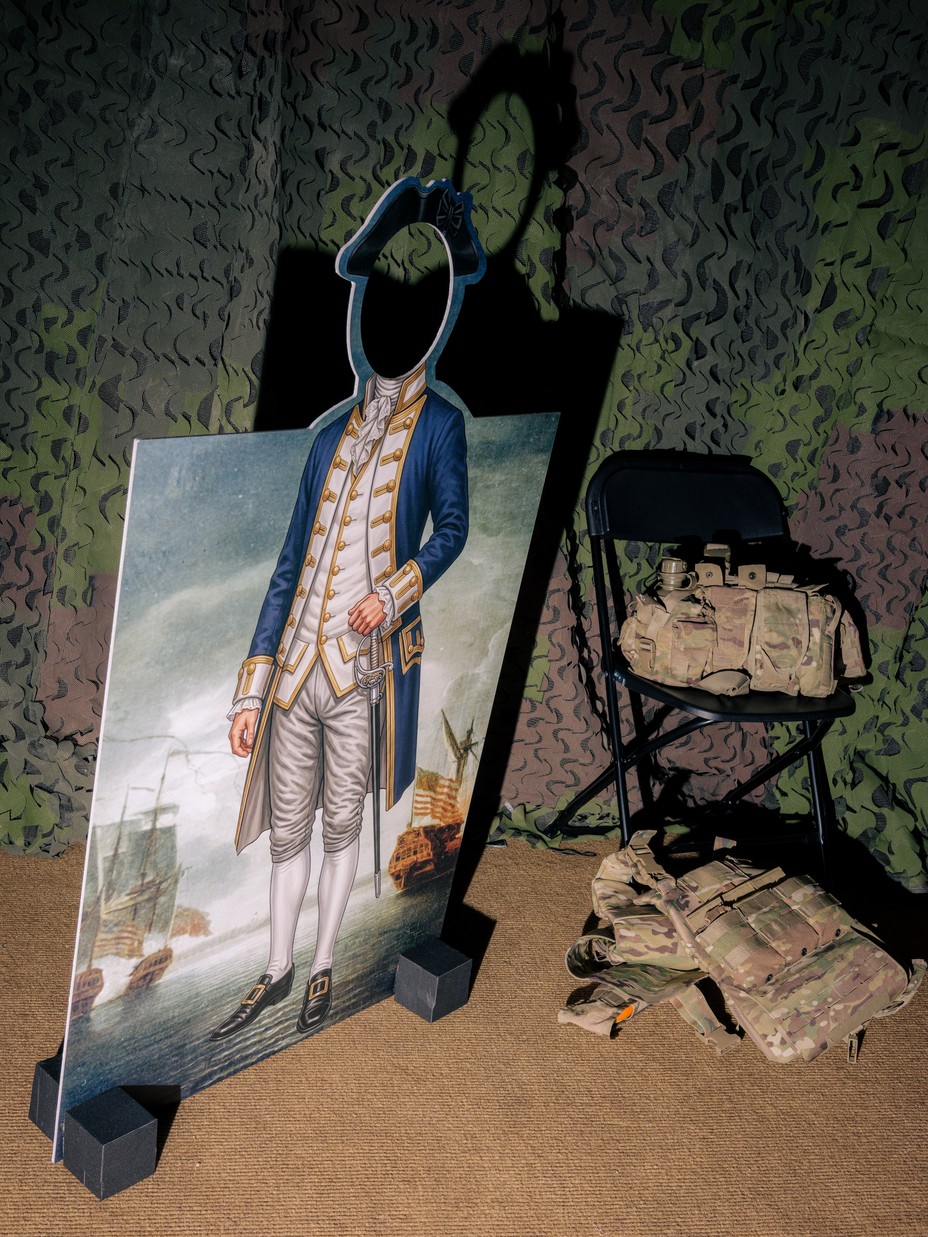
Lawren Simmons for The Atlantic
The Department of Defense pavilion
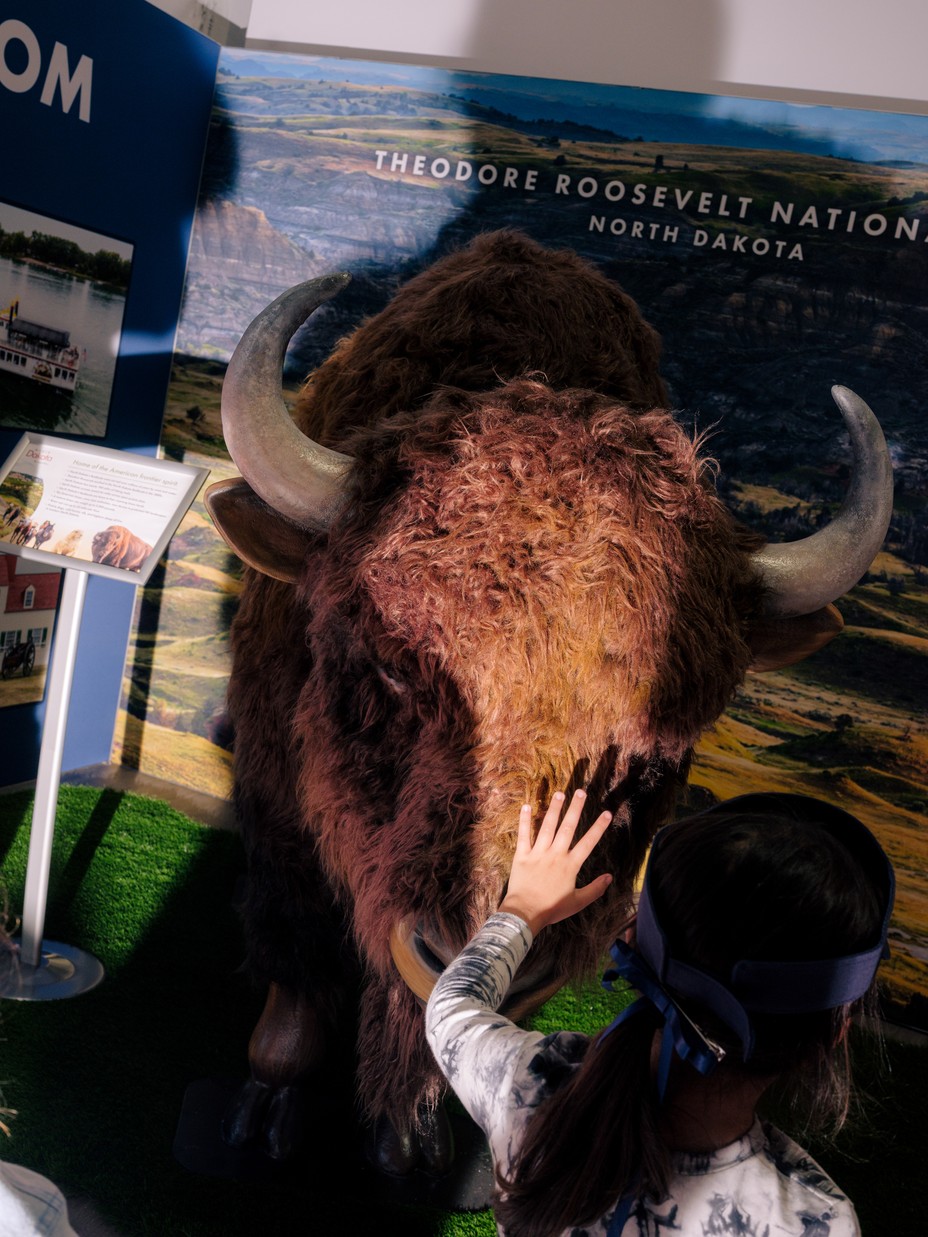
Lawren Simmons for The Atlantic
The North Dakota pavilion
For a president enamored with the gilded and the grand, the exterior of this fair is surprisingly austere. Trompe l’oeil sheets cover slapdash structures lining both sides of the Mall with an illustration of architecture that is supposed to be beaux arts but is so stripped down that it makes the nearby brutalist buildings look practically baroque. A boxy model of Trump’s proposed triumphal arch in the center of the Mall appears as if it could have been designed in Minecraft and ordered from CVS for same-day pickup.
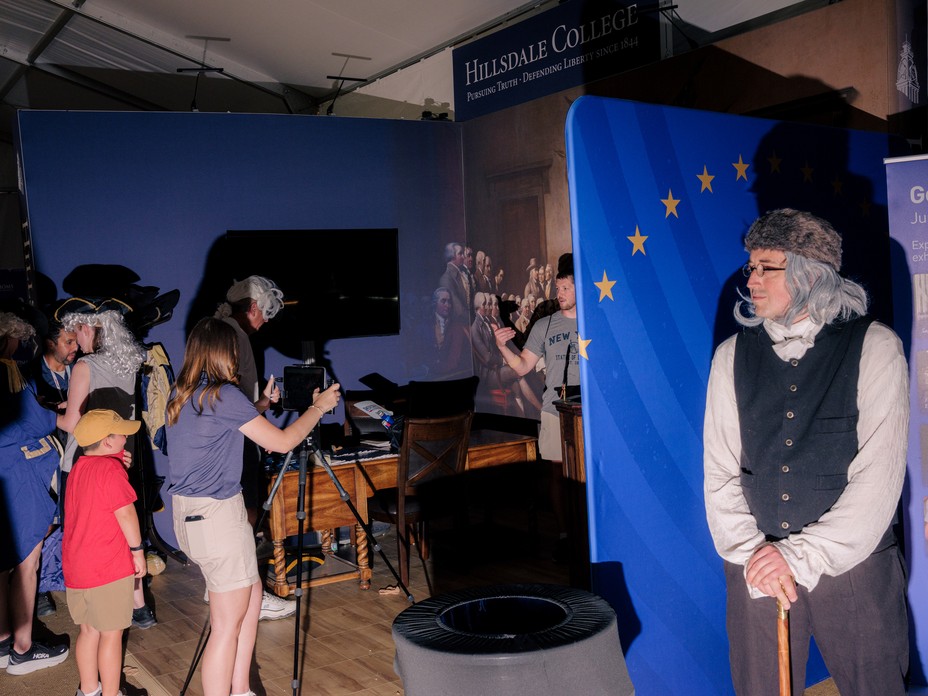
Lawren Simmons for The Atlantic
The Hillsdale College pavilion
Perhaps because of this aesthetic of illusions, the earnest state pride evident in some of the pavilions turns out to feel especially delightful. Consider: the Science Museum Oklahoma’s president going on about how hers is “the most surprising state you’ll ever experience,” or the Ohioan dispensing with midwestern cheer state-shaped tattoos and tokens for free Frosties through the end of the year. Here and there, the big, proud personalities of the states shine through (see: Idaho’s potato-sack dress). Together, they nearly instill an appreciation for this eclectic batch of states that have united into a country. But like any sense of patriotism these days, it’s complicated just as quickly. Right as I was about to crack open a bag of potato chips from Michigan, with “Take Me Home, Country Roads” stuck in my head from a karaoke video game in the West Virginia booth, I wandered into the State Department pavilion, where I was offered a paper replica of the limited-edition Trump passport.
In a certain sense, the Great American State Fair bottles the central tension of federalism: a push and pull between irrepressible state personalities and the federal government. But it’s also not that academic. Put simply, the president is bringing down the mood.
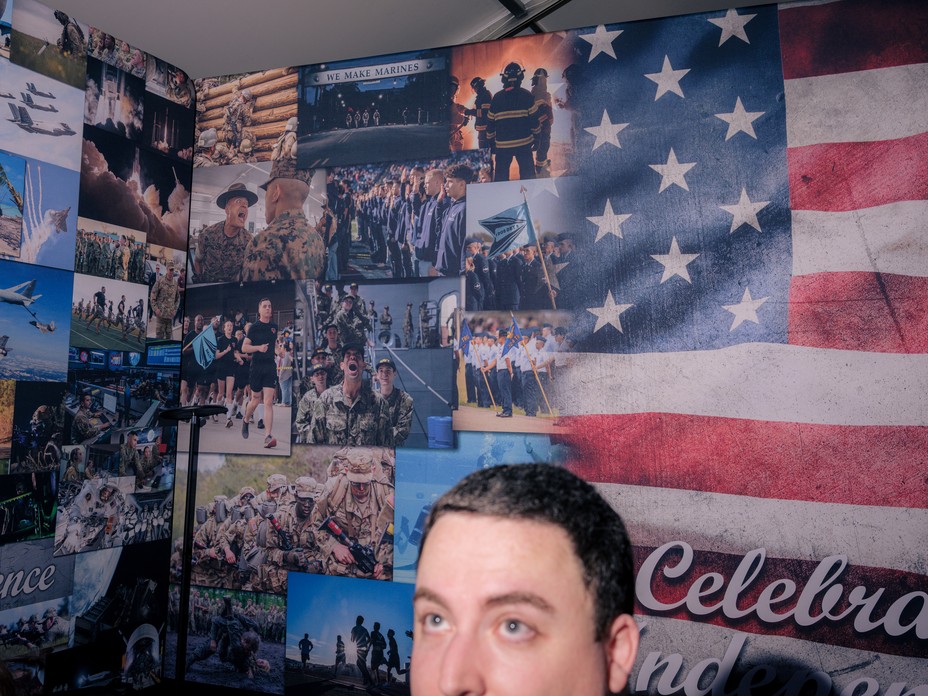
Lawren Simmons for The Atlantic
The Department of Defense pavilion
Propaganda has a way of being blissfully unconcerned with material reality, and the state fair is no exception. When I arrived Thursday morning, workers were still assembling fencing, and I spotted bits of metal on the floor in Kentucky. North Carolina had no power. At one point in the afternoon, the “Faith & Family” pavilion—where the booths included the Museum of the Bible, Hillsdale College, and an evangelical-Christian stall labeled The Great Awakening—was entirely in the dark.
Danny Villanueva, who had worked for a subcontractor on the site, told me while we were waiting in line that he enjoyed what he saw as being a part of history but that the exterior carpentry wasn’t very good. “I see the vision of how this should have been,” he said.
Several states, including almost all of New England, did not officially show up, citing high costs and, in at least one case, the politicization of the affair, which opened Wednesday night with a Trump rally. Most absentee states received the same treatment: two chairs in front of a photo board showing state highlights, which gave dentist-waiting-room energy. Around midday, a group of disappointed Alaskans emerged from their state’s pavilion with exasperation. A teen named Emily told me that she would have liked to have seen “probably some representation of the nature, because we’re famous for it, and also maybe just, like, something in there, literally anything.”
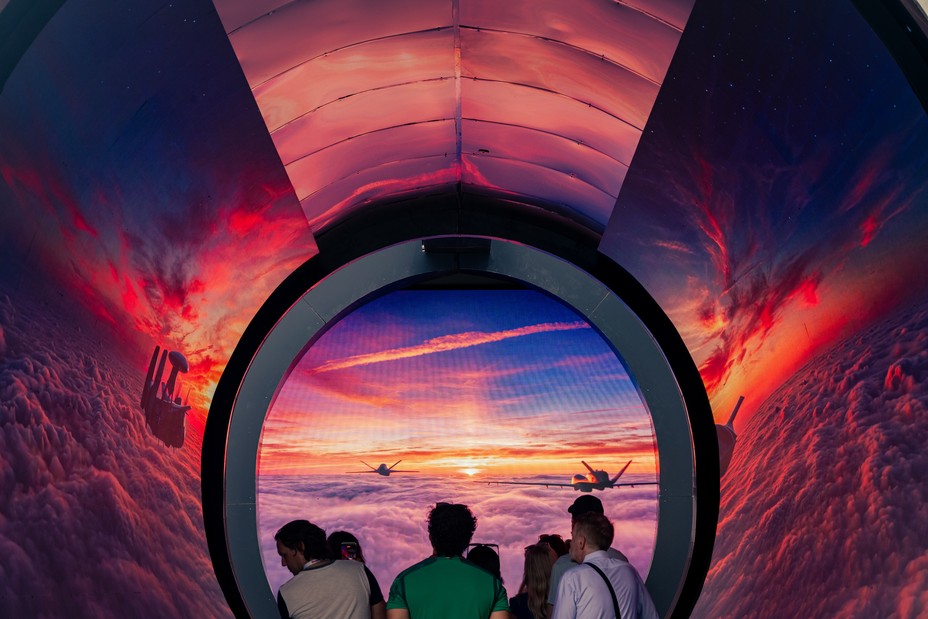
Lawren Simmons for The Atlantic
The Northrup Gruman display
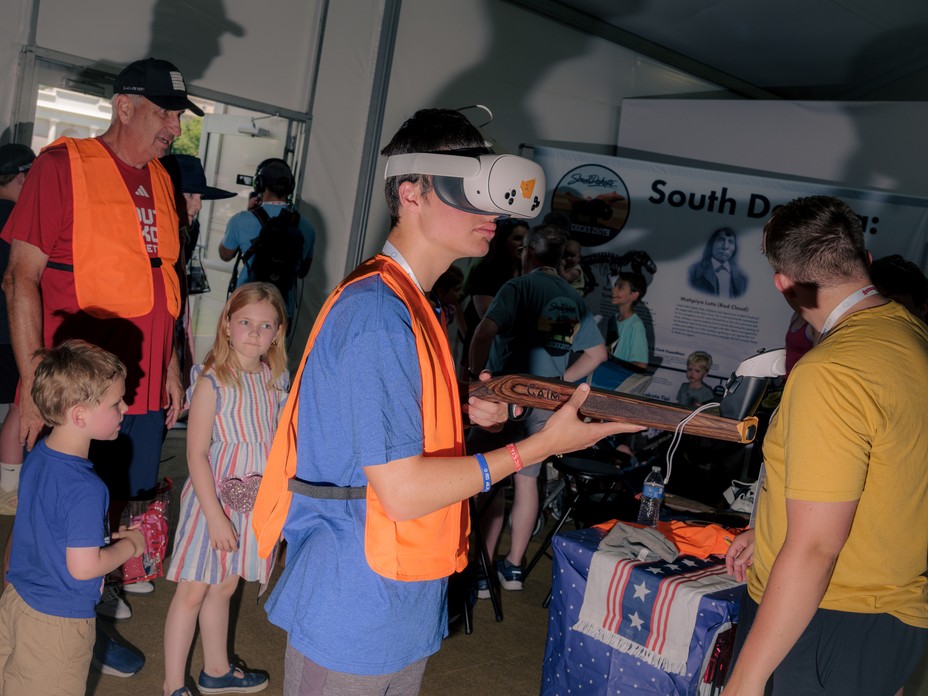
Lawren Simmons for The Atlantic
The South Dakota booth
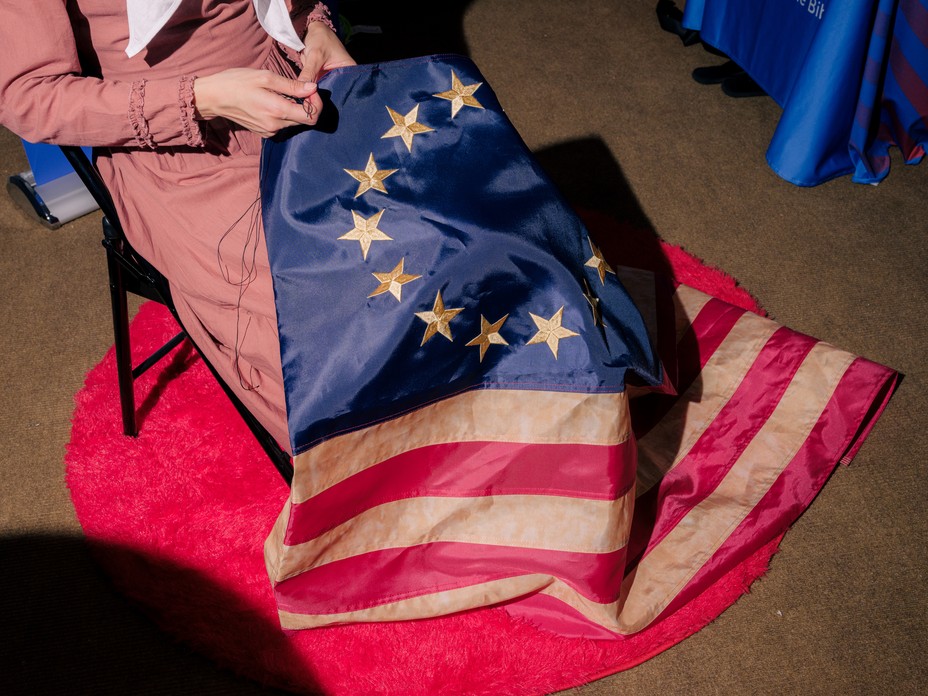
Lawren Simmons for The Atlantic
The Museum of the Bible booth
Some states that declined the invite had other organizations step in on their behalf. The potential perils of this were apparent in Delaware, where a Caesar Rodney impersonator was manning the booth (the Caesar Rodney Institute was the sponsor). A Founding Father who enslaved hundreds, Rodney has become something of a cause célèbre: His statue was pulled down in 2020 in Delaware, only for it to be remounted this year by the Trump administration in Washington, D.C.’s Freedom Plaza. The impersonator told me that he had come here because his state, in not participating, had politicized the event.
Maybe it was the dizzying experience of meeting the Rodney impersonator, seeing an Abraham Lincoln hologram (in the Illinois booth, run by a local museum), and encountering an AI-generated image of George Washington riding a roller coaster at a beach (in the New Jersey booth, run by Cape May County). Or maybe it was the dehydration (water is $5). But moving among tents in the scorching heat, you can sense your grip on reality starting to slip.
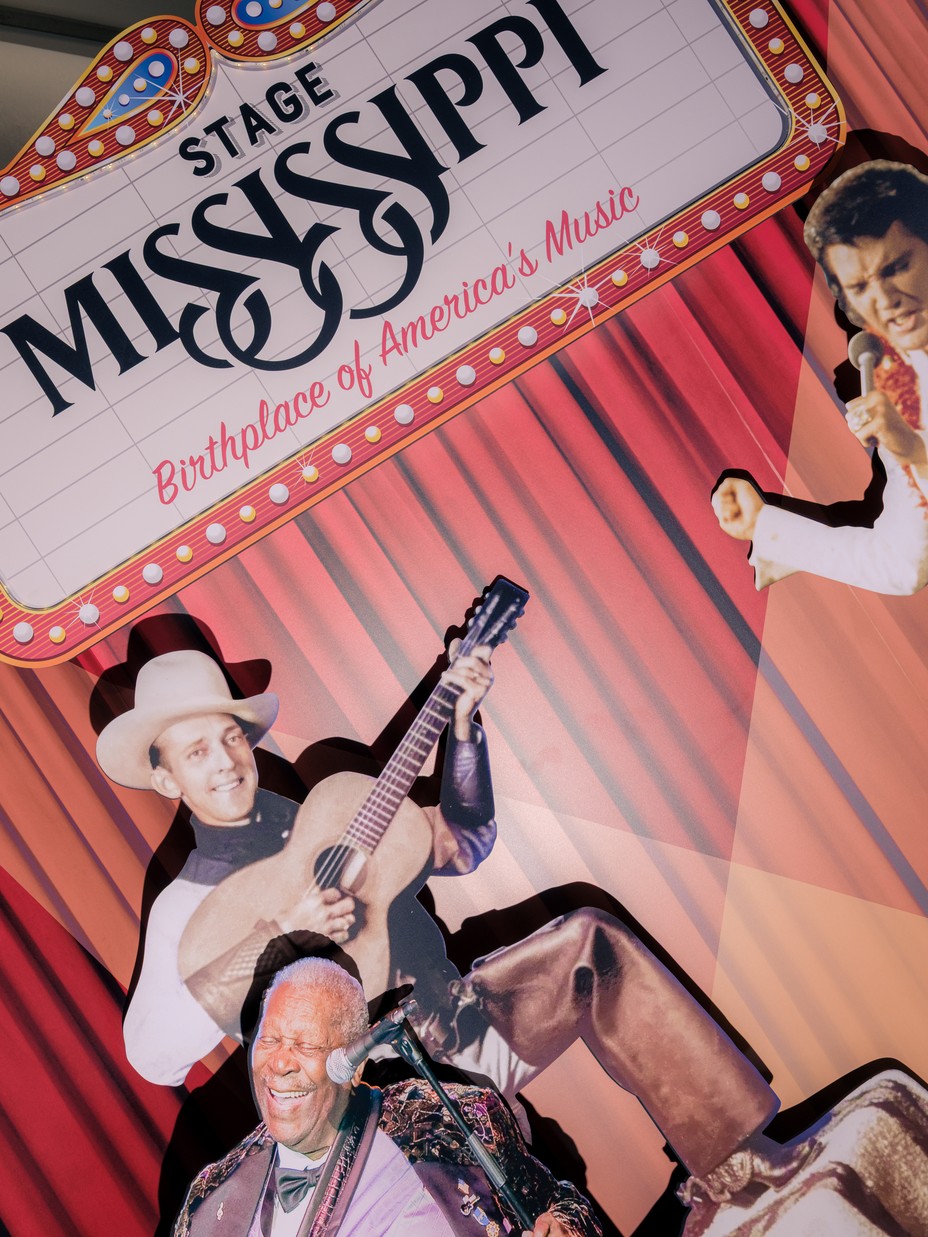
Lawren Simmons for The Atlantic
The Mississippi display
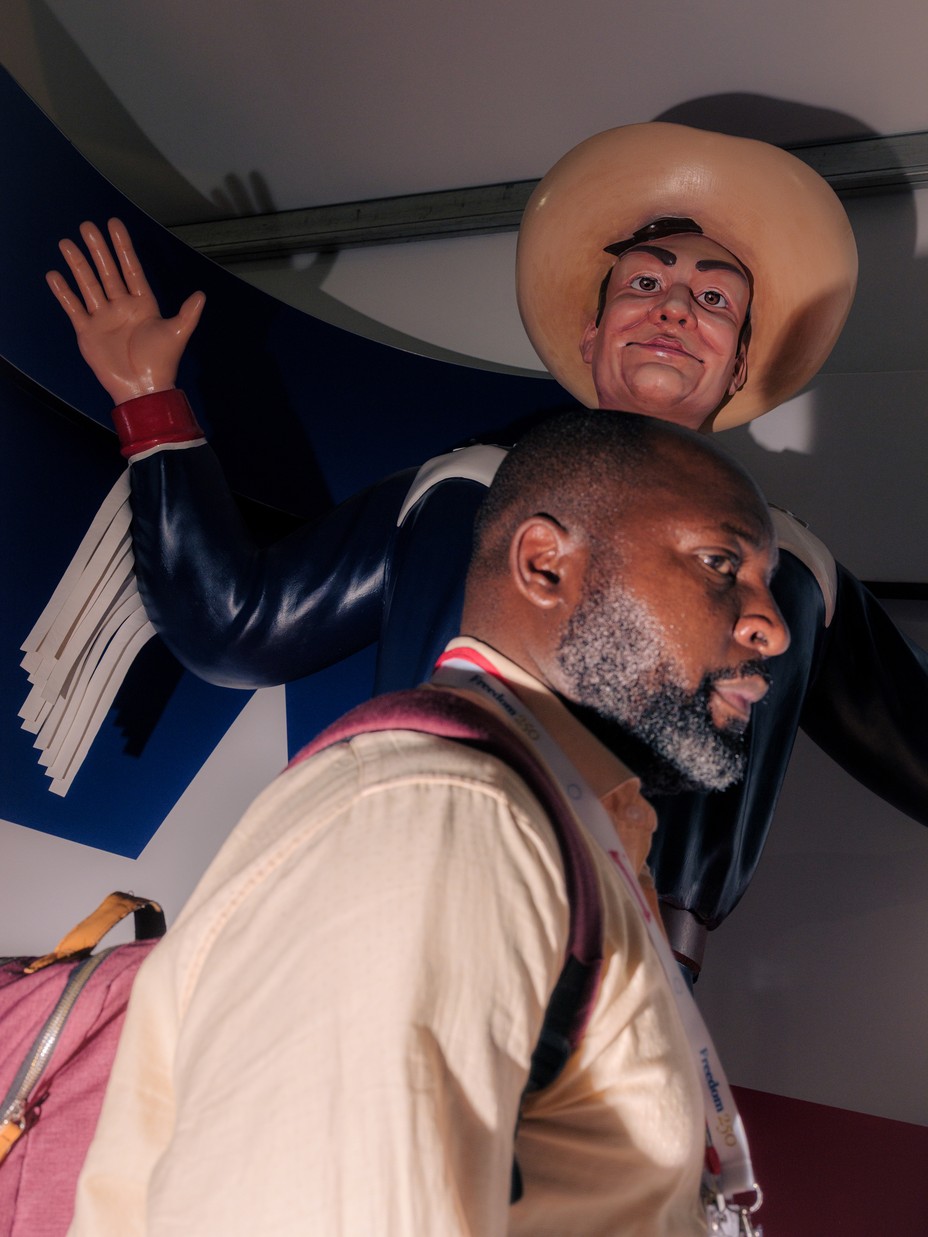
Lawren Simmons for The Atlantic
The Texas booth
The farm animals in the rodeo area? Those are real. The life-size cows in multiple state pavilions? Not so much, although you can “milk” at least two of them. In Montana, you can stand beneath an oversize faux-dinosaur rib cage and dig up fake fossils, and then, nearby, you can look at an actual Mesozoic fossil in North Dakota. The Department of Agriculture tent is giving out edible oranges—but Florida isn’t. No, those ones on its fake tree must be plastic. Ohio brought a real-life governor: Mike DeWine was there in the flesh. Alabama, meanwhile, had a printed cutout of its own chief executive, but if you spent enough time at the fair, you’d be forgiven for saying hello.
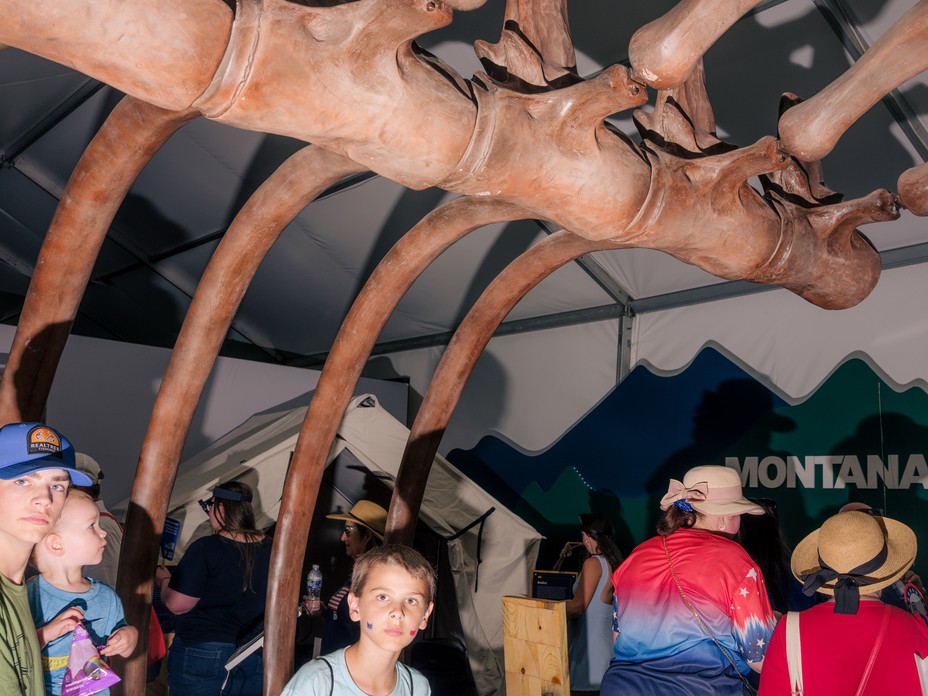
Lawren Simmons for The Atlantic
The Montana display.
Trump’s renovation projects have chewed up Washington in recent weeks, but they’ve had the air of a publicity apparatus puttering out. It’s hard to spin a green Reflecting Pool. The fair, with its Trump trinkets and replica arch, is also what you see: a dollar-store version of the grandiosity that Trump hopes will be his legacy.
At its best moments, when the states have space to do their thing, the Great American State Fair feels a little like looking at a brochure inside a strip-mall travel agency: Suddenly, you want to get away to Arizona very badly. But you can’t tell whether it’s because the highly saturated photos are really that persuasive—or whether you’d just rather be anywhere else.
此内容由惯性聚合(RSS阅读器)自动聚合整理,仅供阅读参考。 原文来自 — 版权归原作者所有。