








Kaitlyn Cimino / Android Authority
The Oura Ring 5 launched just a few weeks ago, and I’d be lying if I said I wasn’t excited about it. I’ve been testing one since then, and there is a lot to like about the new device. Oura helped put smart rings on the map, and the company’s latest only improves on its successful lineup. However, if the launch has you thinking about adding a finger-based wearable to your collection, Oura isn’t the only option.
The smart ring market is also a lot more crowded than it used to be. Oura may still be the biggest name in the category, but it’s far from the only one worth considering. Whether you’re looking to avoid a subscription, prioritize fitness tracking, or simply trying to get the best value for your money, these are the smart rings I’d recommend shopping.
576 votes

Kaitlyn Cimino / Android Authority
If you’re a Samsung phone user, the Galaxy Ring is the easiest Oura alternative to recommend. Where Oura’s smart ring exists largely within its own ecosystem, Samsung’s is tied to a much broader lineup of devices, and there are definite perks to that setup. The ring itself isn’t my favorite, but it makes a lot of sense for people who are already invested in Samsung’s device family. Rather than trying to outdo Oura, Samsung built a ring that works well as an extension of the Galaxy experience.
Most notably, the ring works in tandem with Galaxy Watches to help users track a more complete picture of their health. Anyone already tracking their stats with Samsung Health will feel right at home. I especially appreciate the flexibility of having both devices available. I can wear a Galaxy Watch during workouts, then swap to the ring for sleep tracking, stretching the battery life of both wearables while still keeping my health data in one place.
The Galaxy Ring doesn't try to outdo Oura, but it does try to be the best smart ring for Samsung users.
The hardware is also impressive for a first-generation product. The Galaxy Ring is lightweight and comfortable enough for 24-hour wear. Samsung opted for a slim 7mm design with a thin 2.6mm profile that feels a touch more comfortable than many rivals. It’s more petite than the Oura Ring 4, though the Oura Ring 5 just landed even thinner. More importantly, it’s held up incredibly well. After months of wear, my review unit still looks nearly pristine, something I can’t say about every smart ring I’ve tested.

Kaitlyn Cimino / Android Authority
It’s also backed by one of my favorite charging solutions in the category. Instead of a basic charging puck, Samsung opted for a transparent clamshell case with a built-in battery, much like a pair of wireless earbuds. Oura introduced a similar travel-friendly charger with the Ring 4, but Samsung includes its version in the box.
Samsung also skips the monthly subscription fee, giving users access to all of their data without an added recurring cost. That’s another area where it holds an advantage over Oura. The Galaxy Ring won’t be the right choice for everyone. Some of its best features are reserved for Galaxy phone owners, and Oura still has the edge when it comes to health insights and overall platform maturity. But if you’re already all-in on Samsung, no other smart ring feels quite as tailored to that experience.
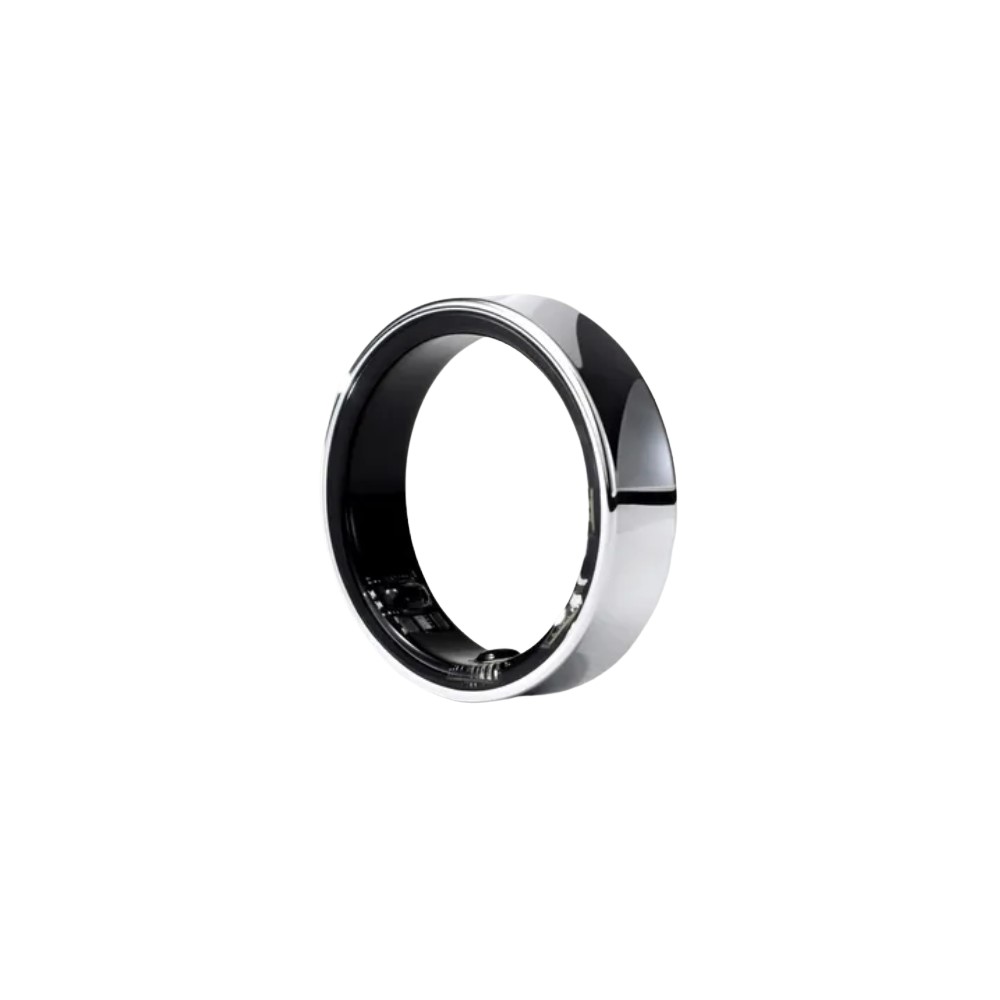
Lightweight, comfortable build • Convenient case-style charger with built-in battery • No subscription fee
Fancy Titanium ring, with fancy sensors
The Samsung Galaxy Ring is a leap into a new device segment for Samsung. Available in nine sizes 5 through 13, this jewelry-inspired wearable is packed with sensors to track your health and fitness, and some basic controls for your smartphone. Designed for 24/7 wear.

I’ve been impressed by RingConn’s smart rings for a while now. The company’s earlier devices consistently delivered some of the best battery life in the category and a surprisingly polished hardware experience, all without charging a monthly subscription fee. This year, the RingConn Gen 3 builds on those strengths and lands as one of the best Oura alternatives yet.
For most shoppers, the biggest draw of RingConn’s product line will be value. The company continues to offer the core smart ring experience people actually want, including sleep tracking, health monitoring, activity tracking, and recovery insights, without locking features behind an ongoing membership. When subscription fatigue is getting worse and worse, RingConn’s approach is an attractive option.
RingConn continues to offer the smart ring features people actually want without locking them behind a monthly fee.
Beyond its subscription-free approach, one of RingConn’s biggest advantages is battery life. Previous generations routinely outlasted many competitors, and now the Gen 3 delivers up to 14 days of battery life between charges. Like Samsung, it also ships with a charging case for convenient top-ups without an outlet.
The new ring also adds a handful of upgrades, including haptic alerts for reminders and notifications, something I’ve been wishing for on Oura’s lineup for some time. I am hoping to see the company integrate the haptics into a smart alarm feature, but for now, the hardware capability is promising. RingConn also added expanded vascular health insights, giving users another way to track long-term cardiovascular trends.
With all of that said, RingConn is still chasing Oura in some regards. Namely, Oura’s software experience remains stronger overall. RingConn continues to refine its experience, but it’s a younger, growing product line. Still, if your priorities are long battery life and avoiding a monthly subscription, the RingConn Gen 3 continues the success of what has already become one of the strongest alternatives in the smart ring space.
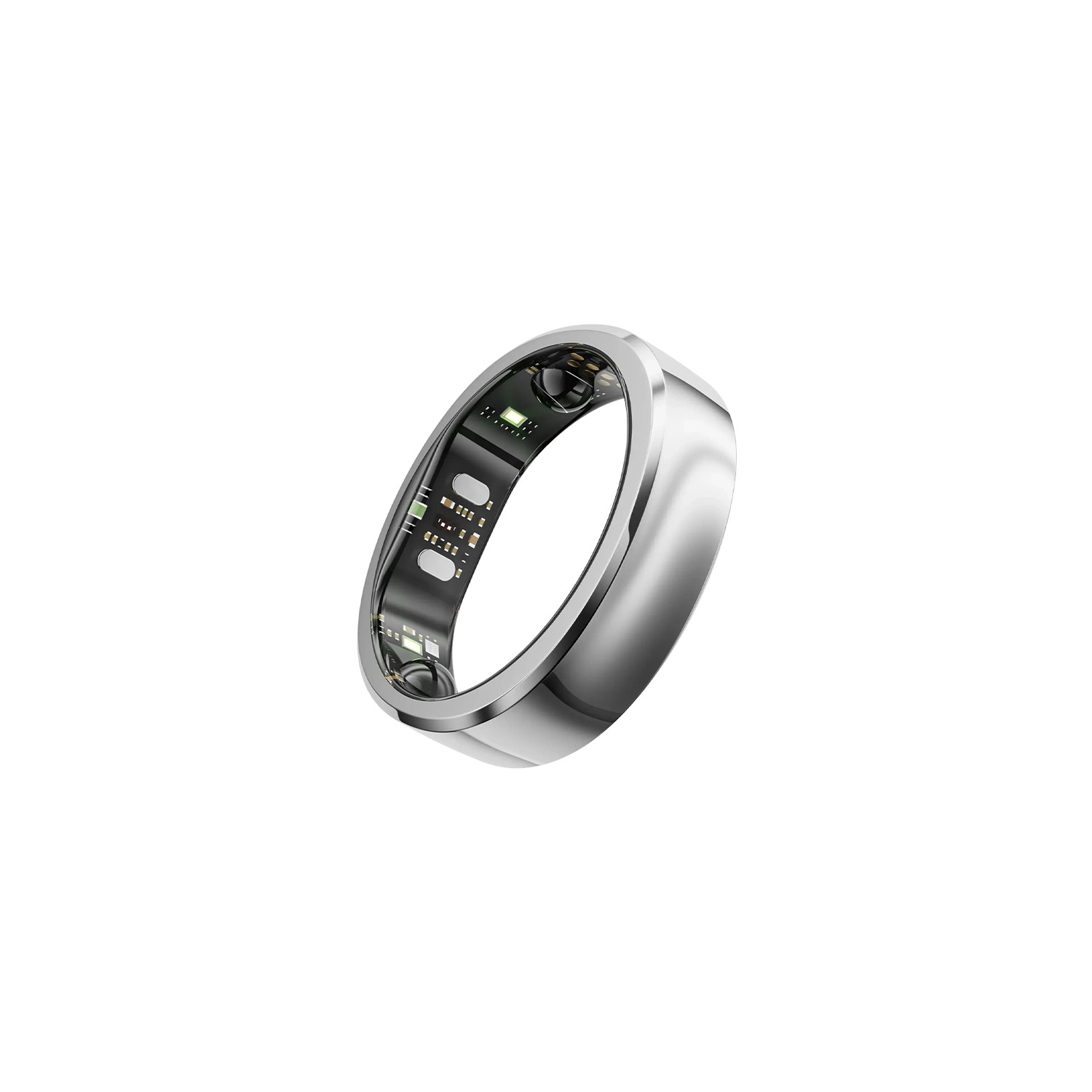
RingConn's latest smart ring boasts improved sensors, new vascular health features, and up to 14 days of battery life, all without charging users a subscription fee.
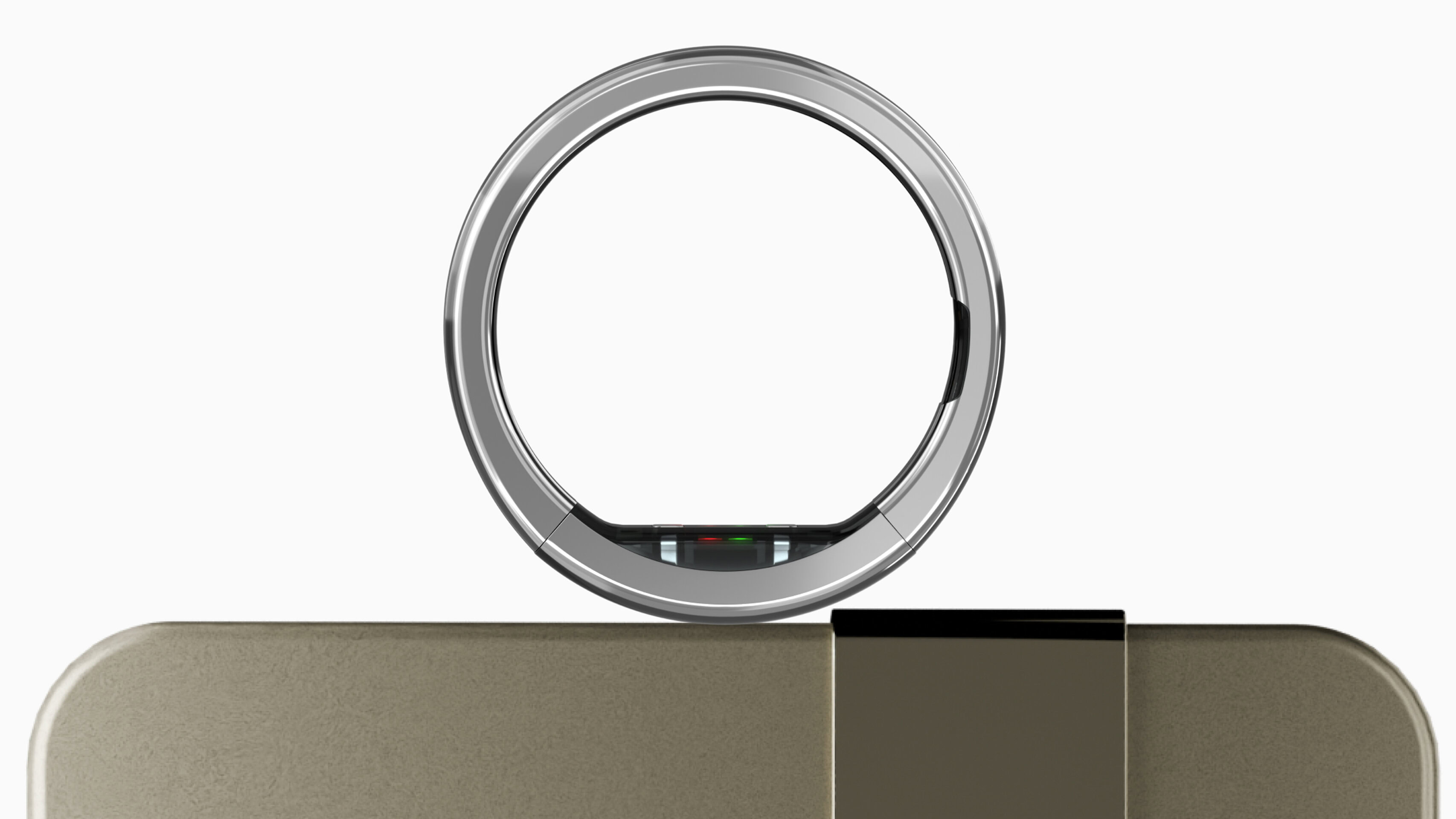
Ultrahuman approaches the smart ring category a little differently than Oura, and not just by avoiding a subscription fee. Both brands focus on sleep, recovery, basic activity tracking, and long-term wellness, but Ultrahuman also introduces a greater degree of customization. If you’re the type of person who enjoys digging into health data and trying new tools, the Ring Pro may be the most interesting option.
The brand’s biggest differentiator is its PowerPlugs program. Rather than offering a fixed set of features, Ultrahuman lets users add specialized tools focused on areas like caffeine intake, circadian rhythm, pregnancy insights, and other wellness metrics. Some are free, while others come at an added cost. The result is a smart ring experience that feels more flexible than many competing smart rings and one that’s constantly evolving.
While most smart rings offer a fixed set of features, Ultrahuman's PowerPlugs let users tailor the experience to their specific goals.
I’ve also generally been impressed by Ultrahuman’s hardware. During testing, I found the company’s lightweight and aptly named Ring Air very comfortable for wearing around the clock. The new Ring Pro builds on it with improved battery life, with claims of up to 15 days per charge and up to 45 days of use when paired with the brand’s Pro Charging Case.
It also features a redesigned heart-rate sensing system for more accurate tracking and a new suite of AI-powered insights through the company’s Jade platform (keeping up with the growing AI trend across the industry). On paper, those upgrades address some of the biggest areas where I felt the Ring Air still had room to improve.
Of course, Oura’s app remains easier to navigate, and its overall experience feels more polished. In my Ring Air testing, I found accuracy and battery life to be areas where Ultrahuman still had room to improve, so I’m particularly interested to see how the Ring Pro performs. The new ring is available for pre-order now, with shipping expected to begin in July. If you’re looking for a subscription-free alternative with a unique approach to wellness tracking, it’s shaping up to be one of the more interesting smart rings of the year.

Kaitlyn Cimino / Android Authority
The Amazfit Helio Ring stands out immediately based on its price alone. At just $150, it’s one of the most affordable smart rings available and significantly cheaper than Oura, Samsung, Ultrahuman, and most other competitors. Amazfit also doesn’t charge a monthly subscription fee, making that low upfront cost even more appealing.
The real advantage, however, comes from Amazfit’s multi-device approach. If you’re already wearing one of the company’s smartwatches, the Helio Ring pairs with it to help fill in the gaps of all-day health and recovery tracking, much like Samsung’s Galaxy Ring. I particularly like the flexibility of wearing the ring overnight for sleep tracking while relying on a smartwatch for workouts, GPS activities, and other fitness-focused tasks. A watch screen is invaluable during a workout, while a lightweight ring is often the more comfortable option for overnight wear.
The Amazfit Helio Ring is one of the most affordable ways to get a smart ring experience, but only if it fits you.
The ring itself is lightweight and durable, and presumably comfortable enough for all-day wear. Unfortunately, Amazfit’s limited size selection means it won’t fit as wide a range of users as competing smart rings. In fact, I wasn’t able to find a size small enough to properly fit me during testing. That won’t affect every shopper, but it does mean some people, particularly those with smaller fingers, may be completely out of luck. That’s a frustrating limitation for a device that’s otherwise easy to recommend.
The same caveat remains: Oura’s platform is simply more refined than Amazfit’s. Still, if you’re looking for the most affordable entry point into the smart ring category, or you’re already invested in Amazfit’s ecosystem, the Helio Ring delivers a compelling mix of features for a fraction of the price of most competitors.

Small, lightweight form factor • Useful sleep and readiness data • Seamless integration with Amazfit smartwatches
A smart ring with tight integration with Amazfit smartwatches.
The Amazfit Helio Ring is a lightweight, comfortable fitness tracker that offers background data collection to anyone not interested in wearing a smartwatch around the clock, but also offers extra features for existing Amazfit smartwatch users looking to double down.
Thank you for being part of our community. Read our Comment Policy before posting.
此内容由惯性聚合(RSS阅读器)自动聚合整理,仅供阅读参考。 原文来自 — 版权归原作者所有。