






Sanuj Bhatia / Android Authority
TL;DR
A WHOOP user built an AI-powered stress leaderboard that ranks coworkers based on heart-rate spikes during meetings.
The project used reverse-engineered WHOOP data, Claude’s Fable model, and calendar events to match stress responses with meeting attendees.
While far from scientifically perfect, the experiment showcases a creative and unexpected use of AI, and wearable data.
Every workplace has its share of stressful personalities. If none of your coworkers come to mind, there’s a chance your colleagues have you on their list instead. One WHOOP user put that exact idea to the test, using wearable data to uncover the biggest sources of his workplace stress. The results were both amusing and surprisingly insightful.
By combining data from his WHOOP fitness tracker with his work calendar, Pankaj Tanwar created a system that identifies which colleagues are most closely linked to spikes in his heart rate. This eventually led him to a personal “stress leaderboard” that ranks coworkers based on how much stress they appear to cause during meetings.

He shared the experiment on X, posting a screenshot of the leaderboard while wisely keeping everyone’s identities hidden. The dashboard breaks down meetings using metrics such as heart-rate increases, stress scores, and cumulative impact over time.
According to Tanwar, the project was powered by Claude’s new Fable model alongside some custom code. To make it work, he reverse-engineered parts of WHOOP’s system to access minute-by-minute heart rate data, something the wearable doesn’t normally expose to users at that level of detail. He then cross-referenced those readings with calendar events and attendee lists to identify which meetings consistently coincided with elevated heart rates.

The leaderboard doesn’t just single out potential stressors. Some coworkers appear largely neutral, while others are associated with calmer readings, effectively earning a reputation as the office’s stress reducers. It all turned a simple collection of biometric data into an unexpectedly entertaining snapshot of workplace dynamics.
Naturally, there are plenty of variables that can affect heart rate beyond a particular coworker. A rushed walk to a meeting room, climbing stairs between floors, an extra cup of coffee, or even a sugary snack could all raise readings. Several commenters noted that physiological data without context can only tell part of the story.
Even so, that’s not really what makes this experiment interesting. The leaderboard probably isn’t a scientifically rigorous measure of workplace stress, but it is a creative example of what can happen when wearable data, coding skills, and AI come together. While conversations around AI often focus on productivity or job disruption, projects like this show another side of the technology: helping people uncover patterns in everyday life that would otherwise go unnoticed.
No, you probably shouldn’t start judging coworkers solely based on a heart-rate chart. But as a fun, slightly dangerous workplace experiment, this is one of the more inventive uses of AI and wearable data we’ve seen lately.
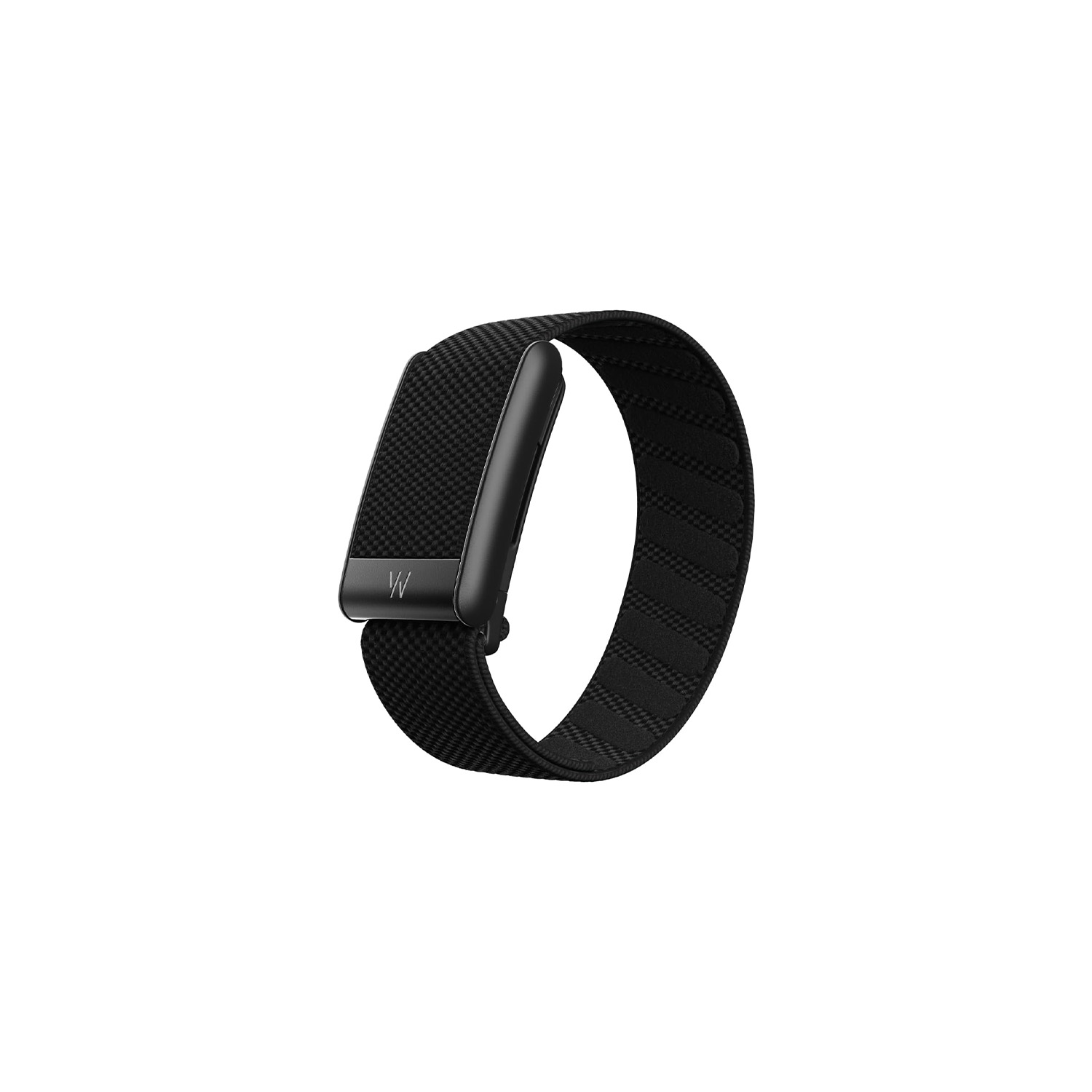
Screen-free tracking • Insightful recovery insights • Comfortable, all-day wear
A screenless, subscription-based fitness tracker focused on continuous tracking, the Whoop 5.0 is for users who want to track long-term performance metrics without a distracting display.
Thank you for being part of our community. Read our Comment Policy before posting.
此内容由惯性聚合(RSS阅读器)自动聚合整理,仅供阅读参考。 原文来自 — 版权归原作者所有。