




Ryan Haines / Android Authority
The Moto G series has been around for over a decade now, and Motorola launched the Moto G (2026) late last year. My colleague Ryan Haines praised the device for its big battery, solid main camera, 3.5mm port, and microSD card slot. Unfortunately, he thought the short update policy, disappointing performance, and poor durability dragged the entire package down.
So, what should you buy instead of Motorola’s budget phone? Well, there’s no shortage of cheap Android phones on the market. But if you’re overwhelmed by your numerous options, we picked out the five best alternatives to the Moto G (2026).
1 votes

Ryan Haines / Android Authority
The Samsung Galaxy A17 5G isn’t exactly the best Moto G (2026) alternative on the list, as it has its own share of issues. These problems include slow charging speeds, disappointing performance, and poor secondary cameras. If that’s all true, why are we recommending it?
The Galaxy A17 5G is worth buying over the Motorola handset if you value long-term updates, a durable design, and superior screen tech. Expect six years of OS updates, Gorilla Glass Victus in lieu of Motorola’s Gorilla Glass 3, and an OLED screen. The update policy, in particular, is a big upgrade over the Moto G’s two years of OS updates. Another important factor is price, as the Moto G (2026) has seen its price rise from $200 to $300. By contrast, Samsung’s phone still costs $200.
It’s not a complete win for the Galaxy A17, though. Both phones have a microSD card slot, but only the Moto handset includes a headphone port. Nevertheless, I’d argue that the Galaxy A17 5G delivers the better overall package for most people.
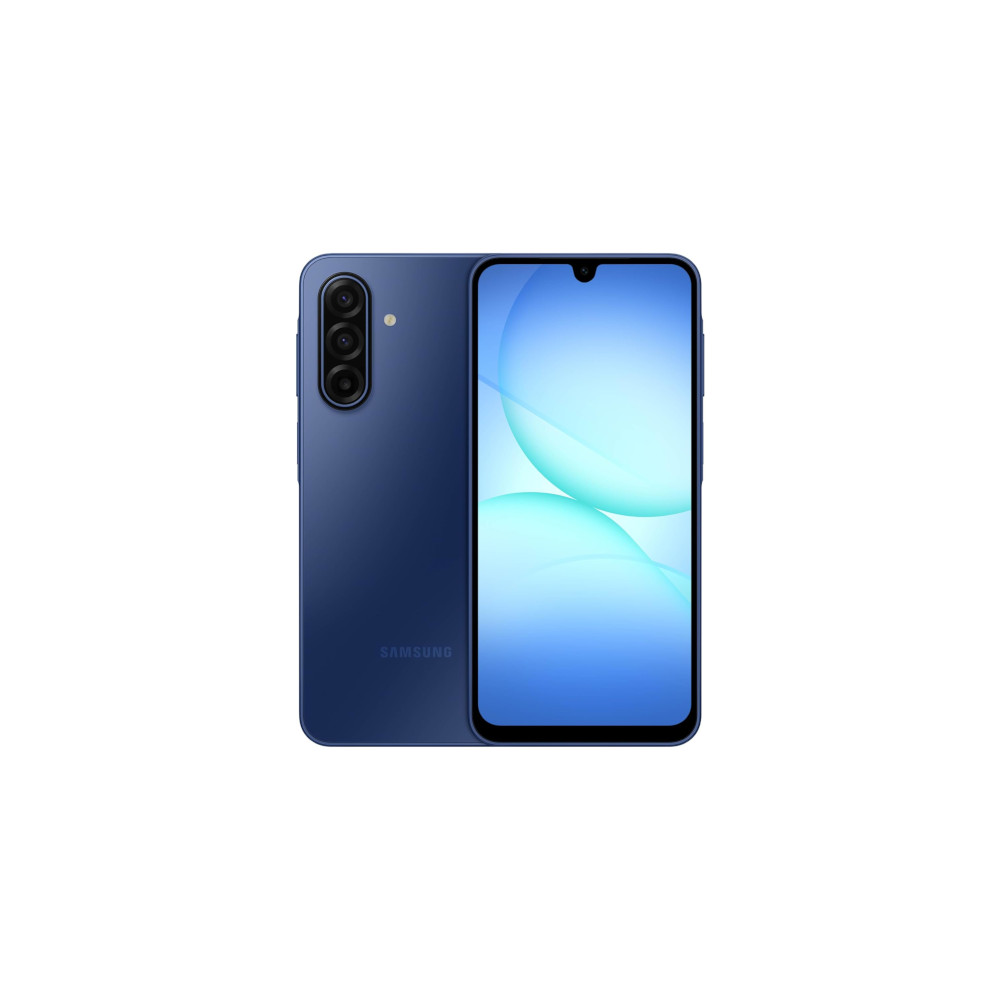
Six years of software updates • Three rear cameras • Updated IP54 rating
Samsung's Galaxy A17 5G brings new refinement to the affordable Android segment.
Samsung's Galaxy A17 5G is a sign of the times, blending cheap Galaxy features with flagship design traits to make your affordable Android phone feel like more. It has three rear cameras for a little extra flexibility, while six years of software updates means you can hang onto it and get your money's worth.

C. Scott Brown / Android Authority
Nothing launched the $279 CMF Phone 2 Pro over a year ago, and it still remains one of the best cheap Android phones you can buy. I’d certainly recommend buying this over the Moto G (2026), especially if you’re outside the US. The CMF Phone 2 Pro stood out at the time due to its unique, somewhat modular design. You can unscrew the back panel and attach optional accessories, such as a wallet/kickstand combo. Even the little dial at the bottom can be removed if you want to attach a lanyard.
The CMF Phone 2 Pro also differentiates itself from other sub-$300 phones by offering a 2x 50MP telephoto camera. No other company offers a telephoto camera at this price point in the US. The rest of the package is mostly great too, including a 6.7-inch 120Hz OLED screen, a decent Dimensity 7300 chip, a 5,000mAh battery with 33W charging, and the slick Nothing OS. It even comes with a decent update policy, offering three years of OS upgrades and six years of security patches.
One big downside to the CMF Phone 2 Pro is that it must be purchased via Nothing’s beta program in the US. Furthermore, the phone doesn’t support all the major network bands, which means it won’t perform perfectly on the three major carriers. Finally, those aforementioned accessories aren’t officially available in the US to begin with. This all makes the CMF Phone 2 Pro a little tougher to recommend in North America, but it’s still a solid Moto G alternative.

Amazing design and display • Cool modular features • Triple-lens camera system
A beautiful, forward-thinking phone that is far better than its low price would suggest.
With the CMF Phone 2 Pro, you can spend under $300 and get a terrific phone with a telephoto lens, cool modular tricks, and long-lasting software support.
TCL is one of the smallest smartphone players by market share, but the company has offered a steady stream of alternatives to Motorola’s budget phones over the years. The TCL 60 XE NXTPAPER 5G (to give its full name) continues this trend.
Easily the best thing about the TCL 60 XE is the NXTPAPER display. This is TCL’s matte screen tech to reduce glare and reflections. There’s even a NXTPAPER button to give it a monochrome, E-Ink-style experience. Other noteworthy additions include a 5,010mAh battery, 8GB of RAM, 128GB or 256GB of expandable storage, and a 50MP + 5MP + 2MP triple camera setup.
TCL’s phone does stumble in a couple of places compared to the Moto G (2026). The Dimensity 6100 Plus chip is basically a lower-clocked version of the Moto G’s already weak Dimensity 6300 processor. Furthermore, the TCL phone maxes out at a glacial 18W wired charging speed compared to 30W on the Moto G. Despite these downsides, the TCL 60 XE still looks like a great deal for just $200, making it $100 cheaper than Motorola’s handset.

Unique NXTPAPER display • Sturdy design • Excellent battery life
TCL's 60 XE NXTPAPER 5G is your very first chance to try a paper-like phone in the US
The TCL 60 XE NXTPAPER 5G shows off something unlike any other phone in the US: a paper-like display. It makes a few cuts under the hood, but the experience of flipping between E-Ink profiles that can stretch the 5,010mAh battery for up to a week.

Ryan Haines / Android Authority
Want a cheap Motorola phone but don’t care for the Moto G (2026)? Then the $400 Moto G Power (2026) should be right up your alley. This phone is $100 more expensive than the baseline Moto G, but you get some decent extras for the price.
Expect an IP69 rating for water- and dust-resistance, more modern Gorilla Glass protection, a higher-resolution display, more RAM, and an ultrawide camera. That’s a pretty extensive list of features for $100 more.
The Moto G Power (2026) isn’t without its flaws, though. Colleague Ryan Haines lamented the lack of horsepower (using the same Dimensity 6300 chip) and Motorola’s disappointing software update policy. He also took umbrage with the lack of wireless charging after the previous phone had it. Nevertheless, I’d argue that the positives far outweigh the negatives here.
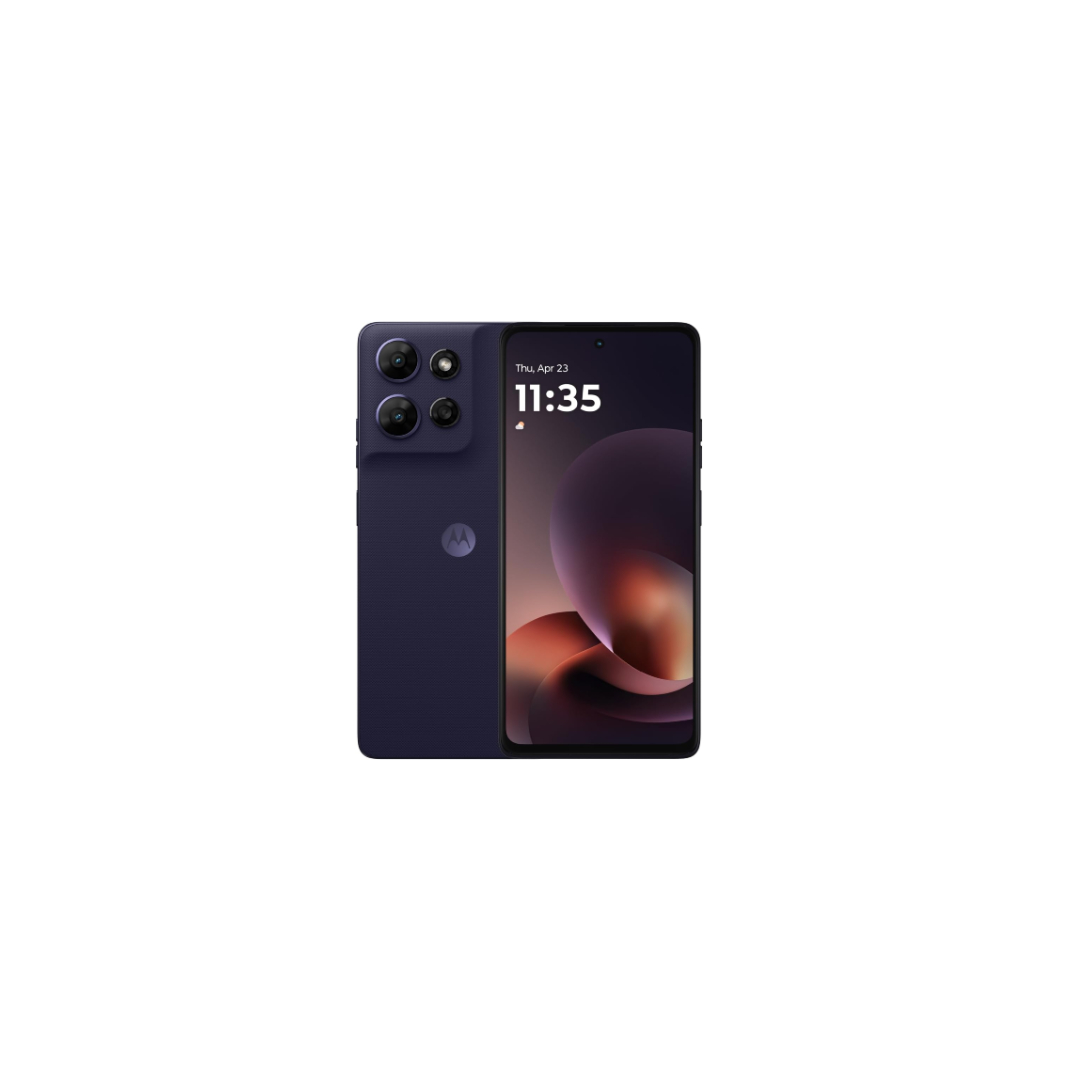
8GB of RAM • IP68 and IP69 durability • Vegan leather finish
Motorola's Moto G Power (2026) is the brand's most complete budget phone right now.
The Motorola Moto G Power (2026) is the best cheap Motorola phone to buy right now, combining decent materials with solid IP protection and a dual-camera setup that actually works in day-to-day life. We'd still like to see longer update support, but the Pantone colors and goodies like a headphone jack and expandable storage make life better.
I can understand if you’re put off by the Pixel 10a‘s $500 price tag compared to the $300 Moto G (2026). I definitely recommend paying the extra cash, though, as you’re getting so much more for the price.
The Pixel 10a comes with a very capable Tensor G4 processor that ensures great performance and enables plenty of exclusive features. Some of these additions include the Now Playing screen, a few nifty camera modes, the Pixel Recorder app, and call screening. Otherwise, you’re getting a relatively compact form factor, a 48MP + 13MP rear camera pairing that delivers great photos for a mid-ranger, and a 5,100mAh battery with wired/wireless charging.
Google’s phone is also significantly more durable than the Moto G (2026), owing to Gorilla Glass 7i protection and an IP68 rating. Throw in seven years of OS updates, and that extra $200 really goes a long way.

Flush camera design • Good performance and battery life • Strong cameras • Great software support promise • Excellent price
Google's best AI features, in a more affordable mid-tier device
Google Pixel 10a is a refined mid-range phone built around Tensor G4, a brighter 120Hz 6.3-inch display, tougher Gorilla Glass 7i, satellite SOS, and trickled-down Pixel AI features — paired with a reliable dual-camera system, 30W charging, and seven years of updates.
Thank you for being part of our community. Read our Comment Policy before posting.
此内容由惯性聚合(RSS阅读器)自动聚合整理,仅供阅读参考。 原文来自 — 版权归原作者所有。