









Anthropic API billing looks simple at first: send a prompt, receive a Claude response, pay for tokens. In real production workloads, it gets more complicated. You have input tokens, output tokens, cached prompt tokens, long-context requests, retries, tool calls, agents, batch jobs, and multiple environments using the same API key.
If you are building with Claude in 2026, understanding billing is not optional. It directly affects your product margins, rate-limit strategy, model choice, and user experience.
This guide explains how Anthropic API billing works, why Claude API costs can surprise teams, and how to reduce spend without lowering output quality.
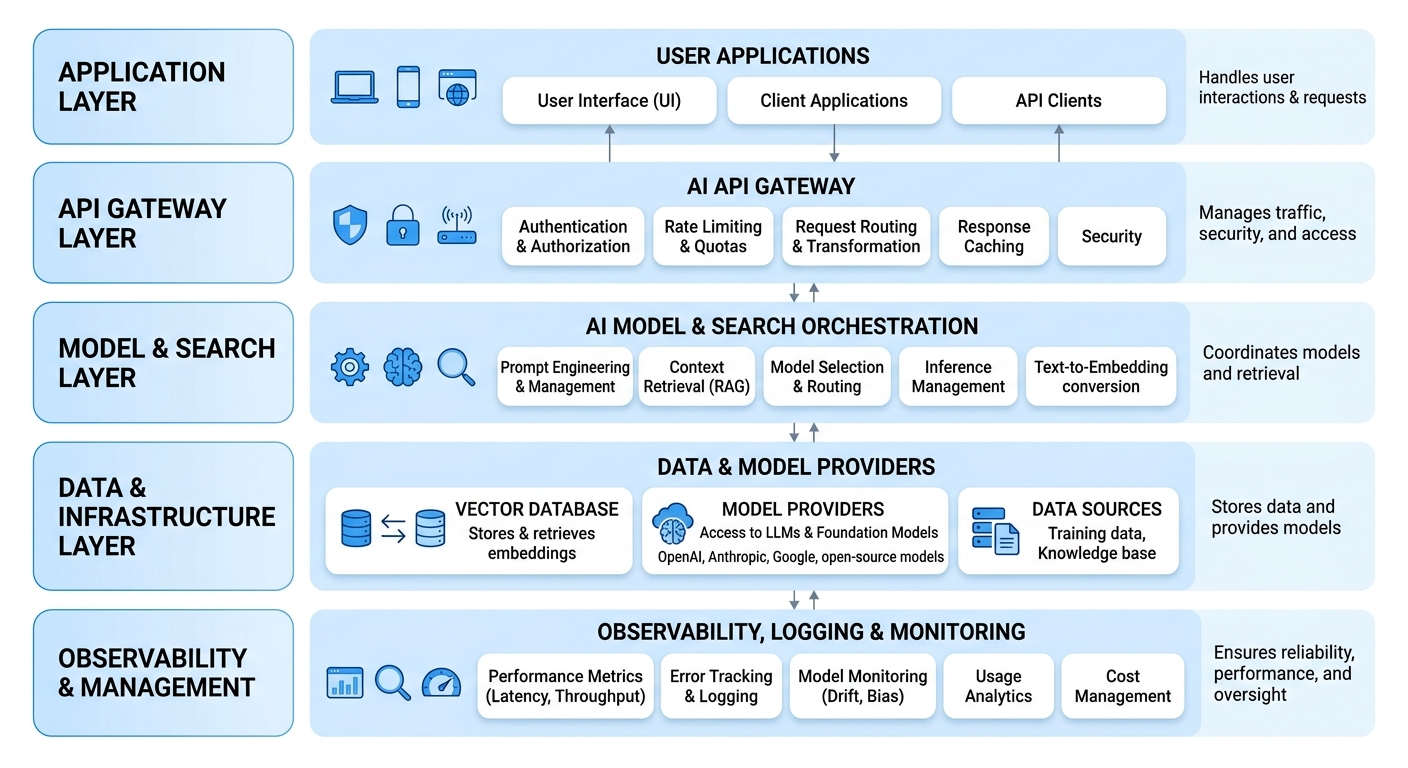
Anthropic API billing is usually based on token usage:
The most important point: you pay for both what you send and what the model returns. A short user question can still become expensive if your application attaches a large system prompt, long chat history, retrieved documents, or verbose tool definitions.
Most Claude API cost analysis starts with input and output tokens.
| Billing component | What it includes | Why it matters |
|---|---|---|
| Input tokens | User message, system prompt, chat history, retrieved documents, tool definitions | Often grows silently as apps mature |
| Output tokens | Claude's generated response | Controlled by max tokens, prompt style, and task type |
| Cached input tokens | Reused context or prompt sections | Can reduce repeated long-context cost |
| Tool call overhead | Tool schemas, arguments, observations | Important for agent workflows |
For example, a support chatbot might look cheap during testing because each prompt has only a few lines. After launch, the same chatbot may attach:
The user only sees one short message, but the API bill sees every token.
Here is a simplified example. Imagine your app sends a request with:
Your actual cost depends on the model's published input/output token pricing. But the calculation pattern is always similar:
If your app retries the same request twice after timeout, you may pay for three attempts. If your agent runs five reasoning/tool steps, you may pay for five model calls. If your RAG pipeline attaches too many documents, input costs can dominate.
That is why production teams should track cost by workflow, not just by model.
Claude models are popular for long-context work: documents, codebases, research notes, legal text, customer records, and multi-turn analysis. Long context is powerful, but every request that includes large context increases input token cost.
A common mistake is sending the entire conversation or full document set every time. Better patterns include:
Many teams optimize prompts but forget to control answer length. If your app asks for comprehensive answers, multi-section reports, code, JSON, and explanations, output tokens rise quickly.
Use explicit constraints:
Claude-based agents often call the model many times per user task:
This can be worth it for complex coding or research tasks, but billing should be measured per completed task, not per single API call.
Retries are necessary in production. But every retry can duplicate token cost. If your retry logic is too aggressive, billing rises without improving user experience.
Use:
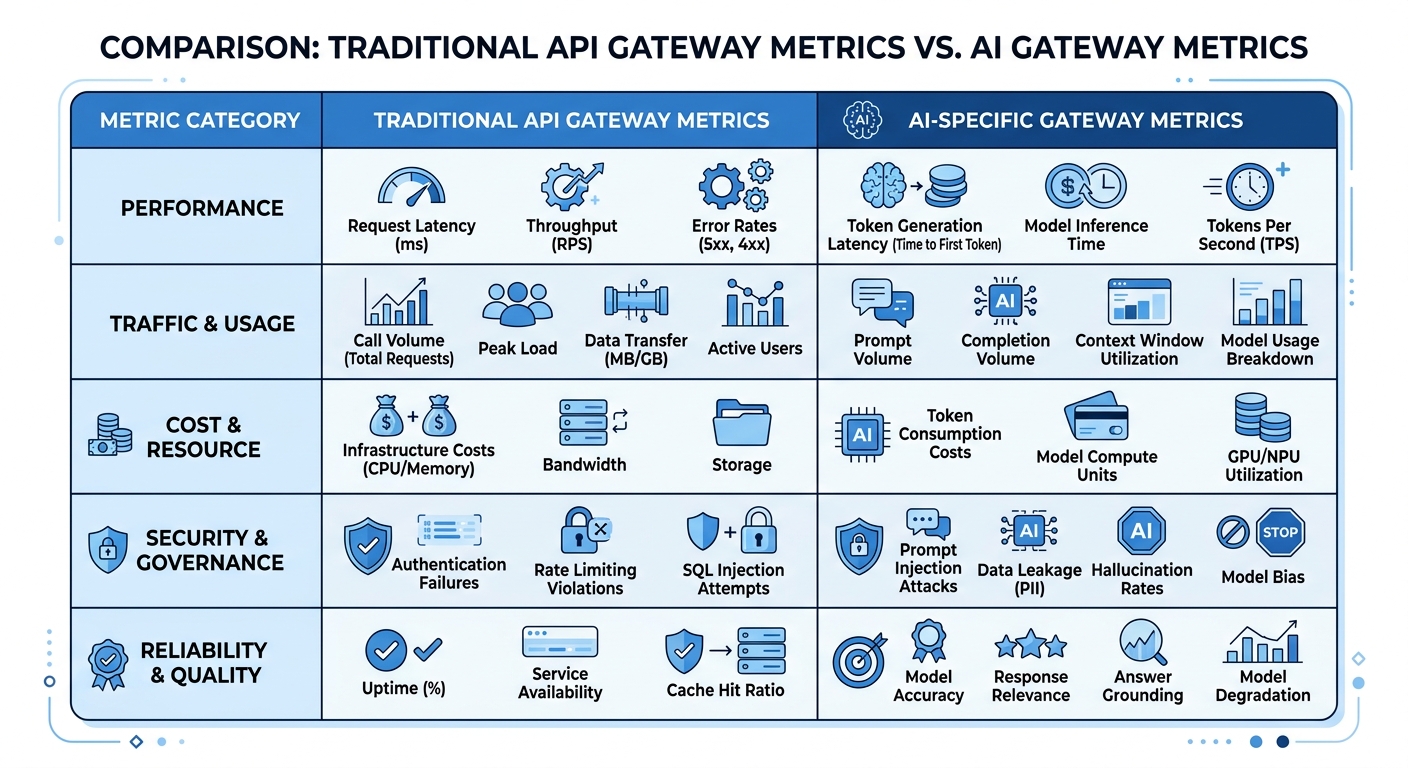
Anthropic and OpenAI both commonly bill API usage by tokens, but developers should compare more than headline price.
| Area | Anthropic Claude API | OpenAI API | What to compare |
|---|---|---|---|
| Input pricing | Model-dependent | Model-dependent | Long context and RAG costs |
| Output pricing | Model-dependent | Model-dependent | Report/code generation costs |
| Caching | Useful for repeated context | Varies by model/API feature | Repeated system prompts and documents |
| Model strengths | Long context, writing, coding, reasoning | Broad ecosystem, multimodal, tooling | Task-level quality per dollar |
| Cost control | Requires instrumentation | Requires instrumentation | Usage by route, user, and feature |
The best choice is rarely “always Claude” or “always OpenAI.” The best setup is usually task-aware routing:
Use this checklist before production:
A simple spreadsheet can work at first. But once you use multiple models, providers, and environments, you need centralized tracking.
Not every request needs the strongest Claude model. Classification, rewriting, short extraction, JSON formatting, and FAQ responses can often use smaller or cheaper models.
A common production pattern:
| Task | Recommended routing idea |
|---|---|
| Complex coding/debugging | Strong Claude model |
| Simple support triage | Smaller Claude or alternative fast model |
| JSON extraction | Low-cost structured-output model |
| Summaries | Mid-tier model with length limits |
| Fallback after timeout | Cheaper or faster backup model |
Set different output limits for different routes. A customer support preview does not need the same output budget as a deep code review.
Do not attach the same policy, documentation, or tool descriptions unnecessarily. Use prompt caching where it fits. Summarize old chat history. Retrieve fewer but better document chunks.
You need to know which feature creates cost. Track:
If your app uses Claude, GPT, Gemini, DeepSeek, and other models, billing becomes fragmented. A gateway can centralize:
Crazyrouter is one option for this workflow. It provides an OpenAI-compatible API gateway so teams can call multiple model families through a single base URL while keeping application code stable.
Human-facing link: try Crazyrouter
API endpoint for code: https://crazyrouter.com/v1
Python:
Node.js:
The key idea is not that every task must use the same model. The key idea is that your application code can stay stable while your routing and cost strategy evolves.
Yes. API billing usually counts both the tokens you send and the tokens Claude generates. Exact prices depend on the selected Claude model and Anthropic's current pricing.
Common causes include long system prompts, full conversation history, large RAG context, verbose outputs, agent loops, tool calls, and retries after timeouts.
Route simple tasks to cheaper models, cap output length, retrieve less context, summarize old chat history, use prompt caching for repeated context, and monitor cost per feature.
It can be useful when the same context or instructions are reused across many requests. It is less useful for fully unique prompts.
Use direct Anthropic API access if you only need Claude and want first-party simplicity. Use a gateway if you need multiple providers, centralized billing, fallback routing, or model switching without rewriting application code.
Anthropic API billing is manageable when you treat it as an engineering metric, not an afterthought. Measure input and output tokens, control retries, route by task type, and optimize cost per successful workflow.
For teams using multiple AI models, the biggest savings usually come from routing: strong models for hard tasks, cheaper models for routine tasks, and centralized logs for every request.
Start with the official Anthropic pricing page for exact model prices, then build your own usage model around your real product traffic.
And if you want to compare Claude, GPT, Gemini, DeepSeek, and other models behind one OpenAI-compatible API, you can test that workflow with Crazyrouter.
此内容由惯性聚合(RSS阅读器)自动聚合整理,仅供阅读参考。 原文来自 — 版权归原作者所有。