

惯性聚合 高效追踪和阅读你感兴趣的博客、新闻、科技资讯
阅读原文 在惯性聚合中打开

推荐订阅源

OSCHINA 社区最新新闻
OSCHINA 社区最新新闻
L
LINUX DO - 热门话题
Blog — PlanetScale
Blog — PlanetScale
博客园 - Franky
J
Java Code Geeks
腾讯CDC
博客园 - 聂微东
The Cloudflare Blog
钛媒体:引领未来商业与生活新知
钛媒体:引领未来商业与生活新知
博客园 - 司徒正美
Last Week in AI
Last Week in AI
量子位
Stack Overflow Blog
Stack Overflow Blog
Microsoft Security Blog
Google DeepMind News
K
KPMG report finds enterprise disconnect between AI and its ROI | CIO
S
Schneier on Security
C
CERT Recently Published Vulnerability Notes
Latest news
Latest news
Threat Intelligence Blog | Flashpoint
有赞技术团队
有赞技术团队
让小产品的独立变现更简单 - ezindie.com
S
Securelist
AWS News Blog
AWS News Blog
GbyAI
GbyAI
L
LINUX DO - 最新话题
大猫的无限游戏
大猫的无限游戏
Forbes - Security
Forbes - Security
H
Hackread – Cybersecurity News, Data Breaches, AI and More
Attack and Defense Labs
C
CXSECURITY Database RSS Feed - CXSecurity.com
Y
Y Combinator Blog
W
WeLiveSecurity
T
Threatpost
cs.CV updates on arXiv.org
P
Proofpoint News Feed
D
DataBreaches.Net
博客园 - 三生石上(FineUI控件)
V
V2EX
N
News and Events Feed by Topic
Google DeepMind News
D
Docker
The Hacker News
The Hacker News
A
About on SuperTechFans
Security Latest
Security Latest
NISL@THU
NISL@THU
cs.AI updates on arXiv.org
Cisco Talos Blog
Cisco Talos Blog
博客园_首页
H
Hacker News: Front Page

Crazyrouter Blog

Gemini CLI Complete Guide 2026: Repo Automation, CI Agents, and Multi-Model Routing Ideogram AI Guide 2026: Brand Design Automation, API Workflows, and Alternatives GLM 4.6 API Guide 2026: Agents, RAG, Tool Calling, and Bilingual Apps WAN 2.2 Animate Tutorial 2026: Character Consistency, Shot Control, and API Workflows Google Veo3 API Guide 2026: Production Video Pipelines, Prompts, Pricing, and Fallbacks AI API Pricing Comparison 2026: Text, Image, Video, Caching, and Router Costs Codex CLI Installation Guide 2026: Windows, macOS, Linux, Proxies, and CI Setup How to Get a Claude API Key in 2026: Secure Setup for Teams, CI, and Alternatives Gemini Advanced Review 2026: Is It Worth It for Coding, Research, and API Teams? Seedance 2.0 Pricing: Convert 46 CNY per Million Tokens to Cost per Second Seedance 2.0 计费详解:46元/百万Token换算成每秒多少钱 Seedance 2.0料金解説:100万Tokenあたり46元を1秒あたりコストに換算 Gemini CLI 使用教程 2026:安装、代码示例、代理环境与 API 接入 Gemini 是什么?2026 完整介绍、API 使用教程与价格对比 Qwen2.5-Omni Guide 2026: Real-Time Voice, Vision, and Multimodal Agents Kimi K2 Thinking Guide 2026: Reasoning Workflows, Evals, and Cost Control Google Veo3 API Guide 2026: Batch Video Pipelines, Pricing, and Fallbacks Codex CLI Installation Guide 2026: macOS, Linux, WSL, Proxies, and Dev Containers How to Get a Claude API Key in 2026: Safe Production Setup and Alternatives AI API Pricing Comparison 2026: GPT, Claude, Gemini, Video, and Agent Workloads Gemini Advanced Review 2026: Is It Worth It for Developer Teams? Claude Code Pricing Guide 2026: API Fallbacks, Team Seats, and Budget Control Seedream 4.0 API Tutorial 2026: Batch Image Generation, Product Creative, and Pricing Qwen2.5-Omni Guide 2026: Real-Time Voice, Vision, Text Agents, and API Integration Kimi K2 Thinking Guide 2026: Reasoning Agents, Evaluation Workflows, and API Cost Control WAN 2.2 Animate Tutorial 2026: Character Motion, Shot Control, API Pipelines, and Pricing Google Veo3 API Guide 2026: Production Video Workflows, Prompts, Pricing, and Fallbacks AI API Pricing Comparison 2026: OpenAI, Claude, Gemini, DeepSeek, and Router Costs How to Get a Claude API Key in 2026: Setup, Security, Rotation, and Alternatives Codex CLI Installation Guide 2026: macOS, Linux, WSL, Proxies, and Devcontainers Gemini Advanced Review 2026: Is It Worth It for Developers and API Builders? Claude Code Pricing Guide 2026: CI Agents, Team Seats, and API Budget Planning 一個 API Key 呼叫 GPT、Claude、Gemini:5 分鐘設定教學 AI API Gateway for Singapore and Malaysia Developers: One Endpoint for GPT, Claude and Gemini AI API Gateway for Thai Developers: Use GPT, Claude and Gemini with One Key Cómo usar GPT, Claude y Gemini con una sola API key One API Key for GPT, Claude and Gemini: A Practical Setup for Central Asia Developers Gemini 3.5 Flash vs Claude レスポンスティアモデル:開発者はどちらを選ぶべきか Gemini 3.5 Flash vs Claude Response-Tier Models: Какую модель выбрать разработчику? Gemini 3.5 Flash vs Claude Response-Tier Models: Which One Should Developers Use? Gemini 3.5 Flash vs Gemini 3 Flash vs Gemini 2.5 Flash:実運用APIベンチマーク Gemini 3.5 Flash vs Gemini 3 Flash vs Gemini 2.5 Flash: Real API Benchmark text-embedding-3-large 值不值得用?和 text-embedding-3-small 的成本、效果与选型对比 用 text-embedding-3-large 搭建 RAG 知识库:从切块、向量化到检索排序 text-embedding-3-large 是干什么的?Embedding 模型入门与 RAG 场景详解 AI 扩图 API 指南 2026:Uncrop、Outpaint、gpt-image-2 和 Nano Banana 路线怎么选 How to Test Multiple AI Image Models with One API Key "How to Test Multiple AI Image Models with One API Key" Codex CLI Installation Guide: Setup on macOS, Linux, Windows WSL and CI/CD Gemini CLI 使用教程:开发者终端 AI 助手完全指南 Grok 4 免费使用教程:合法体验路径、API 接入与替代方案 Seedream 4.0 API Tutorial: ByteDance Image Generation for Production Pipelines Kimi K2 Thinking Model: Complete Developer Guide for Reasoning Workflows Luma Ray 2 Review: AI Video Generation Quality, Speed, and API Guide Pika 2.2 New Features Review: Scene Director, Sound Design, and API Updates Google Veo 3 API Guide: Video Generation with Audio for Developers AI Lip Sync Tools Comparison 2026: Best APIs for Talking Avatars and Video Dubbing Gemini Advanced Review May 2026: Is It Worth $20/Month for AI Power Users? Claude Code Pricing in May 2026: Max Plan, Opus 4, and Real Cost Breakdown Hermes Agent + Crazyrouter: One-Click Setup for 627+ AI Models Text-Embedding-3-Small: Complete Guide to OpenAI's Most Popular Embedding Model (2026) Cursor 配置 Crazyrouter 教程:国内用上 GPT-5.4 / Claude 写代码 2026 年国内如何调用 Claude API?Claude Opus / Sonnet 接入完全指南 2026 年国内如何调用 GPT-5.4 API?完整接入指南(含代码示例) AI API 常见报错排查大全:401、429、500、timeout 一篇搞定 2026 年 AI API 中转站哪家好?六大平台横向对比评测 2026 年 DeepSeek R1 API 接入指南:国内最强推理模型怎么调用 Trình Tạo Meme & Sách Tô Màu Bằng AI Với GPT-image-2 — Những Dự Án Vui Mà Vẫn Kiếm Ra Tiền Dự Đoán Em Bé Tương Lai Bằng AI Với GPT-image-2 — Xem Con Bạn Có Thể Trông Như Thế Nào Chuyển Đổi Ảnh Sang Phong Cách Ghibli Với GPT-image-2 — Biến Mọi Bức Ảnh Thành Tranh Anime Tạo Mô Hình Nhân Vật Hành Động Bằng AI Với GPT-image-2 — Biến Bất Kỳ Ai Thành Đồ Chơi Trong Hộp GPT-image-2: Nhận Diện Khuôn Mặt Và Phân Tích Màu Sắc Bằng AI Xem chỉ tay với GPT-image-2 — Tạo bản phân tích chỉ tay chuyên nghiệp chỉ từ một bức ảnh GPT-image-2로 AI 밈 생성기 & 컬러링북 만들기 — 재미있고 수익도 되는 프로젝트 GPT-image-2로 AI 미래 아기 예측 — 우리 아이는 어떤 모습일까? GPT-image-2로 지브리 스타일 변환 — 사진을 애니메이션 아트로 바꾸기 GPT-image-2로 AI 액션 피규어 생성하기 — 누구나 박스형 피규어로 바꾸는 법 GPT-image-2로 AI 관상 분석 & 퍼스널 컬러 진단 — 두 가지 바이럴 활용법 완벽 가이드 GPT-image-2 실전 가이드:AI 손금 분석 — 손바닥 사진 한 장으로 전문 손금 인포그래픽 생성하기 GPT-image-2 で AI ミーム生成 & ぬりえブック制作 — 楽しくて本当に稼げるプロジェクト GPT-image-2 で AI 未来の赤ちゃん予測 — 将来の子どもの顔を見てみよう GPT-image-2 でジブリ風写真変換 — どんな写真もアニメアートに GPT-image-2 で AI アクションフィギュア生成 — 誰でもボックス入りおもちゃに変身 GPT-image-2 で AI 顔相診断 & パーソナルカラー分析 — 2つのバズ活用法を1本で解説 GPT-image-2 で AI 手相占い — 1枚の写真からプロ仕様の手相分析を生成 GPT-image-2 на практике: AI-генератор мемов и раскрасок — весёлые проекты, которые приносят деньги GPT-image-2 на практике: AI-предсказание будущего ребёнка — как будет выглядеть ваш малыш GPT-image-2 на практике: стиль Гибли — превратите любое фото в аниме-арт GPT-image-2 на практике: AI-генератор фигурок — превратите себя в коллекционную игрушку GPT-image-2 на практике: AI-физиогномика и анализ цветотипа — два вирусных кейса в одном гайде GPT-image-2 на практике: AI-хиромантия — генерация профессионального анализа ладони по фото GPT-image-2 实战:AI Meme 生成器 & 涂色书制作 — 好玩还能赚钱的两个项目 GPT-image-2 实战:AI 预测未来宝宝 — 看看你们的孩子长什么样 GPT-image-2 实战:吉卜力风格转换 — 把任何照片变成宫崎骏动画 GPT-image-2 实战:AI 手办生成器 — 把任何人变成盒装公仔 GPT-image-2 实战:AI 面相分析 & 个人色彩诊断 — 两大爆款玩法一文搞定 GPT-image-2 实战:AI 看手相 — 一张手掌照片生成专业手相分析图 AI Meme Generator & Coloring Book Creator with GPT-image-2 — Fun Projects That Actually Make Money AI Future Baby Prediction with GPT-image-2 — See What Your Child Might Look Like Ghibli Style Photo Transformation with GPT-image-2 — Turn Any Photo Into Anime Art
Anthropic API Billing Explained: How Claude API Charges Work in 2026
Crazyrouter Team · 2026-06-02 · via Crazyrouter Blog

Anthropic API Billing Explained: How Claude API Charges Work in 2026#

Anthropic API billing looks simple at first: send a prompt, receive a Claude response, pay for tokens. In real production workloads, it gets more complicated. You have input tokens, output tokens, cached prompt tokens, long-context requests, retries, tool calls, agents, batch jobs, and multiple environments using the same API key.

If you are building with Claude in 2026, understanding billing is not optional. It directly affects your product margins, rate-limit strategy, model choice, and user experience.

This guide explains how Anthropic API billing works, why Claude API costs can surprise teams, and how to reduce spend without lowering output quality.
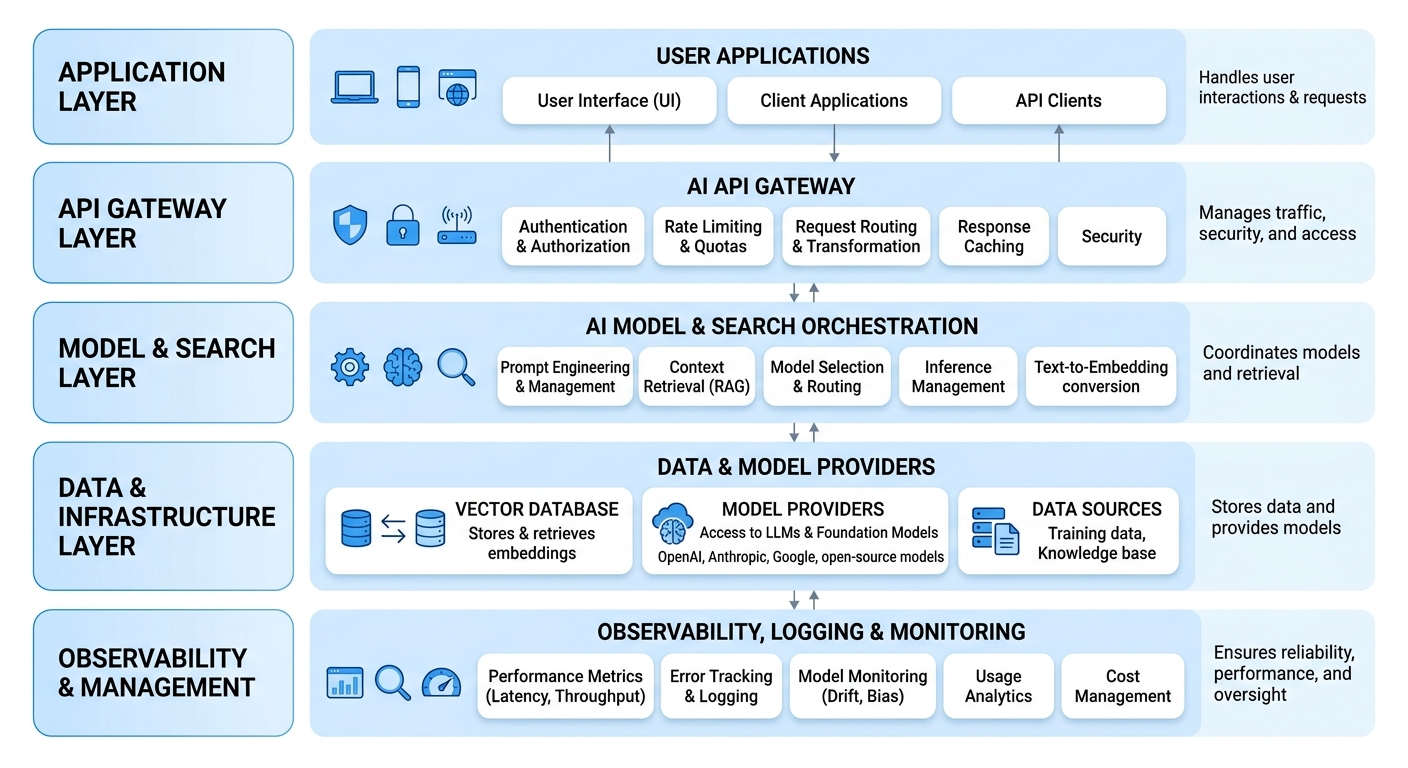
AI API billing dashboard concept

Quick answer: how Anthropic API billing works#

Anthropic API billing is usually based on token usage:

  • Input tokens: text, images, tool schemas, system prompts, previous conversation history, and context you send to Claude.
  • Output tokens: the tokens Claude generates in the response.
  • Cached tokens: reusable prompt/context segments that may be billed differently when prompt caching is enabled.
  • Model tier: larger Claude models cost more than smaller/faster Claude models.
  • Request pattern: retries, long conversations, agents, and tool loops multiply token usage.

The most important point: you pay for both what you send and what the model returns. A short user question can still become expensive if your application attaches a large system prompt, long chat history, retrieved documents, or verbose tool definitions.

Input tokens vs output tokens#

Most Claude API cost analysis starts with input and output tokens.

Billing componentWhat it includesWhy it matters
Input tokensUser message, system prompt, chat history, retrieved documents, tool definitionsOften grows silently as apps mature
Output tokensClaude's generated responseControlled by max tokens, prompt style, and task type
Cached input tokensReused context or prompt sectionsCan reduce repeated long-context cost
Tool call overheadTool schemas, arguments, observationsImportant for agent workflows

For example, a support chatbot might look cheap during testing because each prompt has only a few lines. After launch, the same chatbot may attach:

  • a 1,000-token system prompt,
  • a 4,000-token knowledge-base excerpt,
  • previous conversation history,
  • tool definitions,
  • and a long final answer.

The user only sees one short message, but the API bill sees every token.

Claude API billing example#

Here is a simplified example. Imagine your app sends a request with:

  • 3,000 input tokens,
  • 800 output tokens,
  • no prompt caching,
  • one Claude model selected for quality.

Your actual cost depends on the model's published input/output token pricing. But the calculation pattern is always similar:

If your app retries the same request twice after timeout, you may pay for three attempts. If your agent runs five reasoning/tool steps, you may pay for five model calls. If your RAG pipeline attaches too many documents, input costs can dominate.

That is why production teams should track cost by workflow, not just by model.

Why Anthropic API costs surprise teams#

1. Long context is useful, but not free#

Claude models are popular for long-context work: documents, codebases, research notes, legal text, customer records, and multi-turn analysis. Long context is powerful, but every request that includes large context increases input token cost.

A common mistake is sending the entire conversation or full document set every time. Better patterns include:

  • summarize old conversation turns,
  • retrieve only the most relevant chunks,
  • cache stable instructions,
  • split analysis into staged tasks,
  • use smaller models for extraction and routing.

2. Output tokens can be more expensive than expected#

Many teams optimize prompts but forget to control answer length. If your app asks for comprehensive answers, multi-section reports, code, JSON, and explanations, output tokens rise quickly.

Use explicit constraints:

3. Agents multiply requests#

Claude-based agents often call the model many times per user task:

  1. understand the request,
  2. plan,
  3. call tools,
  4. inspect results,
  5. revise the plan,
  6. generate output,
  7. self-check.

This can be worth it for complex coding or research tasks, but billing should be measured per completed task, not per single API call.

4. Retries and fallbacks are hidden cost drivers#

Retries are necessary in production. But every retry can duplicate token cost. If your retry logic is too aggressive, billing rises without improving user experience.

Use:
  • timeout budgets,
  • exponential backoff,
  • idempotency keys where supported,
  • cheaper fallback models for simple retries,
  • logs that show retry count per request.

AI API pricing and routing comparison

Anthropic billing vs OpenAI billing#

Anthropic and OpenAI both commonly bill API usage by tokens, but developers should compare more than headline price.

AreaAnthropic Claude APIOpenAI APIWhat to compare
Input pricingModel-dependentModel-dependentLong context and RAG costs
Output pricingModel-dependentModel-dependentReport/code generation costs
CachingUseful for repeated contextVaries by model/API featureRepeated system prompts and documents
Model strengthsLong context, writing, coding, reasoningBroad ecosystem, multimodal, toolingTask-level quality per dollar
Cost controlRequires instrumentationRequires instrumentationUsage by route, user, and feature

The best choice is rarely “always Claude” or “always OpenAI.” The best setup is usually task-aware routing:

  • use a strong Claude model for hard writing/coding/reasoning,
  • use a cheaper model for classification or formatting,
  • use a fast model for support triage,
  • use fallback routing when one provider is unavailable.

How to estimate Claude API cost before launch#

Use this checklist before production:

  1. Measure average input tokens per request.
  2. Measure average output tokens per response.
  3. Separate user-visible requests from internal agent/tool calls.
  4. Estimate retry rate under real network conditions.
  5. Group costs by feature: support bot, coding agent, document analysis, summarization, etc.
  6. Set max output tokens for each route.
  7. Test smaller models for simple tasks.
  8. Track cost per successful task, not just total token spend.

A simple spreadsheet can work at first. But once you use multiple models, providers, and environments, you need centralized tracking.

Practical ways to reduce Anthropic API billing#

1. Route simple tasks to cheaper models#

Not every request needs the strongest Claude model. Classification, rewriting, short extraction, JSON formatting, and FAQ responses can often use smaller or cheaper models.

A common production pattern:

TaskRecommended routing idea
Complex coding/debuggingStrong Claude model
Simple support triageSmaller Claude or alternative fast model
JSON extractionLow-cost structured-output model
SummariesMid-tier model with length limits
Fallback after timeoutCheaper or faster backup model

2. Cap output length by product route#

Set different output limits for different routes. A customer support preview does not need the same output budget as a deep code review.

3. Reduce repeated context#

Do not attach the same policy, documentation, or tool descriptions unnecessarily. Use prompt caching where it fits. Summarize old chat history. Retrieve fewer but better document chunks.

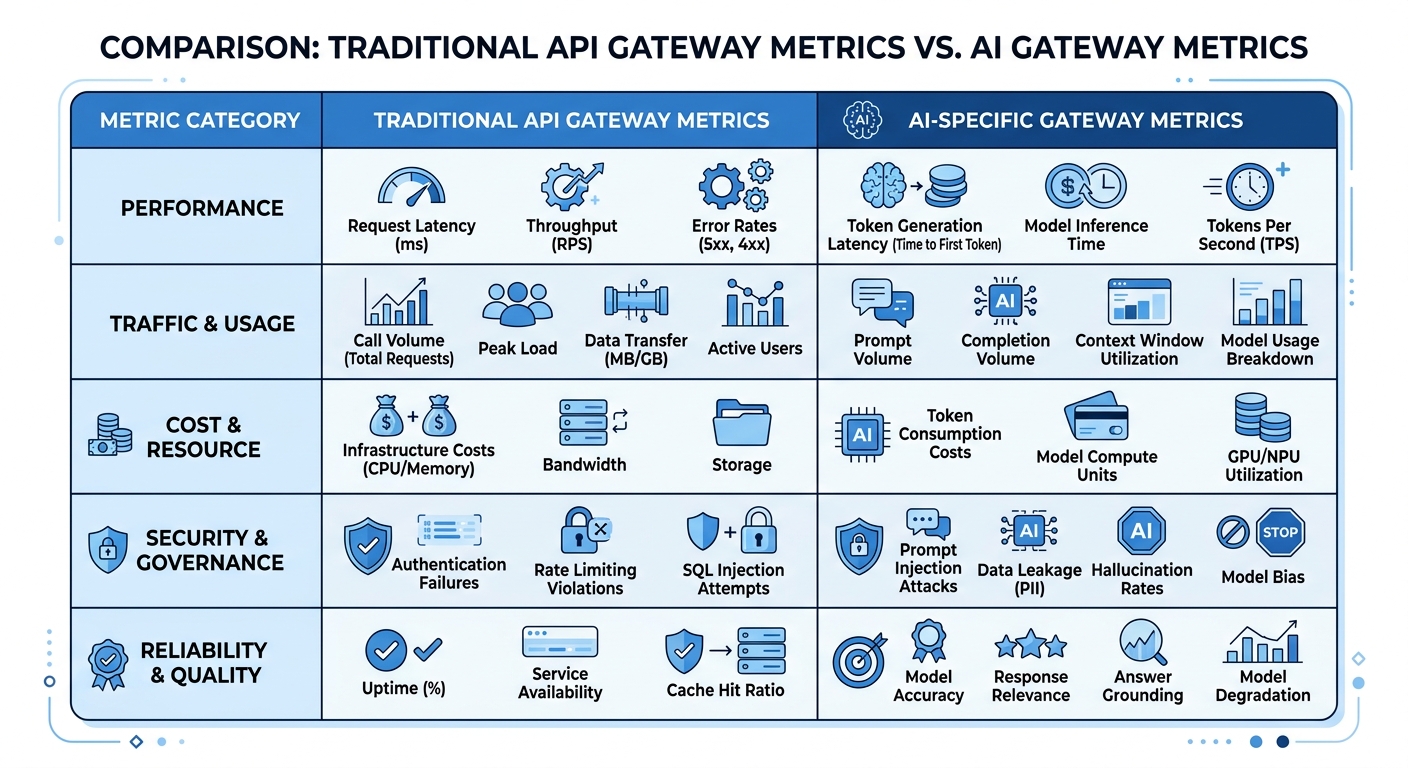
4. Log token usage per user and feature#

You need to know which feature creates cost. Track:

  • user ID,
  • route name,
  • model,
  • input tokens,
  • output tokens,
  • retries,
  • latency,
  • success/failure,
  • estimated cost.

5. Use an API gateway for billing visibility#

If your app uses Claude, GPT, Gemini, DeepSeek, and other models, billing becomes fragmented. A gateway can centralize:

  • one API key,
  • model routing,
  • usage logs,
  • fallback rules,
  • cost comparison,
  • provider switching.

Crazyrouter is one option for this workflow. It provides an OpenAI-compatible API gateway so teams can call multiple model families through a single base URL while keeping application code stable.

Human-facing link: try Crazyrouter

API endpoint for code: https://crazyrouter.com/v1

Example: calling Claude through an OpenAI-compatible gateway#

Python:

Node.js:

The key idea is not that every task must use the same model. The key idea is that your application code can stay stable while your routing and cost strategy evolves.

FAQ#

Does Anthropic charge for input and output tokens?#

Yes. API billing usually counts both the tokens you send and the tokens Claude generates. Exact prices depend on the selected Claude model and Anthropic's current pricing.

Why is my Claude API bill higher than expected?#

Common causes include long system prompts, full conversation history, large RAG context, verbose outputs, agent loops, tool calls, and retries after timeouts.

How do I reduce Claude API cost without hurting quality?#

Route simple tasks to cheaper models, cap output length, retrieve less context, summarize old chat history, use prompt caching for repeated context, and monitor cost per feature.

Is prompt caching useful for Anthropic billing?#

It can be useful when the same context or instructions are reused across many requests. It is less useful for fully unique prompts.

Should I use Claude directly or through an API gateway?#

Use direct Anthropic API access if you only need Claude and want first-party simplicity. Use a gateway if you need multiple providers, centralized billing, fallback routing, or model switching without rewriting application code.

Final recommendation#

Anthropic API billing is manageable when you treat it as an engineering metric, not an afterthought. Measure input and output tokens, control retries, route by task type, and optimize cost per successful workflow.

For teams using multiple AI models, the biggest savings usually come from routing: strong models for hard tasks, cheaper models for routine tasks, and centralized logs for every request.

Start with the official Anthropic pricing page for exact model prices, then build your own usage model around your real product traffic.

And if you want to compare Claude, GPT, Gemini, DeepSeek, and other models behind one OpenAI-compatible API, you can test that workflow with Crazyrouter.