








Founder of Multify, an automated website translation and localization service for international companies.
I am a software engineer with 15+ years of experience. I focus on system architecture and shipping resilient products that are a joy to use.
Beyond building products, I am drawn to foundational computer science: how complex behavior emerges from simple rules, and how to build systems that organize themselves.
When I thought out to write daily I didn’t really have a plan or even focus really: I just had thoughts and wanted to voice them, making the blog as my medium.
I still do have thoughts but I have been noticing it is not as easy to come up with interesting ideas to write. Moreover, I have less experience with such things than my main trade—computer programming and engineering, software development and other adjacent fields.
Thing is, writing about technical stuff seems harder—you have to provide examples with code or diagrams and it is not really sustainable in daily blog post format. But what if I could condense these ideas even further?
No diagrams most of the time, but maybe if I explained technical things in a more approachable way that would work as text.
Let’s see! I cannot promise anything, of course, but personally I have been thinking about writing simply and succinctly for quite a while now—a couple years at least.
Maybe now is finally the time.
Other posts:
From time to time, apart from programming, I also dabble in digital electronics:
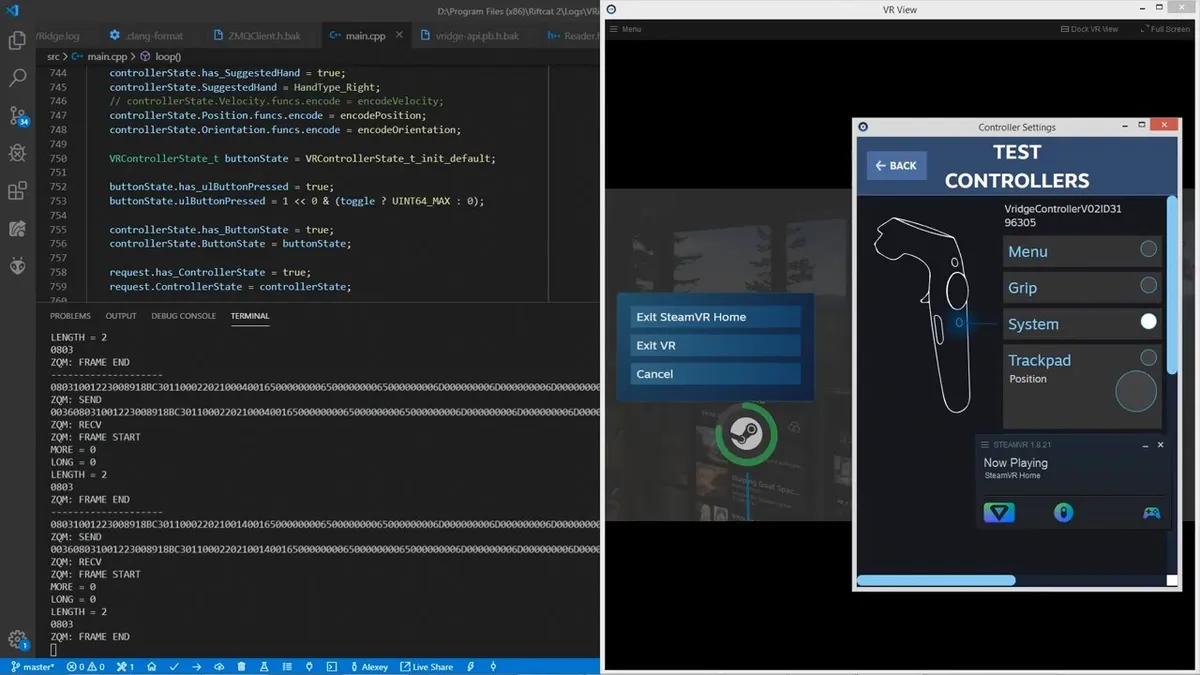
In this project I was tinkering with ESP8266, making it connect to the PC over Wi-Fi. I used it for emulation of an HTC Vive VR controller through VRidge API over ZeroMQ protocol. During the process I also wrote a simplified ZMQ client that can run on Arduino.
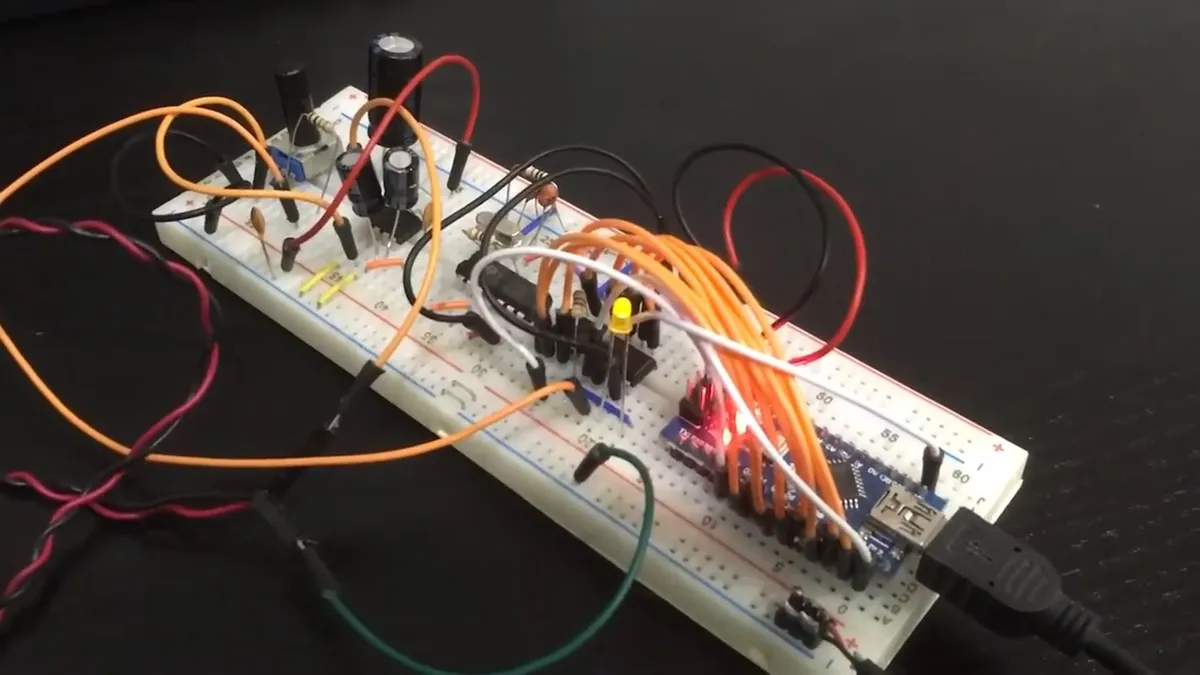
Hardware player that plays chiptune music in VGM format. In particular, it uses SN76489 chip to play music using up to 4 square-wave voices. The repository contains tool written in JavaScript that proxies the raw VGM byte stream to the Arduino along with the firmware that controls SN76489.
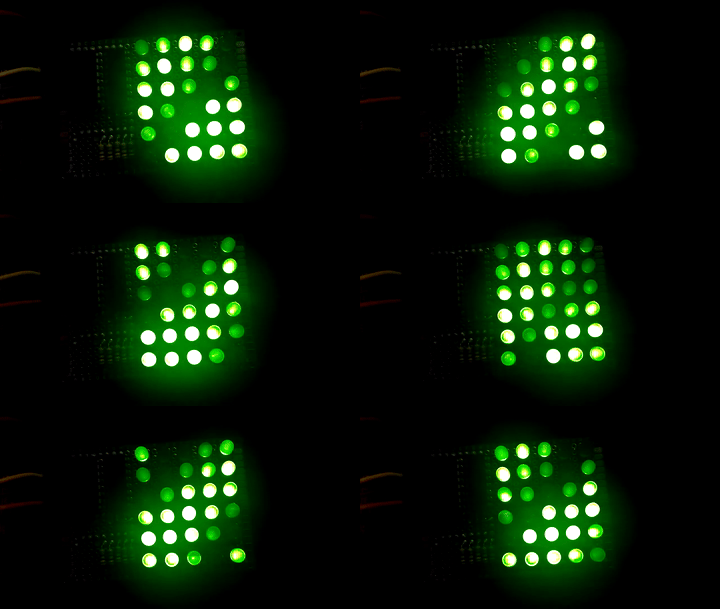
This is my first digital device that I have designed from scratch: from schematics and hardware communication protocol, to the low-level display driver. The final result is an Arduino project that uses this driver software to control the display and play animations.
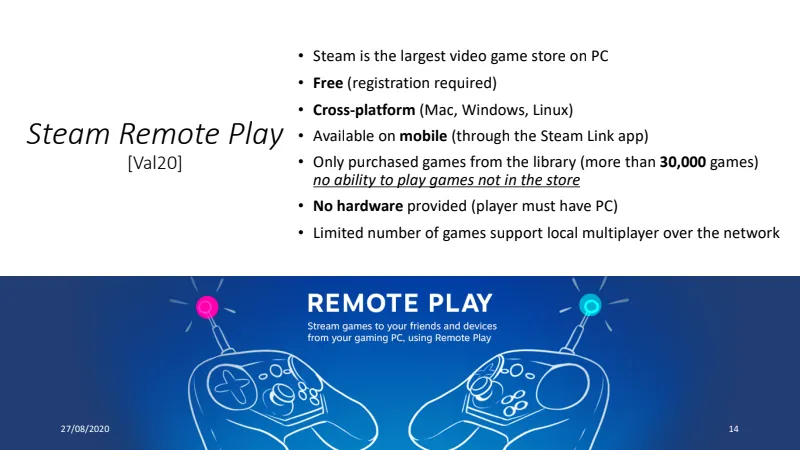
In this project I compared cloud gaming services by testing their bandwidth usage, latency, and adaptation algorithms using Wireshark. I analyzed five services (Parsec, Steam Remote Play, Moonlight, GeForce NOW, and Google Stadia) and reviewed the evolution of cloud gaming from 2010 to 2020.
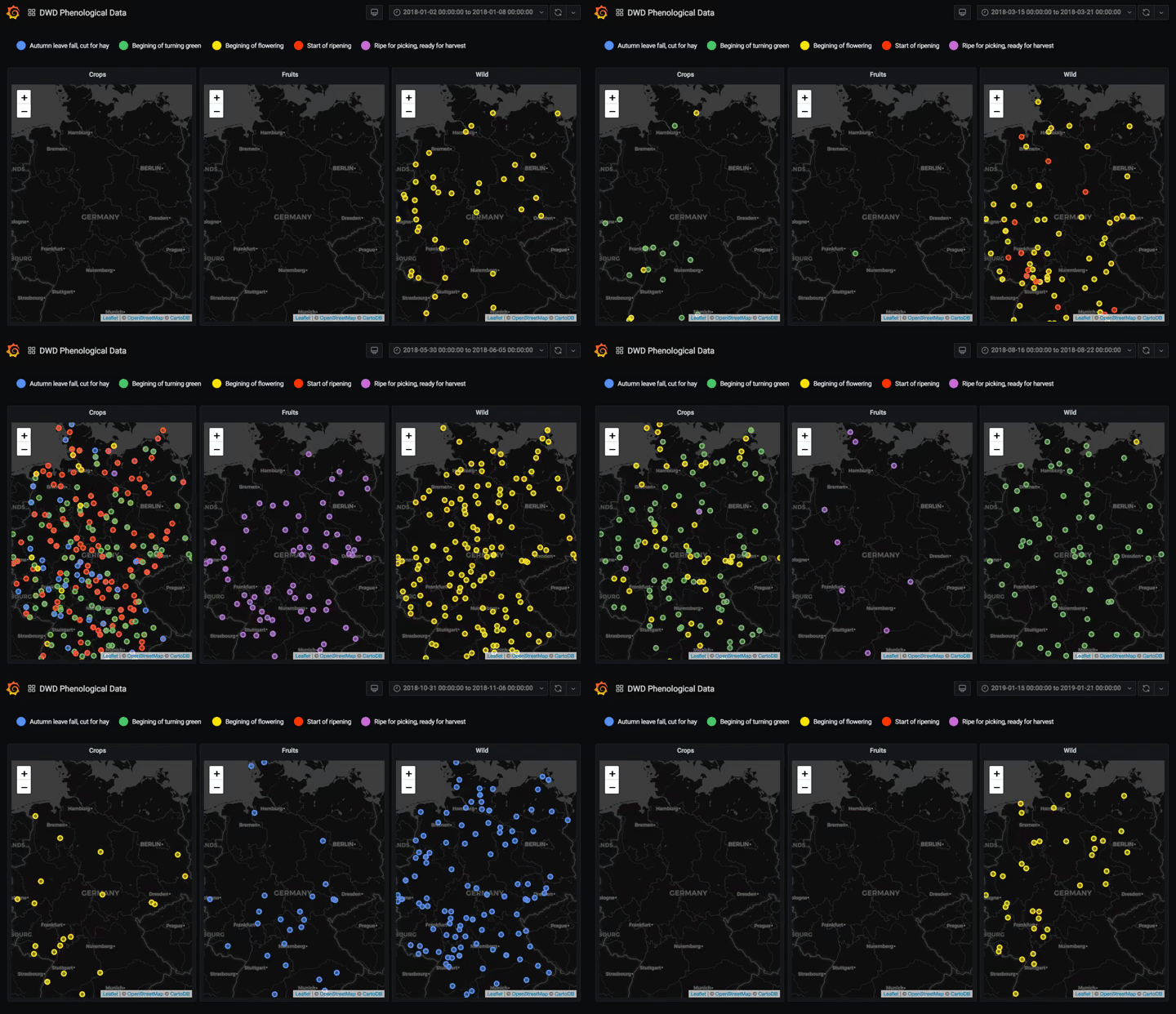
In this project I built an interactive dashboard to monitor phenological data across Germany. I developed a data pipeline that processes open data from the DWD, created a methodology to formalize text phase descriptions into comparable numeric values, and visualized the results using Grafana.
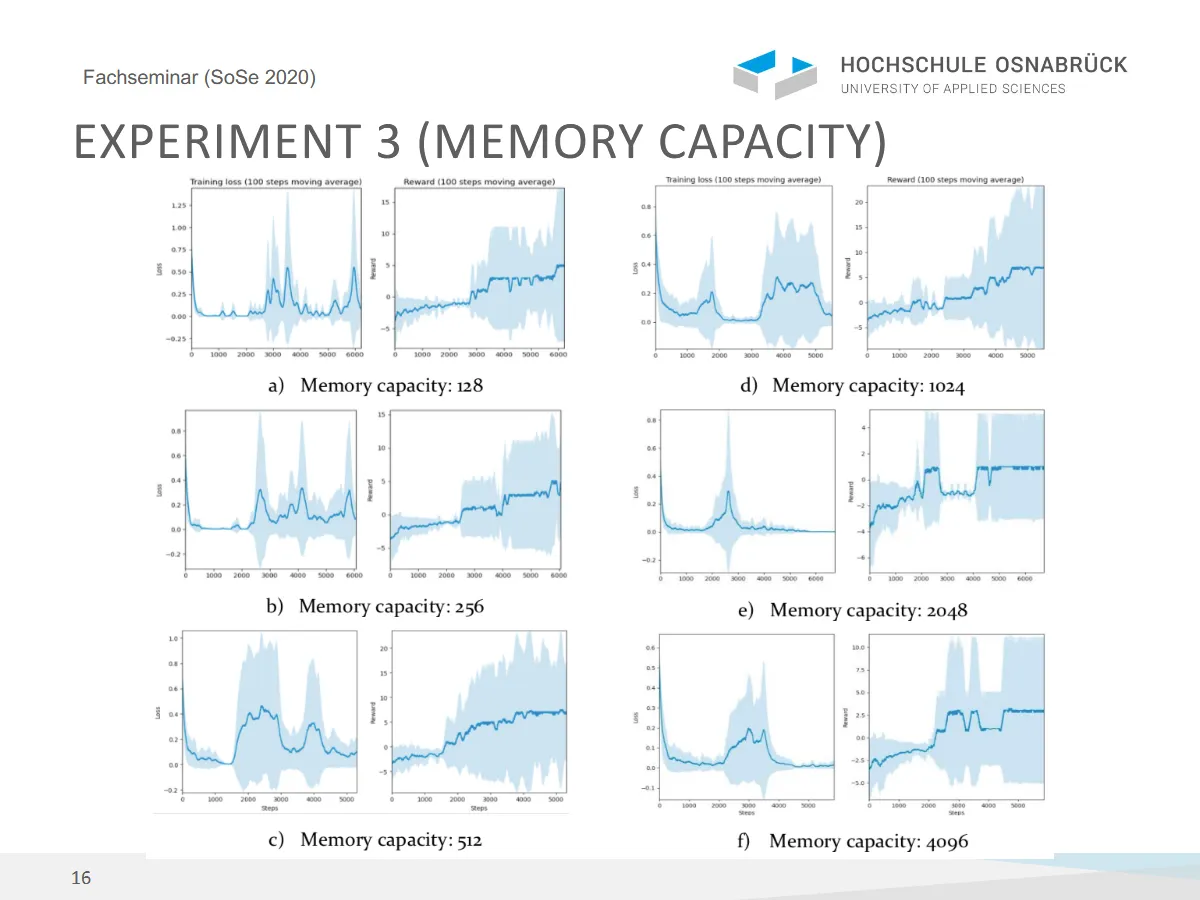
In this study I systematically tested how hyperparameters affect deep Q‑learning agent performance. I experimented with memory size, discount factors, and vision range in a custom grid world environment. I gained some new insights about possible new approaches for adaptive memory.
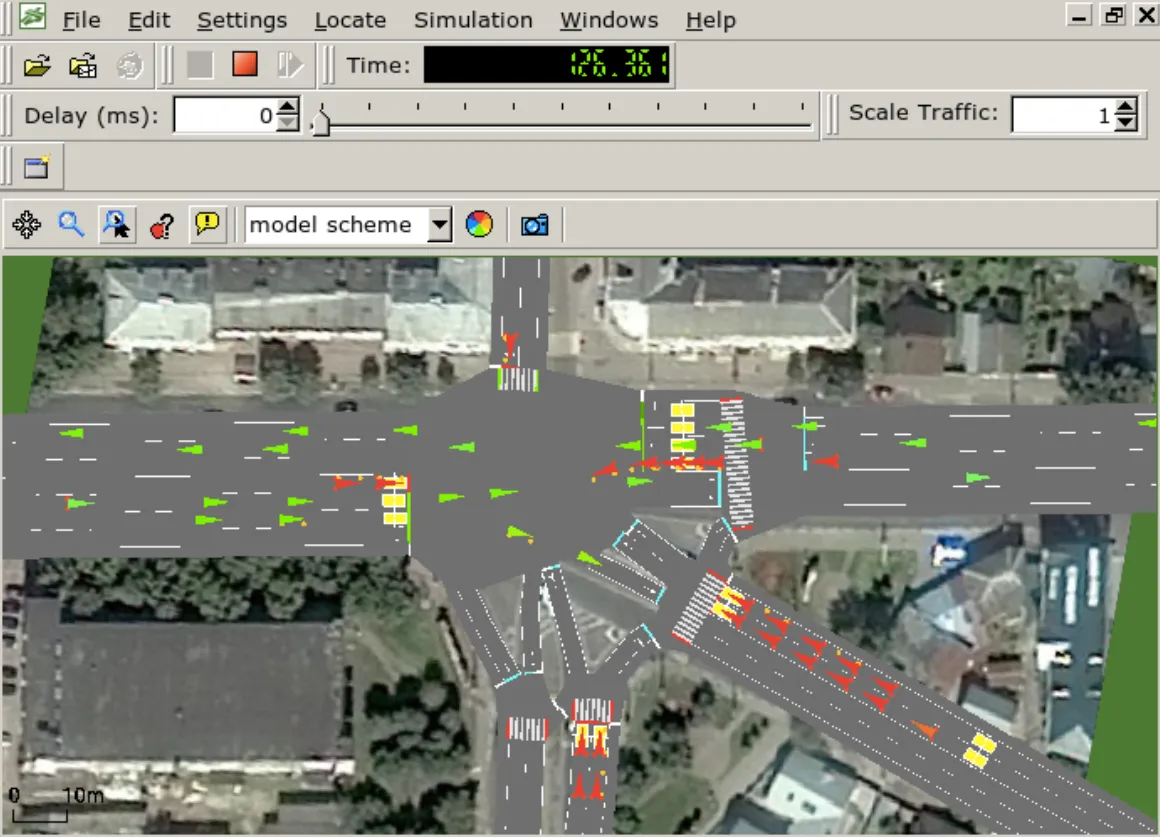
In my masters thesis I developed a road traffic simulation using SUMO that used automatic adjustments of the traffic light phase intervals. To achieve this, I made a feed-forward neural network with Keras which was connected to the simulation. It required creating a client-server architecture with a message queue as communication channel between the modules of the system.
Aleksey V. Ivanov, Yury N. Matveev
A.V. Ivanov, Y.N. Matveev
Y.N. Matveev, A.V. Ivanov
Fares Abu-Abed, Aleksei Ivanov
Alexey Ivanov, Fares Abu-Abed
Email: contact [at] aleksei [dot] dev
GitHub: lexuzieel
此内容由惯性聚合(RSS阅读器)自动聚合整理,仅供阅读参考。 原文来自 — 版权归原作者所有。