


VMware Cloud Foundation (VCF) continues to evolve its self-service networking capabilities (as we explored in our post VCF Networking 9.1: Exploring Network Services for Virtual Private Clouds).
With the release of VCF 9.1, we are seeing a major enhancement in how subnets are presented to your infrastructure: VPC Network Span.
In short, Network Span defines visibility. It allows administrators to specify exactly which vCenter clusters can “see” and host the subnets associated with a specific Virtual Private Cloud (VPC).
Think of it as a way to map your virtual network boundaries directly onto your physical cluster boundaries with total precision.
To understand why this is a game-changer, we have to look at how VPC subnets were handled previously:
Why should you move away from the “global” model? This new granular control offers several strategic advantages:
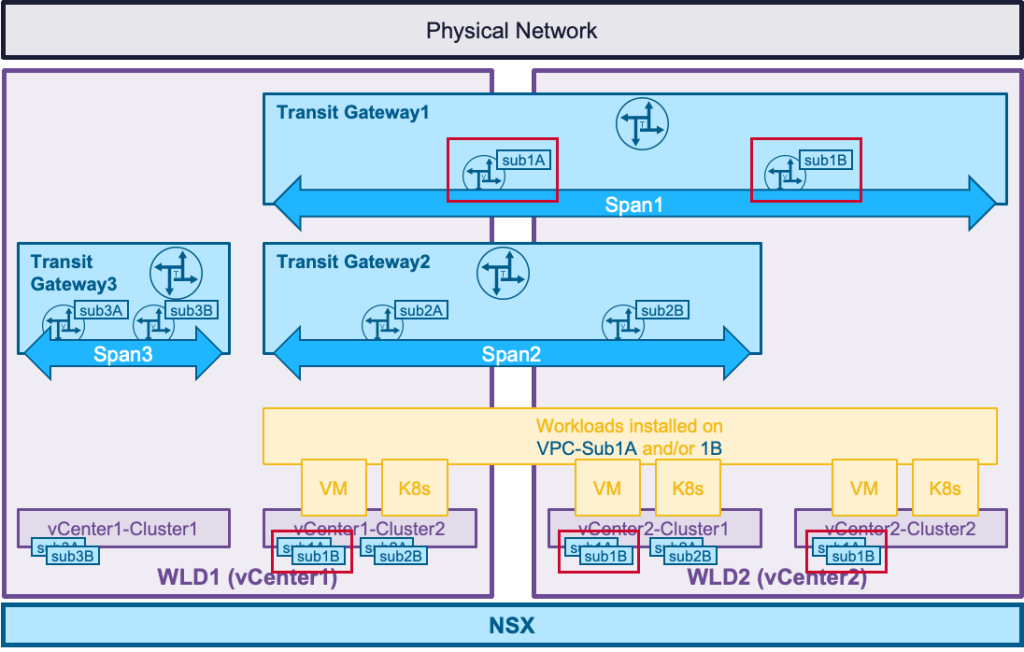
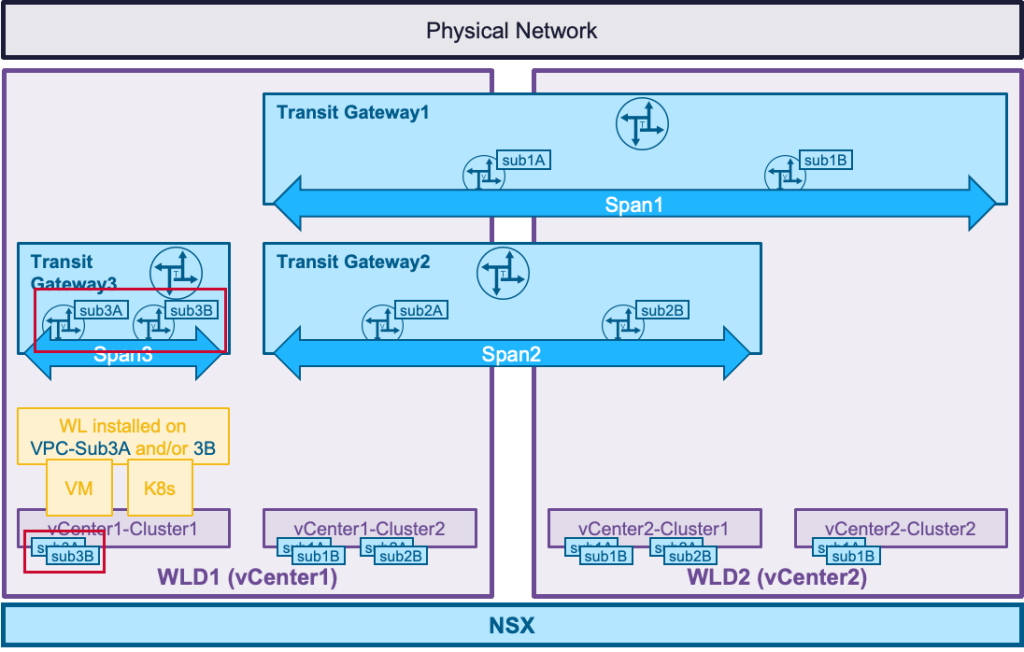
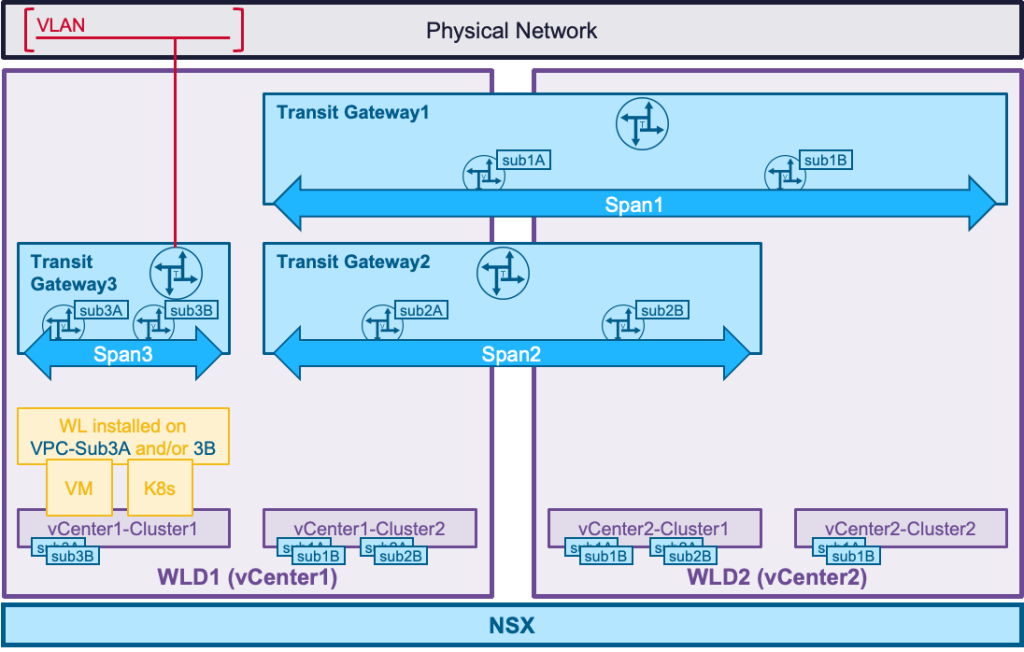
VCF 9.1 VPC Network Span provides the architectural “scissors” needed to cut away unnecessary network overhead. By defining exactly where your subnets live, you gain better security through isolation, simplified physical networking, and much more intentional workload placement.
Curious how to actually “span” a network across specific clusters?
Check out our demo below. We’ll show you how to configure VPC Spans to target specific clusters, allowing you to build dedicated zones for your most critical applications without stretching your physical network to the breaking point.
Subscribe to get the latest posts sent to your email.
此内容由惯性聚合(RSS阅读器)自动聚合整理,仅供阅读参考。 原文来自 — 版权归原作者所有。