









As enterprises continue to accelerate the integration of AI tools in 2026, AI assistants have also evolved from experimental tools into essential components of modern development and operations. From automating documentation to accelerating code generation and streamlining support, AI-driven copilots are now embedded across the enterprise tech stack, helping teams move faster while maintaining quality and security.
GitHub’s reports found that developers completed tasks 55% faster when implementing AI-assisted coding, underscoring the measurable efficiency gains these tools deliver at scale.
Anthropic’s Claude has become a benchmark for enterprise-grade AI assistants. While it’s been recognized for its deep contextual reasoning, long context window, and commitment to ethical AI, it’s certainly not the only solid option. The ecosystem of AI copilots has expanded rapidly, offering diverse, domain-optimized alternatives for coding, research, content creation, and business automation.
Let’s explore 10 powerful Claude alternatives for 2026, comparing their technical strengths, pricing models, and ideal use cases for your organization’s evolving AI needs.
Key takeaways:
AI assistants are now embedded across various enterprise workflows, supporting tasks such as documentation, coding, analytics, and operations. They’ve moved from experimental tools to reliable productivity systems used daily by technical teams.
Claude remains a leading option for contextual and safe reasoning. Still, the ecosystem now includes strong alternatives optimized for data analysis, content generation, and software development, giving teams more specialized choices.
Modern models prioritize accuracy, long-context reasoning, and governance, integrating retrieval, multimodal inputs, and explainable outputs to enhance factual reliability, auditability, and alignment with compliance.
Choosing the right Claude alternative depends on organizational needs, including the depth of reasoning, integration capabilities, security and data governance requirements, and compatibility with existing toolchains and workflows.
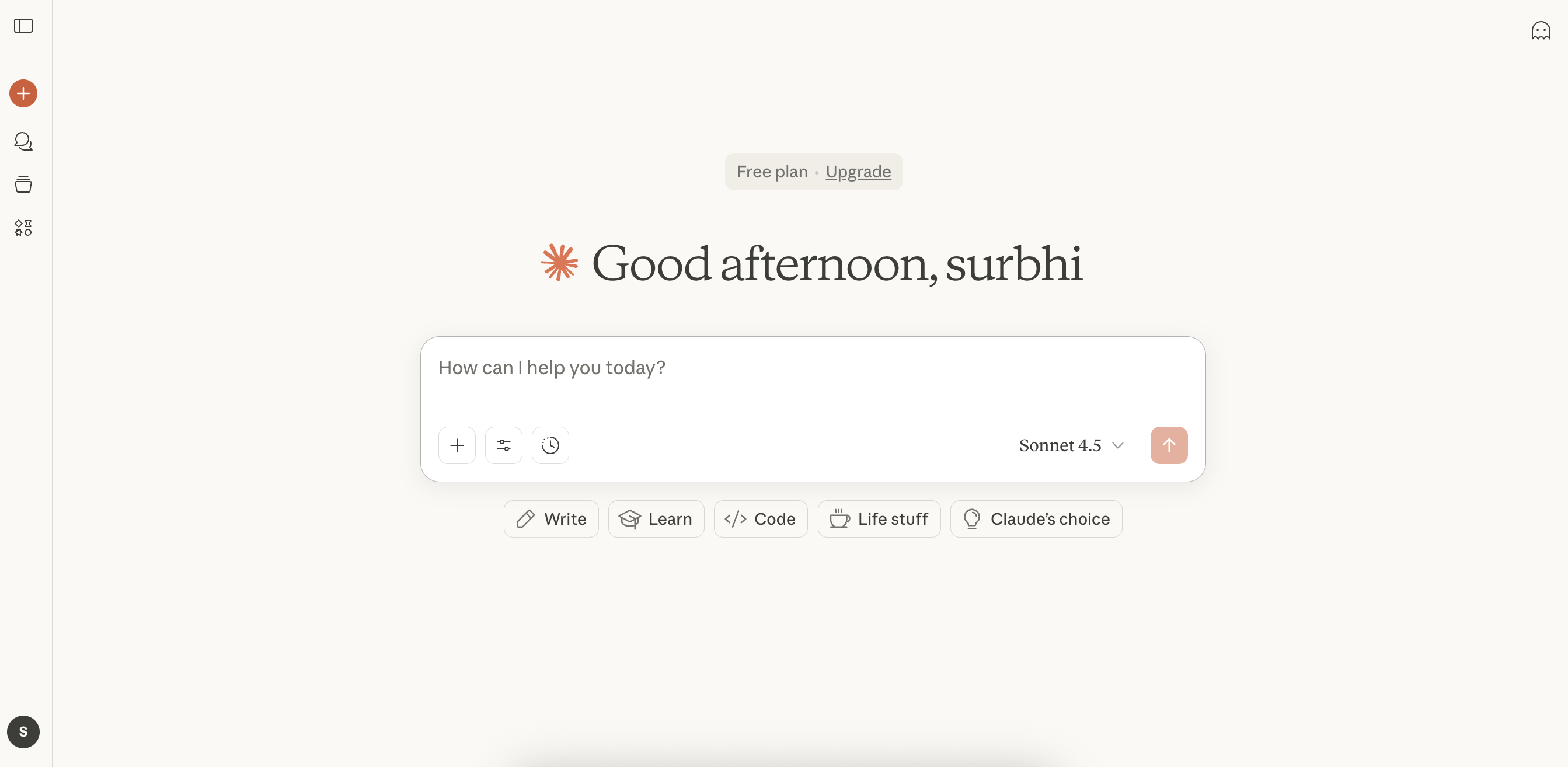
Claude, developed by Anthropic, is a next-generation assistant designed for enterprise applications where context, safety, integration, and scalability are crucial. Rather than simply serving as a conversational bot, Claude functions as a collaborative AI platform that can delve into long-form documents, interact with code and files, integrate with external tools, and support complex workflows across engineering, research, and business functions.
Compare Claude vs. ChatGPT for reasoning, coding capabilities, and pricing to select the right model for your AI workflows.
Anthropic has introduced several model families and feature enhancements that expand Claude’s capabilities:
The Claude 3.5 Sonnet model family offers advanced reasoning, strong vision capabilities (including chart/graph interpretation), and a 200,000-token context window, meaning it can handle entire reports or datasets in one pass.
The Claude 4 series (including Opus 4 and Sonnet 4) offers extended thinking with tool use (switching between internal reasoning and external tools, such as web searches), along with enhanced memory functionality and parallel tool execution.
In October 2025, Anthropic rolled out the Memory feature, making it possible to persist user- or project-specific context across sessions (with user control over what Claude remembers).
Additional developer platform features include Agent Skills, Code Execution Tool (for safe, sandboxed Python execution), Files API, Web Search Tool, Fine-Grained Tool Streaming, and improved SDKs (Go, Ruby), as well as usage analytics.
Large context window: With up to 200,000 tokens, Claude can ingest full books, large spreadsheets, or entire code bases in one session.
Multimodal input & reasoning: Claude handles text, images (charts/graphs/photos), code, and integrates with external data.
Tool-enabled workflows: Whether executing code, running analytics, searching the web, or orchestrating agent-like workflows, Claude supports developer-centric scenarios via APIs and SDKs.
Memory & state-persistence: Claude can store and recall conversational context, project-specific details, user preferences, or team signals, enabling ongoing, evolving workflows rather than single isolated chats.
Safety & governance features: Enhanced threat detection (e.g., the ability to terminate harmful dialogues), usage logging, role-based SDK access, and enterprise controls for deployment.
Integration and automation capabilities: Claude provides API endpoints for embeddings, file processing, code execution, and skills, meaning organizations can embed Claude into their toolchains, DevOps pipelines, and document-management systems.
Claude is available as a web app (Claude.ai), via API, and through major cloud marketplace platforms.
Here are the major Claude pricing plans:
Individual plans:
Free - Includes core Claude chat features with limited usage caps and no access to Claude Code.
Pro - $17/month; $17/month ($204/year). Expands usage limits, unlocks Claude Code in the UI, enables projects, and provides faster performance.
Max - $100/month; $100/month ($1,200/year). Offers the highest usage limits, priority access, early features, and full access to Claude Code tools.
Team plans:
Standard seat – $25/user/month ($300/year). Includes shared team workspaces, admin controls, and higher usage limits for collaboration.
Premium seat – $150/user/month ($1,800/year). Adds advanced admin features, enhanced security, Claude Code access, and priority support.
Enterprise – Custom pricing. Includes enterprise governance features, SSO/SAML, dedicated support, custom usage allocations, and private deployment options.
Claude API pricing (usage-based)
Claude 3.5 Sonnet – $3/M input tokens; $15/M output tokens
Claude 3 Opus – $15/M input tokens; $75/M output tokens
Claude 3 Haiku – $0.25/M input tokens; $1.25/M output tokens
Batch API pricing – ~50% discount compared to standard rates
Claude Code sandbox – $0.05 per compute hour beyond free daily allotment
Modern enterprises operate in environments defined by complexity, speed, and data overload. AI advancements have prompted software teams to deliver secure, scalable solutions more quickly than ever. At the same time, content, support, and operations teams are under pressure to personalize experiences, maintain uptime, and manage expanding toolchains.
AI assistants have evolved from optional productivity tools into essential infrastructure. They serve as cognitive extensions of technical teams, enabling understanding of context, generating insights, and automating repetitive workflows across development, documentation, and decision-making.
Accelerating software development: AI assistants such as ChatGPT, Claude, and Gemini are now embedded across the SDLC from architecture drafts to code review. Teams using multi-agent setups report 35–40% faster bug resolution due to real-time context awareness. These assistants also help enforce coding standards and security best practices through automated linting, vulnerability checks, and unit-test generation.
Scaling knowledge and documentation: For enterprises managing massive documentation libraries, AI converts static content into searchable, actionable intelligence. Models like Claude 3.5 and Gemini 3 can process over 200,000 tokens in a single session, enabling comprehensive analysis of full documents across contracts, APIs, or retrospectives. Their summarization and recall capabilities cut onboarding and research time by 25–40%, freeing teams for higher-value engineering work.
Reducing operational and support Costs: AI-powered copilots now handle first-level support, ticket triage, and automated runbook execution. Integrations with tools like Microsoft Copilot or DeepSeek streamline DevOps queries, incident summaries, and alert analysis, reducing manual workload across IT and support teams.
Enhancing decision-making and compliance: Modern AI systems can reason over dashboards, spreadsheets, logs, and compliance reports to inform informed decisions. With built-in governance features such as Claude’s Constitutional AI or Gemini’s Safety Layers, organizations maintain auditability and policy alignment. This enables regulated industries (finance, healthcare, energy) to adopt AI without compromising traceability or compliance posture.
Enabling multi-cloud and cross-tool integration: AI assistants are increasingly cloud-native, integrating with APIs, SDKs, and monitoring tools across environments. Copilot and Gemini offer plug-ins for VS Code, Jupyter, and the Google Cloud Console, while Claude supports workspace collaboration and tool invocation APIs. This enables teams to integrate AI into CI/CD pipelines, observability dashboards, and customer-facing workflows, transforming the assistant into a continuous intelligence layer.
The AI assistant landscape in 2026 is certainly competitive. Enterprises now have a diverse ecosystem of copilot options tailored for specific domains, ranging from developer productivity and data research to marketing automation and enterprise collaboration.
| Provider | Best for | Standout features | Pricing (monthly) |
|---|---|---|---|
| ChatGPT | Full-stack reasoning, code assistance, research workflows | Multimodal GPT-5 reasoning, adaptive tone, persistent memory, and tool use within chat | Free: $0/month; GPT-5 access: $20/month |
| Gemini | Cross-media data analysis and multimodal collaboration | Unified text-image-code-audio reasoning, 1M-token context, live screen/camera input | Free: $0/month; $19.99/month for 2 TB storage + Gemini 2.5 Pro |
| Perplexity AI | Research, compliance, and fact-checked analysis | Source-cited reasoning, RAG-based generation, factual verification | Standard: $0/month; Pro: $20/month; Max: $200/month |
| OpenClaw | Open, composable AI agents | Agent execution loops with explicit planning and action phases, deterministic state tracking, and tool-first workflow orchestration | Free plan |
| Microsoft Copilot | Productivity automation across enterprise apps | Embedded assistant in Office, Teams, Windows; real-time data reasoning | Microsoft 365 Copilot: $30/user/month |
| Grok | Real-time conversational reasoning with social awareness | Adaptive tone, personality-driven reasoning, live data access | Grok Business: $30/seat/month |
| Poe | Multi-model reasoning and comparative analysis | Routes tasks across GPT, Claude, Gemini; cross-model insight synthesis | Starting at $4.99/month |
| DeepSeek AI | Analytical, data-driven reasoning and model explainability | Transparent step-by-step logic, quantitative accuracy, interpretability | 1M output tokens: $0.42 |
| HuggingChat | Open-model evaluation and experimentation | Live switching between open-source models, transparent model attribution per response, and direct access to Hugging Face model metadata | Free - $0/month; Pro - $9/month; Team - $20/user/month; Enterprise - Starting at $50/user/month |
| Open WebUI | Private, open-source AI deployments | Self-hosted model control, secure data handling, plugin-based assistant extensibility | Custom pricing |
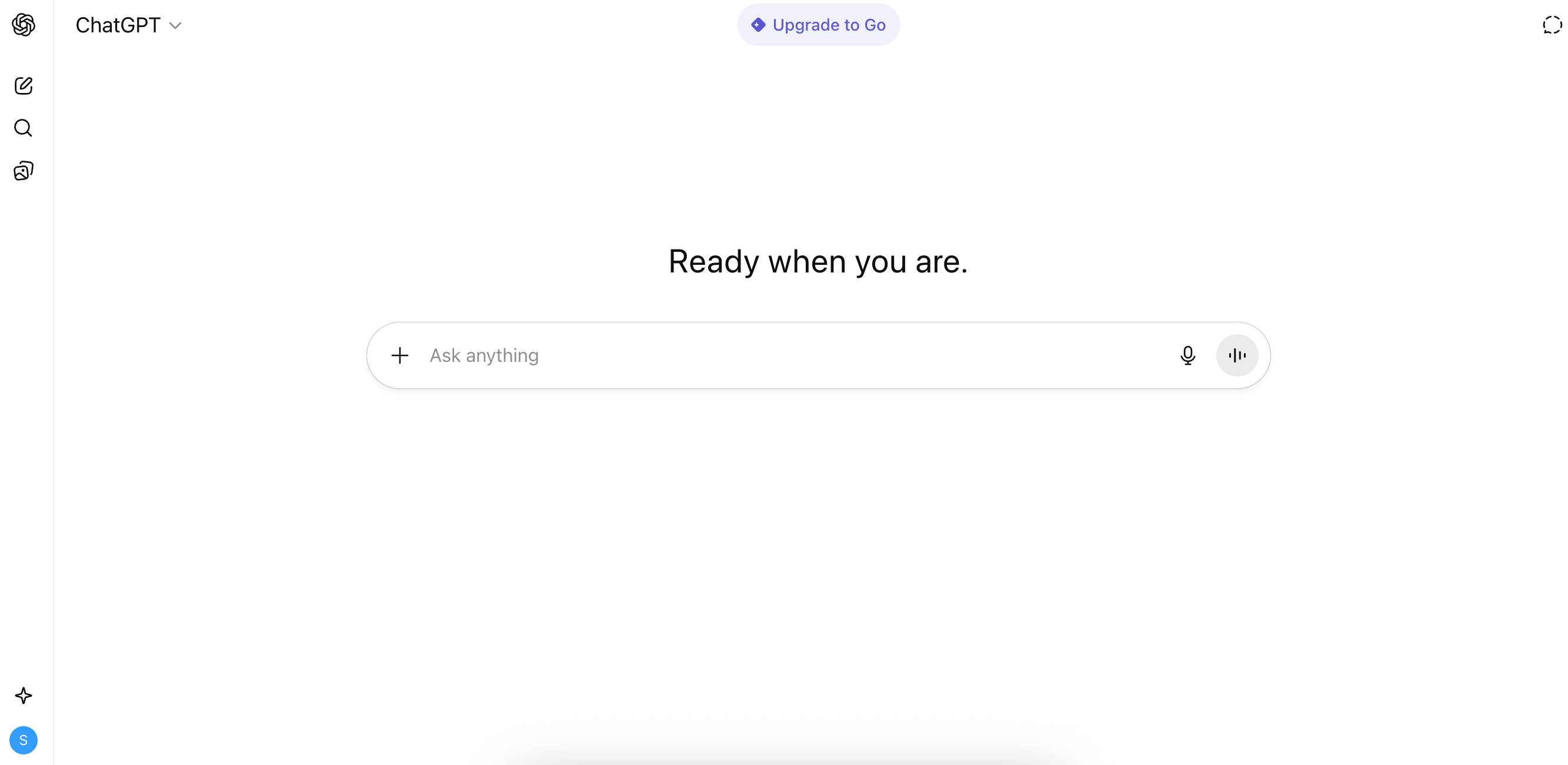
ChatGPT, powered by OpenAI, is an advanced multimodal reasoning assistant, capable of interpreting text, code, data, and images simultaneously, generating contextual responses with human-like depth and domain precision. The assistant’s ability to adapt tone, recall prior sessions, and chain multiple tools in real time allows it to function as a true digital collaborator, not just a chatbot. GPT-5’s thinking mode enhances abstract reasoning and iterative problem-solving, particularly in code analysis and research synthesis.
ChatGPT key features:
Automatically revises and improves its own answers through iterative reasoning cycles.
Maintains project-specific memory for continued discussions and code debugging over time.
Understands diagrams, screenshots, and spoken prompts simultaneously.
Trigger APIs or code functions during a chat to fetch and process data in real-time.
ChatGPT pricing:
Free - $0 with limited features
ChatGPT Plus - $20/month for GPT-5 access, 25 deep research reports, 40 agent mode chats
ChatGPT Pro - $200/month for advanced models and priority access
For more information on ChatGPT, including its key features, pricing, and working models, read our article comparing Claude vs ChatGPT and gain a clear understanding of both tools.
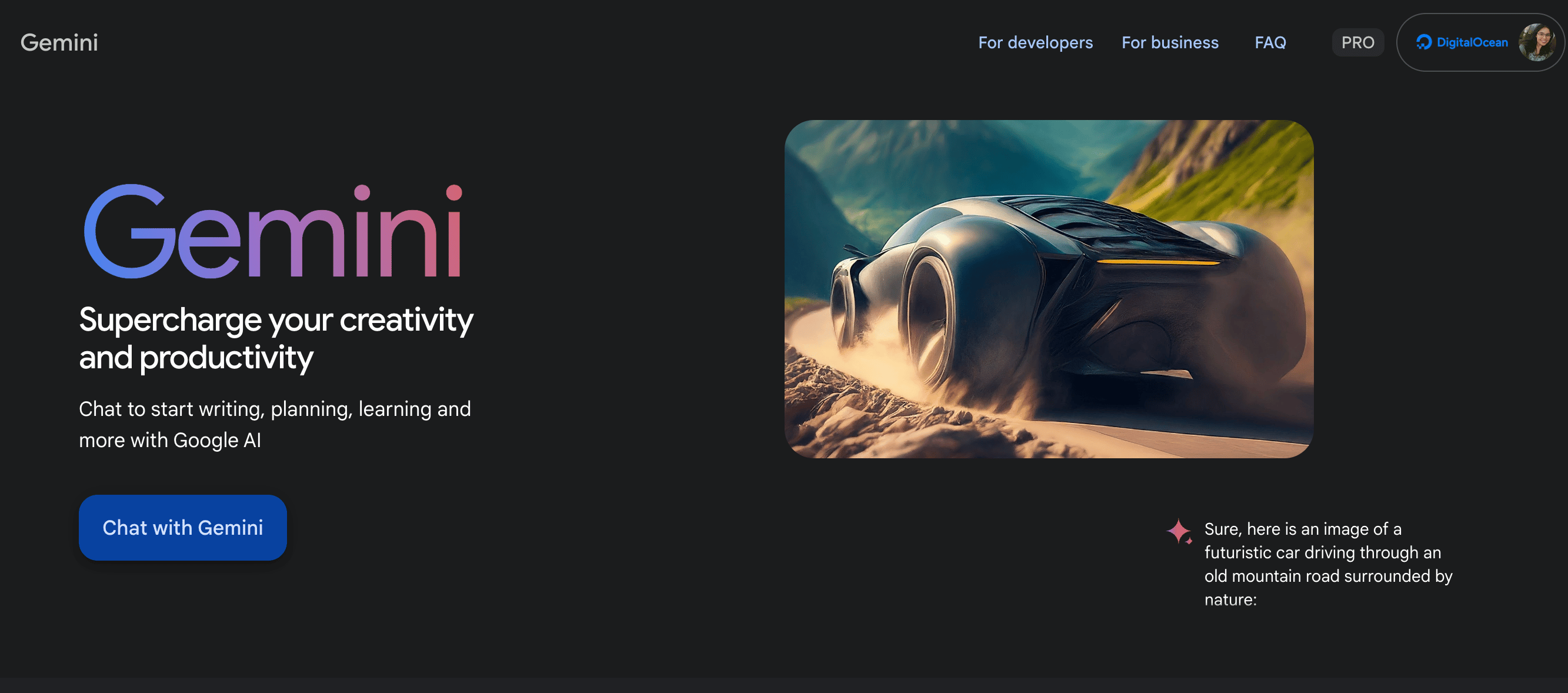
Gemini, developed by Google DeepMind, is an AI reasoning assistant built to handle high-complexity, cross-media workflows. It can analyze videos, codebases, documents, and charts within a single conversational thread, explaining its reasoning in human-readable steps. Gemini excels at multimodal interpretation and contextual synthesis, supporting professionals who require AI that can understand how visual and textual data connect within enterprise tasks. Its tight integration with the broader Google ecosystem, including Workspace apps, Search, YouTube, and cloud services, gives it an advantage in scenarios where users rely on Google-native tools for productivity, research, and collaboration.
Gemini key features:
Expands reasoning depth in response to task complexity, ranging from quick answers to research-level analysis.
Automatically breaks down user queries into structured subtasks for more reliable execution.
Supports camera or screen-share inputs for visual problem-solving.
Generates a rationale summary for every complex output, aiding transparency.
Learns recurring document patterns or spreadsheet structures for predictive suggestions.
Gemini pricing:
Free - $0 with generous usage limits
AI Pro - $19.99/month for 2 TB storage plus access to Gemini 2.5 Pro
AI Ultra - $249.99/month, access to advanced models and features
If you’re working with edge workloads or compact ML pipelines, our essential guide breaks down how Nano-Banana optimizes memory usage, concurrency, and compute density.
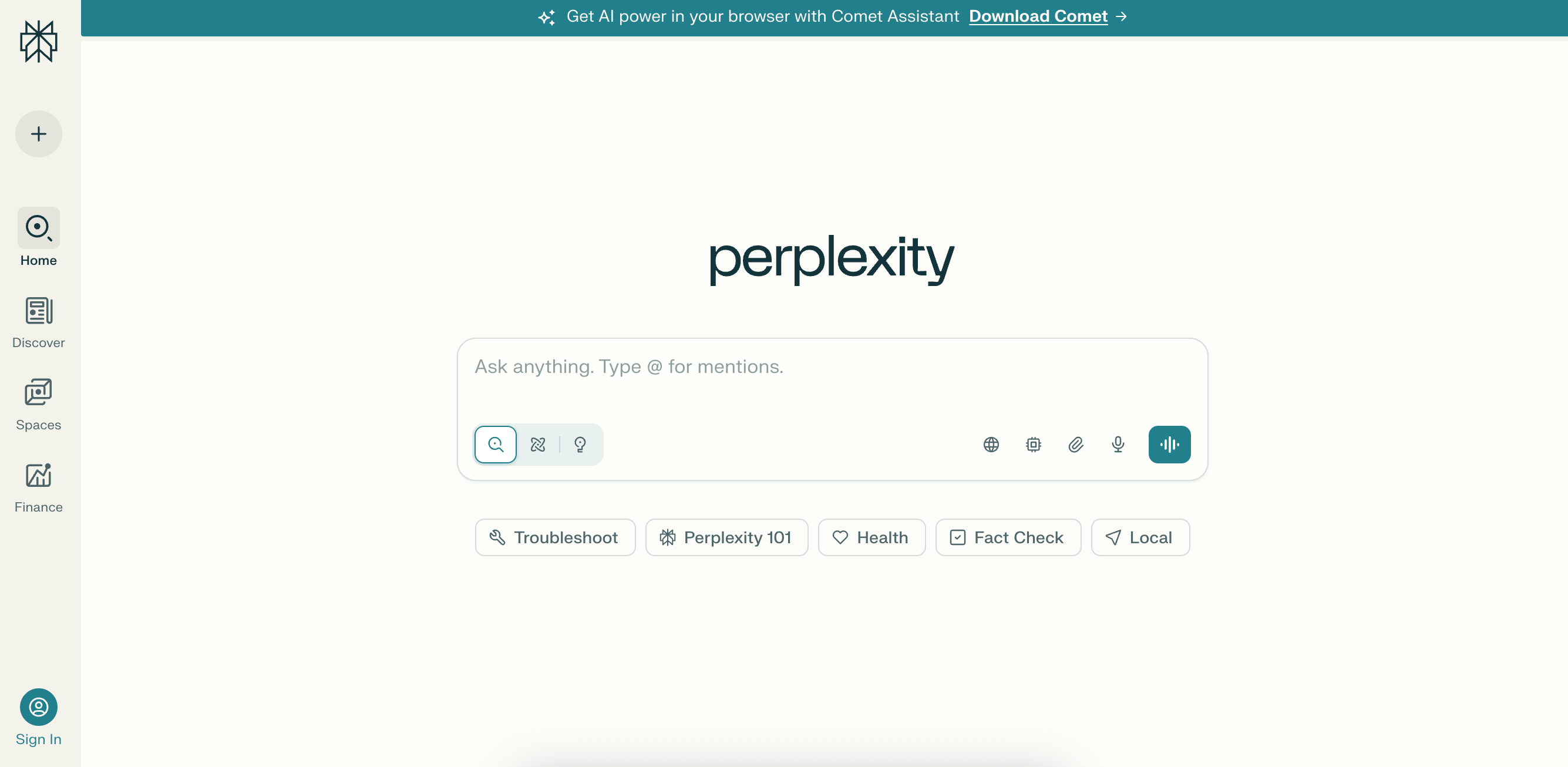
Perplexity AI serves as a search-infused conversational assistant designed for high factual accuracy and transparency. Instead of relying solely on model inference, it combines large-language reasoning with retrieval-augmented generation (RAG). The result is a chat experience that produces concise, citation-backed answers drawn directly from reliable sources, helping users make confident, verifiable decisions.
Perplexity AI key features:
Automatically includes primary reference links in every relevant response.
Reformulates user questions using query fan-out (i.e., breaking the initial query into multiple related sub-queries) for richer data retrieval
Organizes retrieved insights into structured topic maps.
Enables domain-specific searches (such as academic, finance, and tech) with tailored relevance ranking.
Synthesizes multi-source content into concise, evidence-backed narratives.
Perplexity AI pricing:
Individual plans:
Standard - $0/month includes search history access, basic file uploads, and unlimited basic research
Perplexity Pro - $20/month includes unlimited Pro search, access to advanced AI models, 50 file uploads per space, and image and video generation.
Perplexity Max - $200/month includes unlimited lab queries, early access to the newest models, and priority support.
Education Pro - $4.99/month (1 month free) includes access to Study mode, extended access to Perplexity Research and Academic, and unlimited image upload.
Enterprise plans:
Pro - $40/month/seat includes advanced seat management for organizations, increased daily file upload, and a dedicated support team
Max - $325/month/seat includes unlimited lab queries, a higher file limit, premium security features, and early access to new features.
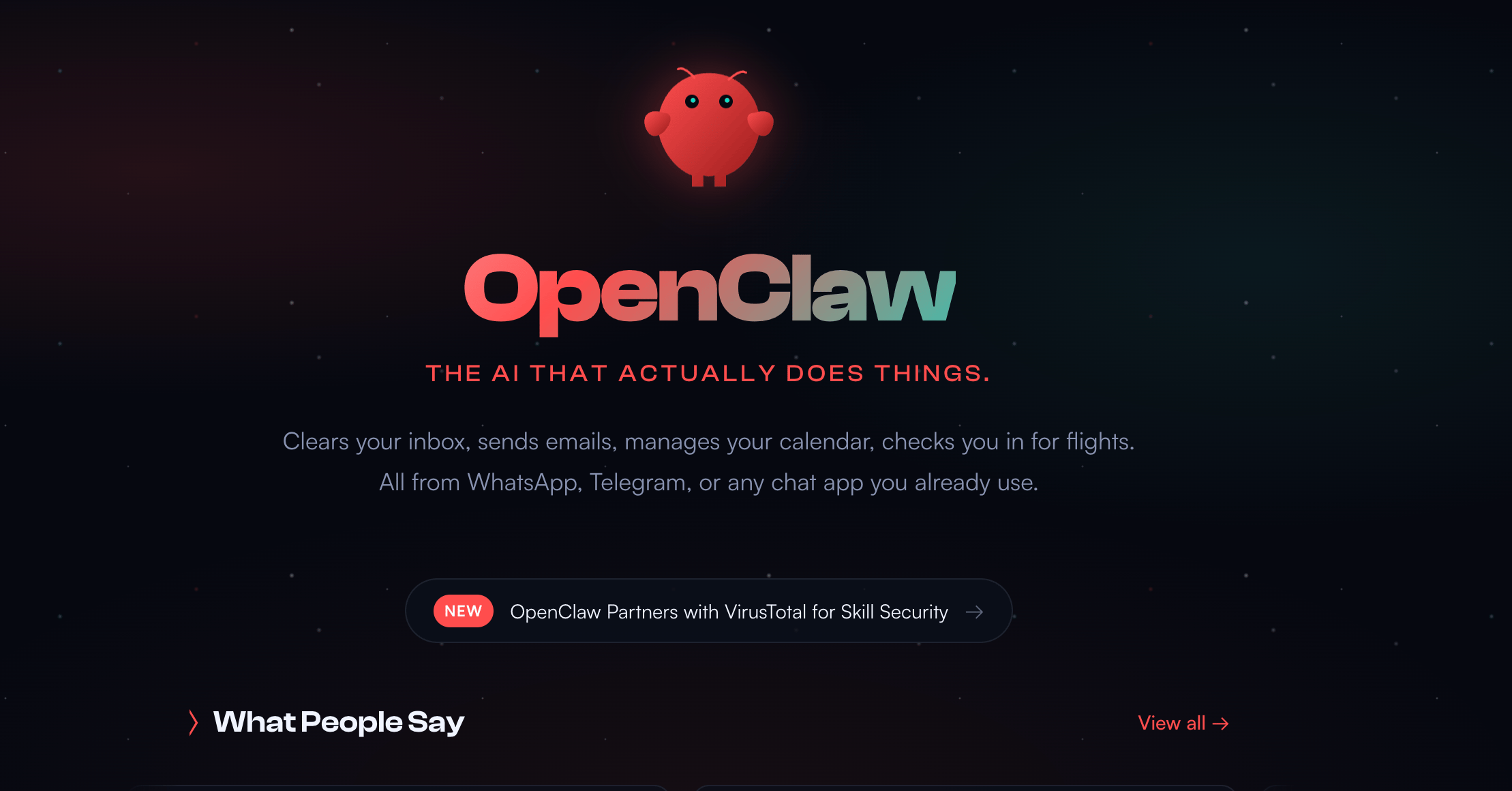
OpenClaw is an open-source agent execution framework designed for structured, predictable AI workflows rather than open-ended conversation. It exposes the full agent loop, including planning, decisions, tool execution, and evaluation, making it suitable for automation and operational workflows that require control and repeatability. OpenClaw is commonly used to build internal agents that integrate with messaging platforms and backend systems. Developers can also deploy OpenClaw quickly using the DigitalOcean Marketplace 1-Click app to run a secure, self-hosted instance on a Droplet, integrating agents with messaging platforms and internal systems.
OpenClaw key features:
Explicit agent execution loop that separates planning, action selection, tool calls, and result evaluation, making multi-step workflows traceable and reproducible.
Deterministic state graph that persists intermediate agent decisions and outputs, enabling rollback, replay, and debugging of complex agent runs.
Tool-first orchestration model, where APIs, scripts, and internal services are first-class primitives rather than secondary “plugins.”
Learn how to deploy Moltbot on DigitalOcean in just a few minutes using a secure cloud setup. Provision infrastructure, install the bot, and configure it in a way that’s optimized for reliability and uptime. You’ll discover a quick but secure way to launch Moltbot on cloud instances, including best practices for networking and environment setup.
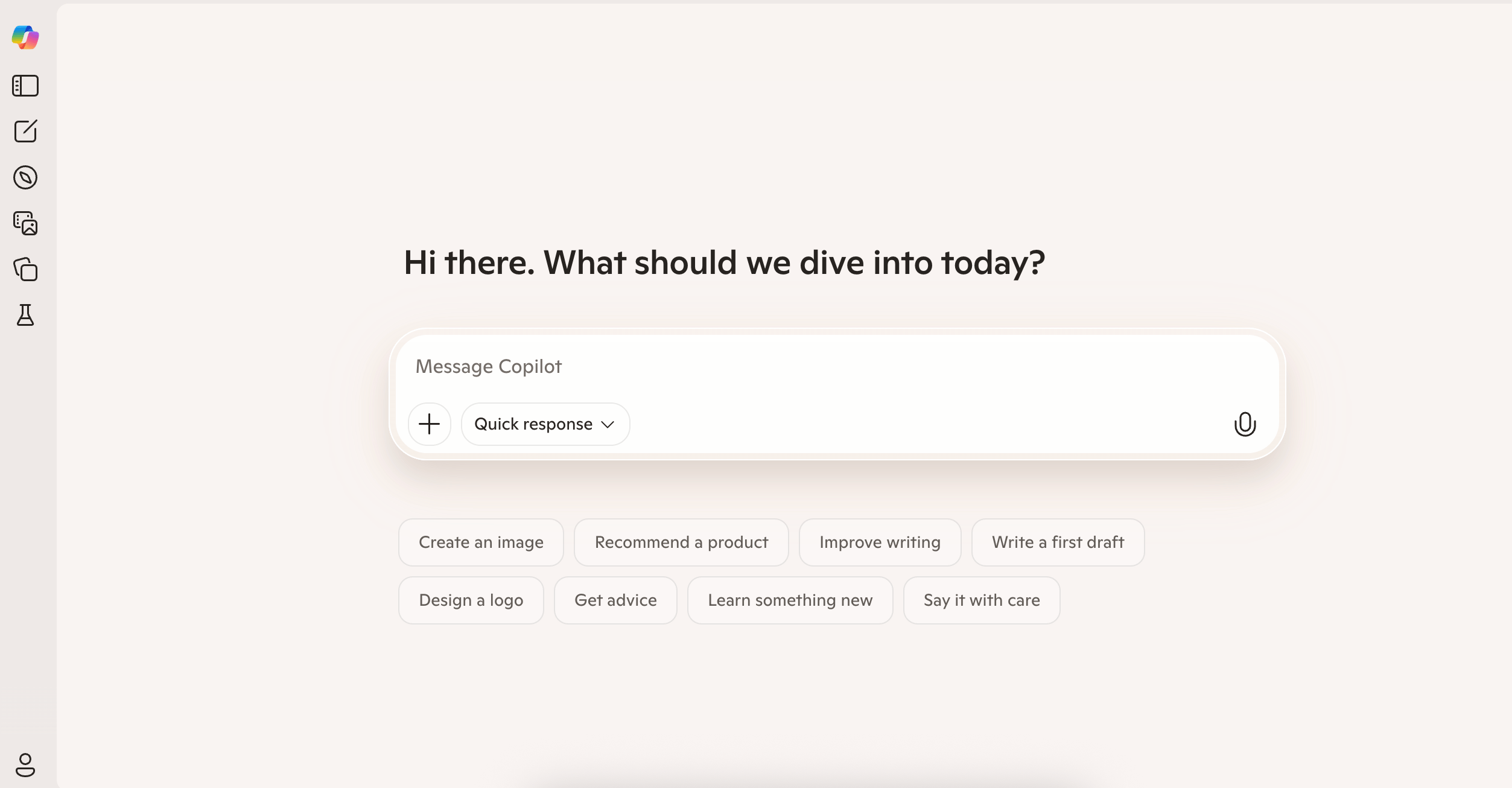
Microsoft Copilot operates as a contextually embedded AI assistant that resides within daily productivity environments across the Microsoft ecosystem, including Word, Excel, and Teams. Unlike standalone chat interfaces, Copilot uses organizational graph data to interpret user intent, connect across apps, and generate contextual summaries, reports, or plans. Its assistant behavior emphasizes task automation, context retention, and structured reasoning over generic conversation.
Copilot key features:
Reads in-document and cross-app context to personalize responses.
Converts natural language prompts into structured task sequences.
Queries enterprise databases, spreadsheets, and meeting transcripts in real time.
Generates highlights, decisions, and actions after meetings or document edits.
Automatically adjusts writing style (formal, analytical, conversational) based on user or file preferences.
Copilot pricing:
Microsoft 365 Copilot - $30/user/month
Microsoft 365 Business Basic + Microsoft 365 Copilot - $36/user/month, including 10+ additional apps
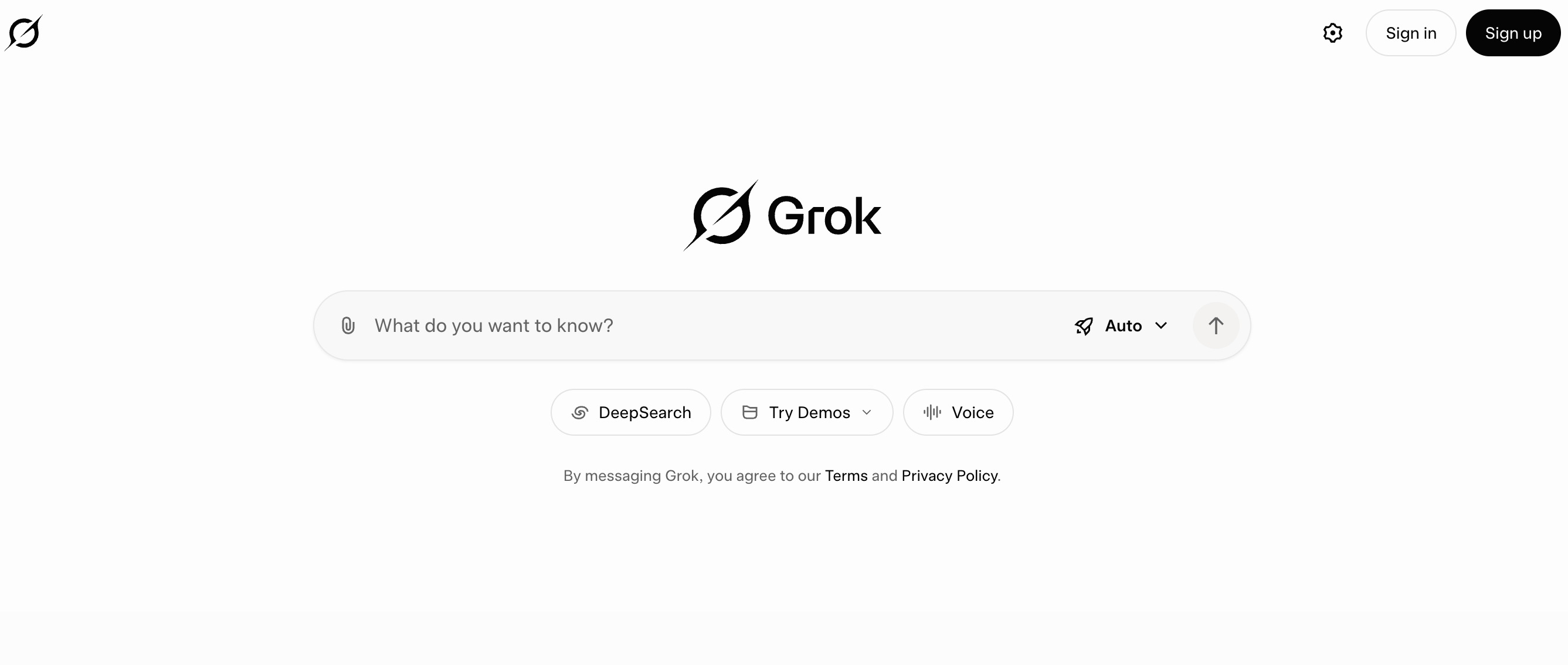
Grok, developed by xAI, is an AI assistant that blends conversational intelligence with real-time reasoning across social and analytical data. It engages in contextual, opinion-aware dialogues while still handling factual, computational, and creative tasks. Grok’s assistant persona is intentionally designed to be candid and adaptable, reasoning over current events, interpreting humour or tone shifts, and delivering responses that align with the user’s context rather than rigid templates. This design is powerfully embodied in its animated AI companions, the Ani and Valentine 3D avatars, which interact through voice or text and reflect distinct personalities, demonstrating Grok’s capacity for rich emotional and stylistic variation.
Grok key features:
Integrates with live data streams (e.g., X/Twitter) for up-to-date insights—users can also @-reply Grok directly within a thread to get real-time explanations or clarifications, something few assistants currently offer.
Adjusts tone to be analytical, casual, or witty based on the conversation flow.
Refines assumptions during chat to maintain logical consistency.
Persistent memory across multiple sessions and inferred user preferences.
Can analyze attached images or memes for sentiment and meaning.
Grok pricing:
Grok Business - $30/seat/month
Enterprise - Custom pricing
Looking for a deeper comparison of AI assistants? Read our Grok vs ChatGPT article to explore how Grok’s real-time reasoning and social integration stack up against ChatGPT’s capabilities.
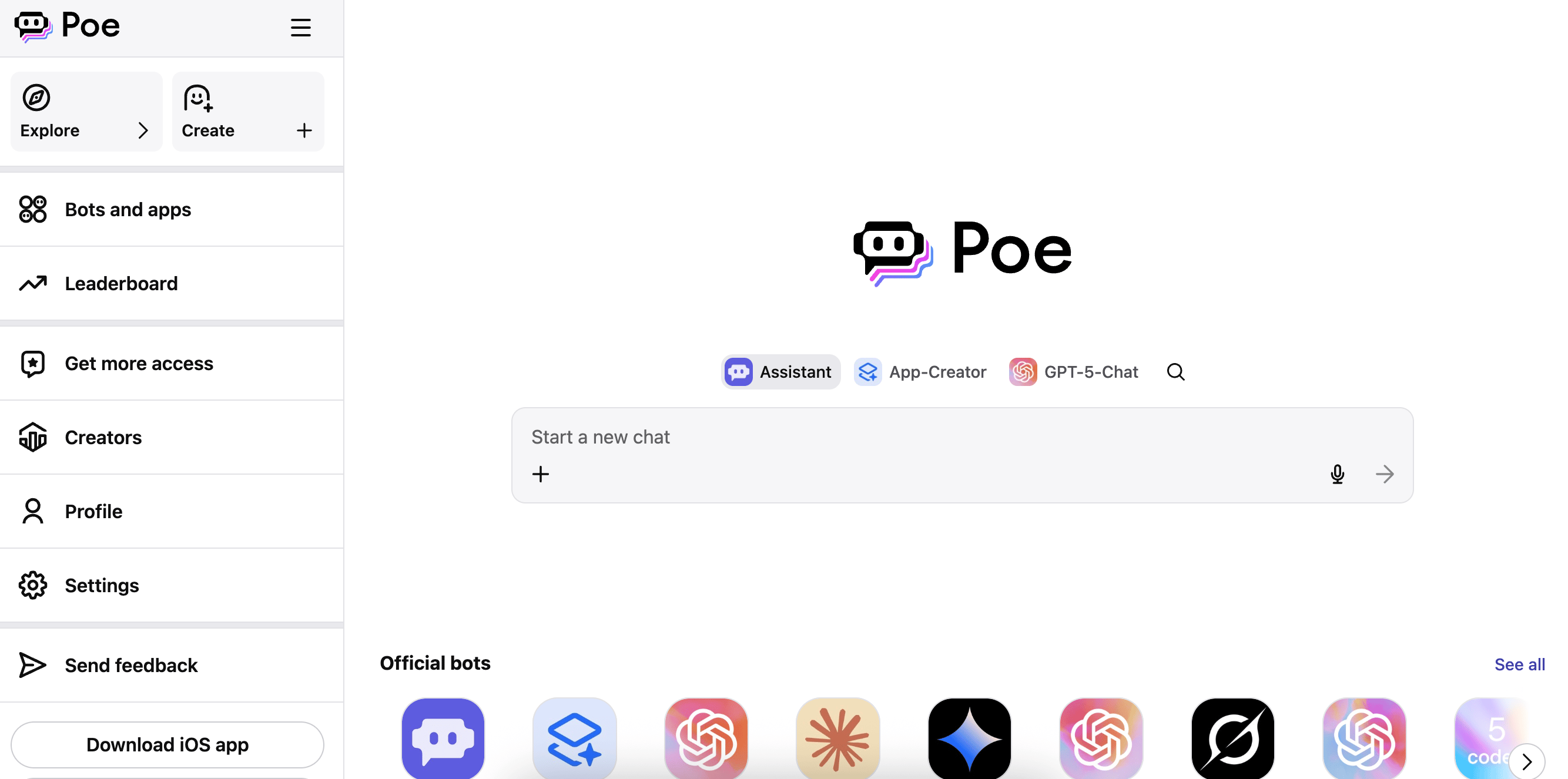
Poe functions as a multi-model conversational assistant hub, providing access to multiple AI models (including GPT-4, Claude, and Gemini) through a single intelligent interface. Its assistant capability lies in orchestrating responses, analyzing which model best suits a task, and routing queries accordingly. Poe’s assistant mode learns user goals, offers continuity between chats, and can compare reasoning outputs across models, creating a collaborative, meta-AI experience.
Poe key features:
Users can create reusable prompt flows (“bots”) that run on any supported model without requiring logic rewriting.
Supports sequential prompting, where the output of one model feeds into another, enabling hybrid reasoning pipelines.
Upload documents or datasets and attach them to specific bots, allowing different models to reference the same context.
Developers can integrate Poe’s multi-model environment into internal tools, dashboards, or automation scripts.
Allows integration into apps for custom assistant orchestration.
Poe pricing:
Starts at $4.99/month
API access - $30/1M add-on points
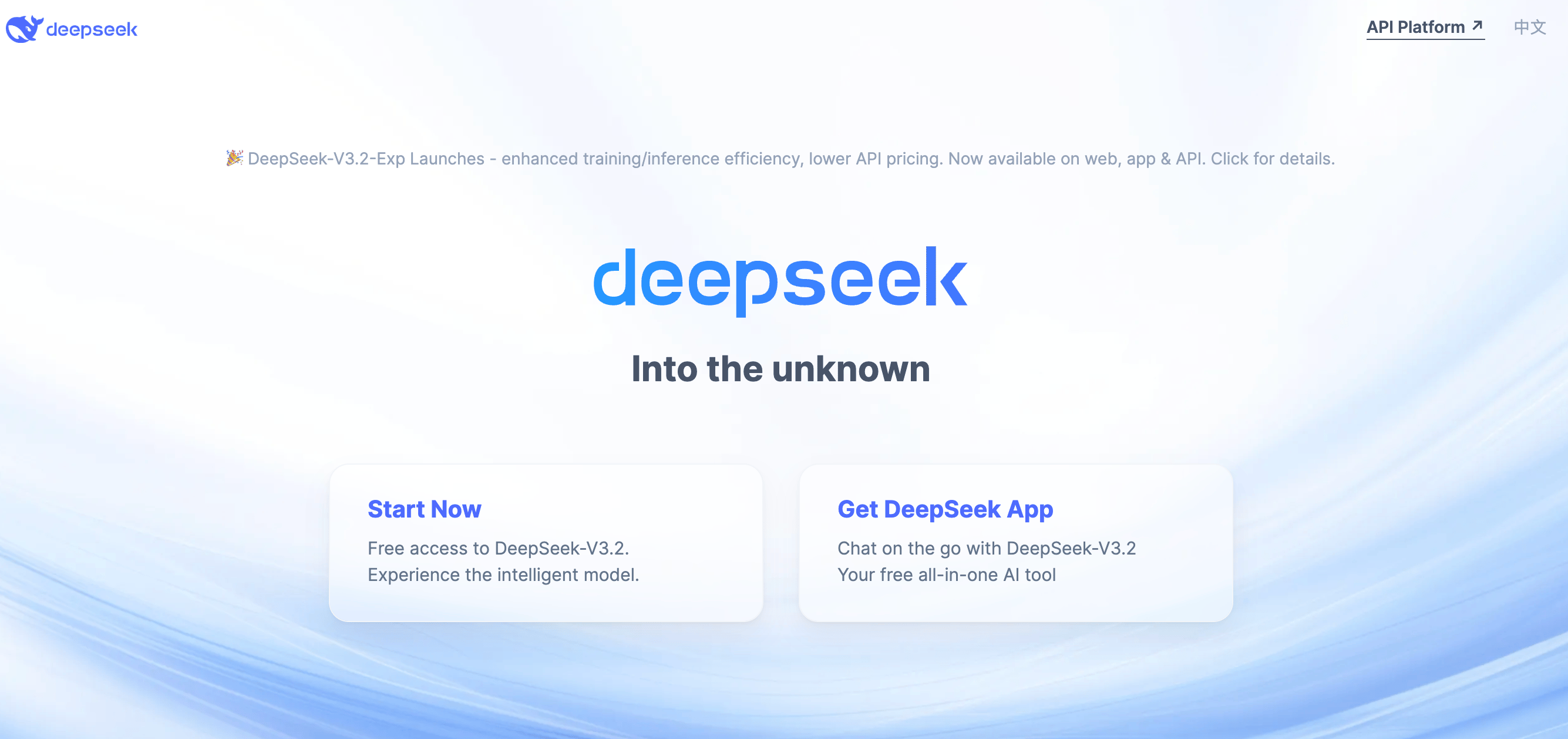
DeepSeek AI is an analytical reasoning assistant purpose-built for data interpretation, model explanation, and quantitative insights. Unlike most conversational AIs, DeepSeek is optimized for technical depth, capable of interpreting code logic, simulation output, and complex numerical data. It is widely used in research and enterprise analytics where transparent reasoning and error interpretation are crucial.
DeepSeek key features:
Analyzes structured datasets with step-by-step explanations.
Explains ML predictions, feature importances, and correlations in plain English.
Reads and explains scripts, suggesting optimized logic or data handling methods.
Ensures factual alignment for mathematical or statistical outputs.
Detects and reasons about code or model errors dynamically.
DeepSeek pricing:
1M input token (cache hit*): $0.028
1M input token (cache miss*): $0.28
1M output token: $0.42
*DeepSeek reduces costs by reusing previously processed context. When your input overlaps with recent tokens, the model leverages cached computation, resulting in a cache hit billed at a much lower rate. New or unique input triggers a cache miss, requiring complete computation. Workloads that reuse templates, system prompts, or multi-turn context benefit most from frequent cache hits, resulting in faster responses and lower spend.
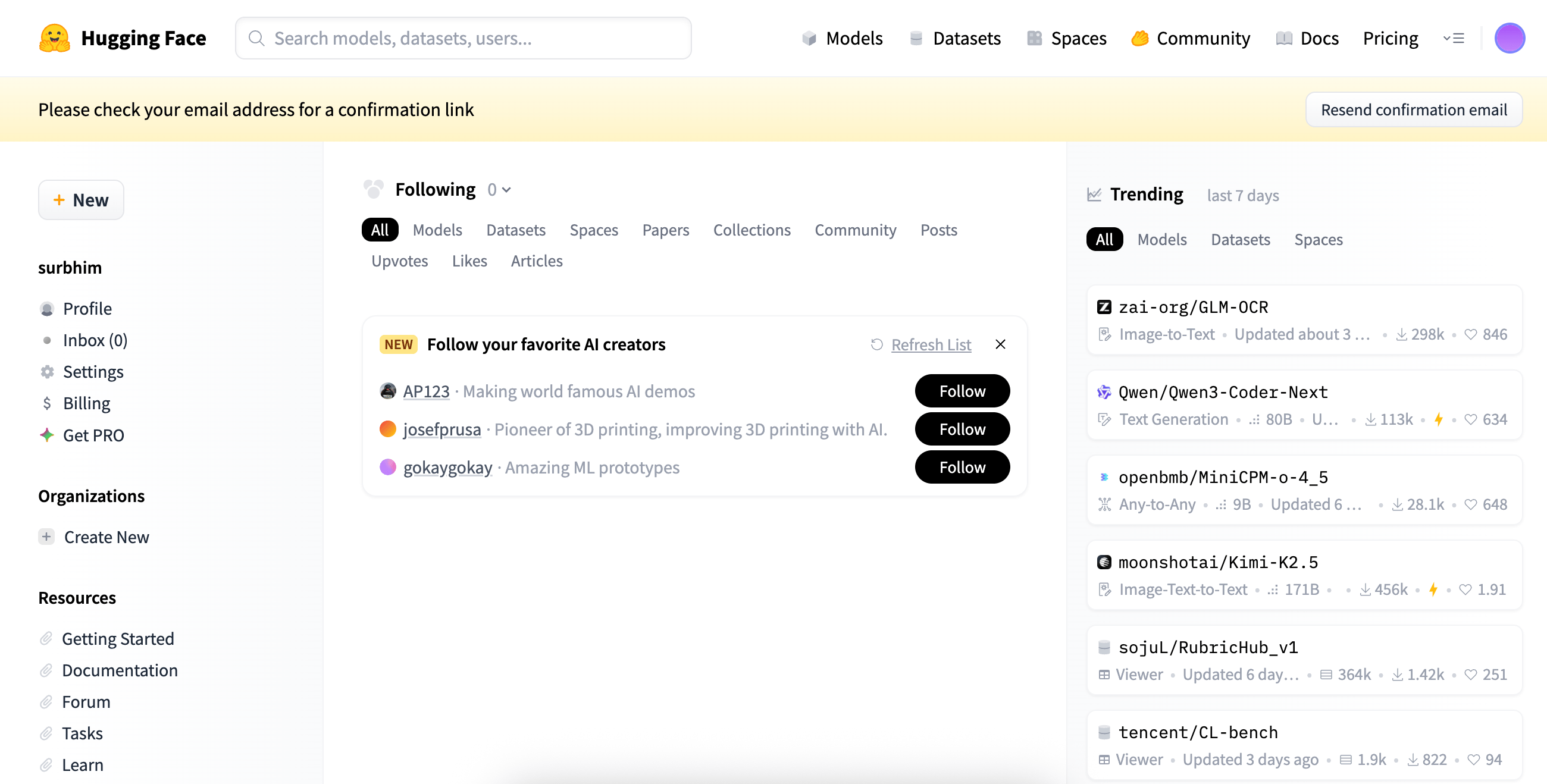
HuggingChat is a conversational interface designed specifically for testing, comparing, and understanding open-source language models. Its value lies not in automation or orchestration, but in making model behavior visible: users can switch models mid-conversation, inspect which model generated each response, and cross-reference outputs with Hugging Face model metadata. HuggingChat is a practical evaluation layer for teams exploring open models, benchmarking reasoning styles, or assessing suitability before committing to production deployments.
HuggingChat key features:
Live model switching within the same conversation, allowing users to compare reasoning style and output quality across open models on identical prompts.
Model-identity transparency, exposing exactly which open-weight model and configuration produced each response.
Tight coupling with Hugging Face model cards and datasets, enabling immediate inspection of training scope, licensing, and known limitations.
Rapid adoption of newly released open models often makes them available for interactive testing within days of public release.
Free - $0/month
Pro - $9/month
Team - $20/user/month
Enterprise - Starting at $50/user/month
For a deeper comparison of AI coding workflows, features, and productivity gains, explore our complete guide on GitHub Copilot vs. Cursor. It breaks down editor integrations, model performance, code-generation quality, automation capabilities, and pricing to help developers choose the best tool for their engineering workflow.
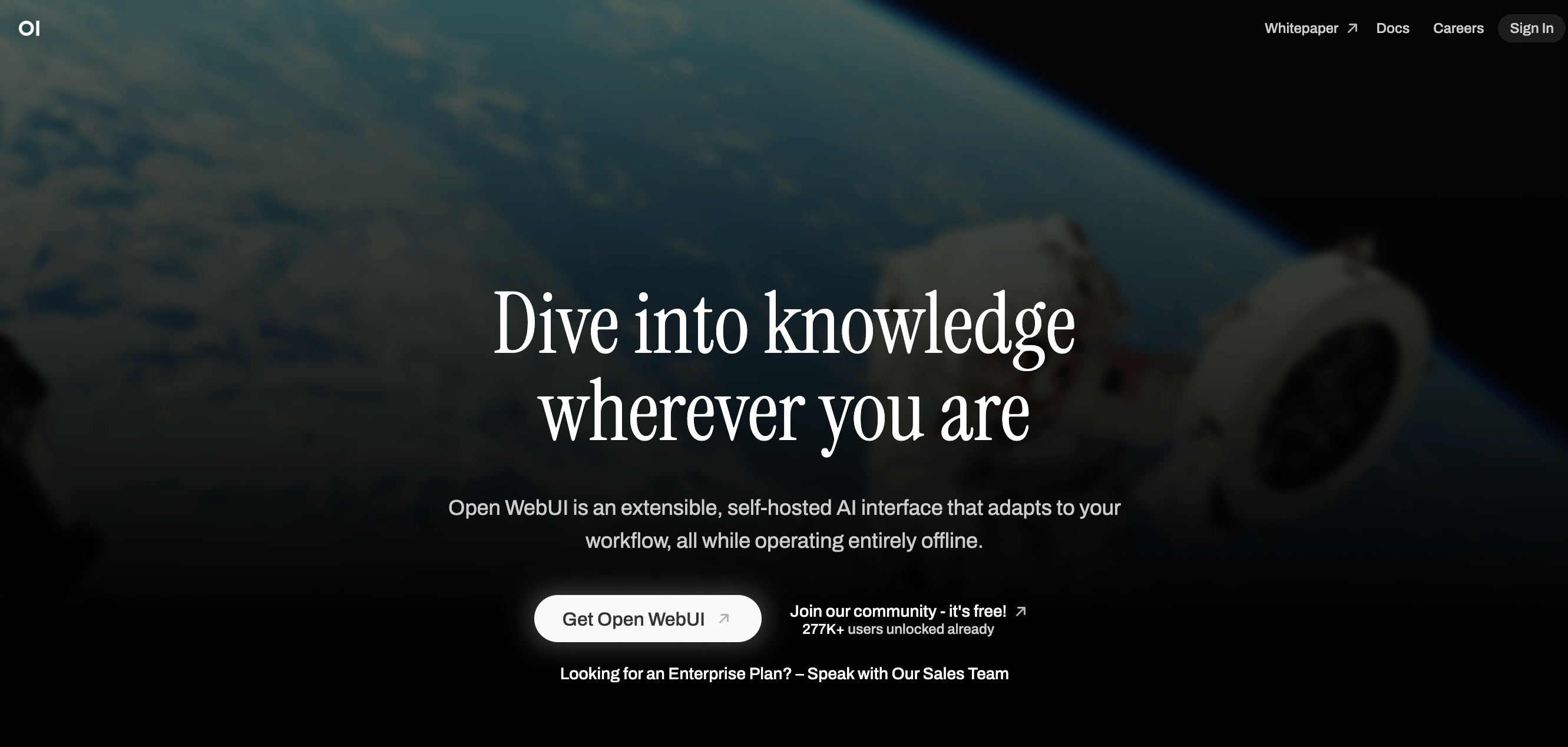
Open WebUI is an open-source AI assistant interface designed to give users complete control over their conversational agents. It connects with local or hosted large language models, such as Llama 3, Mistral, or DeepSeek, allowing organizations to run entirely private AI assistants within secure environments. The assistant can manage files, interpret multimodal inputs, and integrate with internal APIs, offering enterprise-grade flexibility with no external data sharing.
Open WebUI key features:
Enables custom assistant tools for code, data, or document workflows.
Retains local chat history securely for persistent reasoning.
Accepts images, PDFs, and code snippets for contextual replies.
Stores all conversations and embeddings within the user’s environment.
Open WebUI pricing:
What are the best Claude alternatives in 2026?
Top Claude alternatives include ChatGPT (GPT-5), Gemini 3, Perplexity AI, OpenClaw, Microsoft Copilot, DeepSeek AI, HuggingChat, and Open WebUI. Together, they cover a wide range of use cases, from deep reasoning and multimodal collaboration to agent-based automation and open-model experimentation.
Which Claude alternatives offer the best reasoning capabilities?
ChatGPT (GPT-5) and Gemini 3 currently lead in deep reasoning, multimodal analysis, and long-context understanding. DeepSeek AI also stands out for transparent and explainable reasoning in analytical workloads.
Are there free Claude alternatives for everyday use?
Yes: Perplexity AI, Poe, Grok, and Open WebUI offer free tiers suitable for everyday research, Q&A, and productivity tasks, though advanced features often require a paid subscription.
Which AI assistant is best for research and writing?
Perplexity AI excels at research with source-cited, retrieval-augmented answers. ChatGPT and Gemini are well-suited for structured writing, long-form content, and technical documentation. At the same time, HuggingChat helps evaluate how different open models perform on research and writing tasks.
How does Claude compare to ChatGPT and Gemini?
While Claude 3.5 emphasizes safe, context-rich dialogue, ChatGPT (GPT-5) offers stronger code generation and plugin integration, and Gemini 3 provides the most comprehensive multimodal reasoning across text, image, and data.
Which AI assistants offer source citations like Perplexity?
Besides Perplexity AI, tools like Gemini 3 and ChatGPT (via Browse with Bing) provide source-backed responses, improving factual transparency and trust in outputs.
Are any Claude competitors open source?
Yes. Open WebUI is fully open source and supports private model hosting. Additionally, DeepSeek AI and several LLaMA-based assistants provide open frameworks for customizable deployments.
DigitalOcean Gradient™Platform makes it easier to build and deploy AI agents without managing complex infrastructure. Build custom, fully-managed agents backed by the world’s most powerful LLMs from Anthropic, DeepSeek, Meta, Mistral, and OpenAI. From customer-facing chatbots to complex, multi-agent workflows, integrate agentic AI with your application in hours with transparent, usage-based billing and no infrastructure management required.
Key features:
Serverless inference with leading LLMs and simple API integration
RAG workflows with knowledge bases for fine-tuned retrieval
Function calling capabilities for real-time information access
Multi-agent crews and agent routing for complex tasks
Guardrails for content moderation and sensitive data detection
Embeddable chatbot snippets for easy website integration
Versioning and rollback capabilities for safe experimentation
Get started with DigitalOcean Gradient™ Platform for access to everything you need to build, run, and manage the next big thing.
此内容由惯性聚合(RSS阅读器)自动聚合整理,仅供阅读参考。 原文来自 — 版权归原作者所有。