


This year, June 22-29 highlights the outsized role of butterflies and moths and their host plants.
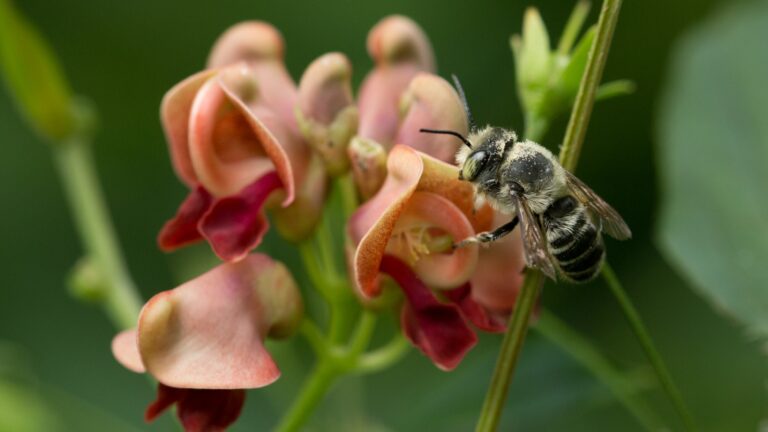
Share
Send this article to your social connections.
This year, National Pollinator Week runs June 22-29 and celebrates the crucial role pollinators play in sustaining our ecosystems and supporting our local food supply. From bees and butterflies to moths, beetles, and wasps, pollinators come in many shapes and sizes. Their power to elicit both delight and fear belies the important role they play in interacting with flowers and ensuring that fruits and seeds form.
The relationships between plants and pollinators span a broad range, from the generalist, where anyone can join the party, to the specific, where admission to the flower is restricted to a select few.
We are undoubtedly drawn to flowers for their beauty, form, fragrance, and ability to help us connect with nature. What if we could don a pair of UV glasses and see what the bees see? I expect our minds would be blown by how different flowers present themselves. What if our noses were capable of detecting a few scent molecules on the wind, as a moth’s antennae can? What delicious fragrance would draw our attention? So much of their world remains a mystery to us, yet so much of our world relies on them being attracted to and interacting with the plant world.
This week’s column focuses on the different groups of pollinators here in New England and how you can attract them to your garden. Abundant insect life draws abundant wildlife, too, and when coupled with good ecological garden maintenance practices, results in garden spaces that are alive, resilient, and diverse.
Butterflies and moths
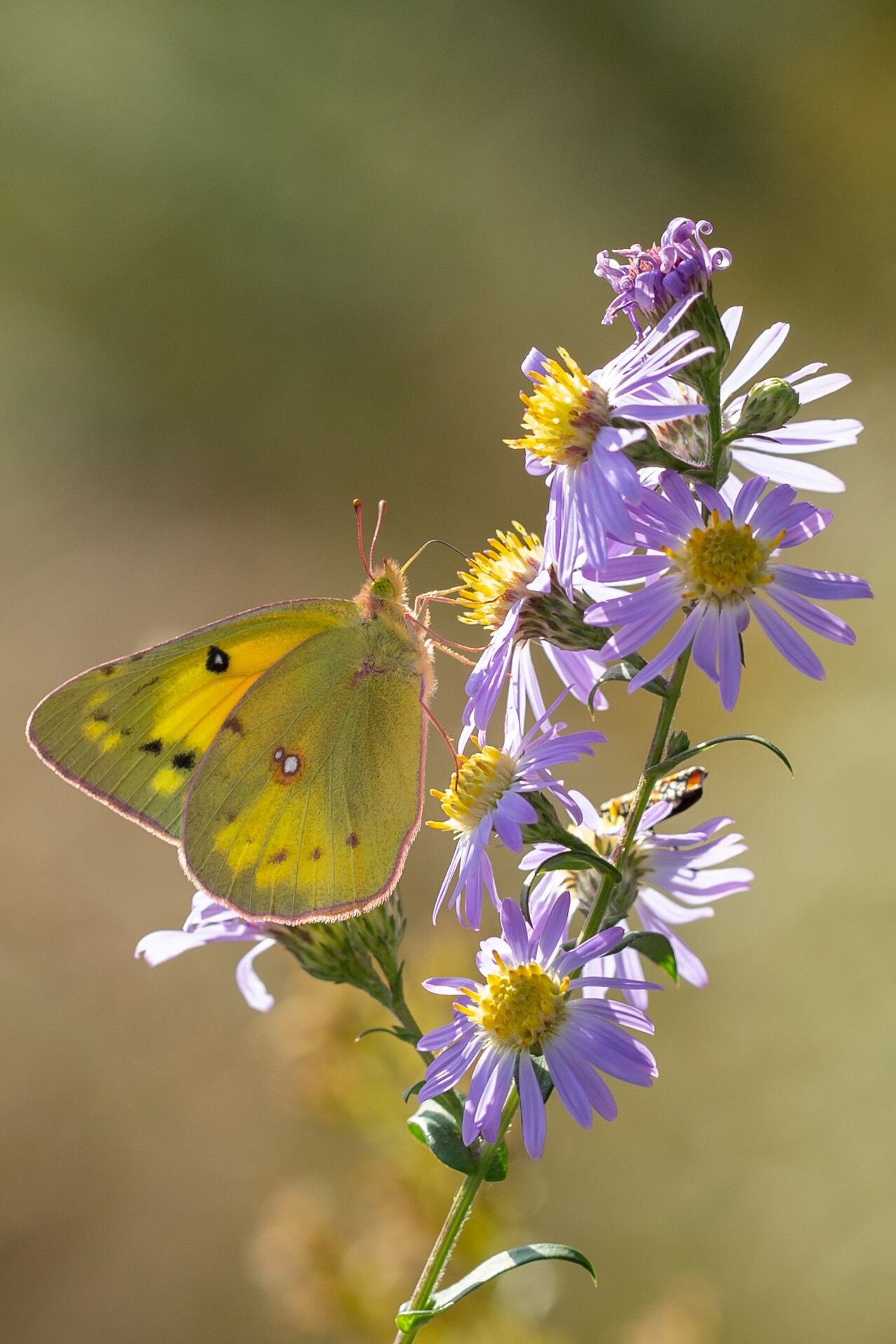
The theme of this year’s National Pollinator Week is “Life on a Leaf,” highlighting the outsized role of butterflies and moths and their host plants.
Pollinator gardens are very popular, but sometimes too focused on just the floral resources. If you want to draw butterflies and moths to your garden, you have to also introduce host plants, which caterpillars, butterflies, and moths need to complete metamorphosis. Without host plants on the landscape, they cannot reproduce successfuly. Native plants, especially trees like oak, maple, cherry, and elm, support hundreds of species of butterflies and moths. Oak trees are ecological powerhouses, hosting more than 500 species.
In a landmark study, biologist Desirée Narango of the Vermont Center for Ecostudies showed that a breeding pair of Carolina chickadees needs between 5,000 and 9,000 caterpillars to raise a brood of five chicks. That is a lot of caterpillars! Gardens with lots of food for songbirds will keep them coming back and even taking up residence.
I personally think moths are beautiful, but for many they are small, nondescript brown insects that fly around porch lights at night. As caterpillars, they are a major food source for resident and migratory birds.
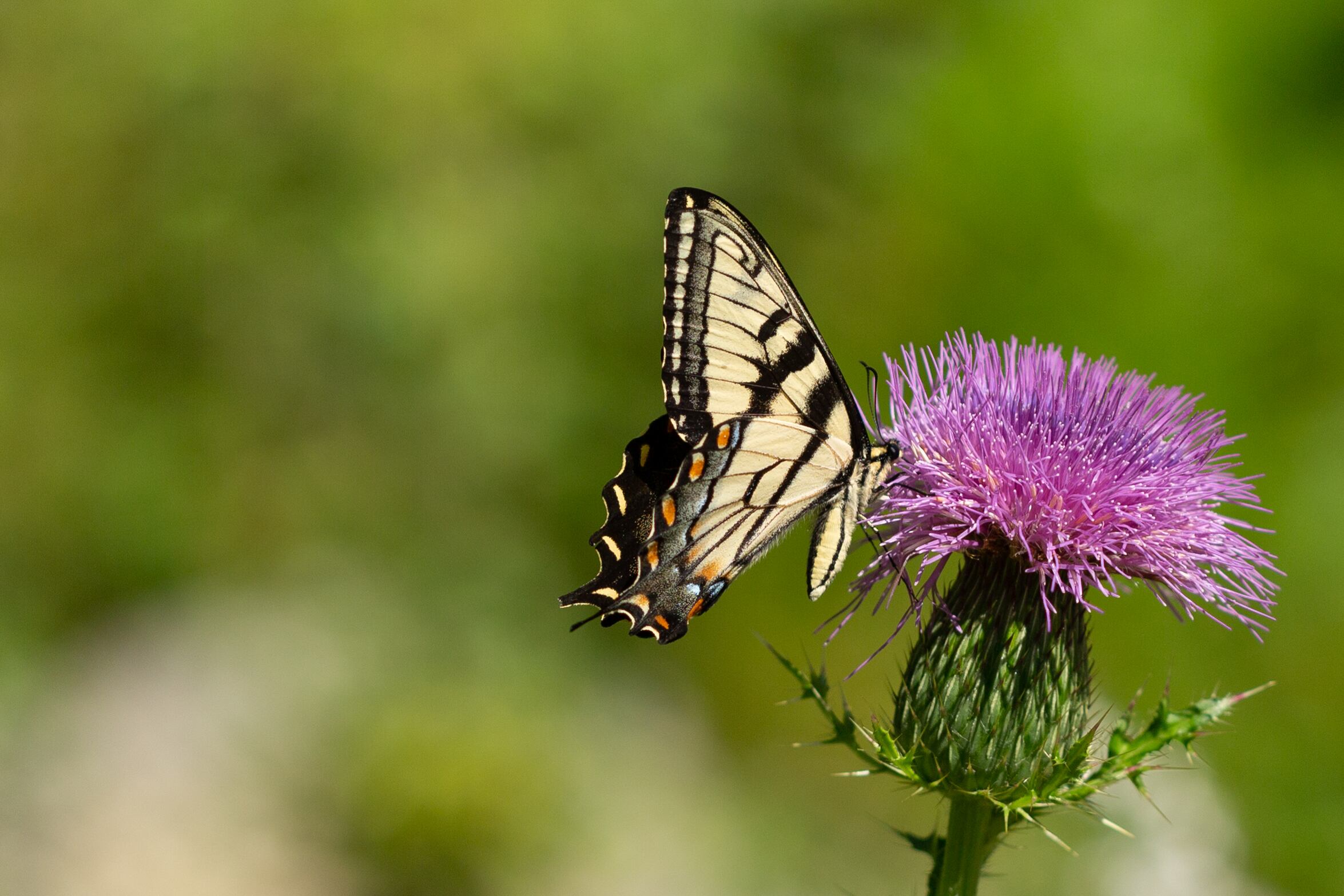
Perhaps the most well-known plant-butterfly relationship is that between the monarch butterfly and the milkweed plant. This is an example of a very specific relationship in which the monarch can only raise its young on milkweed; no other plant will do. As adults, they will nectar on a variety of flowers, but they simply must have milkweed to breed successfully. You can learn more about the diversity of this group by visiting butterfliesandmoths.org.
Bees and wasps
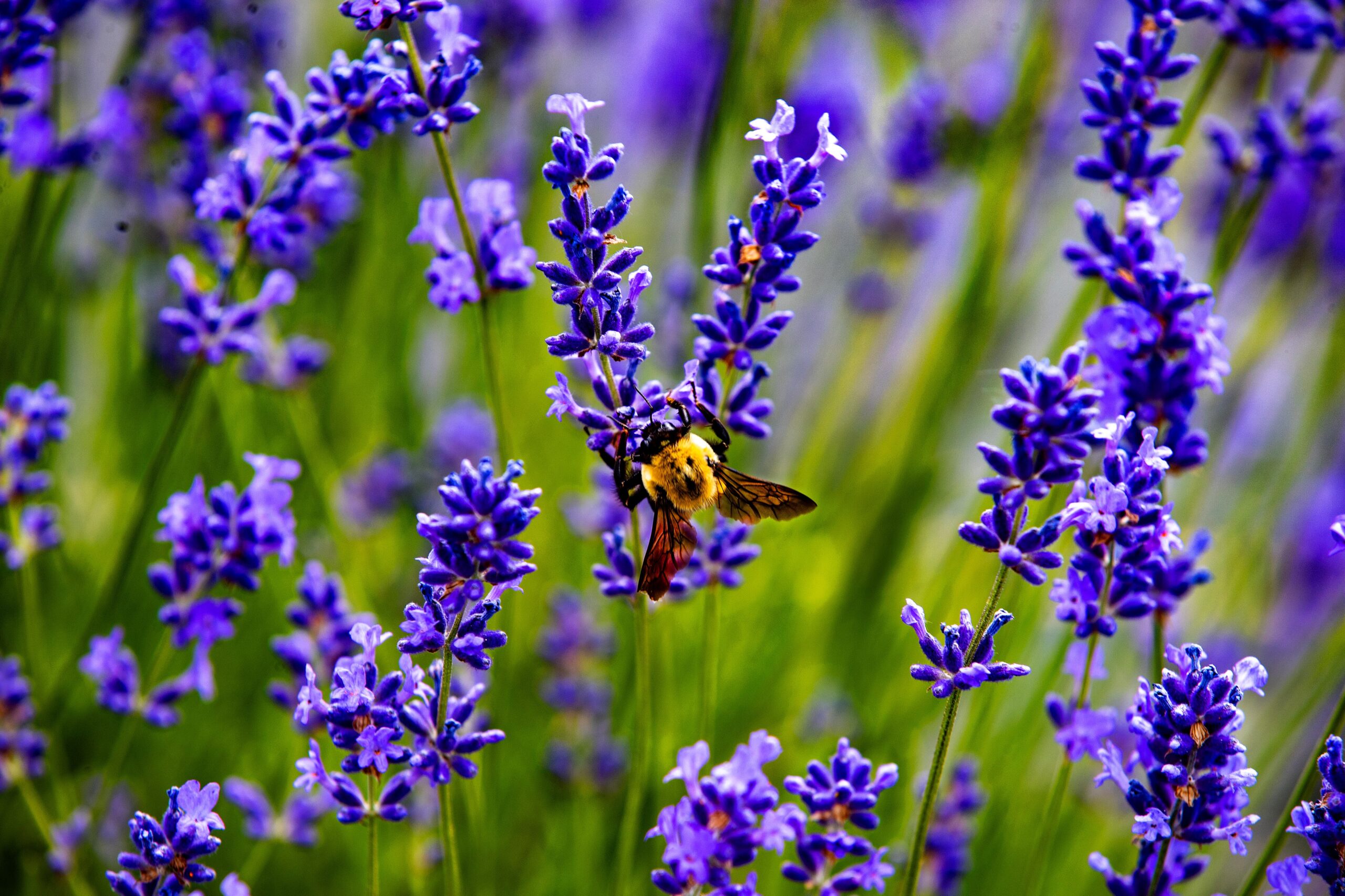
Some may be asking: Why would I want to attract bees and wasps to my garden? What if they sting me and ruin my cookout? These are completely valid concerns, especially for people who may be allergic to stings. But bees are very important pollinators, and generally speaking, they are uninterested in human food, focusing only on gathering as much nectar and pollen as they can.
New England is home to over 400 species of wild bees, and this does not include the European honey bee. Ninety percent of native bees are solitary nesting and exist in small numbers. Despite their sometimes diminutive size, native bees are incredibly effective at pollinating wild plants and cultivated agricultural crops. Of the 400-plus species of wild bees, approximately 25 percent are pollen specialists, meaning they require a specific plant to survive. An example is the spring beauty mining bee (Andrena erigeniae), which must collect pollen from the spring beauty wildflower (Claytonia carliniana). Habitat loss and climate change disproportionately affect specialists due to the narrow relationship with their host species.
Wasps represent an important group of pollinators but are more likely to come into conflict with humans as they often nest near structures and are drawn to food and summer drinks. Yellow jackets, hornets, and paper wasps are considered nuisance insects, especially if they nest in or around the house. Solitary wasps like the mud daubers, cicada killers, ichneumon wasp, and smaller parasitoid wasps are very beneficial as they consume large numbers of pests like flies, aphids, and harmful caterpillars (tobacco hornworms, armyworms, etc.) My friends at the Wild Seed Project in Maine have written a convincing article on why wasps are effective pollinators and deserve a place in your garden.
Beetles and flower flies
The last category of pollinators this week covers a large group of insects from beetles to flower flies, hover flies, and bee fly mimics. Beetles are the most diverse group of insects, with many acting as pollinators, while some others are considered pests. Beetles are ancient pollinators that often chew through petals and floral parts to access the nectar. Some even use flowers like a toilet, earning them the name of mess and soil pollinators.
Flower flies, hover flies, and bee fly mimics are a class of insects that sometimes copy the coloration of bees or wasps but are completely harmless to humans. Masters of aerial flight, hover flies and bee mimics can deftly enter flowers and easily evade predators. Not nearly as diverse as bees, with nearly 300 species in New England, hover flies pollinate during the warmer months, and their larvae voraciously consume soft-bodied pests like aphids, scale, and thrips.
The narrative woven throughout here is that diverse pollinator groups perform crucial services for the plants they have relationships with, as food themselves for birds and wildlife, and they are ultimately connected to the very food which ends up on our plates. Most are beneficial, and only a handful are nuisance pests.
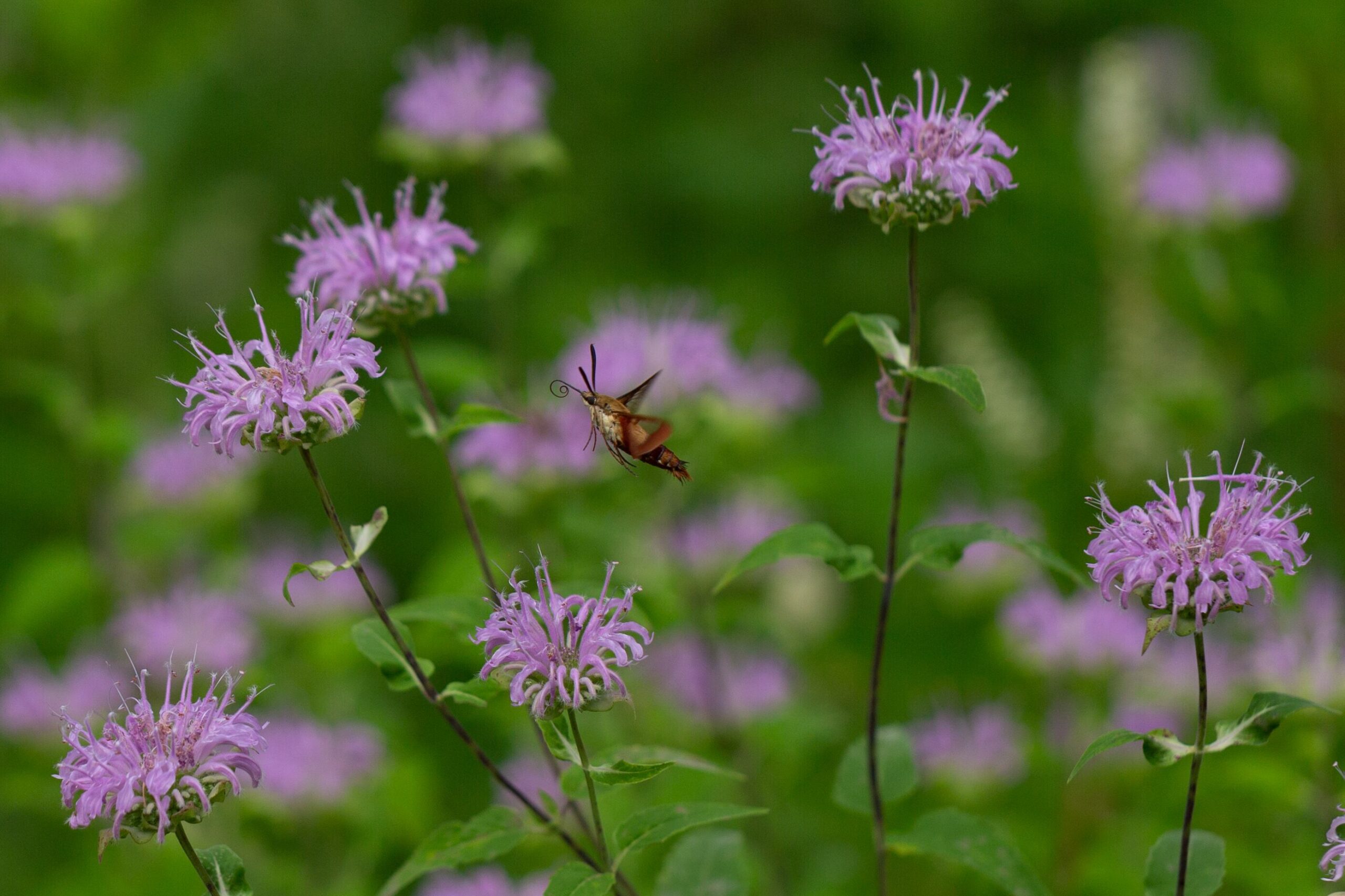
Campaigns like Leaves the Leaves and Save the Stems are designed to shift our garden maintenance practices to provide places for these organisms to overwinter. Selecting plants that have not been grown with pesticides, favoring native host plants, and prioritizing keystone species are additional ways we can transform our gardens into abundant oases of life. When we combine thoughtful and intentional plant choices with environmentally conscious maintenance practices, the results benefit us and local ecosystems.
Ulrich Lorimer is the director of horticulture at the Native Plant Trust in Framingham. Send your gardening questions, along with your name/initials and hometown, to [email protected]g.
Address Newsletter
Our weekly digest on buying, selling, and design, with expert advice and insider neighborhood knowledge.