


John Paul, AAA Northeast's Car Doctor, hears from a reader wondering why they were never notified of a recall for their VW.
Send this article to your social connections.
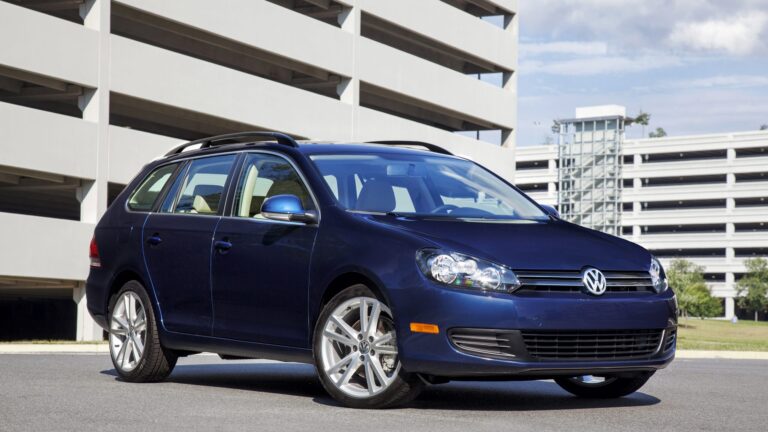
Q. I just had the ABS module replaced on my 2009 VW Jetta SportWagen. I later learned there was a 2017 Volkswagen safety recall that included 2009–2011 models, but I never received a notice. When I checked my VIN on the NHTSA website, it showed zero recalls. Since I needed the ABS module replaced, shouldn’t my vehicle have been included? What recourse do I have to seek reimbursement from VW?
A. Recalls do not always apply to every vehicle in a model year. They are often limited to specific production runs or factories. In this case, the recall called for a software update, with module replacement only if it failed testing afterward. It is still worth contacting both Volkswagen and NHTSA. If the repair matches the recall condition and was performed before the recall was completed, manufacturers sometimes reimburse owners. Start with Volkswagen customer service at 1-800-893-5298 and the NHTSA Vehicle Safety Hotline at 1-888-327-4236. Recalls are sometimes expanded to include more vehicles. You can also send Volkswagen a letter (not an email) with copies of your repair invoice and the recall notice and request reimbursement. For the cost of a stamp, it is worth a try.
Advertisement:
Q. I inherited a 2008 Lexus RX 350 that has been sitting outside in a driveway since before the pandemic. I am thinking about getting it back on the road. Where should I start?
A. Vehicles that sit, especially outdoors for years, can deteriorate quickly. Begin with a thorough visual inspection under the hood (checking belts and hoses) and inside the car. Look for rodent damage, as they often chew wiring and build nests. Check all fluid levels and top them off as needed. Replace the battery – do not try to charge or jump-start one that has been sitting that long. The fuel may be stale. Depending on the level, you may need to drain the tank. If it is low, try adding five gallons of fresh gas. Be aware that the fuel pump may have failed. If everything looks okay and there are no warning signs (like sparks or smoke) when installing the battery, try starting the engine. If it runs, carefully test the brakes. Even if it starts and drives, have it towed to a shop for a full inspection. That should include checking for rust and corrosion, evaluating the brake system, replacing likely worn tires, changing all fluids, and assessing the engine and drivetrain.
Advertisement:
Q. I am building a hot rod out of a 1965 Ford Falcon. The engine runs well and the body is relatively rust-free, but the paint is terrible. A body shop quoted $10,000 to $15,000 for a repaint. I like the car, but not that much. Any alternatives?
A. You could try painting it yourself or see if a local vocational school would take it on as a project. Another option, and one I like if the metal is solid, is to embrace the patina. The surface rust, faded paint, and exposed primer tells a story about the car. There are wipe-on clear coats that preserve the aged look while adding some shine. These can last six to twelve months before needing reapplication. Products are available from companies like Poppy’s Patina and Vice Grip Garage.
Q. My 2025 Honda Pilot is a year old with only 3,500 miles. I lightly hit a curb while parking, scratching the tire and rim. At my one-year service, the dealer recommended a $200 alignment as a precaution. I declined. Was that the right call?
A. If the vehicle tracks straight on a flat road and the steering wheel is centered; the alignment is likely fine. Typically, an impact hard enough to affect alignment causes more than cosmetic damage. That said, with curb strikes and our less-than-perfect roads, a periodic alignment check can be worthwhile preventive maintenance.
Advertisement:
Q. I just read something about transmission fluid stating that some newer vehicles have sealed systems requiring service only if there is a leak. Are they really sealed, and do they not need service?
A. Many transmissions today do not have dipsticks to easily check fluid level and condition. The vehicle manufacturer will call these a no-maintenance “lifetime” fill. You can still change the fluid and check the level, but it is not as easy as it once was. Recently, I was looking up the fluid change interval on a BMW. The factory maintenance guide showed no service necessary. When I went to the transmission manufacturer’s website, they recommended changing the fluid every 50,000 miles to prolong the life of the transmission.
Q. I recently had my oil changed in my 2002 Honda Accord, and the shop recommended adding an oil additive to help protect the engine. The price seemed expensive just to add something to the oil, so I passed. Can oil additives affect the viscosity of the oil or cause any problems in modern engines?
A. Most modern engine oils already contain carefully balanced additive packages designed to meet the requirements of today’s engines. In my opinion, additional oil additives are unnecessary. In fact, some additives can change the viscosity of the oil, which may affect how the oil flows during cold starts or under high-temperature conditions. In certain engines, especially those with variable valve timing or tight internal tolerances, using the wrong additive could potentially lead to performance issues. Now, if your car’s engine is burning oil, then an additive may help reduce oil consumption and even visible smoke.
Advertisement:
John Paul is AAA Northeast’s Car Doctor. He has over 40 years of experience in the automotive business and is an ASE-certified master technician. E-mail your Car Doctor question to [email protected]. Listen to the Car Doctor Podcast on Apple Podcasts or other popular podcast sites.
Sign up for the Today newsletter
Get everything you need to know to start your day, delivered right to your inbox every morning.


Want to leave a comment?
To comment, please create a screen name in your profile