By Sarah Rahal, The Boston Globe
6 minutes to read
Share
Send this article to your social connections.
More than six years since the pandemic, COVID-19 infections have become a near-universal experience. Most people have tested positive at least once. Many have had it multiple times. And yet, a small, persistent group insists they’ve never had it at all.
Who are these so-called “superdodgers,” sometimes dubbed “NOVIDs”? Are they outliers of behavior, beneficiaries of luck, or do they hold clues to something deeper in human biology?
Last month, The Boston Globe asked readers who believe they’ve never caught the coronavirus to share their experiences.
The response was overwhelming. More than 500 people wrote in, many offering to sign up for clinical trials, convinced their stories might help researchers uncover why some people appear to have evaded the pandemic.
In fact, researchers are already working to answer that question.
Their most definitive finding so far: NOVIDs are exceedingly rare.
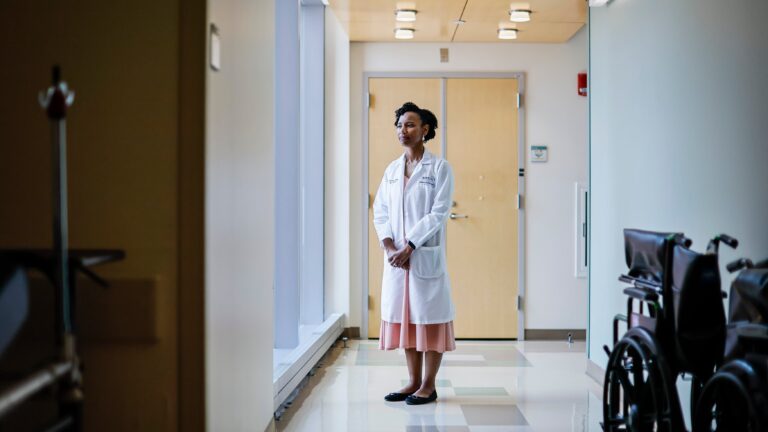
“There’s a difference between people who believe they’ve never had COVID and those who truly haven’t,” said Dr. Sabrina Assoumou, an infectious disease physician at Boston Medical Center and a researcher at Boston University.
Data suggest only about 2 to 3 percent of people have no COVID antibodies worldwide, meaning they may never have been infected, Assoumou said. Even that may be an overestimate, since most people who feel like outliers likely had asymptomatic or mild infections that went undetected.
But the possibility that a tiny fraction truly escaped infection has intrigued researchers.
They formed an international consortium of 250 scientists, known as the COVID Human Genetic Effort, who are hunting for an even smaller group: people with genetic variants that may make them resistant to the virus. The goal is to identify biological traits that could pave the way for new treatments and vaccines.
To identify this group, the researchers test the blood of unvaccinated people with proven high exposures to rule out the risk of mistaking vaccine-generated antibodies in the blood for COVID-generated ones.
Researchers at New York’s Rockefeller University have reviewed thousands of cases and have not yet identified a definitive mutation that blocks SARS-CoV-2. They suspect that any such genetic mutation would be extraordinarily rare — likely occurring in fewer than 0.1 percent of people.
Still, the possibility hasn’t been ruled out. The work has since expanded into broader questions about why some people develop severe disease while others remain asymptomatic.
“What we do know is that there are many reasons why you would either have less severe symptoms or have no symptoms,” said Assoumou.
A spectrum of belief and behavior
The self-proclaimed NOVIDs who wrote into the Globe described a wide spectrum of experiences that allowed them to dodge COVID. Some took rigorous precautions long after others relaxed: masking, avoiding crowds, getting vaccinated, and working remotely.
Others said they eventually returned to normal routines but somehow never got sick. Most credited a combination of caution, healthy habits, and sheer luck.
Many shared detailed personal regimens from the early days of the pandemic, some of which continue today: UV lights for disinfecting mail, multiple daily showers, Vitamin C stacks, zinc, daily doses of black elderberry syrup, nasal sprays, air purifiers, and giving up travel altogether.
Teachers, health care workers, and higher education employees accounted for a large share of responses.
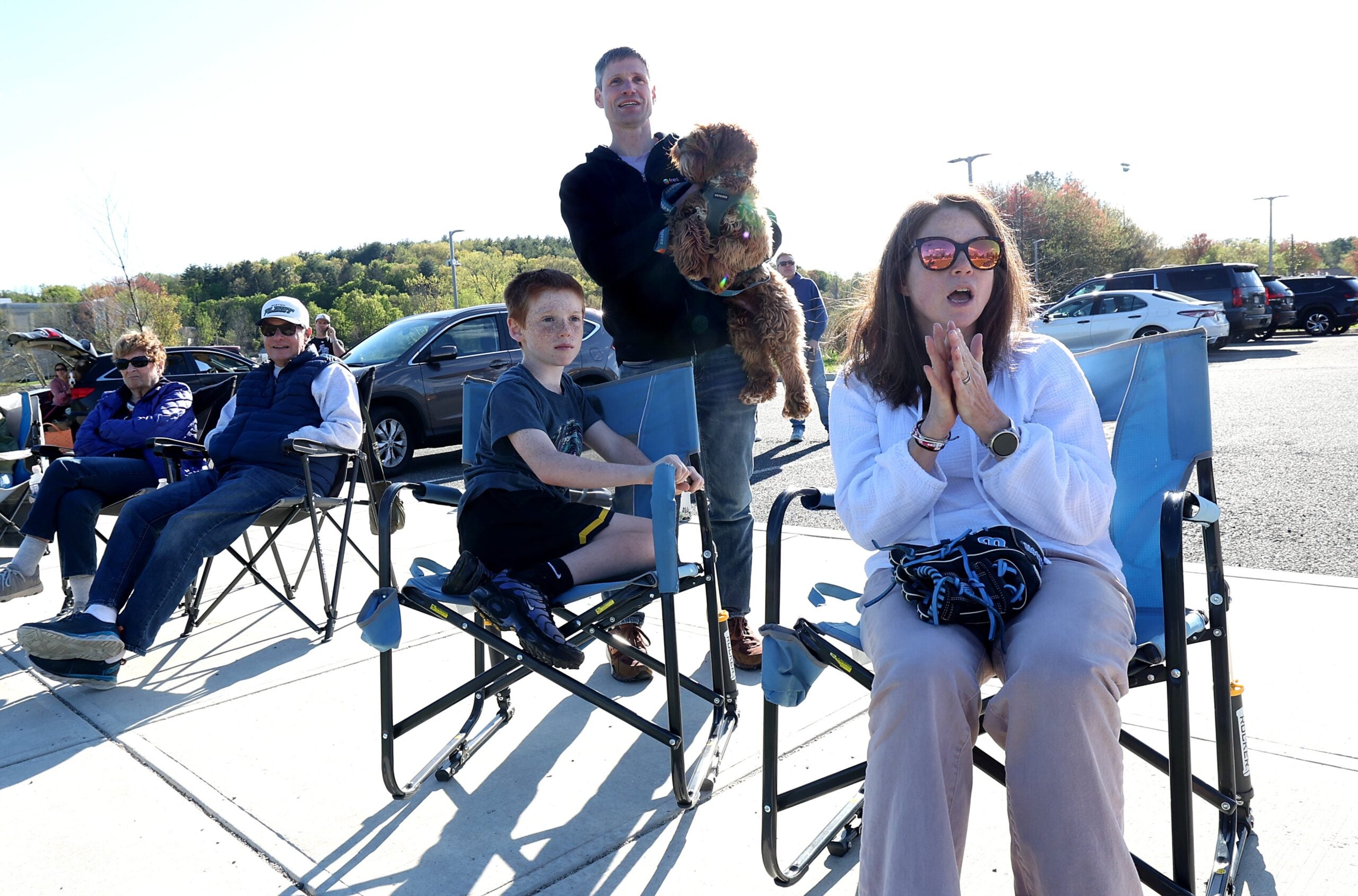
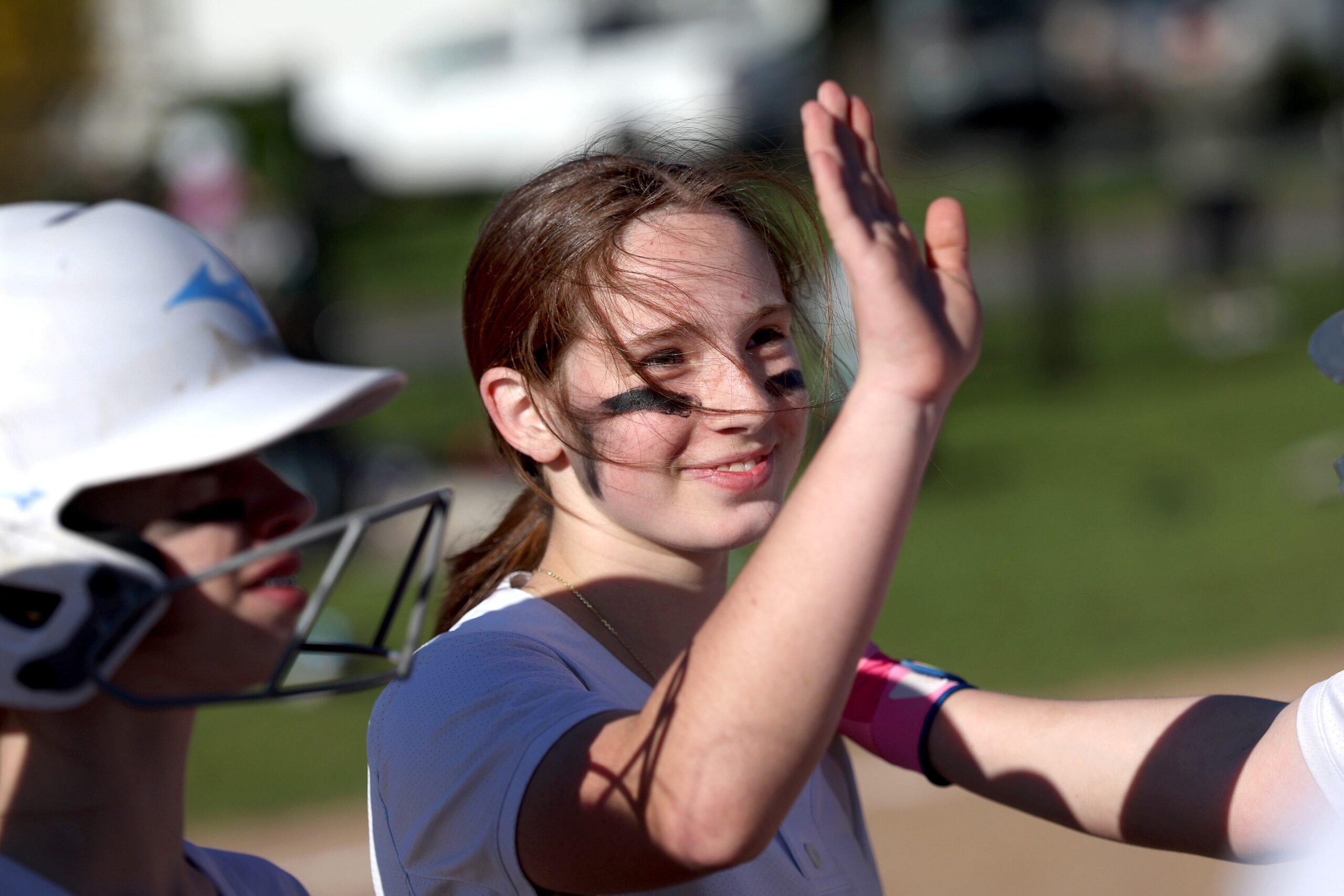
Sarah Kaufman, a special education teacher in Concord, returned to in-person work in the fall of 2020 and resumed much of her normal life soon after. Despite frequent travel, including to New York City, Iceland, Hawaii, and Disney World twice, neither Kaufman, 47, nor her children, now 10 and 13, have tested positive for the virus. Her husband, Paul Zinn, wasn’t so lucky: he contracted COVID in 2023 after a business trip, but didn’t pass it to Kaufman or their children.
“I’m around people constantly. I just . . . haven’t gotten it — or I’d prefer to say, I haven’t tested positive,” said Kaufman, 47. She attributes her streak to good health and chance: “I operate without fear at this point. For me, it’s less of a worry.”
Kaufman is the polar opposite of Kathy Norris, from Taunton, who still masks in public, shops early to avoid crowds, and limits social interactions as if social distancing protocols were still in place. She says she’s strict about protecting herself, her elderly mother, and her health-compromised husband.
“It’s not an accident I haven’t gotten COVID,” said Norris, 66. “It’s a proactive, sustained effort . . . with some luck tossed in.”
Others are less certain of their NOVID status.
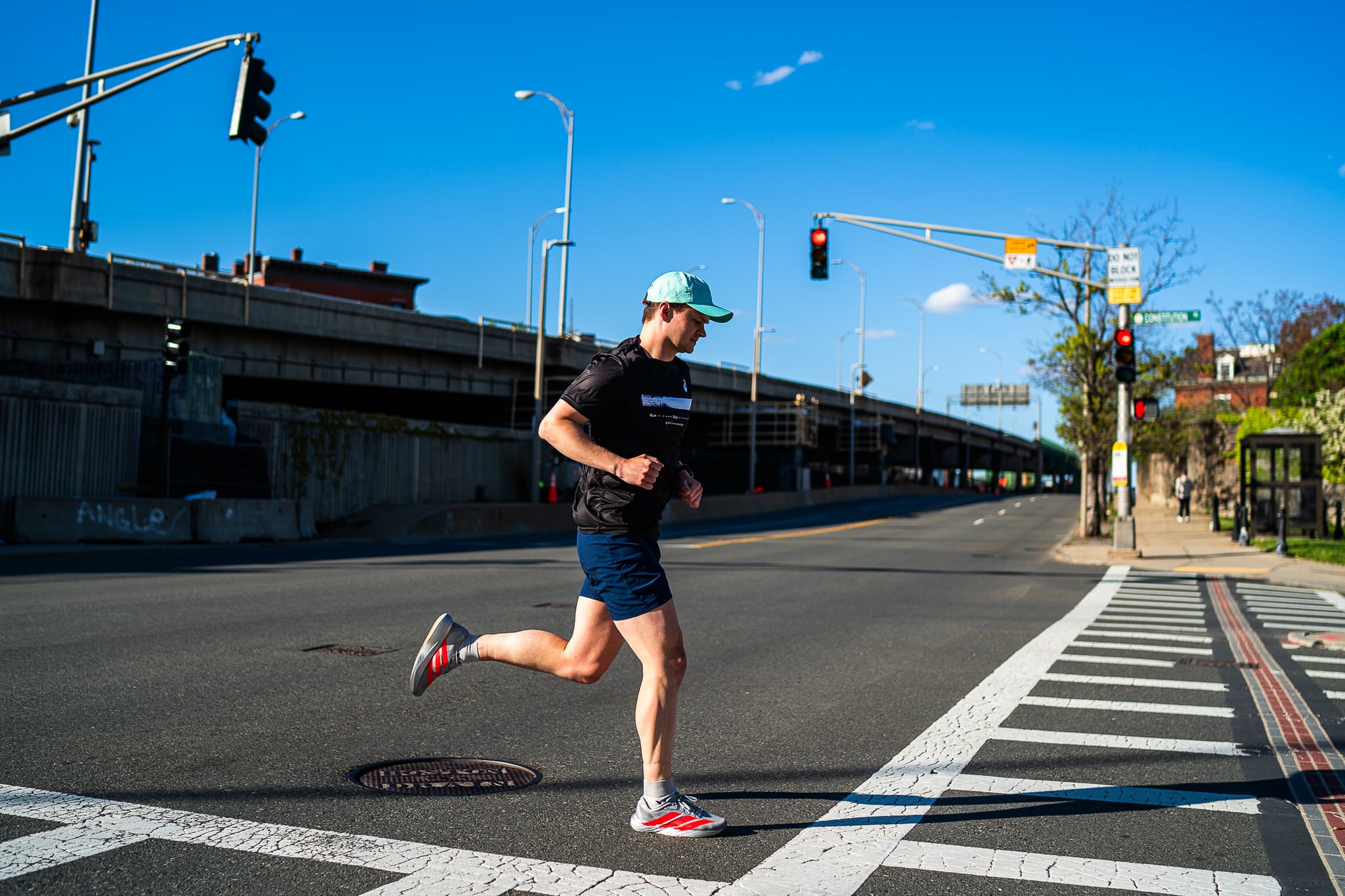
“Given my lifestyle, I’d be surprised if I truly never had it,” said Charlestown attorney and marathon runner Jack Quinn, 30, who lived with infected roommates and traveled widely. “But every time I’ve tested, it’s been negative.”
Quinn credits vaccines. “I believe vaccines helped,” he said. Still, he keeps testing when he feels ill, “almost expecting it to finally happen.”
Some Globe responders fit a pattern that BMC’s Assoumou has also identified in her work with NOVIDs: they tend to be older, more likely to have undergone repeated workplace testing, and are active individuals. Many are either immunocompromised or caring for vulnerable loved ones at home. Women and children also appear more likely than men to identify as never having had COVID.
She sees most NOVIDs “as validation that vaccines work and people should continue with boosters” to avoid future infections.
The search for biological resistance
Dr. Donald Vinh, a member of the international consortium who studies the genetics of infectious disease at McGill University Health Centre in Montréal, said the pandemic offered a unique opportunity to investigate in real time why people respond differently to the same pathogen.
Early in the pandemic, researchers with the consortium uncovered two major clues explaining why some people became severely ill from COVID-19, he said. One discovery found that many older men produced rogue “autoantibodies” that mistakenly attacked interferon — a critical part of the body’s antiviral defense system — causing one-fifth of COVID deaths. Another revealed that certain patients carried genetic mutations affecting the same interferon pathway, helping explain why even some younger, otherwise healthy people developed life-threatening disease.
But resistance, the flip side of the equation, remains elusive.
“We absolutely believe there are genetic resisters,” Vinh said. “They may be just a handful of golden needles in a haystack, but we haven’t given up on looking for it.”
Children were generally less likely to develop severe COVID because their immune systems mounted a faster, stronger early “innate” response that can stop the virus before it spreads widely through the body, he said.
Vinh compared their research to discoveries made in malaria research in Africa, where scientists found that people with sickle cell anemia, an inherited blood disorder, were naturally more resistant to severe malaria. He said the search is worth the effort — even if it means looking for just a dozen people in the world. There are studies for people to sign up for.
“Humans have evolved with the germs around them. If we can understand why someone is resistant, it allows us to be more precise in our diagnoses and treatments,” he said.
Before turning her focus to COVID-19, Assoumou cared for patients with genetic mutations linked to HIV. In that research, scientists identified people with a rare mutation that prevents the virus from entering cells, a breakthrough in HIV management that identified markers effective at limiting its impact on the body. That work fueled hopes that similar discoveries could emerge from COVID research.
“We keep studying because it helps us solve not only this issue, but also future conditions or maybe it will help us develop better vaccines,” Assoumou said.
Because whether “superdodgers” are rare biological outliers or simply lucky, their stories may hold clues to something bigger, Vinh said, “Not just how we survived the pandemic, but how we might face the next one.”