







The voter-approved surtax has sailed past its $2 billion estimate for another year in a row.
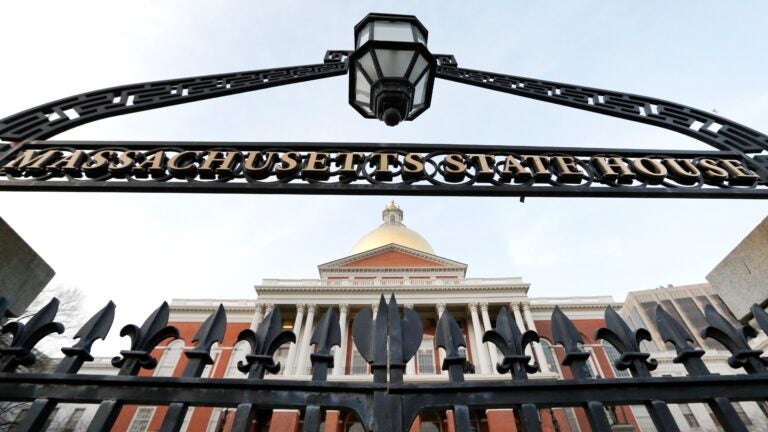
Massachusetts’ “millionaires tax” has already generated more than $3.1 billion this fiscal year, setting lawmakers up for another larger-than-expected surge in revenue.
With two months still left to count, the state Department of Revenue said in a letter Wednesday that collections from the surtax have now reached over $3 billion for the year.
Voters approved the measure in 2022, adding a 4 percent surtax on annual income over $1 million. The money goes toward transportation and public education.
The Massachusetts Budget and Policy Center, a left-leaning think tank, projected that the surtax would generate about $2 billion annually.
However, the surtax has brought in far more: $2.4 billion in 2024 (the first full year), $3 billion in 2025, and now over $3.1 billion this fiscal year.
Advertisement:
The proceeds this year also far exceed the $2.4 billion the state projected to spend from the tax in the fiscal year ending next month.
The revenues appear to contradict predictions that affluent residents would flee the state if lawmakers raised taxes further.
In some ways, they have. IRS Statistics of Income data show that over 150,000 taxpayers left the state in 2023, resulting in a net loss of over 30,000 residents and $4.18 billion in gross income.
The Mass Opportunity Alliance, a pro-business coalition, pointed out that the data show the majority of the loss came from those earning $200,000 or more per year.
Advertisement:
“Since the surtax passed into law, early empirical and anecdotal data warned against the unintended consequences that were already starting to take shape: fewer residents, less taxable income, and increasing pressure on those who remain,” the alliance said in a press release.
However, according to a report by the Institute for Policy Studies and the State Revenue Alliance, the number of people with a net worth of over $1 million increased by 38% between 2022 and 2024.
The extra funds come as lawmakers enter the final stages of passing a budget for the next fiscal year amid an uncertain economic forecast and federal funding cuts. The next budget year begins July 1.
Evan Horowitz, executive director of Tufts University’s Center for State Policy Analysis, told The Boston Globe that lawmakers should still be cautious.
The surplus, he told the Globe, is fueled by business sales and equity returns — both of which are tied to the health of the stock market.
“The stock market has been booming, and so the millionaires’ tax is bringing in revenue,” he told the Globe. “This money is volatile. If the state builds a budget that relies on this money for core programs, you are going to have a hole in core programs [in the future].”

Beth Treffeisen is a general assignment reporter for Boston.com, focusing on local news, crime, and business in the New England region.
Sign up for the Today newsletter
Get everything you need to know to start your day, delivered right to your inbox every morning.