


Hackers Use Fake WeTransfer Emails to Steal Your Information
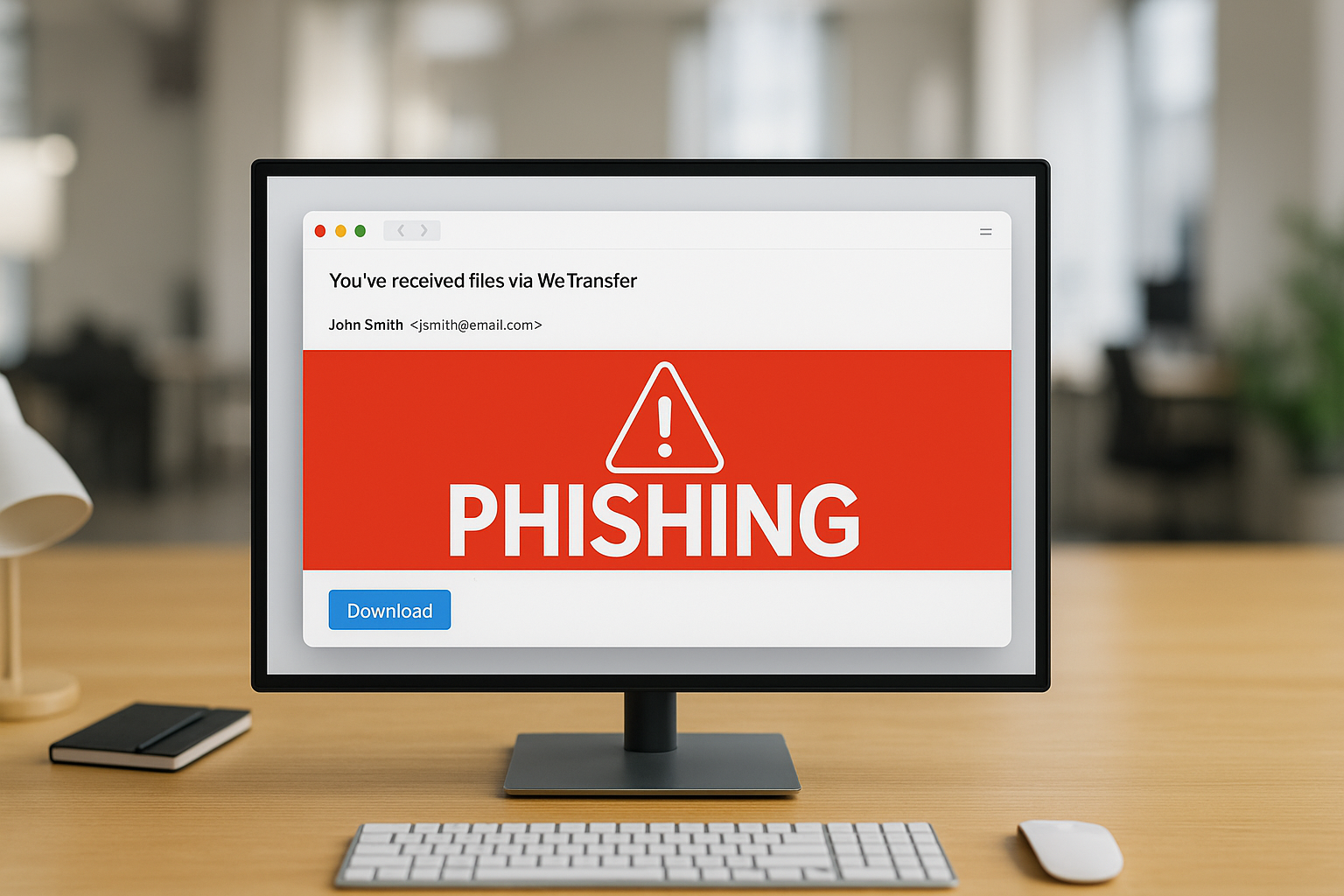
If you’ve ever shared a big file online, chances are you’ve used WeTransfer. It’s quick, it’s easy, and most importantly—it’s trusted. And that’s exactly why scammers love it.
Lately, there’s been a wave of phishing emails that look like they’re coming from WeTransfer. You get a message in your inbox saying something like:
- “You’ve received files”
- “Here’s your invoice via WeTransfer”
- “Download your contract now”
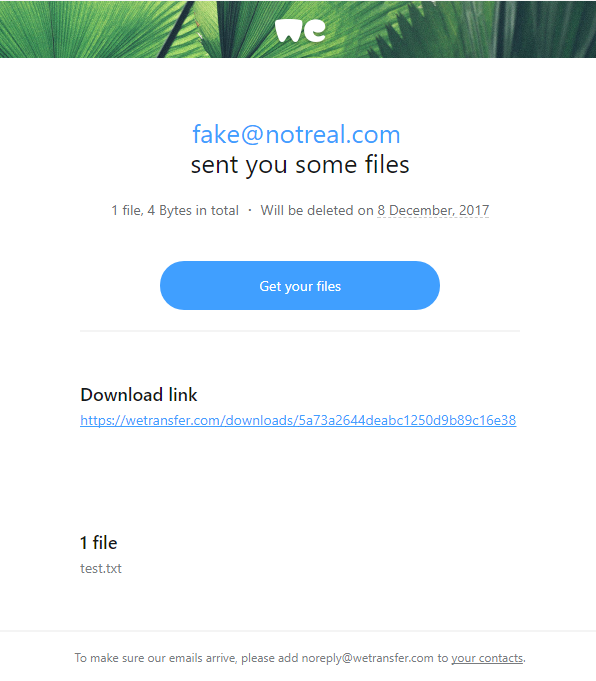
Sounds legit, right? The problem is, those links don’t actually take you to WeTransfer. Instead, they lead you to sketchy sites designed to steal your email login, personal info, or even infect your computer with malware.
Fordham Edu
https://medium.com/@resonance.security
So, how do you spot a fake?
Here are some quick red flags:
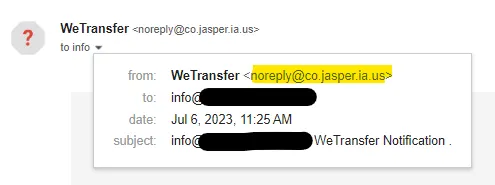
- Check the sender’s address. Real WeTransfer emails come from
@wetransfer.com. Anything else? 🚩 - Hover over the link. If the URL doesn’t point to
wetransfer.comorwe.tl, don’t click. - Unexpected transfers. If you weren’t expecting files, especially invoices or contracts, double-check with the sender.
- Scare tactics. If the message pressures you with “download immediately” or “expires in 1 hour,” take a breath. That urgency is a classic trick.
- Attachments. WeTransfer usually gives you a download link, not random attachments with .zip or .exe files.
What’s at risk if you fall for it?
A lot, unfortunately. Clicking on a fake transfer can mean:
- Your email or cloud account gets hacked.
- Sensitive data leaks into the wrong hands.
- Your device gets hit with malware (worst case: ransomware).
How to protect yourself
The good news? Staying safe is pretty simple:
- Verify before you click. If someone says they sent you files, confirm with them outside of email (call, text, Teams, Slack—whatever you use).
- Turn on MFA. Multi-factor authentication makes it way harder for scammers to break into your accounts.
- Keep your guard up. Train yourself (and your team, if you’re running a business) to spot phishing tactics.
- Update your devices. Security patches and antivirus tools help catch threats before they cause real damage.
How ExchangeDefender Helps
Here at ExchangeDefender, we take phishing attacks like these seriously. Our filters flag suspicious links, block spoofed domains, and keep bad emails out of your inbox before you even have to think about them. Plus, we love keeping you in the loop with updates like this—because knowledge is one of the best defenses.
Our Expert Tip:
WeTransfer is a great tool, but remember: scammers always follow trust. The more popular a platform is, the more likely it’s going to be abused. So next time you see that “You’ve received files” email—pause, hover, and think before you click.