






Mojo Wang
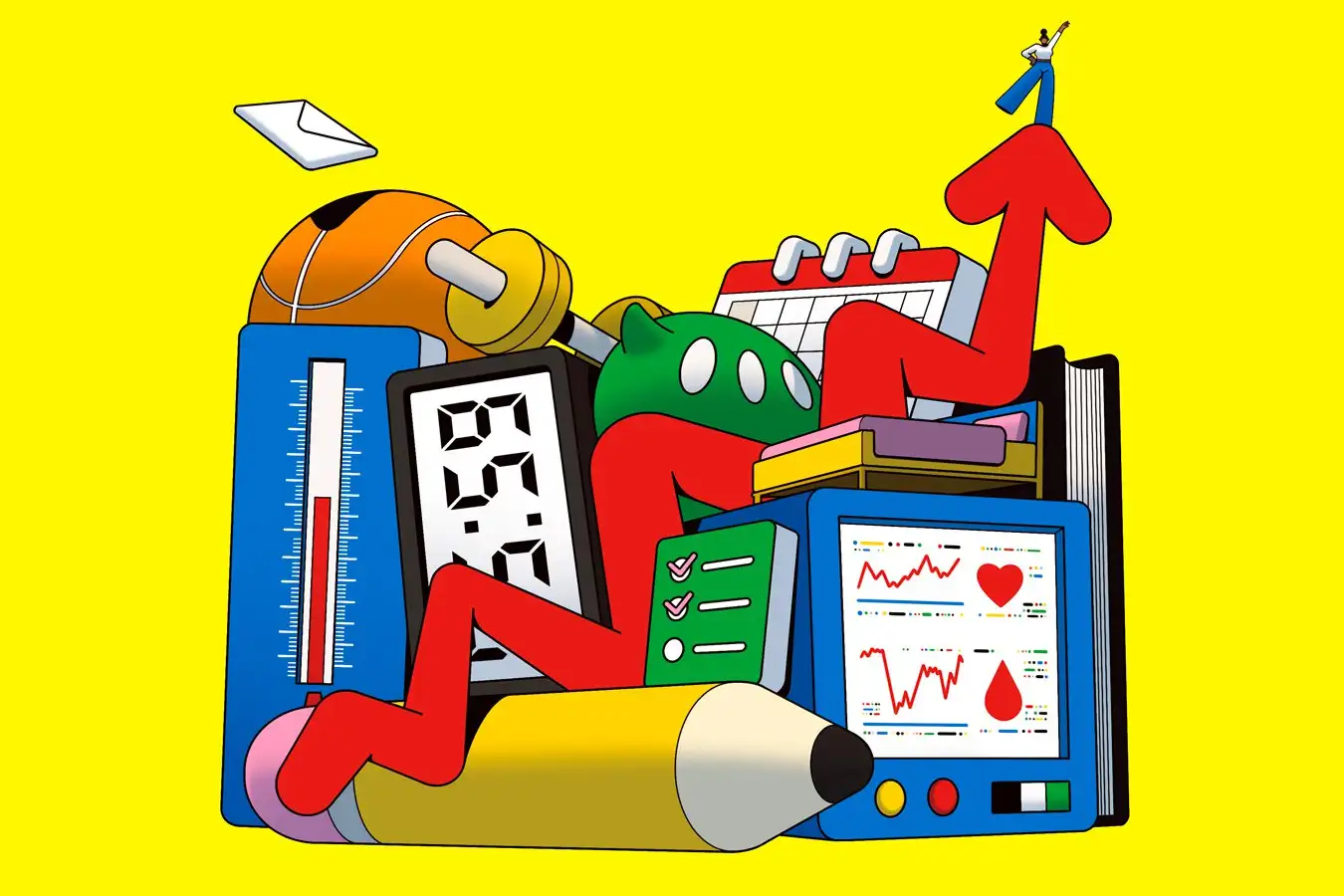
Last week, I arrived home to bad news about a sick relative. I took medication for a chronic gut condition and surveyed the mess around my house before heading to the gym, where I lifted weights until my limbs shook. Later that evening, I felt a jolt of adrenaline after receiving a challenging contract for my new business.
In short, I was stressed. But, reflecting on the day, I realised that the stress I had experienced wasn’t all the same. There had been the sharp spike of bad news, the slow simmer from illness, the physical stress of exercise and even a curious kind of positive stress from the work opportunity. Some instances felt draining; others energising.
Scientists are increasingly recognising that these distinctions matter. Stress is linked to many of our major killers, from heart disease to depression. Yet emerging research is challenging the conventional view of stress as solely detrimental. In certain contexts, it can sharpen the mind and strengthen your body.
This raises an intriguing possibility. Instead of trying to eliminate stress altogether, perhaps the real goal is to find its biological sweet spot – the perfect amount that makes us stronger, not sicker. So, I set out to determine my own perfect dose of stress.
Stress has a bad rap. “It’s really demonised in the media,” says physiologist Julie Vašků at Masaryk University in the Czech Republic. “It’s always like, ‘you have to fight it’.”
It’s not entirely undeserved. Chronic stress is associated with a long list of health problems and it is the one thing that we know for sure suppresses our immune health. But the story isn’t as simple as just saying “stress is bad”.
To understand why, it helps to look at what stress actually is. When the brain perceives a threat, it launches a cascade of biological responses designed to help us survive. This is our core stress response. Within milliseconds, the sympathetic nervous system releases adrenaline, pushing the body into fight-or-flight mode. Heart rate rises, breathing quickens and blood is sent to systems that need it most.
Next, a burst of cortisol redirects resources to give you extra energy to deal with whatever challenge lies ahead. Meanwhile, the immune system and inflammatory signals mobilise, preparing for any potential injury or infection.
Once the threat has passed, the parasympathetic nervous system reins things back in, slowing the heart rate and restoring the body’s resting state.
Seen this way, stress is just a metabolic switch that reallocates resources, says Vašků. “Once you understand that stress is not harming you in the moment, it’s helping you to survive whatever your body is thinking you need to survive, then you can work with it much better.”
Our perception that stress is bad tends to come from what happens when it becomes chronic. Prolonged stress makes the brain less sensitive to cortisol, meaning it stops sending the signal that switches off its release. The result is a damaging cycle of elevated cortisol and inflammation that raises the risk of conditions including heart disease, type 2 diabetes, depression and cognitive decline. “We can all pretty much agree that chronic stress is bad,” says Vašků.
But the opposite is also problematic. Inadequate stress can affect our health, too. Studies suggest that people with a history of some adversity in their lives, such as experiencing an injury or divorce, report better mental health and well-being not only than those with a large history of adversity, but also those with none at all.
It suggests that some stress might be beneficial. This idea actually dates back to the 1970s, when endocrinologist Hans Selye introduced the term “eustress” – or “good” stress, which leads to healthy, positive outcomes. While eustress and its opposite distress activate the same core physiological pathways, Selye argued that “eustress causes much less damage”.
Subsequent studies have supported this idea. Adolescents experiencing higher levels of eustress, such as being given academic work that feels tough but manageable, tend to enjoy more positive mental health and greater life satisfaction, for instance. The challenge is learning how to identify it and get more of it.
Engineering the right amount of stress in your life isn’t straightforward. “You need to think about stress like a 3D game of chess,” says psychiatrist Carmine Pariante at King’s College London. “The outcome depends not only on the type of stress and the duration, but also our control over it and our reaction to it.”
“That complexity makes it very difficult to say that some stress is inherently bad or inherently good,” says Vašků. Still, patterns are beginning to emerge.
Let’s start with the type of stress. This matters because different stressors activate different additional pathways alongside the core stress response. Take a common stressor such as sleep deprivation, for example. A poor night’s sleep activates the usual stress hormones, cortisol and adrenaline, but it also disrupts metabolic pathways. In one small study, people restricted to sleeping between 1am and 5am showed significantly reduced insulin sensitivity after just one night. Over time, this kind of disruption can lead to type 2 diabetes and obesity.
Compare this with a physical stressor like exercise. A demanding workout triggers stress hormones just like a lack of sleep, but it simultaneously depletes energy, increasing levels of a molecule called AMP, which kick-starts pathways that improve our muscles’ ability to absorb glucose, increase insulin sensitivity and build more efficient mitochondria, which provide cellular energy.

Exercise, in the right amounts, is a positive form of stress
Imageplotter/Alamy
Exercise also generates heat and microscopic tears in muscles and causes proteins to misfold. This triggers the release of heat-shock proteins, molecular repair crews that go around clearing up the mess and rebuilding tissue, often leaving muscles healthier than before.
So, exercise is generally a good stressor, but even beneficial stressors have limits. This principle was considered 500 years ago by the father of toxicology, the physician and alchemist Paracelsus, when he observed that “the dose determines that a thing is not a poison”. Even water becomes dangerous when consumed in extreme volumes. We now need to apply that same principle of dose to stress.
In the case of exercise, the World Health Organization recommends people get 150 to 300 minutes of moderate exercise or 75 to 150 minutes of vigorous exercise a week. That’s great as a general recommendation, but we can get to a more precise sweet spot. For instance, a study tracking around 55,000 adults for 15 years found that running 1.6 to 32.1 kilometres, at less than 9.6 kilometres an hour, two to five days each week was associated with a 19 per cent lower risk of death from any cause compared with no running at all. But higher mileage, faster pace and more frequent runs had diminishing returns, and going to extremes may increase the risk of dying from cardiovascular issues. In other words: there’s your optimal dose of physical stress.
We can do the same thing for other types of stressors. Heat, for instance, triggers a stress response, but also anti-inflammatory molecules and heat-shock proteins that are thought to be part of the reason why people who do a lot of sauna sessions are at lower risk of dementia.
However, very high sauna temperatures, such as those used in some traditional Finnish dry saunas, may not be so beneficial. One study of almost 14,000 adults followed over 39 years found that while sauna-goers had, on average, a lower risk of a dementia diagnosis, the dementia risk of those in sauna temperatures higher than 100°C (212°F) was double that of those bathing at temperatures lower than 80°C (176°F).
Combine these findings with other studies looking at when health benefits of regular saunas kick in – at temperatures of around 75°C (167°F) and for sessions that last between 10 and 45 minutes – and another sweet spot of stress emerges.
Exercise and heat therapy feel like obvious sources of good stress to me, because I feel good doing them. But what about that spike of stress I feel when it comes to work that is challenging, or a looming deadline? Can that be beneficial? “This kind of short exposure to manageable stress can indeed be good for you,” Vašků tells me. “Your attention can be sharper under stress; you can make faster decisions.”
The evidence for this dates to an experiment from 1908 in which researchers discovered that mice learn to navigate a maze faster when subjected to moderate electrical stimulation, as this caused higher arousal (alertness), which is a proxy for stress. Increasing the intensity of the stimulus improved the speed of learning – until it didn’t.
This led to the Yerkes-Dodson law, which proposes that optimal performance exists at moderate levels of arousal. Evidence in humans is more mixed, but recent work suggests the principle holds. In 2024, a team co-led by Jorge Mejias at the University of Amsterdam, the Netherlands, showed that people detect visual and auditory stimuli best when they are moderately aroused.
While arousal and stress aren’t identical, stress can drive arousal, says Mejias, so we can use it in our quest to identify the perfect amount of stress. It isn’t an exact science, but moderate levels of arousal come from the alert, slightly stressed but still manageable state you might feel when you are challenged but in control, he says. “The ‘mild-but-manageable stress’ framing is a reasonable, real-world way to describe one way people often enter that beneficial arousal range,” says Mejias, who says he is using this trick to give himself the perfect amount of stress to learn a new language, maximising his learning by choosing reading material that is challenging but not overwhelming.
Knowing your baseline stress levels and how much they vary might help you identify your optimal level, and there are now practical ways to measure them (see “Can you determine your personalised stress score?”).
Type, dose and arousal get us only so far, though. Control may be just as important in determining whether a stressor builds you up or breaks you down. “The worst kind of stressors as a human are the chronic, uncontrollable ones,” says Pariante. “If you’re discriminated against, if you are in prison but innocent… there’s no control.”
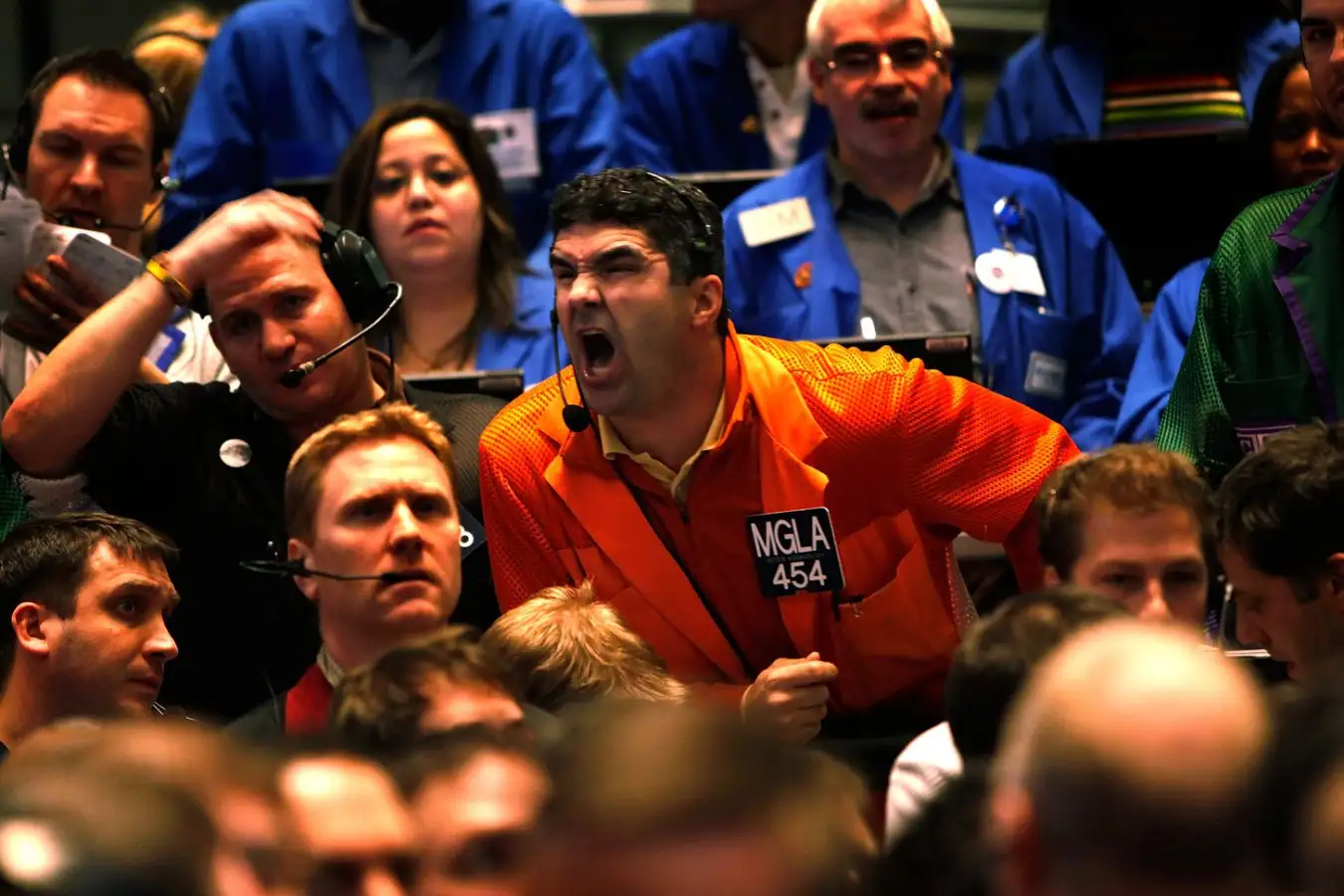
The control we have over our environment influences whether stress has a detrimental or positive effect on us
Scott Olson/Getty Images
Which means that if I choose to do an intensive gym class or put a short deadline on a piece of work, it is potentially going to affect my health differently than if I have to do either of these things against my wishes. “That choice aspect is really interesting,” says Pariante. “You experience, physically, the same amount of stress choosing to go to the gym, but you might get a different outcome to somebody who really doesn’t want to be there.”
But control isn’t always an option. Life is full of unexpected stressors, which is where the final variable comes in: the difference between a good and bad stressor isn’t necessarily about the type or dose, but how you meet it. Your mindset can turn distress into eustress.
To explain why, psychologist Jeremy Jamieson at the University of Rochester in New York state suggests thinking about your boss giving you a piece of work that you hate. Your body responds with a stress response, a cortisol and adrenaline spike. In this scenario, your body is responding in an avoidance capacity, he says, trying to protect you from the perceived threat. When this threat is a wild animal, that’s a useful response, but these days our threats tend to be more psychological in nature and trying to avoid them isn’t always helpful.
Rather than try to avoid the stress, we should lean into it, says Jamieson. Think to yourself: that piece of work is good for your career; you’ve done similar work before and managed it fine.
“This is what we call a challenge mindset,” says Jamieson, where we view stress as an opportunity for growth and achievement rather than as a threat. These aren’t just empty platitudes. Research shows that reframing a stressful situation can change the ratio of cortisol to testosterone released during the experience, with testosterone counteracting some of the negative effects of the cortisol, resulting in significant real-world consequences.

The right mindset can turn the stress of a test into a better outcome
Xinhua/Alamy
In one of Jamieson’s studies, for instance, students preparing for the US Graduate Record Examination to get into graduate school were either taught that stress was useful and would improve their performance or given neutral advice about stress. Those taught to reappraise stress achieved higher scores in the real examination later in the year.
This mindset also helps to prevent chronic stress. Jamieson explains that the half-life of cortisol is around 1 hour, whereas the half-life of testosterone is much shorter. “If cortisol is still kicking around, and you experience another stressor soon after the first, you’re not starting at zero and you start seeing a prolonged stress response,” he says. “With a challenge mindset – less cortisol, more testosterone – you go back to baseline much quicker.”
Reframing helps to turn bad stress into good in the moment, but there is also a longer game we can play. Exposing yourself to stress and learning that you can handle it can have long-term beneficial effects by tapping into something known as stress inoculation (see “Can we vaccinate ourselves against stress?”). This is the idea that small doses of mild stress that you learn from can build resilience to later stresses. It’s why those children who experienced mild adversity had better well-being than those who experienced none. Studies in monkeys show direct links between mild early adversity and increases in areas of the prefrontal cortex vital for emotional regulation and resilience.
I have been mulling all this over and have realised that identifying my own sweet spots of stress has been beneficial. I feel better about my tendency to leave things until the last minute – which now seems like I have accidentally tapped into the right dose of arousal, making me more proficient and focused. I have even started consciously putting myself in situations where I feel slightly uncomfortable (hello, school gate small talk!) in the knowledge that it is helping me build some resilience against future stressful situations, like news about my relative’s health, over which I have no control.
Stress is sometimes referred to as a fire – it can cook your food or burn your house down. Now I feel far more adept at tending to the flame for just the right kind of heat.
Topics:
此内容由惯性聚合(RSS阅读器)自动聚合整理,仅供阅读参考。 原文来自 — 版权归原作者所有。