

惯性聚合 高效追踪和阅读你感兴趣的博客、新闻、科技资讯
阅读原文 在惯性聚合中打开

推荐订阅源

N
News | PayPal Newsroom
U
Unit 42
MongoDB | Blog
MongoDB | Blog
IT之家
IT之家
A
About on SuperTechFans
Blog — PlanetScale
Blog — PlanetScale
P
Privacy & Cybersecurity Law Blog
V
V2EX
Threat Intelligence Blog | Flashpoint
Know Your Adversary
Know Your Adversary
L
LINUX DO - 热门话题
GbyAI
GbyAI
T
Threat Research - Cisco Blogs
cs.CL updates on arXiv.org
P
Palo Alto Networks Blog
Recent Commits to openclaw:main
腾讯CDC
WordPress大学
WordPress大学
K
Kaspersky official blog
The GitHub Blog
The GitHub Blog
Spread Privacy
Spread Privacy
Simon Willison's Weblog
D
DataBreaches.Net
cs.CV updates on arXiv.org
M
MIT News - Artificial intelligence
Exploit-DB.com RSS Feed
C
Check Point Blog
阮一峰的网络日志
阮一峰的网络日志
TaoSecurity Blog
TaoSecurity Blog
Latest news
Latest news
freeCodeCamp Programming Tutorials: Python, JavaScript, Git & More
N
News and Events Feed by Topic
NISL@THU
NISL@THU
博客园 - 【当耐特】
Microsoft Azure Blog
PCI Perspectives
PCI Perspectives
T
Threatpost
C
CXSECURITY Database RSS Feed - CXSecurity.com
Scott Helme
Scott Helme
P
Proofpoint News Feed
C
CERT Recently Published Vulnerability Notes
大猫的无限游戏
大猫的无限游戏
Help Net Security
Help Net Security
C
Cybersecurity and Infrastructure Security Agency CISA
H
Hackread – Cybersecurity News, Data Breaches, AI and More
W
WeLiveSecurity
小众软件
小众软件
S
Secure Thoughts
T
The Exploit Database - CXSecurity.com
F
Full Disclosure

Security Latest

British Police Built a Sprawling Crime-Prediction Machine. Some Results Couldn’t Be Trusted Dialog Claims It Was Hacked. A Misconfigured Website Left Its Members Exposed OpenAI Launches Full-Scale Effort to Patch Open-Source Bugs as It Takes on Anthropic’s Mythos World Cup Scams Are Getting Harder to Spot A Critical Deadline Is Approaching for Windows and Linux Security Hackers Claim to Leak Stolen Madison Square Garden Data How the Peter Thiel-Linked Dialog Club Secretly Ranks Its Members How to Watch the Knicks Parade on NYC Traffic Surveillance Cameras The UK Will Scan Asylum-Seekers’ Faces for Age Checks—Despite Knowing the Tech Is Flawed Leak Exposes Members of Peter Thiel’s Secretive ‘Dialog’ Society ‘Dangerous’ AI Models Are Coming No Matter What Meta Tapped a Pentagon Supplier to Prototype Face Recognition for Its Glasses The FCC Wants to Kill Burner Phones Grok Is Still Hosting Sexualized Deepfakes of Famous Women Drug Sites Hijacked Spotify’s Search Ranking Through Fake Podcasts Signal Alums Reveal ‘Encrypted Spaces,’ a System for Making Private Collaboration Apps CISA Tells US Agencies to Fix Security Bugs in as Little as 3 Days Thanks to AI Threats Trump Risks Key Surveillance Authority Over ‘Unqualified’ Spy-Chief Pick Wrongful Arrest Exposes Failures in One of the Oldest Police Face-Recognition Tools in the US Soccer Fans, You’re Being Watched Mapping Every Flock License Plate Reader Near US World Cup Stadiums Amnesty International Warns That World Cup Fans Face Potential Human Rights Violations Anthropic Offers Mythos Upgrade for Cyber Partners and a ‘Safe’ Version for the Rest of You Meta Deletes Face-Recognition System From Its Smart Glasses App After WIRED Report All the Ways Europe Is Ditching American Technology Crypto-Funded Chinese Peptide Labs Are Booming Meta Silently Added Face-Recognition Code for Its Smart Glasses to Millions of Phones xAI Asks Court to Strip Alleged Grok Deepfake Nudes Victims of Anonymity Android Is Fighting Phone Scams With a New Feature to Prove Who’s Calling The Manhattan Institute Helped Kill DEI. Now It’s Coming for Protests The Romance Scammer Who Made a Small Fortune Posing as a WWE Superstar Websites Can Now Spy on You Through Your Hard Drive Cybercrime Crew Claims It Hacked Mike Lindell’s MyPillow The White House’s Aliens.gov Site Brags That ICE Arrested More Than 700 US Citizens The Pentagon Knew Enemies Could Track Troops’ Phones for Years. Now They Are Scammers Are Using Your Real Hotel Reservations to Trick You With Spear-Phishing Attacks Internet Starts to Return in Iran After 3-Month Blackout US Law Enforcement Warns of ‘Anti-Tech Extremism’ as AI Hatred Grows The AI Era Is Creating a Bug-Hunting Arms Race The FBI Wants ‘Near Real-Time’ Access to US License Plate Readers ‘Creepy’ Listening Tool for Targeted Ads Didn’t Actually Work, FTC Says A Hacker Group Is Poisoning Open Source Code at an Unprecedented Scale The EU Is Going Through a Trump-Fueled Breakup With Big Tech A Bipartisan Amendment Would End Police License Plate Tracking Nationwide Madison Square Garden Bans Lawyer Representing New York Cop Injured at a Boxing Match Data Brokers’ and AI Firms’ Opt-Out Forms Are Built to Fail, Report Finds You Can Get Some of Your Nudes Removed From the Internet Under a New Law An ICE Firearms Trainer Was Involved in At Least 4 Deadly Shootings Cybercriminal Twins Caught After They Forgot to Turn Off Microsoft Teams Recording Your iPhone Gets Stolen. Then the Hacking Begins DHS Plans Experiment Running ‘Reconnaissance’ Drones Along the US-Canada Border WhatsApp Adds Meta AI Chats That Are Built to Be Fully Private Foxconn Ransomware Attack Shows Nothing Is Safe Forever Iran Is Using Tiny ‘Mosquito’ Boats to Shut Down the Strait of Hormuz Hackable Robot Lawn Mower Unlocks a New Nightmare You Can Disable Gemini in Chrome if It’s Freaking You Out Cybercriminals Are Complaining About AI Slop Flooding Their Forums DHS Demanded Google Surrender Data on Canadian’s Activity, Location Over Anti-ICE Posts Disneyland Now Uses Face Recognition on Visitors OpenAI Rolls Out ‘Advanced’ Security Mode for At-Risk Accounts Exposed Data Illustrates the Nightmare Scenario for a Stalkerware Victim The Race Is on to Keep AI Agents From Running Wild With Your Credit Cards California Engineer Identified in Suspected Shooting at White House Correspondents Dinner Discord Sleuths Gained Unauthorized Access to Anthropic’s Mythos Newly Deciphered Sabotage Malware May Have Targeted Iran’s Nuclear Program—and Predates Stuxnet AI Tools Are Helping Mediocre North Korean Hackers Steal Millions Mozilla Used Anthropic’s Mythos to Find and Fix 271 Bugs in Firefox Meta Is Sued Over Scam Ads on Facebook and Instagram They Built a Legendary Privacy Tool. Now They’re Sworn Enemies The Weird, Twisting Tale of How China Spied on Alysa Liu and Her Dad It Takes 2 Minutes to Hack the EU’s New Age-Verification App Republican Mutiny Sinks Trump's Push to Extend Warrantless Surveillance The Shocking Secrets of Madison Square Garden’s Surveillance Machine Europe’s Online Age Verification App Is Here The Deepfake Nudes Crisis in Schools Is Much Worse Than You Thought In the Wake of Anthropic’s Mythos, OpenAI Has a New Cybersecurity Model—and Strategy Telegram Is Still Hosting a Sanctioned $21 Billion Crypto Scammer Black Market The FCC Has a Fast Lane for Complaints About Trump’s Media Critics Meta Is Warned That Facial Recognition Glasses Will Arm Sexual Predators The Dumbest Hack of the Year Exposed a Very Real Problem Your Push Notifications Aren’t Safe From the FBI How the Internet Broke Everyone’s Bullshit Detectors Anthropic’s Mythos Will Force a Cybersecurity Reckoning—Just Not the One You Think Politicians Are Spending More Money on Security as They Increasingly Become Targets ‘We Were Not Ready for This’: Lebanon's Emergency System Is Hanging by a Thread Men Are Buying Hacking Tools to Use Against Their Wives and Friends Iran-Linked Hackers Are Sabotaging US Energy and Water Infrastructure Anthropic Teams Up With Its Rivals to Keep AI From Hacking Everything Border Patrol Agents Sold Challenge Coins With ‘Charlotte’s Web’ Characters in Riot Gear Hackers Are Posting the Claude Code Leak With Bonus Malware Meta Pauses Work With Mercor After Data Breach Puts AI Industry Secrets at Risk CBP Facility Codes Sure Seem to Have Leaked Via Online Flashcards ‘Uncanny Valley’: Iran’s Threats on US Tech, Trump’s Plans for Midterms, and Polymarket’s Pop-up Flop Unmasking the Paramilitary Agents Behind Trump’s Violent Immigration Crackdown Apple Will Push Out Rare ‘Backported’ Patches to Protect iOS 18 Users From DarkSword Hacking Tool Iran Threatens to Start Attacking Major US Tech Firms on April 1 The US Military’s GPS Software Is an $8 Billion Mess The Broken System That Keeps Shipping Crews Stranded in the Strait of Hormuz Iranian Hackers Breached Kash Patel’s Email—but Not the FBI’s How Trump’s Plot to Grab Iran's Nuclear Fuel Would Actually Work
What Happens When a Nuclear Site Is Hit?
2026-04-02 · via Security Latest

Into the second month of the US-Iran war, the conflict in the Gulf continues to escalate—airstrikes widening, oil markets reacting, and pressure mounting around the Strait of Hormuz. But beyond the immediate security and economic concerns, another question is quietly taking shape: What actually happens if a nuclear site is hit?

In most cases, even if a nuclear facility is hit, a large-scale radiological disaster is unlikely. Modern sites are designed with multiple safety systems that can shut down reactors and contain damage.

The risk isn’t defined by the strike itself, but by what the strike damages inside the facility. The risk becomes significantly higher, however, if those systems fail—or if an operational nuclear power plant is directly affected.

Where the Risk Begins

On February 28, when the US and Israel launched a coordinated military campaign against Iran’s leadership and military infrastructure, Iran’s nuclear and ballistic missile sites were marked as potential targets. As the conflict deepened, Iranian officials reported strikes on the Natanz nuclear facility, a primary uranium enrichment complex, located around 140 miles from Tehran.

This was followed by strikes on the Ardakan facility as well as the Khondab heavy water reactor, which was left inoperable after the attack. Earlier this week, additional heavy bunker-buster bombs were also launched in Isfahan, in close proximity to the Isfahan Nuclear Technology Center.

So far, international watchdogs have reported no radiation leaks from the targeted facilities. The International Atomic Energy Agency (IAEA) has said there is no indication of off-site contamination, even after reported strikes on sites such as Natanz and near Isfahan.

But the concern isn’t limited to the impact site.

Across the Gulf, the risks are shaped by geography and infrastructure. Much of the region depends on desalinated seawater—systems that pull directly from the sea. If radioactive material were to enter marine environments, it wouldn’t just spread through ecosystems, but through the infrastructure that supplies drinking water to millions.

The Bushehr nuclear power plant, located along Iran’s Gulf coastline, sits within close proximity to neighboring states. While it has not been directly affected, experts have repeatedly warned that any escalation involving coastal nuclear infrastructure could have cross-border consequences.

What Happens Next

Not every strike on a nuclear site leads to a dramatic mushroom cloud explosion or an immediate radiation release. What matters is where the site is hit and how much damage is done to its safety systems.

Within minutes of impact, a reactor is designed to shut down automatically. This stops the nuclear reaction, acting as the first line of defense. But shutdown doesn’t eliminate the risk.

The reactor core continues to generate heat through radioactive decay, and that heat must be controlled. The extent of the damage—whether to buildings, control systems or backup infrastructure—determines how effectively those safety mechanisms can continue to function.

In past incidents, including the Fukushima Daiichi nuclear disaster in Japan, the shutdown worked as intended. The crisis began only after a tsunami disabled critical systems in the hours that followed.
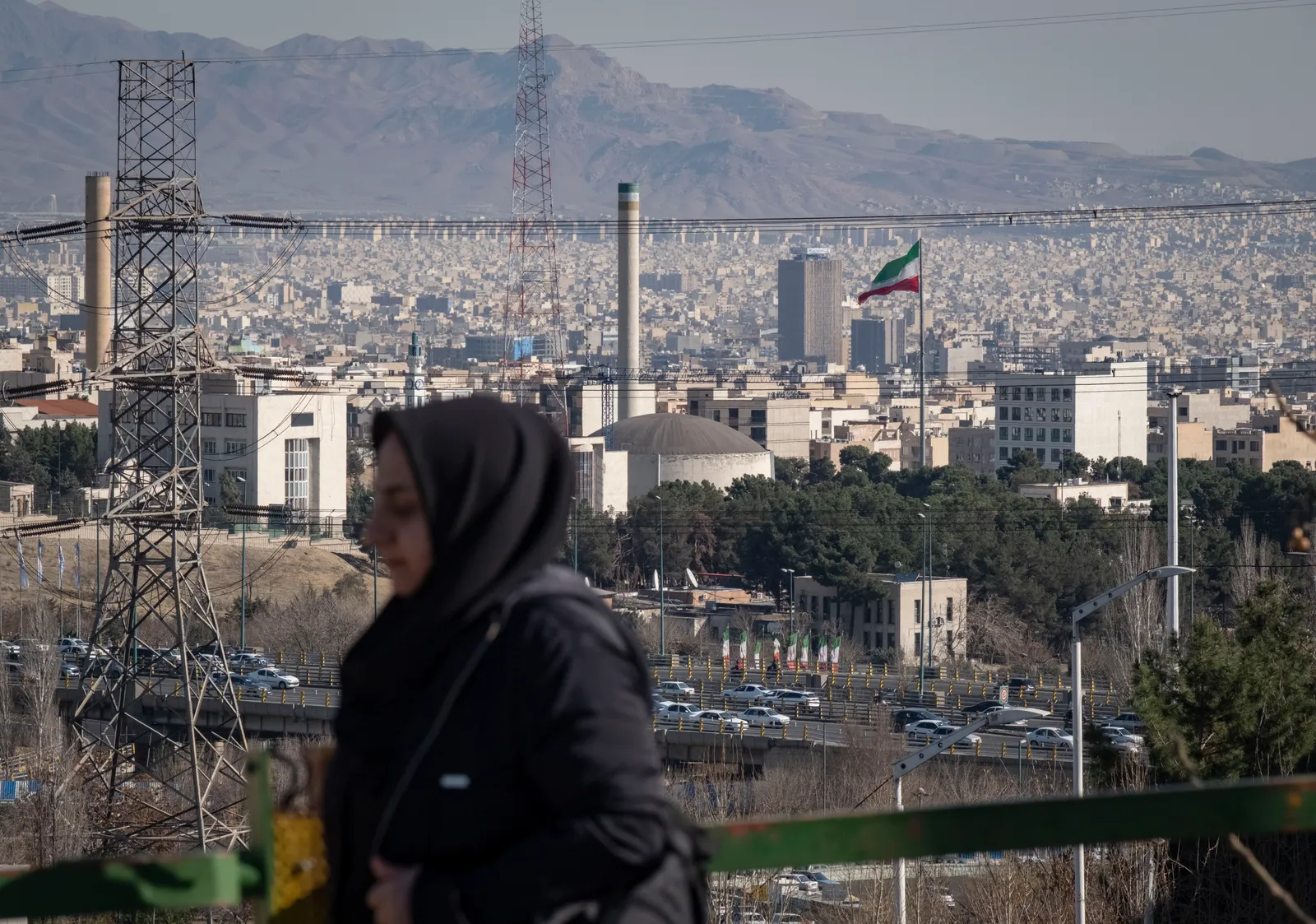
Image may contain Architecture Building Cityscape Urban Flag Adult Person City Car Transportation and Vehicle

An Iranian woman walks past a view of Tehran's research reactor in Tehran.

PHOTOGRAPH: MORTEZA NIKOUBAZL/GETTY IMAGES

Without cooling, heat begins to build inside the reactor core. If cooling systems are damaged, whether through loss of power, failed pumps, or destroyed backup generators, the temperature continues to rise. In water-cooled reactors, this can lead to the accumulation of hydrogen gas, increasing the risk of explosions that can further damage the facility.

As conditions worsen, fuel rods inside the reactor begin to degrade. This is the point at which radioactive materials can be released.

These materials include different types of radioactive isotopes, such as noble gases, volatile isotopes, long-lived isotopes and fuel particles. While some, like noble gases, disperse quickly and have limited short-term impact. Others, particularly long-lived isotopes—which can remain in the environment for years or even decades—and fuel particles, can cause serious contamination if not contained.

For example, Russia’s Chernobyl disaster caused a complete fuel meltdown, releasing dangerous long-lived isotopes into the atmosphere and contaminating large parts of Europe.

How the World Responds

In the event of a nuclear incident, the IAEA’s Incident and Emergency Centre (IEC) acts as the global focal point for preparedness and response.

Amgad Shokr, director of IEC, says the process begins by verifying information with national authorities and assessing the situation and its potential impact.
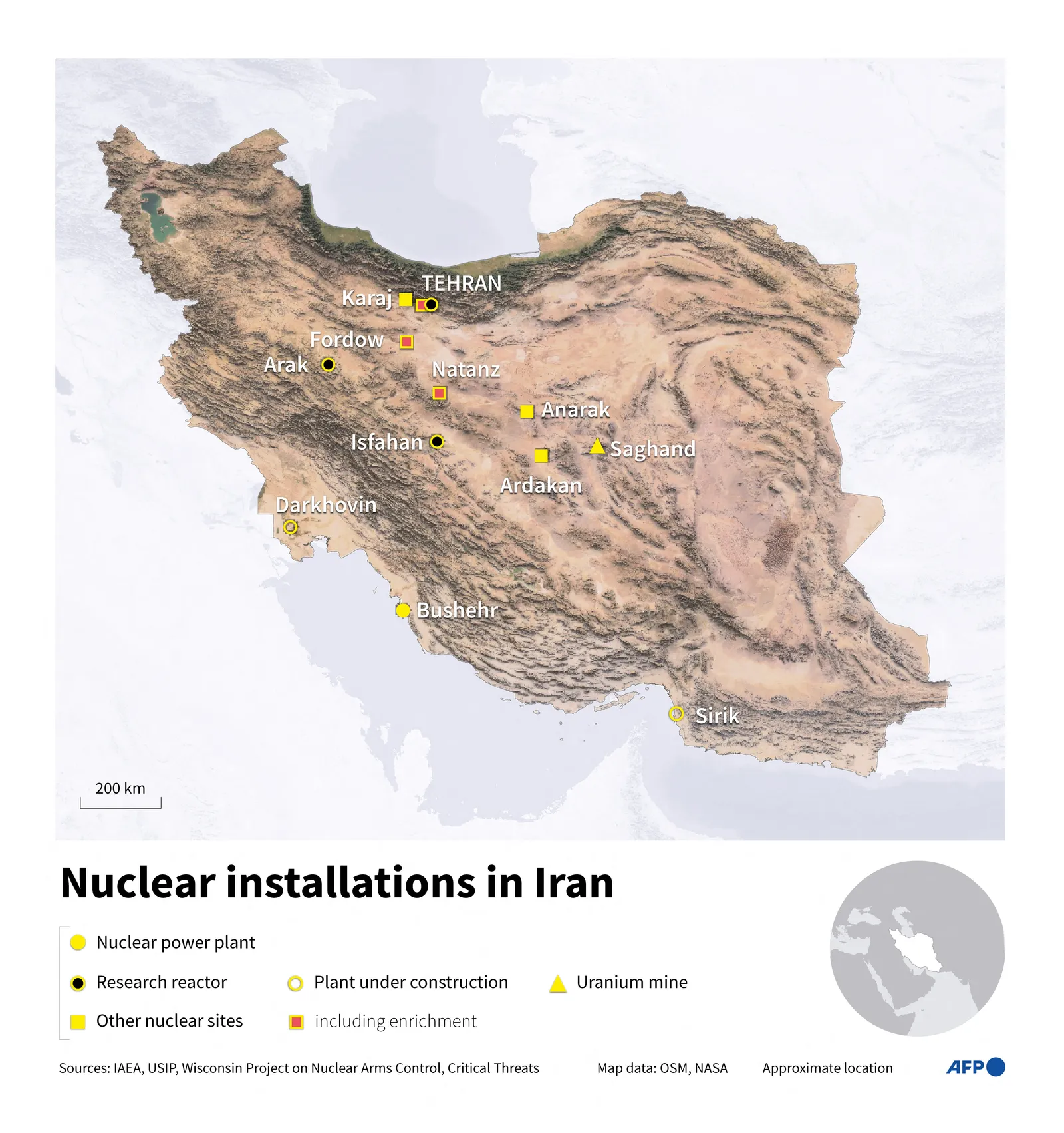
Image may contain Chart Plot Land Nature Outdoors Map Sea Water Atlas Diagram Shoreline and Coast

Map of Iran showing nuclear sites, reactors and uranium mines.

INFOGRAPHIC: GETTY IMAGES

“When alerted, the IEC gathers and verifies information with national authorities to understand the situation and its possible implications,” he says. “Its objectives are to provide accurate, timely updates to the public and all member states,” he adds.

International communication begins shortly after information is confirmed, with the IAEA issuing updates, providing public information, and coordinating with relevant organizations under established response plans.

Impact on the Environment

The spread of radioactive material depends on distance as well as how it moves through air, water, and soil.

In the event of a containment breach, gases can travel long distances, but their concentrations decrease over time and distance. Radioactive gases from the Fukushima incident, for example, reached North America at harmless levels.

Heavier isotopes behave differently. When they enter water bodies, they dilute but can still affect marine life—and in the Gulf, potentially desalination systems. Long-lived isotopes such as cesium-137 and strontium-90 can settle into soil, contaminate farmland and crops, and persist for decades.

To manage these risks, the IAEA has developed safety standards aimed at maintaining critical systems even during high-risk scenarios such as the ongoing conflict.

Once a breach is identified, Shokr explains that experts assess whether essential safety functions—such as power supply, cooling systems, structural integrity and communication—are still intact. If any of these fail, the agency evaluates the likelihood of a radiological release and models how radiation could spread using weather data and international monitoring systems.

From a public-health perspective, the level of direct exposure is more significant than distance alone. If radiation dispersion is detected, standard protocols are activated, including evacuation measures, the distribution of iodine tablets to reduce thyroid absorption of radioactive iodine and coordinated emergency responses based on the severity of the incident.

Most Likely vs. Worst-Case Scenarios

Most strikes on nuclear facilities are unlikely to trigger a large-scale radiological disaster. Modern sites are designed with multiple safety systems, meaning that even in the event of damage, shutdown and backup cooling can prevent significant radiation release.

In these scenarios, any contamination would likely remain localized, with limited cross-border impact.

A worst-case scenario, however, would involve sustained damage to critical safety systems—particularly cooling infrastructure—leading to a reactor meltdown. In such cases, radioactive material could be released into the air and surrounding water, potentially spreading across borders depending on wind patterns and ocean currents.

In the Gulf, this risk is amplified by the region’s reliance on desalinated water and its relatively enclosed marine environment, where contamination could persist longer and affect both infrastructure and ecosystems.

At the time of writing, there have been no confirmed reports of radiation leaks or radioactive plumes crossing borders from Iran’s nuclear sites. For now, the risk remains contained—but it depends on whether the systems designed to prevent escalation continue to hold.

This story was originally published by WIRED Middle East.