
惯性聚合 高效追踪和阅读你感兴趣的博客、新闻、科技资讯
阅读原文 在惯性聚合中打开

推荐订阅源

Cisco Talos Blog
Cisco Talos Blog
K
Kaspersky official blog
T
The Exploit Database - CXSecurity.com
NISL@THU
NISL@THU
AWS News Blog
AWS News Blog
V2EX - 技术
V2EX - 技术
Google DeepMind News
OSCHINA 社区最新新闻
OSCHINA 社区最新新闻
S
Security @ Cisco Blogs
让小产品的独立变现更简单 - ezindie.com
Recent Commits to openclaw:main
J
Java Code Geeks
Microsoft Azure Blog
Attack and Defense Labs
Jina AI
Jina AI
The Last Watchdog
The Last Watchdog
W
WeLiveSecurity
H
Help Net Security
V
Visual Studio Blog
宝玉的分享
宝玉的分享
C
Cybersecurity and Infrastructure Security Agency CISA
T
Threat Research - Cisco Blogs
IT之家
IT之家
Hugging Face - Blog
Hugging Face - Blog
Latest news
Latest news
T
Tor Project blog
I
Intezer
美团技术团队
GbyAI
GbyAI
T
Tailwind CSS Blog
Last Week in AI
Last Week in AI
博客园 - 三生石上(FineUI控件)
Google DeepMind News
Scott Helme
Scott Helme
Y
Y Combinator Blog
博客园 - 司徒正美
T
Tenable Blog
O
OpenAI News
N
News and Events Feed by Topic
cs.CL updates on arXiv.org
V
Vulnerabilities – Threatpost
P
Palo Alto Networks Blog
博客园 - 聂微东
酷 壳 – CoolShell
酷 壳 – CoolShell
D
Darknet – Hacking Tools, Hacker News & Cyber Security
T
Threatpost
Google Online Security Blog
Apple Machine Learning Research
云风的 BLOG
云风的 BLOG
Help Net Security
Help Net Security

Proofpoint News Feed

International alert spotlights Russia-linked attacks on Zimbra webmail US and allies say Russian hackers stole emails without social engineering Proofpoint Research Finds 65% of Organizations Affected by Ransomware Say AI Made Attacks More Effective | Proofpoint US The Hacker News Hackers find a new trick to collect Microsoft Entra user data without raising red flags Suspected Chinese snoops caught breaking into universities New Cargo Theft Surge: From Lobster Heists To Bourbon Warehouse Scams Defending the Authentication Flow: Device Code Phishing with Selena Larson Proofpoint Joins the OpenAI Daybreak Cyber Partner Program to Advance Responsible AI-Powered Cyber Defense | Proofpoint US OpenAI Lets Cyber Vendors Embed GPT-5.5 in Defenses Suspected North Korean actors use fake ‘coding assignments’ to steal crypto China-Linked TA4922 Expands Phishing Attacks to U.K., Germany, Italy, and South Africa Proofpoint Introduces Active Exploits Protection to Help Organizations Prioritize Vulnerability Patching for Real-World Attacks in the AI Era | Proofpoint US Verizon DBIR: Healthcare Fends Off Increased Social Engineering Attacks Proofpoint Integrates with the Claude Compliance API to Extend Data Security and Governance to Claude | Proofpoint US Proofpoint Launches Dedicated MSP Business Unit and Introduces 365 Total Protection for North America | Proofpoint US The spy who logged me in. - YouTube Proofpoint Establishes Innovation Precedent for Source-Agnostic Modern Enterprise Investigations | Proofpoint US The Most Powerful Women Of The Channel 2026: Power 100 AI Security Gaps Create New MSSP Opportunity: Proofpoint Claude Mythos Fears Startle Japan's Financial Services Sector Proofpoint Research Reveals Half of Global Organizations Experienced AI Incidents Despite Having AI Security Controls in Place | Proofpoint US AI-Era Threats Spread Beyond Email Into SaaS, Collaboration Apps, and AI Assistants Clear market trend for software providers to help with AI: Proofpoint CEO - YouTube Cargo thieving hackers running sophisticated remote access campaigns, researchers find Freight Hacker Wields Code-Signing Service to Evade Defenses - YouTube FIFA World Cup 2026: More than One-Third of Official Partners Expose the Public to the Risk of Email Fraud | Proofpoint US Microsoft 365 mailbox rules abused for exfiltration, persistence AI Security Risks: Proofpoint CSO Ryan Kalember, Live at RSAC 2026 Axios Future of Cybersecurity: Russians suspected of using iPhone spyware 15 Top Cybersecurity CEOs On The Future Of AI Agents: RSAC 2026 How AI Agents Are Redefining the Insider Risk Threat Model 5 Ways To Protect Enterprise Value During A Merger Or Acquisition CUBE Events 20 Coolest AI And Security Products At RSAC 2026 Proofpoint Redefines Email and Data Security for the Agentic Workspace | Proofpoint US Proofpoint Pursues FedRAMP High Authorization Process for Collaboration Security | Proofpoint US Proofpoint Unveils Industry’s Newest Intent-Based AI Security Solution to Protect Enterprise AI Agents | Proofpoint US
If you pay a hacker's ransom, chances are that they'll come back for more | TechCrunch
Zack Whittaker · 2026-07-22 · via Proofpoint News Feed
a photo
Image Credits:Donat Sorokin / Getty Images

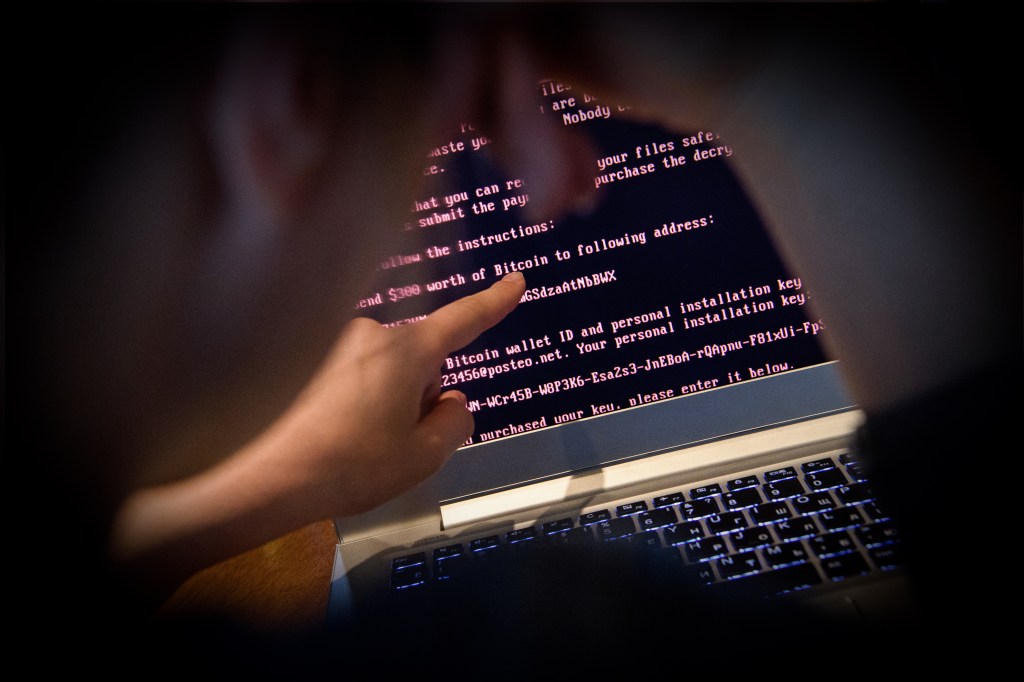
Governments have long warned not to pay a hacker’s ransom demands, arguing that doing so only lets criminals profit from their cyberattacks and funds the next one. There’s also another reason: The hackers are unlikely to leave you alone if you pay up once, and many will come back demanding more.

In a report published Wednesday, cybersecurity giant Proofpoint said it surveyed 953 companies and found that over one-third of companies that paid a hacker’s ransom were hit with a second extortion demand. The findings underscore the long-held understanding among security researchers and network defenders that it’s impossible to negotiate in good faith with an extortion racket because there’s no incentive for the other side to actually walk away.

Proofpoint’s data shows that ransomware attacks and extortion attacks have evolved from a single transaction where hackers would get paid once and move on, into an effort using multiple forms of leverage, such as retaining stolen data under the threat of publicly releasing it.

While hackers have claimed in the past that they will delete or destroy the victim’s stolen data, past incidents have shown that not to be the case.

Last month, a hack at market research firm Klue exposed data belonging to its customers, including several cybersecurity firms. The company said it struck a deal with the hackers, who claimed to have deleted the data, but the company later conceded that a separate hacking group swiped a sample of the company’s stolen data, leaving its customers exposed to potential future extortion demands.

A similar situation befell Change Healthcare in 2024, after a Russian-speaking ransomware gang stole the health and medical data of the majority of people in America, some 192 million people. Amid a dispute between the hackers and their affiliates (criminal groups often subcontract out attacks), Change Healthcare paid separate ransoms to both groups of criminals to keep the sensitive medical data off of the internet.

Security researchers have long suspected that ransomware gangs and extortion rackets will keep hold of the victim’s stolen data, even after a payment is made. U.K. law enforcement confirmed this during their takedown efforts targeting the prolific LockBit ransomware gang in 2024. Police said that they found victims’ stolen data stored on LockBit’s servers long after they had paid the ransom.

When you purchase through links in our articles, we may earn a small commission. This doesn’t affect our editorial independence.

Zack Whittaker is the security editor at TechCrunch. He also authors the weekly cybersecurity newsletter, this week in security.

He can be reached via encrypted message at zackwhittaker.1337 on Signal. You can also contact him by email, or to verify outreach, at zack.whittaker@techcrunch.com.

View Bio