惯性聚合 高效追踪和阅读你感兴趣的博客、新闻、科技资讯
阅读原文 在惯性聚合中打开

推荐订阅源

酷 壳 – CoolShell
酷 壳 – CoolShell
H
Hacker News: Front Page
P
Palo Alto Networks Blog
T
ThreatConnect
Apple Machine Learning Research
博客园_首页
T
True Tiger Recordings
P
Privacy & Cybersecurity Law Blog
B
Blog
IT之家
IT之家
Last Week in AI
Last Week in AI
F
Full Disclosure
Hacker News: Ask HN
Hacker News: Ask HN
C
Comments on: Blog
Microsoft Azure Blog
C
Cybersecurity and Infrastructure Security Agency CISA
Microsoft Security Blog
博客园 - 【当耐特】
N
News and Events Feed by Topic
NISL@THU
NISL@THU
腾讯CDC
雷峰网
雷峰网
Security Latest
Security Latest
李成银的技术随笔
M
Microsoft Research Blog - Microsoft Research
L
LangChain Blog
L
Lohrmann on Cybersecurity
cs.CL updates on arXiv.org
C
Check Point Blog
Y
Y Combinator Blog
Recent Announcements
博客园 - Franky
N
News | PayPal Newsroom
V
V2EX
A
About on SuperTechFans
The Register - Security
月光博客
月光博客
奇客Solidot–传递最新科技情报
奇客Solidot–传递最新科技情报
Google Online Security Blog
MyScale Blog
MyScale Blog
Cisco Talos Blog
Cisco Talos Blog
Vercel News
Vercel News
WordPress大学
WordPress大学
C
Cyber Attacks, Cyber Crime and Cyber Security
The Hacker News
The Hacker News
IntelliJ IDEA : IntelliJ IDEA – the Leading IDE for Professional Development in Java and Kotlin | The JetBrains Blog
爱范儿
爱范儿
A
Arctic Wolf
L
LINUX DO - 最新话题
freeCodeCamp Programming Tutorials: Python, JavaScript, Git & More

Captivate Unlimited Podcast Hosting & Analytics

Captivate & DAX US Launch Unified Monetization Suite for US Creators Apple Video Podcasting: Best Practices to Get The Most From The New Tech Apple Video Podcasting, powered by HLS: what is it and what does it mean for your podcast? Captivate Announced as Day One Launch Partner for Apple’s New HLS Video Release Introducing Captivate Assistant: The Most Useful AI Podcasting Assistant Yet; Grow Your Audience AND Save Time! 3 Low-Effort Ways to Promote Your Podcast (and Grow Listeners) this Autumn Captivate Unveils Ad Marketplace, Online Podcast Recording Platform and Integrated Audio Editing Tools Captivate Launches New Podcast Submission Process for Apple Podcasts Captivate Releases Sync V3 Make Money Podcasting: How to Successfully Monetize With Podcast Sponsorship And Advertisements Make Money Podcasting: How to Monetize Your Podcast Through Listener Donations World First: Captivate Podcast Hosting Platform Achieves IAB Tech Lab Podcast Measurement 2.2 Certification Captivate 2.5: Upgraded UI and Brand New Features to Make Your Podcast Even More Successful 8 Quick Ways to Build A Community Using Your Podcast GarageBand vs Audacity for Podcasting: Pros, Cons and Similarities Video: GarageBand For Podcasters – Tutorial, Tips and Tricks 7 Common Podcast Sponsorship Mistakes – Plus How to Avoid & Fix Them! 12 Best Podcast Logos & Artwork Examples (That Actually Engage Listeners) Video: Podcast Logos vs Cover Art (Roles and Differences Explained!) Video: How to Write a Podcast Script (And 5 Reasons Yours Doesn’t Work!) How to Write the Perfect Podcast Intro Script: Hook and Engage Listeners Video: How Podcasters Make Money (PLUS 5 Reasons You Don’t) - Captivate Unlimited Podcast Hosting & Analytics Is Apple Podcasts Free for Podcasters? Plus 8 Easy Steps to Upload your Podcast to Apple Ultimate Podcast Production Guide 2024 – How to Successfully Produce a Podcast How to Write a Perfect Podcast Episode Summary – Plus Tips, Benefits & Examples Changing Podcast Host Without Losing Subscribers, Listeners PLUS How to Move Your Analytics 80 Best Engaging & Interesting Podcast Interview Questions for Guests Captivate Launches Support For Apple Podcasts Subscriptions Spotify Launches 2023 Wrapped for Podcasters What is a Podcast? Plus 10 Reasons You Should Start One Today! What are Podcast Chapters? How do they Improve Listener Retention? YouTube Launches Its RSS Upload Tool for Podcasts – What Does This Mean for Podcasters? Podcast Branding 2024 Guide: How to Build a Podcast Brand & Benefits 43 Engaging Podcast Topics & Ideas Based on Show Format or Type – Including Examples 9 Best Ways to Promote a Podcast on Social Media – Plus FAQs Answered Podcast Downloads 2024 Guide: What is Good & How to Get More? Podcast Categories 2024 Guide – Get Discovered on Spotify, Apple and More How to Get on Podcasts – Plus Nailing your Pitch and Guest Interview How to Create Engaging and Powerful Podcast Taglines 2024 – Plus Examples Google Podcasts to be Discontinued in 2024 – Time to Say Goodbye How to Host Engaging and Powerful Podcast Interviews with Your Guests MP3 vs WAV – What is the Best File Format for Podcasts? How Much Money Do Podcasters Make in 2024? Plus Examples & How To Do It How to Record a Podcast Remotely 2024 Guide – Remote Podcast Setup How to Use Podcasts for Marketing and Branding Podcast Headphones 2023 Guide – 6 Best Headphones for Podcasting Podcast Equipment Essentials and Setup for Beginners and any Budget – Plus Advanced Extras How to Analyze and Track your Podcast Analytics Demystifying Podcast Advertising: Ultimate Guide – Plus Tips for Podcasters to get Advertisers How to Publish a Podcast to Spotify, Apple Podcasts and Any Directory – Where to Upload & Distribute Podcast RSS Feeds 101: A Beginner’s Guide – What They Are & How They Work What are the best podcast apps? Both free and paid! Podcast Keyword Strategy: How to Uncover High-Impact Keywords to Boost Your Reach Podcast Calls to Action (CTAs): Converting Listeners into Engaged Fans Apple Launches iOS 17 – New Features for Apple Podcasts & Podcasters How to Start & Build a Podcast with No Audience and From Scratch – (Tips & Examples) How to Get Quality Podcast Backlinks in 2023 Planning Podcast Episodes 2023 Guide – Templates, Outlines & Format Tips Patreon Alternatives – Best Podcast Subscription Platforms (is Apple Podcast Subscriptions the Best?) Make Money with Podcast Subscriptions & One-Off Donations Easily with Captivate The Easiest Way to Start a Video Podcast (& Why You Shouldn’t Wait) How to Start or Move your Podcast to YouTube – 5 Easy Tips Podcast Networks Explained – Everything You Need to Know! [2024 Guide] What is Podcast Hosting? Everything You Need to Know! YouTube Music for Podcasts: Boost Your Discoverability Today with New Features How to Find the Ideal Podcast Episode Length for Your Show Podcasting 2.0 Explained: RSS Enhancements for the Independent Podcaster How to Optimize Your Podcast Guest Appearance for Search Grow Your Audience Using a Podcast Avatar and 13 Other Techniques 4 Main Reasons Stopping Podcasters from Launching – Which Blocker is Stopping You? How to Edit and Record a Podcast in GarageBand Best Podcast Voice Tips and Advice by Voice Coach and Podcaster Nic Redman Making Your Podcast Hosting Even Better Value Best Podcast Tips & Advice from Podcasters 2022/23 for International Podcast Day How to Write the Perfect Podcast Script (plus Examples & Templates) Captivate are Platinum Sponsors of the APVA Awards 13 Best Podcast Recording Software 2023 (including remote) – Reviewed by Podcasters We Interviewed 11 Attendees about The Podcast Show 2022 Podcast Show 2022 Roundup – Interview with Captivate’s MD Mark Asquith Descript for Podcasters Tutorial: Everything you need to know Facebook Is Stopping Podcast Services – Why & What To Do Next? In-Depth Review of Alitu for Podcasters – How it makes recording and editing easier Captivate Supports Podchaser’s #Reviews4Good April 2022 – Raising Money for #ChefsForUkraine 2021 A Year in Review: Your Big Podcast Achievements and ours! What is Dynamic Ad & Content Insertion in Podcasting? Video: Captivate's AMIE Dynamic Ad Insertion Technology for Podcasters [Overview] - Captivate Unlimited Podcast Hosting & Analytics Recommended Podcasting Tools & Resources Video: How to Use the Free Podcast Guest Booking & Interview Management System - Captivate Unlimited Podcast Hosting & Analytics Free Interview Management & Guest Booking Platform for Podcasters Captivate Shareable Podcast Player V2 is Here! Introducing Cross-Promotional Feed Drops & Network Features for Every Captivate Podcaster Video: How to Grow Your Podcast with Captivate Growth Labs - Captivate Unlimited Podcast Hosting & Analytics Learn How to Grow & Monetize Your Podcast with Captivate Growth Labs Video: Get Listed on Apple Podcasts, Spotify + More - Captivate Unlimited Podcast Hosting & Analytics Video: How to Publish an Episode: Captivate Podcast Hosting Tutorial - Captivate Unlimited Podcast Hosting & Analytics Video: Dashboard Overview | Captivate Podcast Hosting Tutorial - Captivate Unlimited Podcast Hosting & Analytics Video: How to Create A Podcast | Captivate Podcast Hosting Tutorial - Captivate Unlimited Podcast Hosting & Analytics Captivate 2.0: A New Look, New Features and New Podcasting Possibilities! Podcast Intro & Outro – How to Make Yours Ear-Grabbing Podcast PLUS 4 Real-Life Examples! Write an Engaging Podcast Description that Turns Scrollers into Listeners (Plus Examples)
Formats & Types of Podcast Explained – 10 Examples Plus Pros and Cons
2023-08-01 · via Captivate Unlimited Podcast Hosting & Analytics

Reading Time: 10 minutes

How do you know which of the types of podcast is right for you? After reading this article, you’ll know which podcast format to use to make your content as engaging as possible for your listeners. 

We’ll break down what a podcast format is, whether you need to stick to one, and what options you’ve got. Read on!

What is a podcast type?

The type, or format, of a podcast refers to how the content is presented; it could be a solo podcast, interview-based, or an episodic narrative. When you understand what type of podcast you’re making, it will be factored into every decision you make – from episode planning to promotion! 

We’ll look at all the different formats, analyse the pros and cons, give examples and help you pick the right one for you.

Why is it important to choose a podcast format?

Choosing a podcast format is important because it gives your show structure and helps with gaining and retaining listeners. It also helps with turning casual listeners into fans – following a format allows them to become familiar with the show and anticipate how you’ll analyse things.

Picture it: Friday morning, Jason is looking forward to his 30-minute commute today as he knows that’s the time your alt rock podcast comes out each week.

It’s his favourite part of the day: a 25-minute exploration of a band, song or album from the 90s or mid-2000s indie rock scene, full of interesting trivia and opinions. But wait – this episode’s two hours, and it’s a panel-style show discussing why alt rock is better than post-punk? That’s too long for Jason’s commute, and it’s not the content he’s grown to love – he’ll likely forgive the change this once or as a bonus episode, but if you’re not back to your regular format by next week, it just doesn’t fit into his routine anymore.

Predictability of format is essential to building an engaged audience, as it keeps them coming back – it also helps your listeners explain your show to their friends, and therefore they’re far more likely to recommend it. It’s also easier for you to plan episodes, as you have a set format to follow each time.

We understand that life happens, or you may want to try other formats to see if they resonate with your audience for bonus or extra content. For example, you may start a podcast that you host with your friend, but they decide they don’t want to do it anymore (it happens), obviously, you’ll need to find another host or pick another format. Just make sure it fits with your topic and your busy life schedule, and don’t forget to keep your listeners in the loop. Another example, is you have an interview-based podcast, but for paying subscribers you host a private monthly panel show to get all the guests together to debate a topic.

How do you choose the right podcast format for you?

Here are the factors to consider when you’re deciding what format to use for your show – let’s take a look.

Does it make sense with your topic?

This one will be something of a gut feeling – if you’re doing a history podcast, you’re probably going to lean naturally towards a solo or co-hosted show rather than an interview format or a narrative. Essentially, the key thing to think of here is: will this format work with the type of content I’m delivering? 

It’s fine to go against the grain – a narrative-based history podcast actually sounds pretty interesting; learning the truth about the Romans from the perspective of a Centurion, for example – but if you’re picking a more out-there format, it needs to work for your content rather than be constraining or gimmicky.

What can you realistically do?

Real-life example time: I’d love to start a podcast about books, but all my friends that would want to start a podcast don’t like the same books that I do, and no one that likes those books seems interested in starting a podcast. 

A sad story, I know, but it illustrates the point: a format can make sense for your topic – it could even be the best way to do that particular show – but if you don’t have the actual people who can commit to doing it with you, you’re going to have to fly solo.

What does the audience want?

This might seem obvious, but the show actually needs to be engaging, and whether the format works is a massive factor in this. Going back to our history podcast example, if you do actually decide to go with the narrative format – can you actually write a compelling story? If not, a poorly written narrative will just take away from the engaging history facts you’re trying to share. A great way to understand what your target listenership is after is to work with a podcast avatar.

What is the competition doing?

Differentiating yourself from the myriad of other podcasts out there is something you really need to do, and a great way to do that is to present it in another format to what’s been done before. There will be hundreds of solo history podcasts out there – maybe if you’ve decided against doing a narrative show, an interview format where you get the facts out of experts in given fields could help to set you apart.
10 types of podcast – plus pros, cons and examples

Solo podcasts

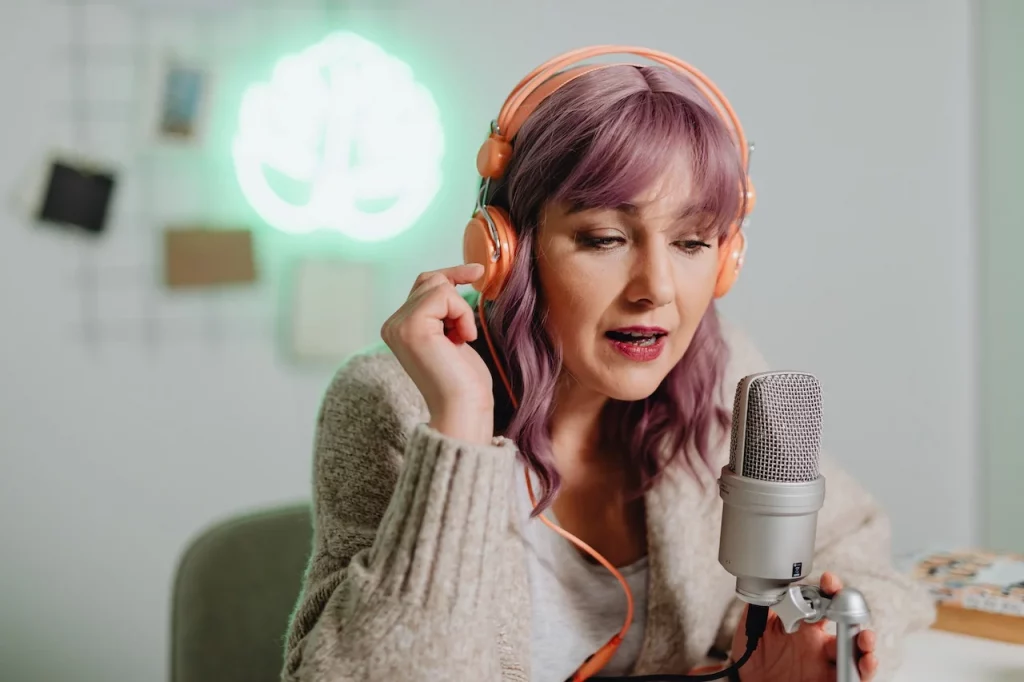
Woman with purple hair recording a solo podcast with a silver microphone and orange headphones

The simplest format to set up – you don’t need anyone but yourself! Solo podcasts feature a person talking about something on their own.

Pros: 

  • Very easy to set up – just you and your equipment
  • Not reliant on anyone else and their schedules
  • Full control of scheduling, content, marketing strategies – everything

Cons: 

  • No one to bounce ideas off
  • Fully reliant on your own charisma
  • More difficult to motivate yourself to do it alone

Example:

One of my very favourite podcasts is in the solo format – Philosophize This! 
Co-hosted podcasts

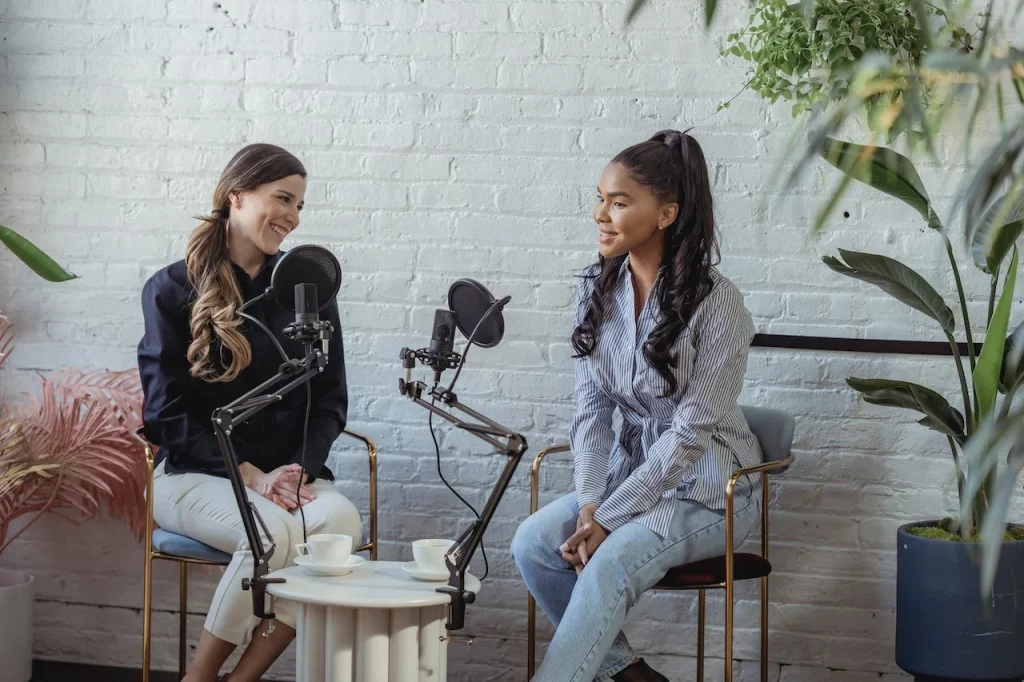
Two women recording a co hosted podcast sitting on chairs using microphones

Co-hosted shows feature a dialogue between two or more people, talking either to each other about a given topic or each delivering facts to the audience in turn.

Pros: 

  • Having someone to talk to makes for a more natural delivery 
  • You get access to someone else’s ideas too
  • Having a set time to record with your co-host gives you more accountability

Cons: 

Another article we think you'd like...

Reading Time: 5 minutes What file type is best for podcasters, MP3 or WAV? Time to settle the debate and debunk some myths. Find out now which one you should be using!

  • Reliant on someone else’s schedule
  • Don’t have full control of all aspects of your show – you have to run decisions past your co-host
  • Reliant on your co-hosts’ conviction and enthusiasm – it could be difficult if they decide to stop

Example: One for the Star Wars nerds… Spark of Rebellion is a great example of a co-hosted podcast.

Interview-based podcasts

This one’s pretty self-explanatory – the host(s) of the show interviews a guest. That guest could be an expert in a specific field, a celebrity or just someone with an interesting story to tell.

Pros: 

  • Great variation between episodes
  • Access to a whole new audience when the guest promotes the show
  • Opportunity for a unique interview and a great scoop

Cons:

  • Interviewing is another skill set to master over and above podcasting
  • Reliant on the guest to give an engaging interview 
  • Scheduling and pitching to guests can be time-consuming

Example: The most famous podcast of all time is an interview show – The Joe Rogan Experience
Panel show

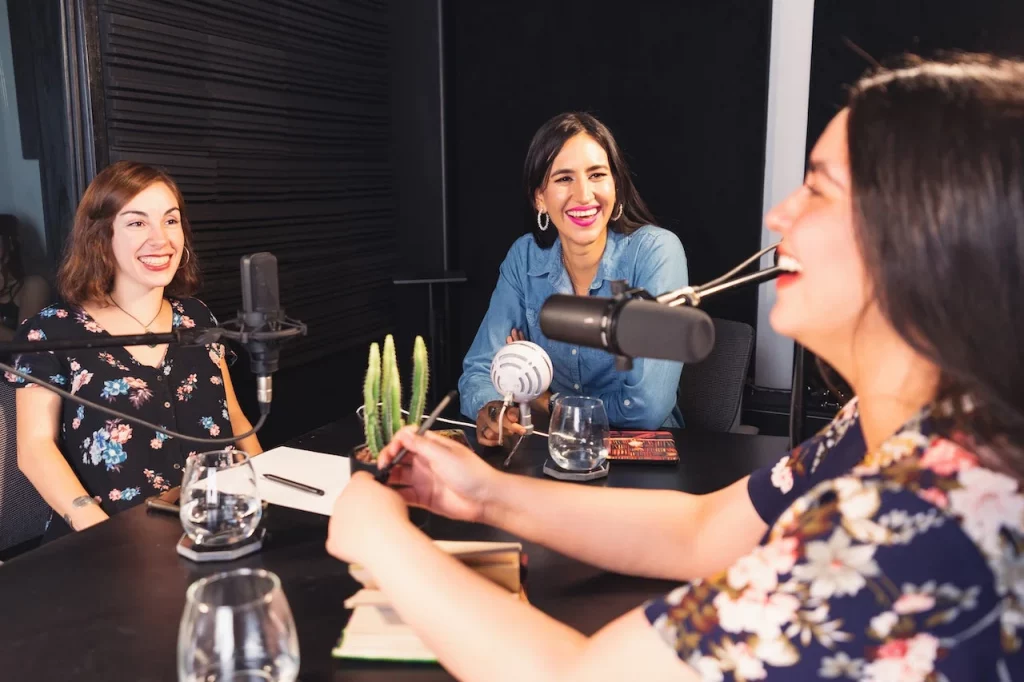
Three women hosting a panel podcast sitting down and using microphones

A panel show refers to a group of people, usually more than three, discussing a specific topic. It has its roots in popular panel formats such as Mock the Week on TV, and can be utilised for anything from a relaxed pop culture discussion to a heated political debate.

As well as each panel member, you’ll want a host to moderate and keep things moving along.

Pros:

  • Rigid format ensures everyone in a big group gets chance to speak
  • Hear from a wide range of perspectives
  • Recognisable format draws in the audience

Cons:

  • As with anything reliant on a larger group, scheduling and deciding what roles everyone should play could be time-consuming
  • You’ll need a talented moderator to avoid one guest dominating the discussion or it devolving into an argument for some topics
  • Remote recording a large group could lead to tech issues

Example: From the Times, a popular political panel show called The Red Box.

Narrative storytelling and theatrical podcasts

Essentially like an audiobook with sound effects, narrative podcasts tell a story over a number of episodes. They could feature voice actors for each part or have one presenter doing everything – what matters is that it’s focused on a story.

Pros:

  • Stories are naturally engaging and can be a great way to deliver content
  • Audiobook success has primed listeners for this medium
  • Listener retention – an engaging story will keep people coming back

Cons:

  • More intricate to plan than a standard podcast – you’ll have to script everything out down to the last word
  • It’s a pretty specific skill set to both write an engaging story and perform it convincingly on a podcast

Example: The Memory Palace by Nate DiMeo

Q+A podcasts

Q&A shows feature the host(s) answering questions from the audience, taking inspiration from radio phone-ins. A popular example here in the UK was Gardeners’ Question time – one for all you Alan Titchmarsh heads out there!

Pros:

  • Promotes audience engagement – if they’re featured, they’re pretty likely to share the episode
  • Consistent supply of new content ideas from the audience themselves
  • You know the content will resonate as the audience has submitted the topic themselves

Cons:

  • You’ll need a pre-established audience to do this, and one engaged enough to send in questions
  • if you don’t have a large listener base you may run out of questions quicker than expected
  • You’ve got to factor in time to disseminate, collate and choose questions to answer

Example: No Stupid Questions by research psychologist Angela Duckworth.

Live podcasts

Surging in popularity due to live podcasting events and conferences, live podcasts actually put listeners in the room with the podcasters. They’re less a genre themselves than a change of setting for a regular show, whether that’s a solo show or an interview.

Pros: 
Another article we think you'd like...

Reading Time: 5 minutes A podcast transcript is an essential tool for making your podcast more accessible and driving your SEO efforts. Captivate makes it easy to upload, import and add transcripts to your podcast episode – here’s how!

  • Great way to interact in person with your audience, get them behind the scenes and feel involved with your show
  • You can monetize with ticket sales and event sponsorship
  • Good for discoverability if someone at the event hasn’t heard of you

Cons:

  • It’s not necessarily an opportunity that will arise for every podcaster – you need to know the right people and really put yourself out there, as well as show that people will turn up
  • All the logistics and expense of planning a live performance
  • Nerves, especially if you’re not used to speaking at live events

Example: Loads of famous podcasts have had live shows, so let’s look at Bob Mortimer’s comedy podcast, Athletico Mince and Captivate’s resident SEO legend.

Repurposed Content Podcasts

To any marketers out there, repurposing content will sound super familiar – it’s basically taking a piece of content that’s formatted in one way and adapting it to another format in order to open it up to a new audience. Think turning a blog into a podcast.

Pros:

  • Opens your content up to a group of people who may otherwise have not been exposed
  • You’ve already done the work – now just adapt it
  • Increases the Return on Investment for the content you’re producing

Cons:

  • What’s engaging in one format may not necessarily be so as a podcast
  • If it’s not done well, it could sour listeners on your ordinary content

Example: Vice does this a lot, giving you the option to listen to a podcast episode of an article rather than reading it.

Hybrid formats

A hybrid format is where a podcast uses a couple of formats simultaneously. For example, a podcast which usually just features two co-hosts with the occasional interview episode is a hybrid format.

Pros:

  • Gives you plenty of freedom to do more 
  • Can be a nice change to what’s been established
  • Allows you to test other formats

Cons:

  • Not sticking to a format can have an impact on listener retention
  • Not sticking to an established episode length can negatively impact your listeners’ ability to build you into their routine

Example: Captivate’s resident SEO legend, Sarah McDowell, has a podcast with a hybrid format: The SEO Mindset. Some episodes have Sarah and her host Tazmin discussing a topic, whereas others they interview guests separately. They also do a live podcast.

Bite-sized content 

This just refers to short-form episodes, around 5 minutes or less. It’s a great way to deliver the headlines or the most impactful information quickly to your listeners.

Pros:

  • Not a big commitment for new listeners, they’re more likely to try you out
  • Naturally easier to make as it takes less time to record and edit

Cons:

  • Doesn’t give you much time to connect with your audience
  • It’s hard to properly explain a topic in such a short space of time
  • If you establish a reputation in this format, it can be quite restrictive

Example: Tough Love Marketing by Diana Richardson

What’s the difference between seasonal and episodic podcasts?

Seasonal and episodic are just labels we use to refer to how your episodes are laid out – the majority of seasonal podcasts are episodic, but not all episodic podcasts are seasonal.

Seasonal shows are split into seasons, like a Netflix show or (if you’re old) a TV show like the X Files. This gives you a break after you’ve done, say, 10 episodes, and allows you some time to think up new content before coming back with a new season. It’s also handy for splitting up topics – your history podcast could do a season on the Egyptians, have a month or two off, and then return for a season on the Crusades.

Episodic shows run in perpetuity, with no seasonal breaks. This is good for consistency and means your listeners know they’ll always be getting a new episode on a certain day, so can build it into their routine. It could lead to burnout, though, and it’s hard to think up new content ideas forever with no end in sight.

There are advantages to both set ups, it’s up to you to consider what’s best for you.

FAQs

What is the best podcast format?

As we touched on above – it really depends on the content you’re trying to deliver. If you’re looking at the history of philosophy, maybe a solo show is better, but if you’re trying to get to the root of what’s happening in politics you can’t beat an interview-based podcast.

What is the most common type of podcast?

Solo shows are the most popular and fastest growing podcast format, with 43% of new podcasters planning to fly solo. Interviews are the second most common, at 29%.

Are podcasts an audio-only format?

Nope! There are loads of video podcasts out there, and YouTube is a massive player in the podcast industry. In fact, the Joe Rogan Experience streams a video of each of his ~3-hour episodes to Spotify, and that’s the biggest show in the world.

Another article we think you'd like...

Reading Time: 5 minutes What file type is best for podcasters, MP3 or WAV? Time to settle the debate and debunk some myths. Find out now which one you should be using!

What format is best for Spotify?

There is no best format for Spotify, you’re not going to have more success because you have chosen to do a solo podcast over a co-hosted one. Sure, you could look at podcasts in your category on Spotify and see what’s missing in your category – are most podcasts solo and interview style? If so, a panel show may help you stand out. Just make sure the format is right for your topic, you as a podcaster and your intended audience.

What format is best for Apple?

Similar to Spotify, there is no best format for Apple. Picking a certain podcast type won’t guarantee success, but there are some things you can do. Again, same as Spotify, look at the podcasts on Apple, what format do the shows you’re competing with use? How can you stand out? If there’s a certain format that hasn’t been done, why not try it – provided it makes sense, of course.

Can I change my podcast format?

In short: yes, of course – no one is in control of your podcast except you. Though it has to be said, sticking to a podcast format helps with consistency and listener retention.

If you want to try other formats for a bonus episode, give it a go, but make sure to keep your listeners in the loop. If you want to change your whole format because it’s just not working anymore, that’s totally up to you – no one can tell you what to do with your podcast. Just try to be as consistent as possible!

Takeaway

Deciding on the format your podcast will take should be one of the first things you do: it’s central to every decision you make. We’ve covered all the formats to choose from – the main things to remember are:

  1. Does this format work with the content I’m trying to produce?
  2. Can I consistently create a podcast in this format?
  3. Will this work for my audience?

If the answer to all of these questions is yes, you’re good to go! If not, then you need to choose a format that’s a better fit – choosing a format that doesn’t work with your content is going to hurt your growth in the long run, and if you have to change formats halfway through your run then you risk alienating listeners.

Consistency is key to podcast growth, as it allows listeners to build listening into their routine and turn into fans of your podcast – if you’re always changing your episode length and the format of your content, this makes it difficult. Choose a format that works for your show, and stick to it as best you can.