





Reading Time: 9 minutes
You can start and build a successful podcast from scratch, with no existing audience or following. You’re not alone, many successful podcasts today have done the very same thing, and this article will teach you how, with examples.
As podcasting has grown in popularity, the sheer number of podcasts out there has increased massively. It can be daunting to add your own voice to the industry, but it needn’t be scary – we’ll show you how to differentiate yourself and carve your slice of the pie!
"*" indicates required fields
100% secure. We never share your email
Podcasting is in the hands of the people – anyone can indeed start one and see it on Spotify and Apple alongside giants like Rogan and Lex Friedman. But there’s a difference between starting a show and having a successful podcast which attracts listeners.
There are two key ways to differentiate yourself from the crowd and to get ears on your podcast – those being name recognition (e.g. being a celebrity, and trading off of that), or having an original or unique idea, or at least a unique take on an established genre format.
We’re going to assume you’re not Ryan Reynolds (if so, just put your name in the podcast title and you’re away!), so let’s focus on the second point.
When starting, it’s important to have a clear idea of your own goals. What’s success for you? Is it consistently creating a show which you yourself are happy with, sharing your passion about a particular topic or are you looking for more external metrics such as listeners and potential monetization?
Once you understand these goals, you’re better positioned to work towards them. If you are going for growth, though, don’t fixate on comparing your downloads to bigger podcasts. Just look at your progression – focus on creating content which you love making, as this will allow you to do it consistently. If your latest episode has more downloads than the one before it or you’re getting more engagement over social media, you’re going in the right direction! Remember, as podcasters, we all have to start somewhere, so being realistic will help with not getting disheartened about your podcast’s growth.

With podcasting, niche, unique concepts will help you to better stand out to potential listeners. There are thousands of “music podcasts” out there, however, what gaps are there eg what are current music podcasts not covering?
It needs to have a unique angle – for example, a podcast about story songs, and how they are used in every genre from country to rap. While this does narrow the appeal (naturally to people with an interest in story songs), the show becomes more enticing to people in your specific niche. You also reduce your competition, as there are going to be fewer podcasts out there to compete with.
Who is your audience? If you know who you’re making the podcast for, you can tailor every aspect of your show to make sure it appeals to them. We call your target listener your podcast avatar.
Podcasting consistently is a big commitment, and the only way you’re going to keep it up is if you love what you do. If you’re not making a show which you enjoy: a) you’re going to burn out fast and b) it’s going to be blindingly obvious to your listeners. If you’re going to make content which is enjoyable for others, you have to enjoy it yourself. Quality content should be paramount at all times.
Even if you usually fly solo, inviting a guest is a smart marketing move, as it exposes you and your show to their audience when they promote it, and is another way to hook in new listeners.
Make sure to do plenty of prep before talking to them, and listen to any of their other interviews – if you’re going to add value to the podcasting space, you want to be having unique conversations that people can’t get anywhere else.
Podcast trailers are a great way to expose your content to far more people. Asking someone to listen to a full episode is a massive time commitment for a show and presenter they’ve probably never heard of. A one or two minute trailer is a much more reasonable ask, and you’ll get far more takers. How many times have you watched something on Netflix or a film because you’ve seen a trailer? It’s the same for podcasts!
So, make a trailer and make sure to promote it – a great thing to do is to pin it to the top of your Twitter feed!
Consistency of release is essential to allow people to build your show into their routines – once it becomes habitual to listen to your show, you’ve got yourself a dedicated fan.
Sticking to the same day each week allows a listener to say “Oh good, a Friday, that means I get to listen to the new Story Songs Podcast on my way back from work”. Stick to the schedule, and if you’re going to deviate for a week, let listeners know.
Make sure people know how to listen
The easier you make things, the more people will listen. Leave links to your show and website in the show notes, and direct people to these links in your actual audio. Explain the steps people need to take to subscribe and listen to your episodes. Not everyone is familiar with podcasts, but this doesn’t mean they can’t be a listener.
Also, always say “Subscribe for free” – many listeners associate subscription with payment because of brands such as Netflix, Now, Disney+ etc, and this stops them from doing so.
"*" indicates required fields
100% secure. We never share your email
When you’re just starting, your friends and family are instrumental in getting your show out there to a wider audience. Make sure to ask them to share your episodes on their social media and with all their social circles – they won’t mind.
Also, going back to our Story Songs Podcast, there will be people in your inner circle who will also listen to and enjoy your topic and podcast. Make sure you follow up with people, everyone is busy, a gentle reminder won’t hurt and will help get your show out there under as many noses as possible.
Include sharing your show as a Call To Action (CTA). If a listener has enjoyed your show, they’ll be pretty inclined towards sharing it with their friends. Give fun incentives, like a shoutout or special on the next episode for everyone who shared your show and tagged you on social media.
Give them the steps they need to share – make it as easy as possible for them.
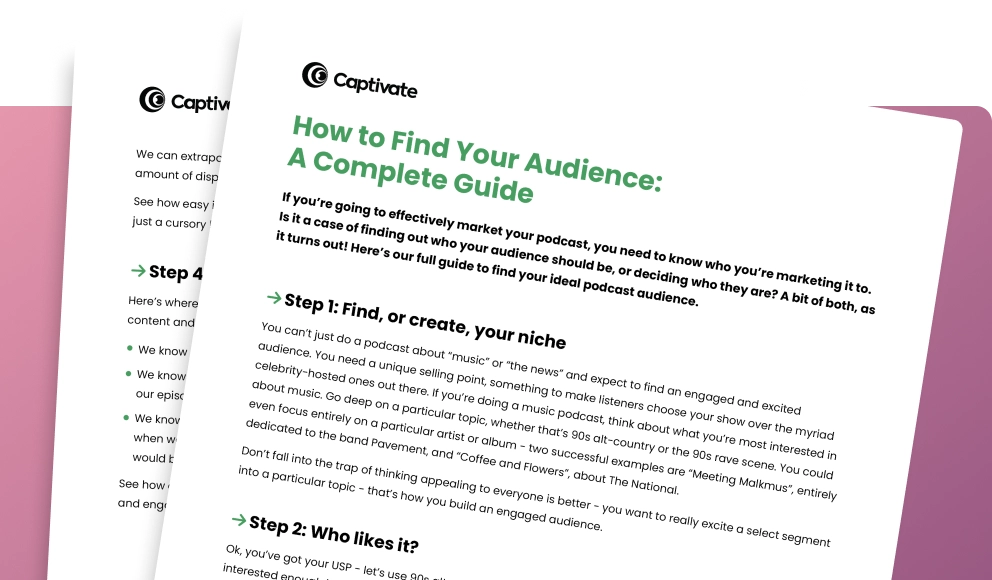
Whatever your niche, there’ll likely be someone running a newsletter or publication on it. Reach out to them and ask to be featured! The likelihood is they’ll have content about the best podcasts to check out in this niche or topic. Give them a reason to add your podcast to the list. What is your XYZ statement? What is your statement of intent for your ideal listener (podcast avatar) eg ‘I will do X, for Y so that Z can happen.’ So for the ideal listener of the Story Songs Podcast, you produce a story songs podcast (X), for busy music students (Y), so they can learn about music genres used in storytelling at a time that suits them.
Potential listeners can come across your show in many different ways, and not just on the apps and directories such as Spotify, Amazon Music etc. One way is search engines like Google. People search for many different things in Google, and that includes podcasts eg ‘best marketing podcasts’, ‘podcast about [TOPIC]’ etc. This is where podcast SEO comes in handy.
Make sure you have a website for your podcast, which includes a homepage and individual pages for your podcast, give Google pages that it can show in its search results. Next up are keywords eg the queries people are searching for, which are relevant to your podcast and episodes. Use a keyword research tool (some are free, some are paid for) and when planning episodes, put the topic into the tool, and it will come back with keywords and on average how many searches a month that particular keyword receives.
Pick a relevant keyword, with the highest volume of searches, and make sure you use it in your episode title. You can also use the tool to find a keyword for your main podcast name. Avoid keyword stuffing eg listing variations of keywords. Google and apps don’t like this, and it won’t look great to your listeners. Yes, get a keyword in there, but titles still need to be enticing eg give people a reason to click and check out your podcast.
Transcripts are important for accessibility, but also help search engines understand the content of your podcast eg what your podcast is about. There’s a debate whether Google will automatically transcribe audio, but don’t leave it up to chance. Make it easy for Google to understand what your podcast is about with a transcript. What other content can you include on episode pages to help Google understand more about that page eg host and guest bios, timestamps etc?
There are many tools you can use to transcribe audio if you do a Google search, again, some are free, some paid for. These tools aren’t perfect, and won’t transcribe your audio perfectly, there will be mistakes, so make sure to spend time going through the text and fixing any issues. Names are always a common thing that tools misspell.
You want to get your show out and in front of as many eyes as possible – one great way to do this is to repurpose your podcast content, which means taking aspects of your podcast and translating them into other engaging formats which you can share. Some great ways to do this are:
Being a successful podcaster is knowing basic marketing principles. Having a podcast marketing strategy is important to success and growth, your long-term podcasting success comes from how you market your podcast, especially in the early days. We recommend implementing what we call the Episode Marketing Cycle, where you get into the habit of marketing new episodes for at least a week.
The cycle starts the day before you launch episodes, and finishes one week after the episode goes live. Use your repurposed content eg pull quotes, infographics, video snippets etc.
Get into the habit of doing this cycle for each episode, you may think it feels like a lot, but social media channels are transient and noisy, and posts soon get lost. Keep reminding your potential listeners about new episodes, and give them a reason to check you out.
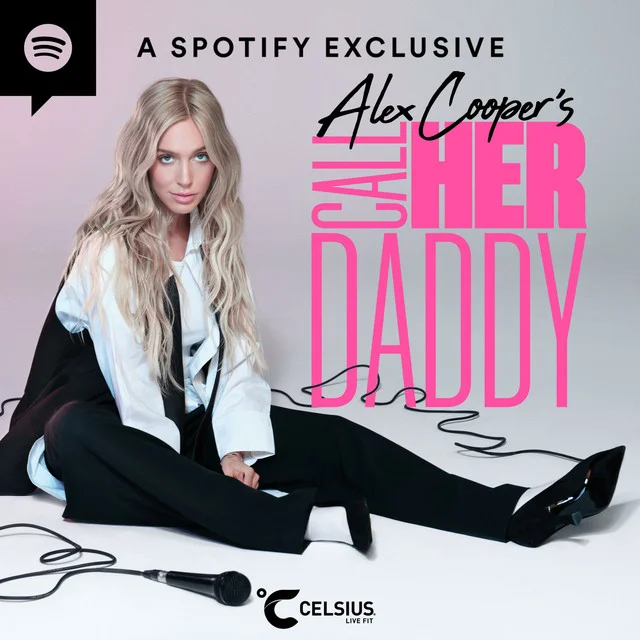
Call Her Daddy is a dating and relationship podcast, aimed at and popular among young women. It was started by roommates Sofia Franklyn and Alexandra Cooper in 2018 and has become one of the most popular podcasts on Spotify.
It discusses sex and relationships in a frank, often explicit way which has led to viral moments and massive social media shareability.
2. Philosophize This!

Philosophize This! is an example of how a strong niche and dedication are all it takes to get to the top. It gives a history of philosophy, from the Ancient Greeks to the modern age, with each episode focusing on either a concept, school of thought or prominent individual.
The show is hosted by Stephen West, a passionate philosophy fan with a skill for concisely explaining difficult and complex topics, without dumbing them down.
3. Crime Junkie
Crime Junkie is a true crime podcast hosted by Ashley Flowers and Brit Prawpat – each week focuses on details of a different real-life crime.
The episodes are meticulously researched, and the hosts’ passion for the topic is palpable: the show is yet another example of how making something that you love translates well for the audience.
If you’re passionate about a topic and willing to put in the work to consistently release a quality podcast about it, you’re bound to find an audience. There are many successful podcasts out there, which started from scratch with no existing audience or followers, and you can do the same. Podcasting isn’t all about name recognition – it’s about resilience and creating content you’re proud of, week after week. If you work at it, you’ll find your niche and reach your dedicated listeners!
"*" indicates required fields
100% secure. We never share your email
Ben is a content writer and podcast support expert for Captivate, and has been with the team since 2021. He has a first-class degree in Journalism, and uses these skills to help new and veteran podcasters alike level up their content: reviewing tech, crafting product guides and sharing cutting edge podcasting news. Ben is always on hand to help Captivate podcasters with anything they run into, from when they first import their show to advanced questions like how to grow your audience or where to start with monetization. He loves what he does, and is committed to helping podcasters grow their show using Captivate. He’s always been a podcast fan - current favourites include Steven West’s ‘Philosophize This’ and Bob Mortimer’s ‘Athletico Mince’.
此内容由惯性聚合(RSS阅读器)自动聚合整理,仅供阅读参考。 原文来自 — 版权归原作者所有。
