






Reading Time: 8 minutes
Your podcast downloads are one key measure of your success as a podcaster. Let’s take a look at how to interpret them, what to do about what you see and what else matters for growth other than your podcast download numbers.
A podcast download is someone actually downloading your episode, or listening to it for more than 60 seconds (according to IAB guidelines). Along with unique listeners, downloads are one of the main things we, and anyone else concerned with podcast performance, will be tracking.
One of the main ways to measure your downloads is with your hosting provider – at Captivate, we pride ourselves on the strength of our analytics and the ease with which they can be interpreted and acted upon by podcasters.
If you’re self hosted, you’ll be able to see some data in listening apps, but a hosting platform like Captivate consolidates and simplifies everything for you – you can view downloads and listeners by location, by app, by episode and more. Simple!
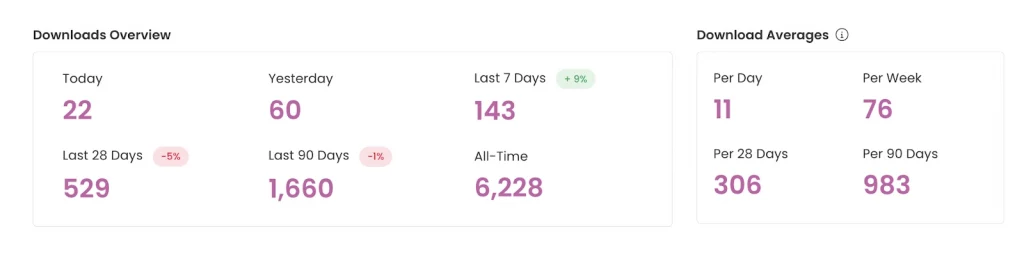
IAB stands for Interactive Advertising Bureau – they’re an external adjudicating body. Captivate’s analytics are IAB certified, which basically means that what you see in your analytics dashboard is correct and accurate for the podcasting industry.
Not all hosts are IAB certified, but it’s a really important thing to look out for – a lot of podcasters base their future decisions on what has historically performed well, so you need to make sure that the information you’re working from is accurate.
The truth is, most of us probably look more than we perhaps should. It’s a good idea to check every day, or at least every few days, to keep on top of what’s going well. Remember, though, to not get too hung up on them – looking every five minutes won’t change anything, and if your numbers aren’t as high as you want them to be then it can be disheartening.
A good thing to look at is your month on month growth – look out for peaks and troughs and see what’s causing them:
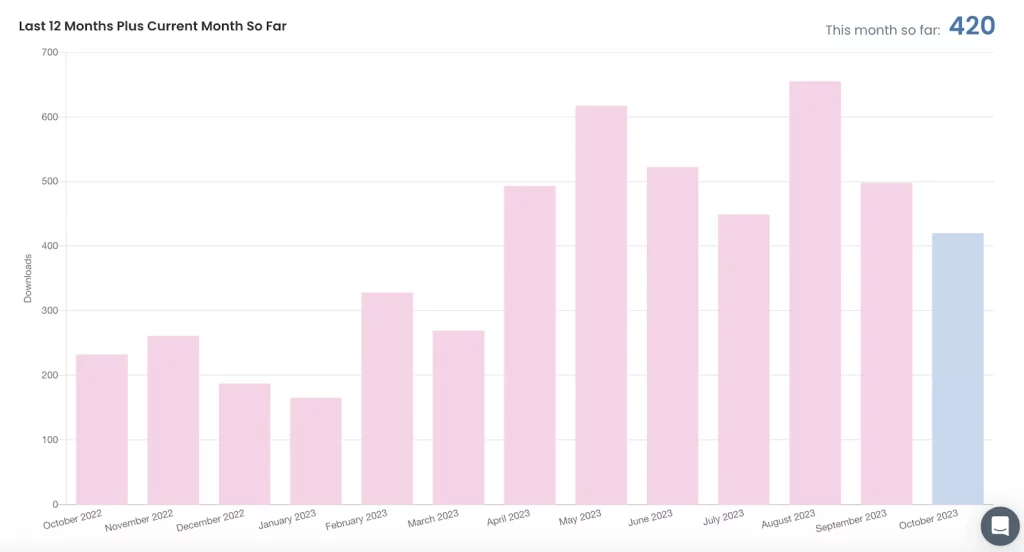
Focus on enjoying creating your podcast day to day, and the listeners will come – this is your hobby, so enjoy it!
Let’s think about this question in a way that’s more beneficial to you as a podcaster. Looking at someone else’s numbers and comparing is not only unhealthy, but also entirely irrelevant – your podcast could have far less listeners on paper than other shows and competitors, but if they’re engaged listeners and your show is particularly niche, you could be in a far better position for sponsorship and monetization.
It’s really important to remember that a small but niche and engaged audience is more valuable than a big but ultimately disinterested and diffuse one.
This isn’t a one size fits all situation. How many downloads you should aim for depends on loads of factors – your topic, audience and how regularly you publish new episodes.
If you’re just starting out (or even if you’ve been going a while) don’t get disheartened about not having thousands of downloads – not only is it often a slow process, those kinds of numbers just aren’t expected or realistic for super niche podcasts.
Please don’t read this as us saying that your show should be broader – in fact, the more niche your podcast is, the more it’s going to stand out to those that are truly interested, and the more attractive it’s going to be to advertisers with the same target audience.
Ask yourself a different question. How much can I realistically increase downloads? Set yourself a realistic and tangible goal e.g. I want to increase downloads by 15% in the next 6 months, and then have a solid marketing strategy to achieve this.
In short: no, not without the creator of that podcast directly sharing them with you. As we said above, though, while it’s good to have high aspirations, comparing yourself to others constantly is a pretty bad idea. Focus on yourself and your own audience.
If you did know how many downloads other podcasts were getting, would it really be helpful? Even if they’re covering the same topic or share a similar audience, there are so many other factors at play – how long they have been live for, how much resource they have for marketing, how regularly they post new episodes – it’s far better to just focus on yourself.
Replays of popular episodes are a great tactic to increase downloads for your podcast. Especially if you’ve published a few episodes since and because they’re buried deep in your podcast feed, your newly acquired listeners may not come across them without a little guidance from you. Either share a teaser of the episode and direct them to the full episode, or simply post it again on your feed, just make sure you give some context e.g. “Hi everyone, this episode really seemed to resonate with listeners and so I have decided to post it again for those who have not yet listened…”. Podcaster and founder of The Podcast Space, Ana Xavier, goes into more detail about this tactic and shares other tips in her Growth Labs session. She’s also written an article about how to track and analyze podcast analytics.
Look at which of your episodes have done the best and try and discern what it is about them which made them perform well. Do they have popular guests? Do they have particularly engaging titles? The whole point of your analytics is to learn from them, so really dig in.
Keyword research tools like Semrush (paid) or AlsoAsked (free) allow you to look at what people are searching for on Google and then use those keywords in your podcast title and show notes – this will really drive organic traffic to your episodes. Read more about podcast SEO here.
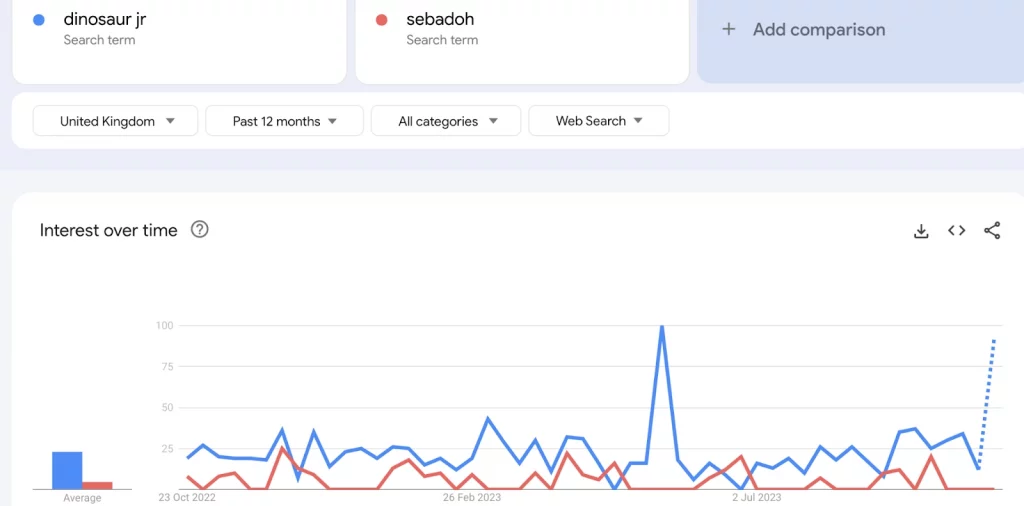
In a similar vein, Google Trends allows you to see what’s popular on the internet, and use those results to your advantage by including them in your own episodes. Let’s say you have a music podcast where you review indie bands, you can use Google Trends to see which bands are currently trending:
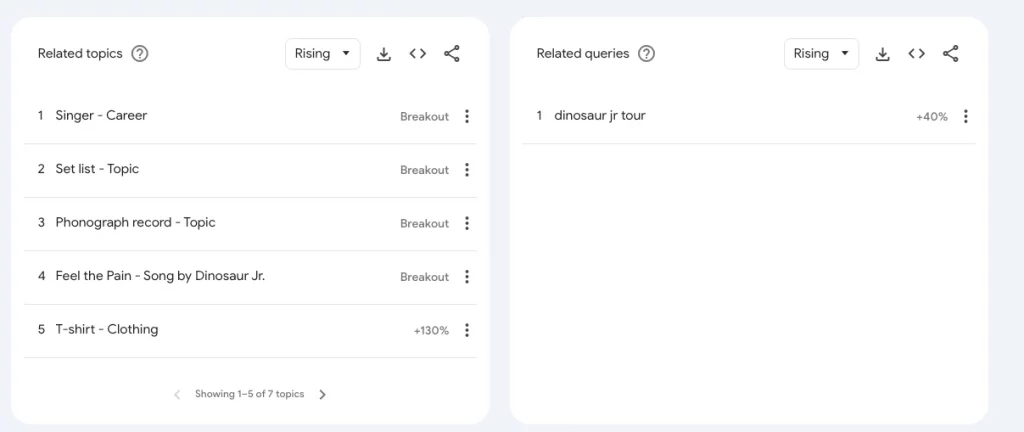
You can also see trending related topics and and queries – from the data below it would make sense to do an episode about when and where Dinosaur Jr is touring or do a review of their Feel the Pain song:
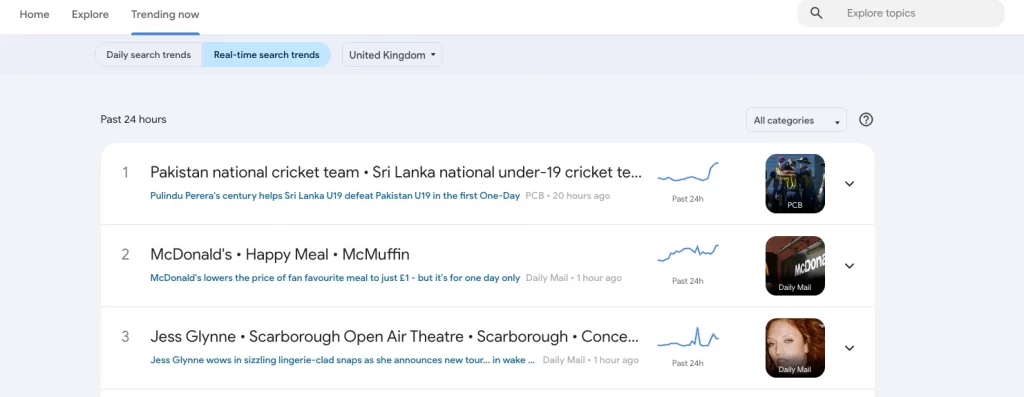
You can also see real-time search trends over the past 24 hours based on different countries. It’s always a good idea to keep yourself updated with worldly news, especially if you can publish a new episode fairly quickly and the topic resonates with your audience and what your podcast is about:
Inviting others onto your podcast, or appearing on theirs, exposes both of you to a whole new audience. Make sure you both promote the episode to both of your respective audiences so that everyone gets the most out of the opportunity.
And not just to self promote – engage with people in an organic, meaningful way to build up your voice and credibility within your niche. The internet is a noisy place, so a constant presence is necessary to be at the forefront of peoples’ minds.
Writing a blog about the same topic as one of your episodes is a great way to get even more out of the content – the same goes for videos and social media posts. Going multimedia with your content is a great way to increase your exposure.
Getting people on your email list means you can market to them directly – it’s far easier to sell an episode to someone when you’re in their inbox rather than just another post on social media.
Getting your show positively reviewed by engaged listeners on a review site like Podchaser (the IMDB for podcasts) is a fantastic way to show people who haven’t heard of you that you’re the real deal. Any testimonials are basically telling would-be listeners that you’re the real deal.
It’s not just about downloads – here are some other metrics to measure:
With Captivate, and across the majority of the podcast industry, a download refers to either an actual, physical download or playing the episode within a directory app for more than a minute. When some people say download, they just mean the actual, physical download of an episode, but when we say it we mean either.
Your listens (or downloads) are how many times a given episode has been listened to in total. Your unique listeners are how many different people have listened to it. If three people listened to three episodes each, you’d have nine downloads and three unique listeners.
Your podcast can be downloaded within directory apps like Apple, Spotify and Amazon Music. It can be listened to from your own website or from embedded players on others’.
No, you don’t need to tell anyone your numbers. If you’re pitching to sponsors or advertisers, they’ll definitely ask, but in the day to day then it’s not something you have to (or should) make public.
No, not at all. Having a successful podcast isn’t just about having a crazy amount of downloads. There’ll be some super niche podcasts with a few hundred or a few thousand downloads which have an engaged audience willing to spend money on merch and sponsors lining up to pay, and then there’ll be people like Joe Rogan getting millions of downloads per episode.
It depends on your topic, really. What does success mean to you? Is it growing downloads by X amount in X months, is it to invite a particular podcast guest, is it listeners reaching out about a podcast episode to say they enjoyed it?
Absolutely – the two main ways they can do this are by saving you time in your workflow, freeing up more time for planning and recording, and by helping you actually improve your podcast with webinars, education and helpful tools. At Captivate, we do all of these things!
There isn’t a universal answer for this. It depends entirely on the niche you’re in and the size of the sponsor you’re going for. You’d have to be pretty huge to get a sponsorship from Microsoft, but those download requirements aren’t going to be the same for some local small business.
It’s a great idea to make your podcast available on your website – since you don’t make money per stream on directory apps, the more places your podcast is available, the more people you’ll be exposed to and the more successful you’ll be.
Yes, you can see listeners at country, state and city level within Captivate’s analytics dashboard. This can be super helpful for working out where to host any in-person events or what time of day to release your episodes.
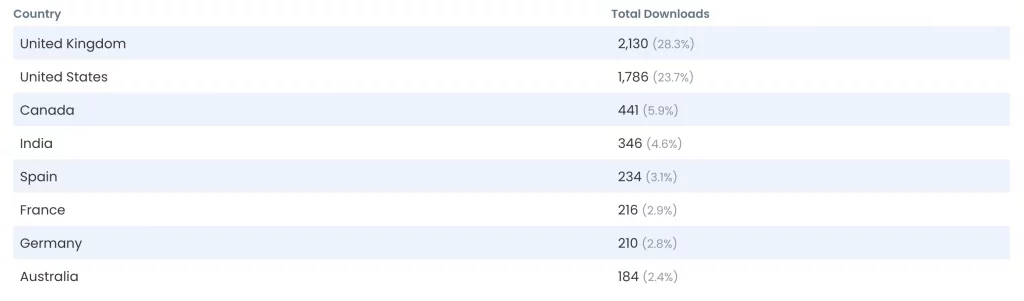
Understanding your podcast downloads is crucial to planning for podcast growth – it’s a great idea to look at monthly data and trends to see growth rather than. Focus on creating engaging content, and your audience will grow over time.
IAB certified analytics, like those offered by hosting providers such as Captivate, ensure accurate data, which is essential for making informed decisions about your podcast’s future.
Rather than comparing your download numbers to others, concentrate on building a niche and engaged audience, which can be more valuable for sponsorship and monetization opportunities.
Ben is a content writer and podcast support expert for Captivate, and has been with the team since 2021. He has a first-class degree in Journalism, and uses these skills to help new and veteran podcasters alike level up their content: reviewing tech, crafting product guides and sharing cutting edge podcasting news. Ben is always on hand to help Captivate podcasters with anything they run into, from when they first import their show to advanced questions like how to grow your audience or where to start with monetization. He loves what he does, and is committed to helping podcasters grow their show using Captivate. He’s always been a podcast fan - current favourites include Steven West’s ‘Philosophize This’ and Bob Mortimer’s ‘Athletico Mince’.
此内容由惯性聚合(RSS阅读器)自动聚合整理,仅供阅读参考。 原文来自 — 版权归原作者所有。
