



惯性聚合 高效追踪和阅读你感兴趣的博客、新闻、科技资讯
阅读原文 在惯性聚合中打开

推荐订阅源

酷 壳 – CoolShell
酷 壳 – CoolShell
H
Hacker News: Front Page
P
Palo Alto Networks Blog
T
ThreatConnect
Apple Machine Learning Research
博客园_首页
T
True Tiger Recordings
P
Privacy & Cybersecurity Law Blog
B
Blog
IT之家
IT之家
Last Week in AI
Last Week in AI
F
Full Disclosure
Hacker News: Ask HN
Hacker News: Ask HN
C
Comments on: Blog
Microsoft Azure Blog
C
Cybersecurity and Infrastructure Security Agency CISA
Microsoft Security Blog
博客园 - 【当耐特】
N
News and Events Feed by Topic
NISL@THU
NISL@THU
腾讯CDC
雷峰网
雷峰网
Security Latest
Security Latest
李成银的技术随笔
M
Microsoft Research Blog - Microsoft Research
L
LangChain Blog
L
Lohrmann on Cybersecurity
cs.CL updates on arXiv.org
C
Check Point Blog
Y
Y Combinator Blog
Recent Announcements
博客园 - Franky
N
News | PayPal Newsroom
V
V2EX
A
About on SuperTechFans
The Register - Security
月光博客
月光博客
奇客Solidot–传递最新科技情报
奇客Solidot–传递最新科技情报
Google Online Security Blog
MyScale Blog
MyScale Blog
Cisco Talos Blog
Cisco Talos Blog
Vercel News
Vercel News
WordPress大学
WordPress大学
C
Cyber Attacks, Cyber Crime and Cyber Security
The Hacker News
The Hacker News
IntelliJ IDEA : IntelliJ IDEA – the Leading IDE for Professional Development in Java and Kotlin | The JetBrains Blog
爱范儿
爱范儿
A
Arctic Wolf
L
LINUX DO - 最新话题
freeCodeCamp Programming Tutorials: Python, JavaScript, Git & More

Captivate Unlimited Podcast Hosting & Analytics

Captivate & DAX US Launch Unified Monetization Suite for US Creators Apple Video Podcasting: Best Practices to Get The Most From The New Tech Apple Video Podcasting, powered by HLS: what is it and what does it mean for your podcast? Captivate Announced as Day One Launch Partner for Apple’s New HLS Video Release Introducing Captivate Assistant: The Most Useful AI Podcasting Assistant Yet; Grow Your Audience AND Save Time! 3 Low-Effort Ways to Promote Your Podcast (and Grow Listeners) this Autumn Captivate Unveils Ad Marketplace, Online Podcast Recording Platform and Integrated Audio Editing Tools Captivate Launches New Podcast Submission Process for Apple Podcasts Captivate Releases Sync V3 Make Money Podcasting: How to Successfully Monetize With Podcast Sponsorship And Advertisements Make Money Podcasting: How to Monetize Your Podcast Through Listener Donations World First: Captivate Podcast Hosting Platform Achieves IAB Tech Lab Podcast Measurement 2.2 Certification Captivate 2.5: Upgraded UI and Brand New Features to Make Your Podcast Even More Successful 8 Quick Ways to Build A Community Using Your Podcast GarageBand vs Audacity for Podcasting: Pros, Cons and Similarities Video: GarageBand For Podcasters – Tutorial, Tips and Tricks 7 Common Podcast Sponsorship Mistakes – Plus How to Avoid & Fix Them! 12 Best Podcast Logos & Artwork Examples (That Actually Engage Listeners) Video: Podcast Logos vs Cover Art (Roles and Differences Explained!) Video: How to Write a Podcast Script (And 5 Reasons Yours Doesn’t Work!) How to Write the Perfect Podcast Intro Script: Hook and Engage Listeners Video: How Podcasters Make Money (PLUS 5 Reasons You Don’t) - Captivate Unlimited Podcast Hosting & Analytics Is Apple Podcasts Free for Podcasters? Plus 8 Easy Steps to Upload your Podcast to Apple Ultimate Podcast Production Guide 2024 – How to Successfully Produce a Podcast How to Write a Perfect Podcast Episode Summary – Plus Tips, Benefits & Examples Changing Podcast Host Without Losing Subscribers, Listeners PLUS How to Move Your Analytics 80 Best Engaging & Interesting Podcast Interview Questions for Guests Captivate Launches Support For Apple Podcasts Subscriptions Spotify Launches 2023 Wrapped for Podcasters What is a Podcast? Plus 10 Reasons You Should Start One Today! What are Podcast Chapters? How do they Improve Listener Retention? Podcast Branding 2024 Guide: How to Build a Podcast Brand & Benefits 43 Engaging Podcast Topics & Ideas Based on Show Format or Type – Including Examples 9 Best Ways to Promote a Podcast on Social Media – Plus FAQs Answered Podcast Downloads 2024 Guide: What is Good & How to Get More? Podcast Categories 2024 Guide – Get Discovered on Spotify, Apple and More How to Get on Podcasts – Plus Nailing your Pitch and Guest Interview How to Create Engaging and Powerful Podcast Taglines 2024 – Plus Examples Google Podcasts to be Discontinued in 2024 – Time to Say Goodbye How to Host Engaging and Powerful Podcast Interviews with Your Guests MP3 vs WAV – What is the Best File Format for Podcasts? How Much Money Do Podcasters Make in 2024? Plus Examples & How To Do It How to Record a Podcast Remotely 2024 Guide – Remote Podcast Setup How to Use Podcasts for Marketing and Branding Podcast Headphones 2023 Guide – 6 Best Headphones for Podcasting Podcast Equipment Essentials and Setup for Beginners and any Budget – Plus Advanced Extras How to Analyze and Track your Podcast Analytics Formats & Types of Podcast Explained – 10 Examples Plus Pros and Cons Demystifying Podcast Advertising: Ultimate Guide – Plus Tips for Podcasters to get Advertisers How to Publish a Podcast to Spotify, Apple Podcasts and Any Directory – Where to Upload & Distribute Podcast RSS Feeds 101: A Beginner’s Guide – What They Are & How They Work What are the best podcast apps? Both free and paid! Podcast Keyword Strategy: How to Uncover High-Impact Keywords to Boost Your Reach Podcast Calls to Action (CTAs): Converting Listeners into Engaged Fans Apple Launches iOS 17 – New Features for Apple Podcasts & Podcasters How to Start & Build a Podcast with No Audience and From Scratch – (Tips & Examples) How to Get Quality Podcast Backlinks in 2023 Planning Podcast Episodes 2023 Guide – Templates, Outlines & Format Tips Patreon Alternatives – Best Podcast Subscription Platforms (is Apple Podcast Subscriptions the Best?) Make Money with Podcast Subscriptions & One-Off Donations Easily with Captivate The Easiest Way to Start a Video Podcast (& Why You Shouldn’t Wait) How to Start or Move your Podcast to YouTube – 5 Easy Tips Podcast Networks Explained – Everything You Need to Know! [2024 Guide] What is Podcast Hosting? Everything You Need to Know! YouTube Music for Podcasts: Boost Your Discoverability Today with New Features How to Find the Ideal Podcast Episode Length for Your Show Podcasting 2.0 Explained: RSS Enhancements for the Independent Podcaster How to Optimize Your Podcast Guest Appearance for Search Grow Your Audience Using a Podcast Avatar and 13 Other Techniques 4 Main Reasons Stopping Podcasters from Launching – Which Blocker is Stopping You? How to Edit and Record a Podcast in GarageBand Best Podcast Voice Tips and Advice by Voice Coach and Podcaster Nic Redman Making Your Podcast Hosting Even Better Value Best Podcast Tips & Advice from Podcasters 2022/23 for International Podcast Day How to Write the Perfect Podcast Script (plus Examples & Templates) Captivate are Platinum Sponsors of the APVA Awards 13 Best Podcast Recording Software 2023 (including remote) – Reviewed by Podcasters We Interviewed 11 Attendees about The Podcast Show 2022 Podcast Show 2022 Roundup – Interview with Captivate’s MD Mark Asquith Descript for Podcasters Tutorial: Everything you need to know Facebook Is Stopping Podcast Services – Why & What To Do Next? In-Depth Review of Alitu for Podcasters – How it makes recording and editing easier Captivate Supports Podchaser’s #Reviews4Good April 2022 – Raising Money for #ChefsForUkraine 2021 A Year in Review: Your Big Podcast Achievements and ours! What is Dynamic Ad & Content Insertion in Podcasting? Video: Captivate's AMIE Dynamic Ad Insertion Technology for Podcasters [Overview] - Captivate Unlimited Podcast Hosting & Analytics Recommended Podcasting Tools & Resources Video: How to Use the Free Podcast Guest Booking & Interview Management System - Captivate Unlimited Podcast Hosting & Analytics Free Interview Management & Guest Booking Platform for Podcasters Captivate Shareable Podcast Player V2 is Here! Introducing Cross-Promotional Feed Drops & Network Features for Every Captivate Podcaster Video: How to Grow Your Podcast with Captivate Growth Labs - Captivate Unlimited Podcast Hosting & Analytics Learn How to Grow & Monetize Your Podcast with Captivate Growth Labs Video: Get Listed on Apple Podcasts, Spotify + More - Captivate Unlimited Podcast Hosting & Analytics Video: How to Publish an Episode: Captivate Podcast Hosting Tutorial - Captivate Unlimited Podcast Hosting & Analytics Video: Dashboard Overview | Captivate Podcast Hosting Tutorial - Captivate Unlimited Podcast Hosting & Analytics Video: How to Create A Podcast | Captivate Podcast Hosting Tutorial - Captivate Unlimited Podcast Hosting & Analytics Captivate 2.0: A New Look, New Features and New Podcasting Possibilities! Podcast Intro & Outro – How to Make Yours Ear-Grabbing Podcast PLUS 4 Real-Life Examples! Write an Engaging Podcast Description that Turns Scrollers into Listeners (Plus Examples)
YouTube Launches Its RSS Upload Tool for Podcasts – What Does This Mean for Podcasters?
2023-11-23 · via Captivate Unlimited Podcast Hosting & Analytics

Reading Time: 8 minutes

YouTube will launch a brand new RSS upload tool for podcasters by the end of the year, following a piloting of the tool back in May 2023. Podcasts like CNN One Thing and City Cast Pittsburg are already available on the platform thanks to this tool, with countless more to follow.

In this article, you’ll learn everything you need to know about YouTube’s RSS upload tool, including how to use it and how it can help increase your podcast’s discoverability and reach more listeners.

What is YouTube’s RSS upload tool?

The RSS upload tool enables podcasters to distribute their podcast and episodes to YouTube and YouTube Music directly through their RSS feed.

  • A podcaster submits their RSS feed to their channel via YouTube Studio.
  • YouTube converts the audio file for each episode on the RSS feed to a static image video. The video is then accessible to those browsing YouTube, YouTube Music, or your channel.
  • New episodes are automatically uploaded to YouTube via the RSS feed each time they are published.
  • Any metadata that is available in the RSS feed for episodes e.g. title, description and release date, is pulled through and updated in YouTube.

What are the RSS feed requirements?

For your podcast RSS feed to be viable it must meet the following requirements, set by YouTube:

  • Your iTunes owner email (<itunes:email>) must be present in the RSS feed when you submit your podcast to YouTube. If the email is not present, you’ll get an error message saying that an email is needed on the RSS feed. Since Captivate automatically hides your email to protect you from spammers who scrape RSS feeds for emails, you just need to unhide your email when first submitting to YouTube. You can find this under your Podcast Settings, or reach out to our support team for more help.
  • RSS feeds must be crawlable by google-bot and google-xrawler (these settings are in robots.txt). Captivate takes care of this as standard.
  • Every episode must have a unique GUID with no duplicates (a unique identifier globally recognized number by the Podcast Index). Captivate does this automatically for you, too.
  • Each episode on the feed must have an audio file (e.g. MP3) as YouTube doesn’t support video (e.g. MP4) when it comes to podcasts via RSS. Again – if you’re with us, we’ve sorted this for you.

How to change the static image video on YouTube for my podcast

YouTube will use your podcast cover art (or that episode’s individual episode art, if you’ve uploaded it) as the thumbnail and static image for each podcast episode “video”. The image(s) are pulled from the metadata in your RSS feed.

If you’d like to change the image, you’re better off doing it through YouTube Studio than in your RSS feed, as this will change it for all other directories, like Spotify and Apple. Unlike every other directory, YouTube doesn’t need the image to be a square.

Managing your podcast on YouTube

YouTube doesn’t automatically refresh your RSS feed, which means you’ll need to manually refresh the link on YouTube if you’ve made any edits to the feed which you want to track through to YouTube. This is the case for YouTube & YouTube playlists.

If you want to set a specific title, description or thumbnail for an episode on YouTube, you’d change these in YouTube Studio, too. These changes will only affect YouTube, not your RSS feed or any other directories.

There are three status options for your episodes available to you in YouTube Studio:

  • Public, meaning anyone on YouTube has access, and anyone on YouTube can share the content with others
  • Private, meaning they can only be accessed by those who are given permission via their email address
  • Unlisted, which can only be seen and shared by those who are given the link

You can change privacy status through the video privacy settings page.

If you delete an episode in YouTube studio, or from a YouTube playlist, but not from your RSS feed, it will reappear the next time YouTube checks the feed for new episodes – something which it does regularly throughout the day. That means if you want an episode to be removed from YouTube while you’re using this tool, you’ll need to delete it from your main feed, too.

If you want to replace the audio for a particular episode, you’d manage this in the usual way, from within your host – not on YouTube studio.

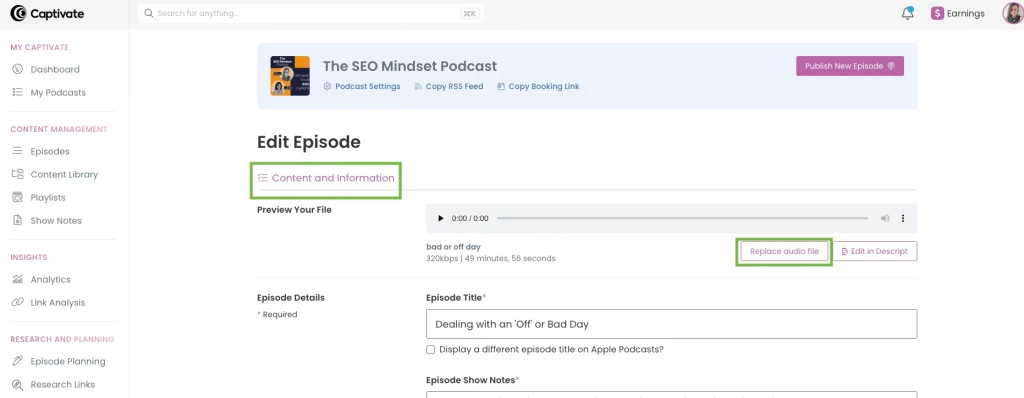
To do this in Captivate, go to Episodes under Content Management, find the episode you want to update and click Edit episode. Under Content and Information, in the Preview Your File section and click Replace audio file.
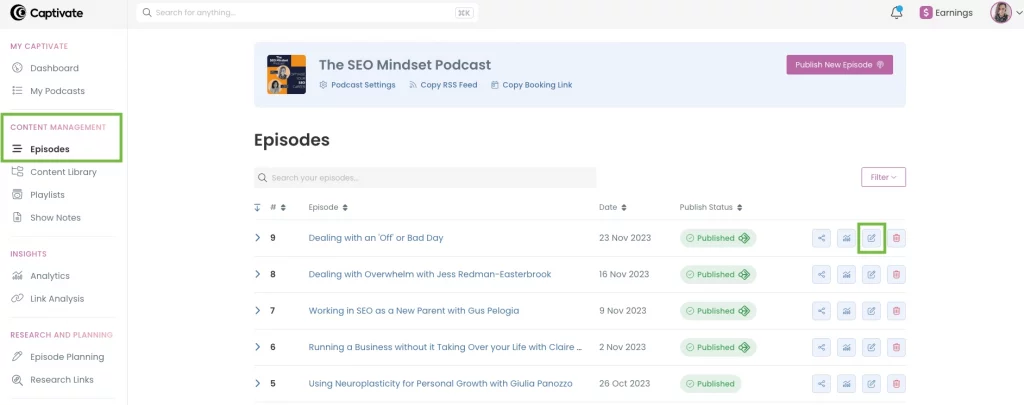
Managing episodes in Content Management
Replacing audio file for the episode

Again, YouTube won’t automatically sync this change, so you’ll need to click the Manual refresh link for that particular episode in YouTube Studio. YouTube will then mark the previous version of the episode on YouTube as Private and then replace it with the new version, with your updated audio. As this will create a new video on YouTube, you’ll lose your current view count and any comments.

How do I upload my back catalogue of podcast episodes?

When submitting your RSS feed to YouTube, you have the option to select a start date, from which episodes should be uploaded.

When YouTube uploads existing episodes it finds on the RSS feed, they’ll be uploaded in order. However, their YouTube upload date will be the date they were uploaded to YouTube, and not when they were published on RSS.

How are copyright claims handled?

What happens in situations where there is a copyright claim on your video, but you’ve already licensed the content?

The claimants info should be accessible on the claim itself, so if you choose to dispute the claim, this will be sent directly to the claimant’s email address for review and the partner can share information about their licensing.

If you believe that you have adequate licensing, you can request the claimant exempt your channel from future claims. You can also request that the claimant release all existing claims on your channel, since exemption is not retroactive (taking effect from a date in the past).

Is Monetization available on YouTube for my podcast?

YouTube differentiates between the following two types of ads:

  • Regular ads that are created by an advertiser.
  • Host- read advertisements and promotions.

YouTube does not allow regular ads to be uploaded, so you shouldn’t have any in your RSS feed. Host-read promotions are fine, but make sure you’ve flagged any videos containing them as such within YouTube Studio. We’d recommend checking out the Paid Product Placement policy.

If you have any dynamically inserted ads, this means you need to remove them. You can use YouTube’s trimmer to do this – don’t remove them within your host, as that means they’ll be removed from all directories, like Spotify and Apple.

For now, you need to manually turn on monetization within YouTube for each upload in order to make ad revenue through YouTube’s monetization.You’ll also need to be part of YouTube’s Partner Programme before monetizing your podcast and episodes.

Will uploading my podcast to YouTube help with my discoverability?

Yes, uploading your podcast to YouTube will help with the discoverability of your podcast, as it opens it up to another digital space. Even better if you’ve already got an established YouTube channel with an audience already primed!

Like Google, YouTube is a search engine, with people searching for answers to their questions. Your podcast episodes could be the answer people are searching for, but only if you’re available on the platform in the first place. You have a really good opportunity to convert people using YouTube into listeners of your podcast.
Another article we think you'd like...

Reading Time: 4 minutes Spotify’s 2023 Wrapped for Podcasters is officially here. Learn what it is, how to access it and how to use the data to grow listeners today!

A big benefit of YouTube is that videos show up in Google search results for certain search terms and queries. This is materially good for your SEO, as you’re more likely to get found, and also great from a brand positioning perspective – having your show appear in Google lends authority and gravitas, and shows listeners you’re worth listening to.
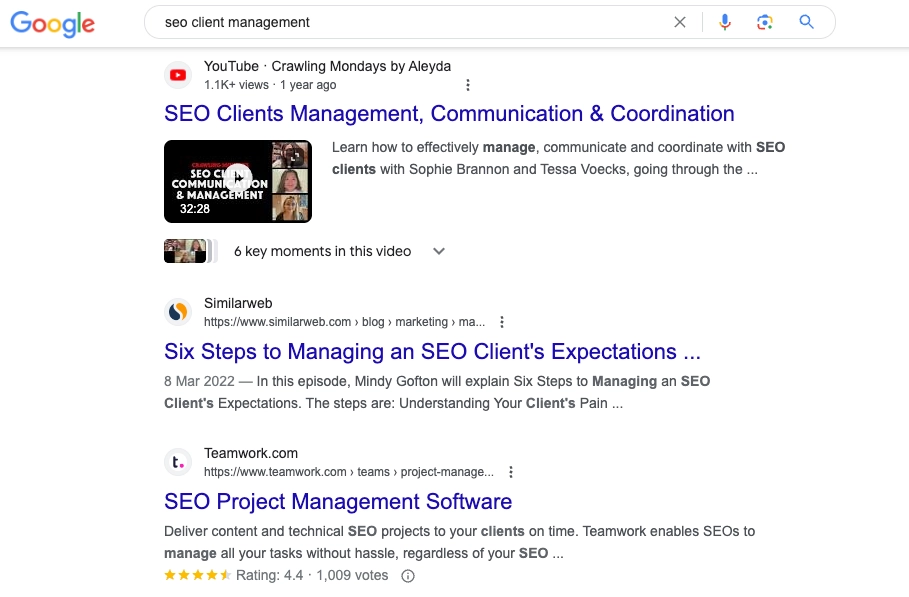
YouTube video for Crawling Mondays podcast ranking on Google

Google Podcasts being discontinued in 2024

Google Podcasts is being discontinued in 2024, due to the search engine shifting towards making YouTube its primary podcast focus. Over the next few years, they’ll be pushing the video giant as a massive podcasting destination, so expect a heap of promotional material and some exclusive shows from big names.

If Google Podcasts is popular with your listeners, we’d recommend getting established on YouTube sooner rather than later, as Google itself will likely be planning a big marketing push to move all current Google Podcasts users over to YouTube as soon as the former is retired.

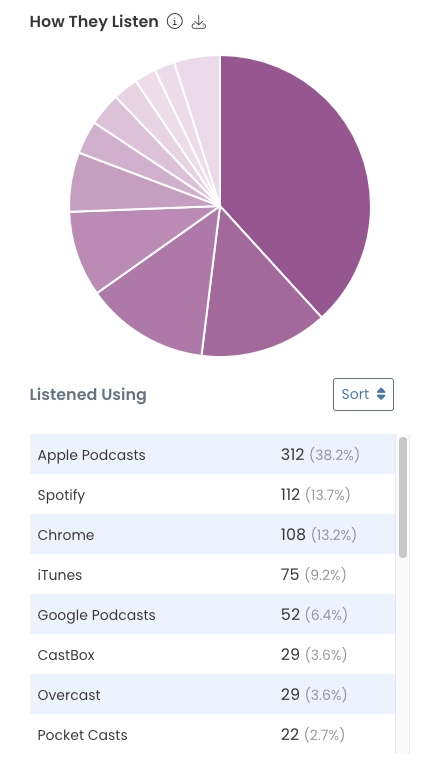
If you use Captivate, it’s super easy to find out if Google Podcasts is popular with your audience. When logged into the platform, head to Analytics which is under Insights. Then go to the Listener Behaviour tab and under Listened Using you’ll be able to see what apps your listeners use.
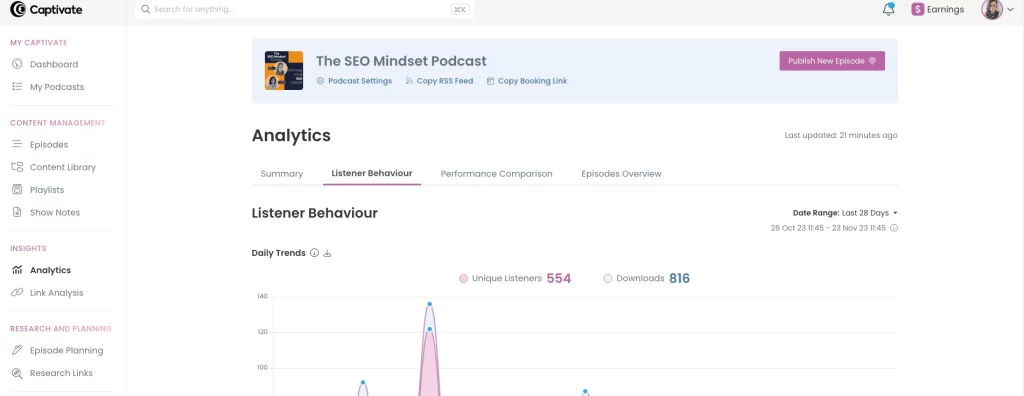
Listener Behaviour in Analytics
Listened Using in Listen Behaviour

Listen to any podcasts using the YouTube Music app

You’ll be able to listen to any podcast on the YouTube Music app, even if it does not exist on YouTube. This is because YouTube is rolling out support for adding a podcast using an RSS feed URL. This means any RSS-based podcasts can be listened to in the YouTube app, which is pre-installed on most new Android phones.

Steps to add a podcast via an RSS URL:

  • Go to your YouTube Music Library and tap the podcasts button located at the top of the page.
  • Click + Add Podcast at the bottom right of the screen.
  • Add the podcast feed URL.

It’s definitely worth passing this information on to your listeners!

FAQs

  1. How do I track who is listening to my podcast on YouTube?

    As YouTube converts your episodes to videos, you’ll be tracking the number of views your videos receive within your YouTube account. Unlike other podcast listening apps, YouTube won’t be sharing these analytics with hosts, so they won’t count towards your download numbers within Captivate.

  1. Can I add a GIF/video on loop instead of a static image to generate the video for my podcast?

    Unfortunately this isn’t an option. Currently, YouTube only supports static images when generating the video for podcast episodes, so GIFs and videos (e.g. MP4) won’t be supported.

  1. Will YouTube send notifications to subscribers when episodes are published?

    When uploading a YouTube video, you can decide whether a notification will be sent to your subscribers. In YouTube Studio, once a video is uploaded, click Show more, and in the License and distribution section you can check or uncheck the Publish to subscriptions feed and notify subscribers box. However, YouTube automatically turns off notifications for old episodes uploaded via the RSS feed because the content is old.

  1. Can I upload older episodes from my RSS feed after I’ve already uploaded episodes?

    Yes, but YouTube recommends uploading all older episodes first. This is because if you upload an older video later, it won’t be date ordered. Instead, it will appear at the top of the YouTube feed, like a brand new video.

  1. What happens to episodes that I accidently removed from my RSS feed but added back?

    If an episode is removed from the RSS feed, YouTube marks the episode in YouTube as Private. It’s not deleted as this will erase the view count and comments. Once the same episode is added back to the RSS feed, YouTube will automatically change the episode in YouTube as Public. YouTube keeps track of episodes added or removed from the RSS feed by the episode’s unique GUID number.

Overview

So, as a podcaster, should you use YouTube’s RSS upload tool when it comes available to everyone at the end of the year?

From a discoverability point of view, yes. With over 2 billion active monthly users, it makes total sense to open yourself up to this huge market of potential listeners – especially considering the money Google will be putting into establishing YouTube as a major player. Don’t be surprised if the experience isn’t as seamless as with those streaming apps who have made podcasts their bread and butter for years, but don’t expect any teething problems to last long – Google knows there’s some real money to be made from podcasting, so make sure you’re there for your slice of the pie.

With tech like this, being an early adopter is usually the smart move, and there’s no downside – you’re just getting your show out there for even more listeners to access!

Sarah McDowell

Sarah is Captivate's SEO manager. She has over 10 years experience in digital marketing both in house and agency side, but specialises in SEO both from a content and technical aspect. She is also a podcaster and has four successful podcast shows under her belt including The SEO SAS Podcast, The Lipsticks Podcast, Women in Tech SEO Podcast and The SEO Mindset Podcast. When she is not working her 9-5 job or podcasting, Sarah is also a speaker and trainer both in SEO and podcasting.