









In 2024, we looked ahead to treatments at the end of this Parliament. In 2025, we said: “Mr Streeting knows that by the end of this Parliament in 2029/2030, it’ll be increasingly normal for you to be able to take your cat to the vet to have your cat’s cancer effectively cured.”
As things turn out, it’s a dog that got famous for a custom mRNA vaccine to treat some cancers.
If your dog – or cat, especially my cat – is diagnosed with cancer tomorrow, what are you (or I) going to try? 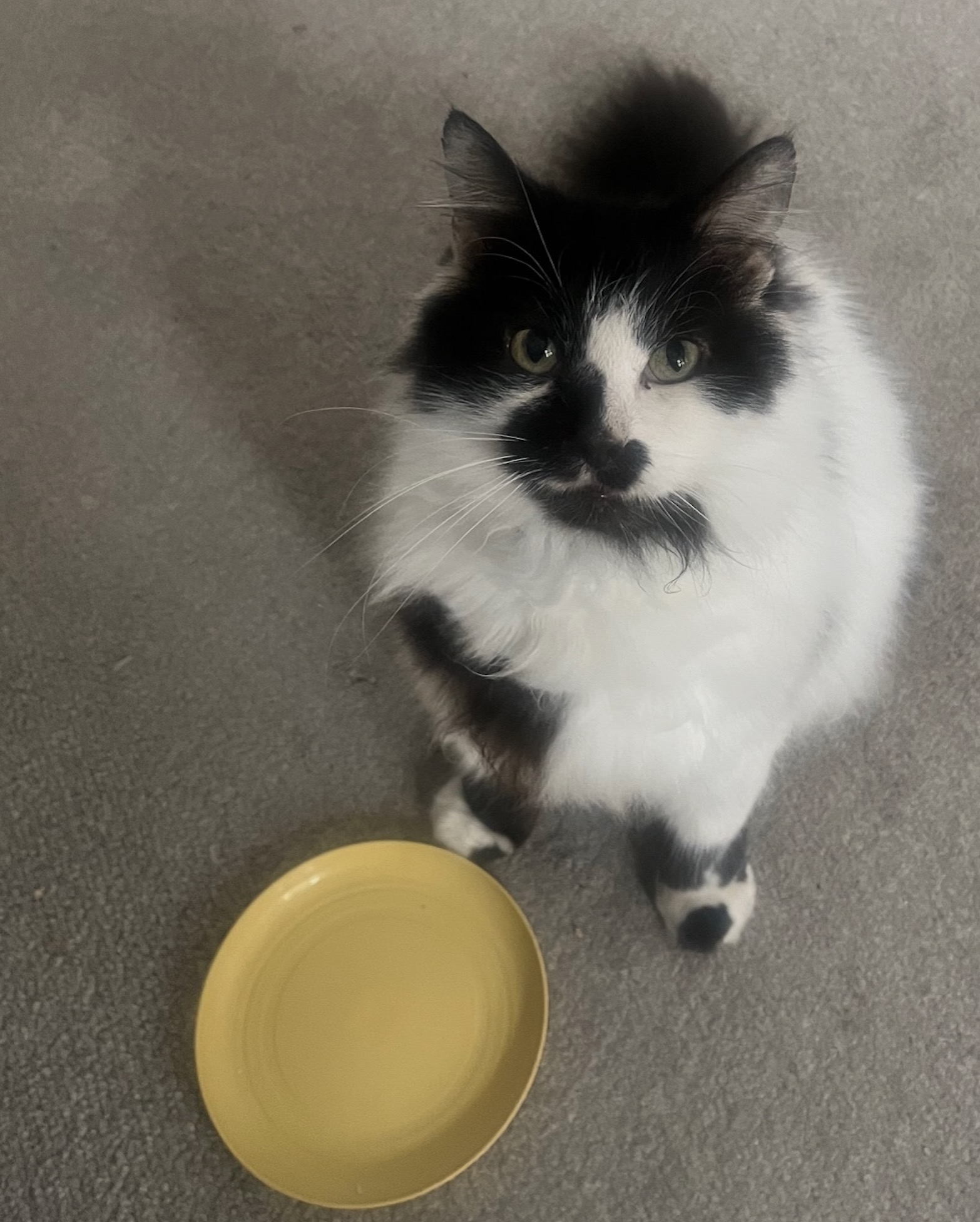
Trying this for Rosie the dog cost about the same as buying a new laptop…
And your dog/cat/kid will look longingly at a way to avoid debilitating treatments.
It might not work, but it’s cheap – and not disproportionate to a costly vet visit.
There’ll be a bunch of startups offering hope; some may be quacks, some may be genuine. Maybe it’ll work, maybe it won’t. But as with everything that works today, there was a time when it didn’t work. Treatments get better.
Knowing what you now know, if your grandma is diagnosed with cancer tomorrow, what are you going to think about trying?
If your child is diagnosed with cancer tomorrow, what are you going to think about trying?
The ethics around doing this first for a dog took time, but now we’ve seen it have some effect. The argument for trying a mRNA vaccine rather than chemo for a child, future health, etc. makes compassionate use a no-brainer. And when it has worked a few times for humans, it’ll be a no brainer for young adults, and then everyone.
Every child will have a compassionate use test. And, once it works, every adult will too.
Indeed, it’s conceivable a Gillick competent 13 year old could do it themselves, with access to a modestly equipped lab, and if they’ve been sequenced – which Genomics England (wholly owned by DH, working closely with the NHS) would already do for them.
Yes, side effects need to be mitigated – they always do; chemotherapy has side effects too.
There’s a great deal of push-back around the barriers to the NHS doing this for everyone being high. And it is absolutely true that a doctor doing this to a patient they don’t know is a hard problem and must have ethical boundaries. Doing this for people without agency is, however, someone else’s problem. And since it’ll be your family member, you’re going to try to move the mountain to see if it spares your child from chemo.
If you had an infinite amount of money, what would you do? And what does it actually cost? Because the cost we’re talking about here is basically a new high spec iPhone – available to pay in monthly installments, costing about the same as the normal Virgin cable TV package.
The science barriers are largely not financial.
If your child or grandma gets cancer tomorrow, who are you going to call? There will be a bunch of private outfits springing up to do it for you, with varying degrees of expertise and varying degrees of integrity. And of course it will need clinical care and monitoring – Rosie the dog got that.
The first to run Facebook ads will be the fraudsters and charlatans; fiction is always faster than science, because science has to show results. But the science seems to work.
That the rules in England make it hard for you to save your child from chemo simply means people will avoid the rules, or get on a plane; grandma may not be photogenic, but kids are.
Predictably, Google’s DeepMind AlphaFold team have changed their license and banned the dog vaccine in the latest AlphaFold – a ban that’ll be reversed the first time someone runs an advert of a photogenic child dying of cancer looking sad next to a Stockholm photo of Demis, alongside the Google DeepMind logo, with a headline about the choice he can change.
Nice Nobel prize, Demis – pity about the children dying because you ban your technology from helping them…
Altruists at Anthropic would happily build a model to save those lives. Maybe it’ll be effective, maybe it won’t – but the cost of the science of trying is less than buying a new laptop. (That’s not to say DeepMind is entirely wrong to have some restrictions – their perspective provides some good reasons, but look again at the photogenic child…)
Has the entire world forgotten that in mid–2020 the Church Lab took their own mRNA cancer vaccines? Yes, that is the George Church in the picture – but it’s also six years of progress. What would George do for his grand-kid? Why not the same for yours?
This example also shows that those insisting we sequence everyone at birth are disingenuous about future treatments – no-one who gets cancer tomorrow will want to use the sequence they got at birth, especially given the fact that the tumor needs to be sequenced on the same machine as the human (or dog). It would also be unfortunate to get an autoimmune disease because of a software bug that was fixed years after you were sequenced but before that sequence was used.
The first responders will be the fraudsters and charlatans because they can just make things up. Using new tools like AI might be rapid, but outright dishonesty is always faster (not least because they can use AI too).
Who is the impartial non-profit organisation who will tell you what works? Will existing health charities leave you to the quacks?
There’s a need for a range of different organisations with differing priorities – not incumbents and opportunists more interested in fleecing the scared than helping dogs. Eric Gilliam calls organisations like this BBNs, and there’s a great deal of literature about building them. (Eric wrote most of it.)
That’s the playbook, but someone has to keep everyone honest and evolve it over time.
Businesses will try to charge whatever they find people will pay not to die – someone has to keep margins fair and avoid profiting at patients expense. Who will tell you what something actually costs, not just what you’re being charged for it?
This isn’t the Chinese peptide craze in San Francisco; it’s something measurably useful. Not everything works for everyone, and some – indeed, quite many – things won’t work, but in the history of everything that now works there was a time that it didn’t.
What works this week may not be what’s best next week, but patients this week and the week after that both need to be helped. Biology and research both march on.
And if it’s your dog, or your cat, or your grandma, or your child, what are you going to do? What would your friends do if it were their family?
Talking about the Single Palantir Record, we said last year, in 2025: “Precisely which cancers and how much it will cost are currently uncertain, but decades of research are starting to show results for humans too, and politicians know it will be morally, practically, emotionally, but especially politically intolerable for you to be able to have your vet cure cancers in your cat, when you and your loved ones cannot receive equivalent treatment on the NHS.”
In 2026, it seems dogs got there first.
So if your dog / cat / grandma / child gets cancer next week, who you gonna call? Who are the Facebook ads going to suggest you call? And what is the infrastructure going to be for the NHS, alongside and within existing cancer pathways?
“Wes hasn’t decided yet” is an answer that will lose elections.
===
Find out what happens next: Sign up for our newsletter (we don’t email often) or get small frequent updates via Substack — free to follow (optional donation), or donate to help more of this work.
此内容由惯性聚合(RSS阅读器)自动聚合整理,仅供阅读参考。 原文来自 — 版权归原作者所有。