


惯性聚合 高效追踪和阅读你感兴趣的博客、新闻、科技资讯
阅读原文 在惯性聚合中打开

推荐订阅源

Project Zero
Project Zero
GbyAI
GbyAI
Y
Y Combinator Blog
Google DeepMind News
小众软件
小众软件
The GitHub Blog
The GitHub Blog
阮一峰的网络日志
阮一峰的网络日志
J
Java Code Geeks
WordPress大学
WordPress大学
Microsoft Security Blog
IT之家
IT之家
F
Fortinet All Blogs
博客园 - 【当耐特】
H
Hackread – Cybersecurity News, Data Breaches, AI and More
P
Proofpoint News Feed
Schneier on Security
C
Cybersecurity and Infrastructure Security Agency CISA
L
LINUX DO - 热门话题
Spread Privacy
Spread Privacy
O
OpenAI News
V
V2EX
博客园 - 三生石上(FineUI控件)
AI
AI
奇客Solidot–传递最新科技情报
奇客Solidot–传递最新科技情报
Stack Overflow Blog
Stack Overflow Blog
P
Privacy International News Feed
Microsoft Azure Blog
Blog — PlanetScale
Blog — PlanetScale
Threat Intelligence Blog | Flashpoint
Jina AI
Jina AI
H
Help Net Security
L
LINUX DO - 最新话题
Application and Cybersecurity Blog
T
Tenable Blog
K
KPMG report finds enterprise disconnect between AI and its ROI | CIO
Cisco Talos Blog
Cisco Talos Blog
cs.CV updates on arXiv.org
博客园 - 叶小钗
V
Vulnerabilities – Threatpost
C
Cisco Blogs
D
Darknet – Hacking Tools, Hacker News & Cyber Security
酷 壳 – CoolShell
酷 壳 – CoolShell
Hacker News: Ask HN
Hacker News: Ask HN
S
Security @ Cisco Blogs
S
Securelist
T
The Blog of Author Tim Ferriss
Apple Machine Learning Research
美团技术团队
雷峰网
雷峰网
V2EX - 技术
V2EX - 技术

NASA Science

Cosmic Origins at AAS 248, June 2026 - NASA Science Cosmic Structure SIG Seminar, 30 April 2026 - NASA Science CMB SAG Meeting, 24 April 2026 - NASA Science BBX SAG Meeting, 30 April 2026 - NASA Science Early Career Investigator Program – Earth Science (ROSES A.11) - NASA Science XR SIG Seminar, 1 May 2026 - NASA Science Night and (Earth) Day - NASA SWERV: High-Impact Historical Case Study - NASA Science AAS Meeting 248, June 2026 - NASA Science Earth Day 2026: Posters and Virtual Backgrounds - NASA Science Advancing Earth Observation at NASA since Release of Earthrise Photo - NASA Science X-59 Adds Freedom 250 Logo - NASA Belts of Green in the Washington Suburbs - NASA Science Artemis II Mission Milestones: An Image and Video Recap Curiosity Blog, Sols 4867-4872: Sand Fill In Antofagasta Crater and Finding Our Next Drill Target NASA Invites Media to Jordan Artemis Accords Signing Ceremony New NASA Views of Earth, From (S)PACE - NASA Science Crew Studies Biotech on Tuesday to Advance Health and Space Economy NASA Invests in Small Businesses Innovating for Space and Earth NASA at SXSW: Johnson Director Vanessa Wyche on Why Artemis Changes Everything Researchers: How Would You Extract Meaningful Insights from Just Four Astronauts? BBX SAG Meeting, 23 April 2026 - NASA Science Thailand’s Krabi Coast - NASA Science AI/ML STIG Lecture Series, 20 April 2026 - NASA Science SWERV: Training Overview and Agenda - NASA Science SWERV: REAL-TIME CAPABILITIES AND IONOSPHERIC DISRUPTIONS OF COMMUNICATIONS - NASA Science SWERV: Operationally Significant Phenomena and Impacts for Ground Operations - NASA Science SWERV: Space Weather Impacts on Satellites - NASA Science SWERV: Space Weather Chain of Events - NASA Science CSDA Quality Assessment Report Evaluates Satellogic NewSat Data - NASA Science NASA Shuts Off Instrument on Voyager 1 to Keep Spacecraft Operating - NASA Science Webinar 4/29: NASA CSDA Program Vendor Focus- MDA Space - NASA Science Testing Begins for Katalyst-NASA Swift Boost Mission - NASA Science Robert Maiberger - NASA William Vantine - NASA Holly Stevens - NASA Dennis McSweeney - NASA Mark T. Vande Hei - NASA Nicole Stott - NASA William Shepherd - NASA Josef Schmid - NASA NASA, OPM Announce New NASA Force Website, Open Job Applications  - NASA Frank Groen - NASA Ginger Kerrick - NASA Daniel Heimerdinger - NASA Michael Greenfield - NASA Kevin Ford - NASA Charles Daniel - NASA Capt. Frank L. Culbertson, Jr., USN (Ret.) - NASA Spring Rains Saturate Michigan - NASA Science NASA CubeSat Begins Mission to Study Radio Waves in Space - NASA Correction to F.5 FINESST, SMD’s Graduate Student Research Opportunity - NASA Science Restoring NASA's Core Competencies - NASA Small Steps, Giant Leaps: Episode 171: How NASA's Pandora Mission Unboxes Distant Worlds - NASA Physics of the Cosmos PAG Meetings - NASA Science NASA Science Veg-06: How plants and beneficial bacteria work together in microgravity Virtual Engineering & Spacecraft Flight Applications (VESFA) - NASA NASA Heliophysics Spacecraft Witness Comet’s Demise - NASA Science BBX SAG Meeting, 16 April 2026 - NASA Science NASA Invites Media to Latvia Artemis Accords Signing Ceremony - NASA Weak Lensing  - NASA Science At the Edge of Light - NASA NASA’s Mobile Launcher Rolls Ahead of Artemis III Preparation - NASA XR SIG Meeting, 27 April 2026 - NASA Science CRN SIG Meeting, 27 April 2026 - NASA Science GW SIG Seminar, 28 April 2026 - NASA Science Eyeing the Richat Structure - NASA Science I Am Artemis: Rebekah Tolatovicz - NASA NASA Selects Voyager for Seventh Private Mission to Space Station - NASA NASA Launches Six CubeSats to International Space Station Odyssey Celebrates 25 Years - NASA Science Crew Begins New Space Research and Installs New Science Gear - NASA NASA’s X-59 Completes First Wheels-Up Flight 2026 NSTA Hyperwall Schedule - NASA Science Update: Artemis II Crew Comes Home - NASA GW SIG Seminar, 14 April 2026 - NASA Science GR SIG Seminar, 17 April 2026 - NASA Science NASA's Webb Redefines Dividing Line Between Planets, Stars - NASA Science Vianni Ricano Cadenas Super Typhoon Sinlaku - NASA Science DGCE SIG Seminar, 23 April 2026 - NASA Science AI/ML STIG Lecture Series, 13 April 2026 - NASA Science NASA Night-light Imagery Tracks US Energy Transition, Global Volatility - NASA Science Hubble Completion Study 2012 - NASA Science Hubble Spies an Active Spiral - NASA Science Science with the Hubble and James Webb Space Telescopes VIII: Enriching the Universe: From Primordial Megaberg Ends Its Long Odyssey at Sea - NASA Science Artemis II Astronauts Back in Houston, Reunite with Families  - NASA Cygnus XL Cargo Craft Solar Arrays Deploy Powering Flight to Station - NASA Cygnus XL Cargo Craft Launches to Resupply Expedition 74 Crew - NASA La NASA da la bienvenida a la Tierra a los exploradores lunares de Artemis II, quienes batieron récords - NASA NASA Science, Cargo Launch Aboard Northrop Grumman CRS-24 - NASA Artemis II Splashes Down - NASA Artemis II Flight Day 10: Crew Completes Final Burn Before Splashdown  - NASA NASA Welcomes Record-Setting Artemis II Moonfarers Back to Earth  - NASA Human Perception and Performance Laboratory - NASA Artemis II Splashdown and Recovery - NASA Crew Preps for Cygnus XL Cargo Mission Targeted for Saturday Launch - NASA New Perspective of Home - NASA Artemis II Flight Day 10: Crew Sets for Final Burn, Splashdown - NASA
D-Site
2026-05-04 · via NASA Science

The D-Site facility is a sub-megawatt testbed enabling advanced electrical powertrain ground testing for a range of aerospace applications. Located at NASA’s Neil Armstrong Test Facility in Sandusky, Ohio, D-Site is equipped with unique battery, altitude, and electromagnetic interference (EMI) test capabilities designed to meet technology research, development, and certification requirements in the aerospace industry.

Quick Facts

Formerly used to test rocket engine turbines in the 1960s, D-Site is now home to one of NASA’s premier ground test facilities for electrified aviation research.
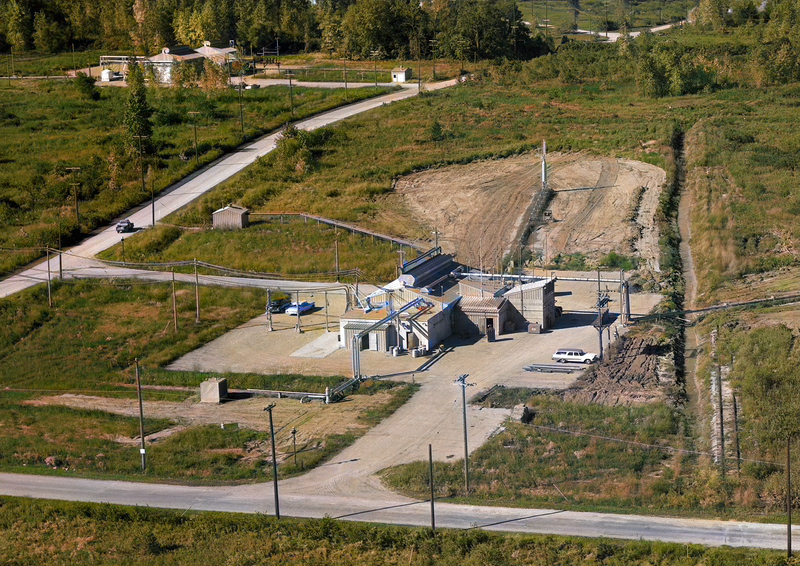
Formerly used to test rocket engine turbines in the 1960s, D-Site is now home to one of NASA’s premier ground test facilities for electrified aviation research.

D-Site is a leading facility for aviation battery testing, enabling pack-level performance testing for hybrid electric aircraft.
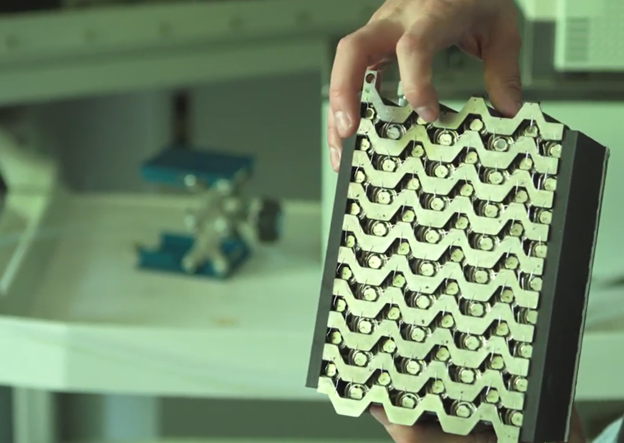
D-Site is a leading facility for aviation battery testing, enabling pack-level performance testing for hybrid electric aircraft.

The facility’s altitude chamber can simulate conditions up to 50,000 feet. 
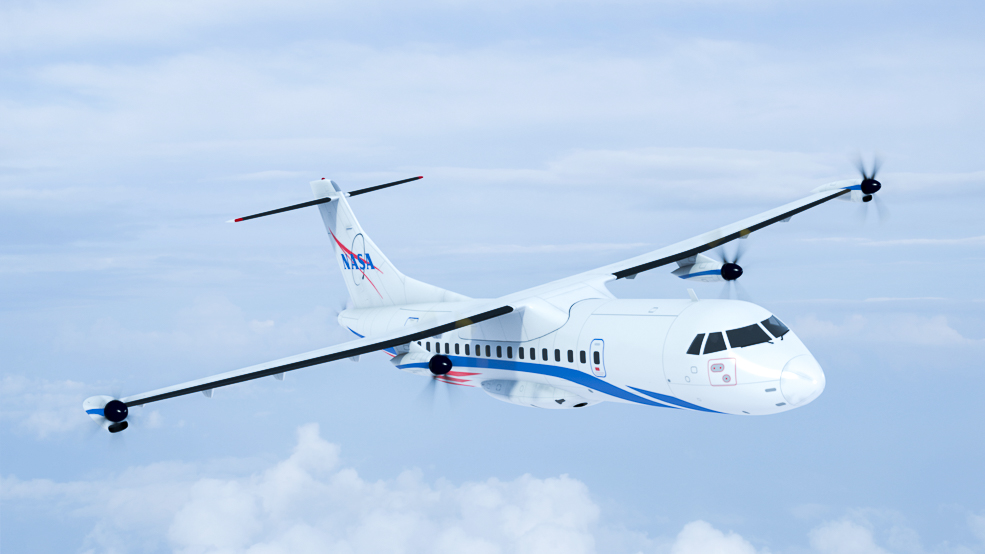
The facility’s altitude chamber can simulate conditions up to 50,000 feet. 

U.S. companies use D-site as a safer and more cost-effective way to conduct critical ground testing required for propulsion systems certifications.
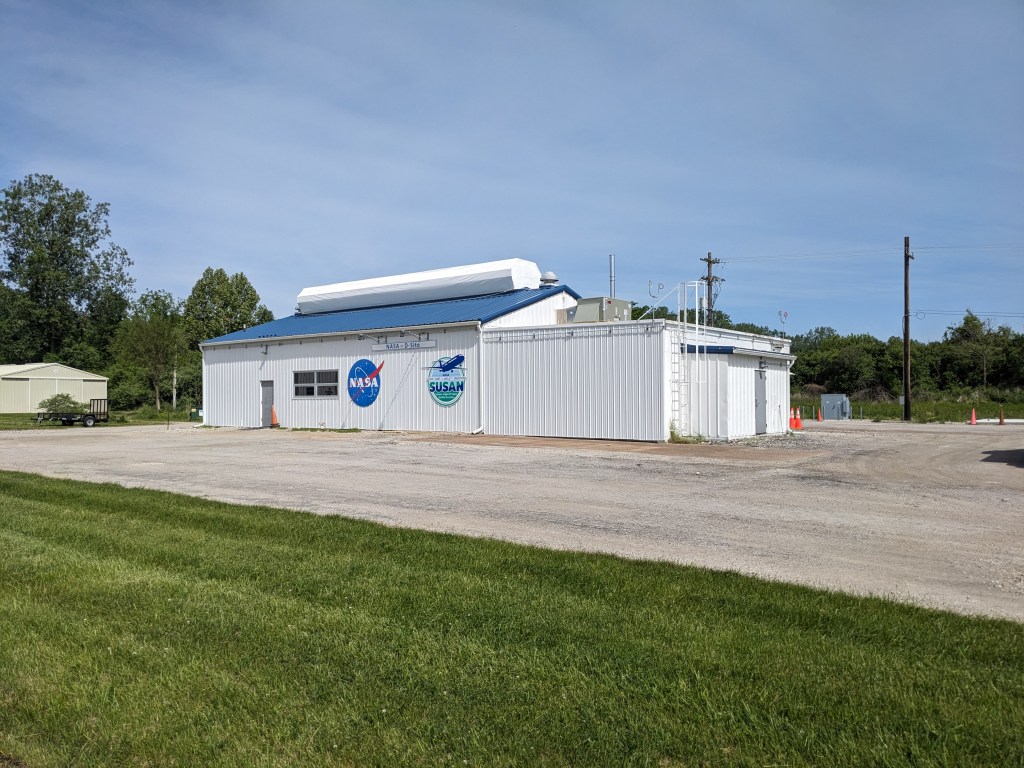
U.S. companies use D-site as a safer and more cost-effective way to conduct critical ground testing required for propulsion systems certifications.

Overview

Electric powertrain systems face complex design, testing, and integration challenges in both aviation and space applications due to increased power levels operating at higher altitudes. Components such as batteries require high energy density and increased reliability in order to operate safely under extreme conditions and be certified for flight. D-Site offers a unique environment for industry, government, and academia to conduct advanced testing on critical components and meet key requirements for certification.

Capabilities 

General

The facility is supplied with 580 kW of electrical power for general facility use and 2 MW for test equipment. 

Battery Testing

D-Site’s battery chamber allows researchers to conduct non-destructive pack-level performance testing to ensure safety and reliability under normal operating conditions. This includes assessing key elements such as energy capacity, voltage, and charge and discharge cycling.

  • Chamber
    • Layout
      • 13’x13’x18’, 169 sq ft 
      • 26” thick reinforced concrete walls
      • Dedicated inlet/outlet ventilation system with 14′ exhaust stack  
      • Maximum battery size: ~20” x 32″ 
      • Energy limit: 16,000 Ah 
    • Safety features 
      • Fire detection & suppression systems 
      • Gas/flame detection system (methane, ethylene, CO, CO2, hydrogen, hydrogen sulfide, oxygen, combustibles) 
      • FLIR thermal camera and network video system 
      • E-Stop (power supply / battery disconnect) 
      • Redundant battery temperature monitoring system for automatic abort
    • Additional features 
      • Custom battery profiler tool: battery emulation based on performance characteristics of unit under test 
  • Electrical 
    • Hardware
      • Keysight RP7982A, bi-directional power supply 
        • Voltage: 0-1000 VDC
        • Current: 0 – 90 A
        • Power: 30kW 
        • Accuracy: 0.03% +/- 75 mV / 0.03% +/- 9 mA
      • Keysight SL1740A
        • DC Bus Voltage:  50 – 1200V
        • Maximum current with power units in parallel:
          • 500A at 1,200V 
          • 600A at 1,000V
        • Maximum current from single power unit:
          • 250A at 1,200V 
          • 300A at 1,000V 
        • Accuracy: 0.03% +/- 150 mV / 0.03% +/- 150 mA 
    • Cooling
      • PAO chiller/cooling loop
        • Up to 14 GPM at 60 PSI, 4.4kW of cooling 
      • Water/glycol cooling loop
  • Data Acquisition 
    • NI cDAQ 9179 
      • 14-slot chassis 
      • Software: LabVIEW 
      • Analog/digital input/output 
      • RTD & thermocouple input 

Altitude Testing

D-Site’s altitude chamber enables a safer and more cost-effective way to conduct ground testing and evaluate electric machine performance under simulated, realistic flight conditions with extreme temperature shifts, humidity, and high altitudes.

  • Max altitude: 50,000 ft, 86.9 torr  
  • Altitude control requirement: +/- 2,000ft from setpoint  
  • Driveshaft max speed: 7,000 rpm (direct drive to dynamometer)
  • Mechanical load: 500 kW bi-directional electric dynamometer 
  • Power supplies:
    • Keysight SL1840A: Up to 600kW bi-directional power for test articles
      • DC Bus Voltage:  50 – 1200V 
      • Maximum current with power units in parallel:
        • 500A at 1,200V 
        • 600A at 1,000V 
      • Maximum current from single power unit: 
        • 250A at 1,200V 
        • 300A at 1,000V 
      • Accuracy: 0.03% +/- 150 mV / 0.03% +/- 150 mA
    • Magna: Up to 500kW at 700V for electric dynamometer
  • Features:
    • Environmental measurements inside chamber:  
      • Temperature: -70 to +180 °C 
      • Relative humidity: 0-100% 
      • Dewpoint/frost point (Td/f): 0 – 100 °C (32 – +212 °F) 

Electromagnetic Interference (EMI) Testing

EMI can have harmful impacts on how components perform and the overall health of electrical systems. D-Site’s EMI testing capabilities help ensure hardware is safe and in compliance with EMI requirements by the Radio Technical Commission for Aeronautics.  

  • Pre-compliance EMI testing for DO-160 Section 21 radio frequency conducted emissions (RF CE)  
  • Modeling of Section 21 radio frequency radiated emissions (RF RE)  
  • Measure radio frequency conducted emissions (CE) on 1kV, 1kA components and compare results to existing DO-160 RF CE limits 
  • Model component’s RF RE for comparison with DO-150 Section 21 RF RE limits using CE measurements 

Applications

D-Site’s unique capabilities provide industry, government, and academia with a safe and cost-effective way to carry out critical ground tests on electrical power systems. Data gathered from these tests can help advance electrified systems in aviation and space, identify gaps in regulations, and inform standards for future electrified powertrain systems. 

Downloads

D-Site Battery Chamber One-Pager

get in touch

Testing at D-Site

Interested in testing with us? D-Site is currently available to U.S.-based companies for advanced battery pack-level performance testing. Get in touch via the link below.

Send an email

Keep Exploring

Discover More EAP Topics