




惯性聚合 高效追踪和阅读你感兴趣的博客、新闻、科技资讯
阅读原文 在惯性聚合中打开

推荐订阅源

H
Help Net Security
Cyber Security Advisories - MS-ISAC
博客园 - 【当耐特】
Microsoft Azure Blog
Google DeepMind News
Apple Machine Learning Research
有赞技术团队
有赞技术团队
Y
Y Combinator Blog
H
Hackread – Cybersecurity News, Data Breaches, AI and More
爱范儿
爱范儿
L
LangChain Blog
IT之家
IT之家
酷 壳 – CoolShell
酷 壳 – CoolShell
MongoDB | Blog
MongoDB | Blog
Hugging Face - Blog
Hugging Face - Blog
G
Google Developers Blog
T
Tailwind CSS Blog
Engineering at Meta
Engineering at Meta
奇客Solidot–传递最新科技情报
奇客Solidot–传递最新科技情报
宝玉的分享
宝玉的分享
博客园 - 三生石上(FineUI控件)
D
DataBreaches.Net
Recent Announcements
freeCodeCamp Programming Tutorials: Python, JavaScript, Git & More

Latest news

LG G6 vs. LG G5: I compared the latest OLED TV models, and it's a surprisingly tough choice I saw the 'MacBook Pro for Linux users' for the first time, and it's a legit Windows threat I'm putting Motorola above Samsung when it comes to flip phones - and won't think twice I got an early look at ChatGPT Images 2.0, and it's impressive - with one exception I tested Surfshark's new Dausos VPN protocol - here's how it compares to WireGuard How to easily encrypt your files on an Android phone - for free I'm not giving up on DJI cameras yet - not when they can upset my GoPro like this The best website builders for small businesses in 2026: Expert tested and reviewed Why I'm recommending last year's phones over 2026 models - with one exception This powerful Gemini setting made my AI results way more personal and accurate After testing this HP laptop, I get why its 'boring' design is adored by business users The best TV antenna of 2026: Expert tested Your old iPad or Android tablet can be your new smart home panel - here's how Apple's original AirTag still tracks effectively, and you can get a 4-pack for its best price ever T-Mobile will give you an iPad for $99 when you sign up for a new line - here's how How to qualify for Apple's education discount - and get a $499 MacBook Neo for school T-Mobile will give you a Samsung Galaxy Watch 8 for free - how to get yours Prolonged AI use can be hazardous to your health and work: 4 ways to stay safe Verizon will give you a free iPad or Apple Watch with your next iPhone - how the deal works The best laptops of 2026: Expert tested and reviewed I hid 4 Bluetooth trackers (including AirTags) to test their reliability - here's how Android rivals compared I stopped using my iPhone's hotspot after testing this 5G router - and that won't change The best Kindles in 2026: Expert recommended Does Best Buy price match? Everything to know about matching prices online and in-store The best WordPress hosting services of 2026: Expert tested and reviewed The best Apple Watch of 2026: Expert tested and reviewed The best TV screen cleaners of 2026: Expert recommended The best 50-inch TVs of 2026: Expert tested I traded my Sonos Era 300 for Denon's new home speaker - and see no reason to go back AI-powered website builders have come a long way - here's your best option in 2026
This hidden TV feature tracks your viewing - here's how t...
2026-04-28 · via Latest news
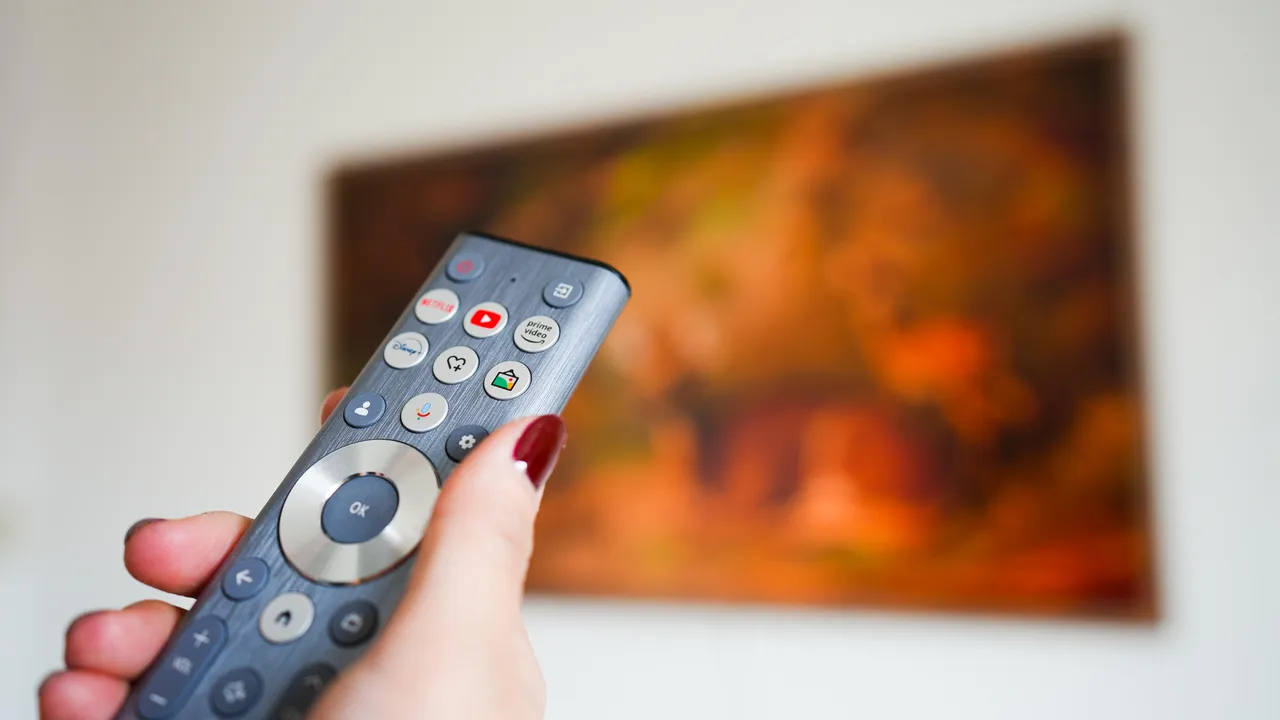
Hisense Canvas TV S7 Series
Kerry Wan/ZDNET

Follow ZDNET: Add us as a preferred source on Google.


ZDNET's key takeaways

  • Smart TVs track viewing habits with ACR tech.
  • Collected data fuels billions in targeted ads.
  • Turning off ACR protects privacy but takes effort.

Most modern smart TVs come with a silent partner: Automatic Content Recognition (ACR). This ad-tracking tech monitors everything on your screen in real-time, feeding your viewing history into a database to build a precise profile of your habits. It's the engine behind those eerily specific ads -- and it's likely running the moment you press the power button.

Also: Own a Samsung TV? I changed these 6 settings to make the system run like new again

What's the incentive behind this invasive technology? Money. Companies buy and sell the tracking data collected from your search histories and media preferences to fine-tune targeted ad campaigns. According to Yahoo Finance, the smart TV ad market is expected to reach $691 billion by 2033, up from $255 billion in 2024. 

And if you want to break the cycle, it's as simple as toggling off a few menu options.

How does ACR work?

To understand how ACR works, imagine a constant, real-time Shazam-like service running in the background while your TV is on. It identifies content displayed on your screen, including programs from cable TV boxes, streaming services, or gaming consoles. ACR does this by capturing continuous screenshots and cross-referencing them with a vast database of media content and advertisements.

According to The Markup, ACR can capture and identify up to 7,200 images per hour, or approximately two images every second. This extensive tracking provides valuable insights for marketers and content distributors, revealing connections between viewers' personal information and their preferred content. By "personal information," I mean email addresses, IP addresses -- and even your physical street address.

Also: Your Roku has hidden settings and menu screens - here's how to unlock them

By understanding what viewers watch and engage with, marketers can make decisions on content recommendations to create bespoke advertising placements. They can also track advertisements that lead to purchases.

Because ACR operates clandestinely in the background, many of us aren't even aware of its active presence each time we're enjoying our favorite shows. Opting out of using ACR is complex and sometimes challenging. Navigating your TV settings might take several dozen clicks to better protect your privacy.

If you, like me, find this feature intrusive or unsettling, you can disable it on your smart TV. It may take some patience, but below is a How-To list for five major brands that demonstrates how to turn off ACR.

How to turn off ACR on a smart TV

  1. Press the Home button on your remote control.
  2. Navigate to the left to access the sidebar menu.
  3. In the sidebar menu, choose the Privacy Choices option.
  4. Select the Terms & Conditions, Privacy Policy option.
  5. Ensure that the checkbox for Viewing Information Services is unchecked. This will turn off ACR and any associated ad targeting.
  6. Select the OK option at the bottom of the screen to confirm your changes.

Show more

  1. Press the Home button on your remote control to access the home screen.
  2. Press the Settings button on your remote.
  3. In the settings side menu, select the Settings option.
  4. Navigate to and select the General option.
  5. In the General menu, choose System.
  6. Select Additional Settings.
  7. In Additional Settings, locate and toggle off the Live Plus option.

LG further allows you to limit ad tracking, which can be found in Additional Settings.

  1. In the Additional Settings menu, select Advertisement.
  2. Toggle on the Limit AD Tracking option.

You can also turn off home promotions and content recommendations:

  1. In the Additional Settings menu, select Home Settings.
  2. Uncheck the Home Promotion option.
  3. Uncheck the Content Recommendation option.

Show more

  1. Press the Home button on your remote control to access the main menu.
  2. Navigate to and select Settings.
  3. Choose Initial Setup.
  4. Scroll down and select Samba Interactive TV.
  5. Select Disable to turn off Samba TV, which is Sony's ACR technology.

Sony also allows for enhanced privacy by disabling ad personalization:

  1. Go to Settings.
  2. Select About.
  3. Choose Ads.
  4. Turn off Ads Personalization.

As an extra step, you can entirely disable the Samba Services Manager, which is embedded in the firmware of certain Sony Bravia TVs as a third-party interactive app.

  1. Go to Settings.
  2. Select Apps.
  3. Select Samba Services Manager.
  4. Choose Clear Cache.
  5. Select Force Stop.
  6. Finally, select Disable.

If your Sony TV uses Android TV, you should also turn off data collection for Chromecast:

  1. Open the Google Home app on your smartphone.
  2. Tap the Menu icon.
  3. Select your TV from the list of devices.
  4. Tap the three dots in the upper right corner.
  5. Choose Settings.
  6. Turn off Send Chromecast device usage data and crash reports.

Show more

  1. Press the Home button on your remote control to access the main menu.
  2. Navigate to and select Settings.
  3. Choose System.
  4. Select Privacy.
  5. Look for an option called Smart TV Experience, Viewing Information Services, or something similar.
  6. Toggle this option off to disable ACR.

To disable personalized ads and opt out of content recommendations:

  1. In the Privacy menu, look for an option like Ad Tracking or Interest-Based Ads.
  2. Turn this option off.
  3. Look for options related to content recommendations or personalized content.
  4. Disable these features if you don't want the TV to suggest content based on your viewing habits.

Show more

  1. Press the Home button on your TCL TV remote control.
  2. Navigate to and select Settings in the main menu.
  3. Scroll down and select the Privacy option.
  4. Look for Smart TV Experience and select it.
  5. Uncheck or toggle off the option labeled Use Info from TV Inputs.

Also: Is your Roku TV spying on you? It's possible, but here's how you can easily stop it

For extra privacy, TCL TVs offer a few more options, all of which can be found in the Privacy menu:

  1. Select Advertising.
  2. Choose Limit ad tracking.
  3. Again, select Advertising.
  4. Uncheck Personalized ads.
  5. Now, still in the Privacy menu, select Microphone.
  6. Adjust Channel Microphone Access and Channel Permissions as desired.

Show more

  1. Press the settings button on the remote.
  2. Navigate to Preferences.
  3. Select Privacy Settings.
  4. Toggle Automatic Content Recognition off.

Show more

One final bit of advice

Remember that while these steps will significantly reduce data collection, they may also limit some of your TV's smart features. Also, it's a good idea to periodically check these settings to ensure they remain as you've set them. Especially after software updates, your revised settings may sometimes revert to their default state.

Also: How to clear your TV cache (and why you shouldn't wait to do it)

The driving force behind targeted advertisements on smart TVs is ACR technology, and its inclusion speaks volumes about manufacturers' focus on monetizing user data rather than prioritizing consumer interests.

For most of us, ACR offers few tangible benefits, while the real-time sharing of our viewing habits and preferences exposes us to potential privacy risks. By disabling ACR, you can help keep your data to yourself and enjoy viewing with a bit more peace of mind.