





It doesn’t really seem like there’s all that much difference between a portable power station and an uninterruptible power supply. (That’s “UPS,” for short.) They’re both effectively large batteries that are designed to store power for a situation where you won’t have easy access. But they actually serve different purposes.
Portable power stations are more dynamic, made for camping and off-grid living as much as for backup power, but we use both in a blackout. They can draw power from your home’s electrical systems, but they also make up the power storage component of a solar generator.
A UPS has a far more specific purpose: It maintains a steady flow of power to critical tech like your modem, desktop computer, and network-attached storage (NAS). It will keep them running for a short time in the event of a blackout, but also regulates the flow of electricity to prevent damage from a power surge.
Clearly, these devices are not interchangeable: A UPS can keep a desktop computer going for 30 to 60 minutes. Power stations can recharge a whole fleet of gadgets, and a big one can keep appliances running for hours. But if you already have a power station at home providing emergency backup power, wouldn't it make sense to just use that instead of buying a separate UPS?
At a glance, the logic seems sound, but a UPS is engineered for instantaneous transfer for short-duration protection, while a portable power station is designed for sustained output and flexible use. That distinction is more important than you might assume.
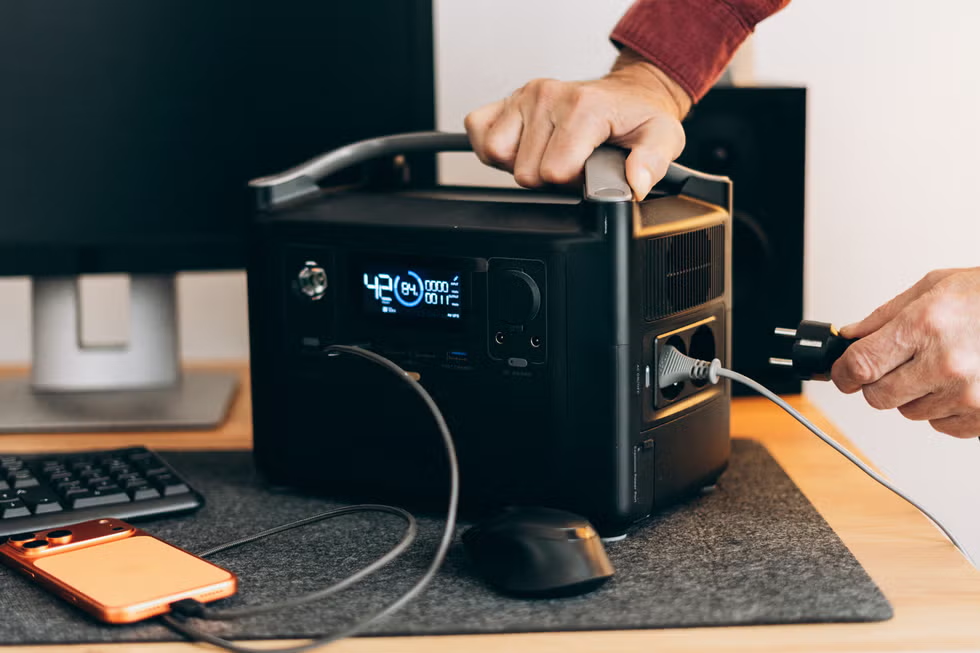
An uninterruptible power supply (UPS) is an emergency power redundancy made specifically for tech.
An uninterruptible power supply is a specialized backup power solution designed to provide instant backup power the moment your home loses power or experiences a power surge. It monitors incoming AC power at all times, and switches to its own internal battery the moment there’s a disruption.
That near-instant transfer time is crucial. It keeps fragile electronics like computers and home servers running without interruption. That’s helpful because you get the opportunity to save your work and shut your hardware down safely, but the primary reason to use one is to avoid permanent damage that could occur when the power flow suddenly changes.
Most UPS systems use either sealed lead-acid (SLA) or lithium-ion batteries. SLA models are more affordable and the most widely used, but they’re heavier and have shorter lifespans. Newer, lithium-ion options cost more upfront, but usually offer longer lifespans and improved performance.
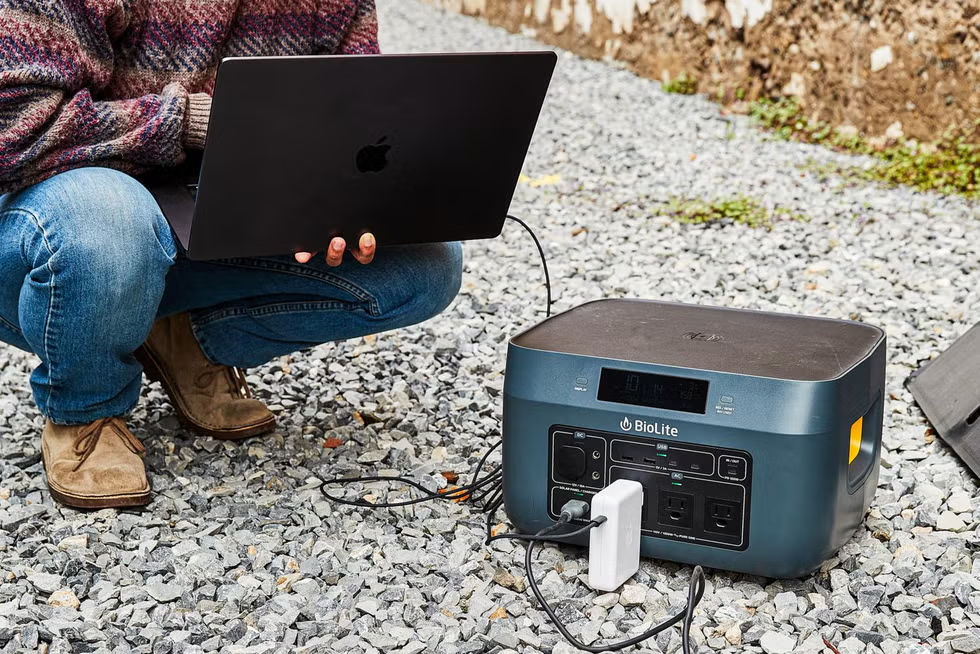
Portable power stations aren’t just for emergencies. You can take them camping, to a job site—wherever you need power.
A portable power station offers a far more broad power solution. It’s a large, rechargeable battery, which comes in handy for a bunch of different scenarios, including camping, off-grid living, and powering appliances outdoors. Smaller models are primarily focused on charging tech, like phones and laptops, and larger models can even support large appliances.
Here at Popular Mechanics, we tend to think of these power stations more like the electric counterpart to a portable generator than an XXL battery pack, but that’s effectively what they are. The majority of modern models use some version of a lithium-ion battery to provide efficient and long-lasting power.
While you can set up some large power stations to back up your home’s electrical system using a transfer switch, you should not expect that transition to be instantaneous.
Portable power stations are built for capacity and versatility, rather than instantaneous response. Likewise, some models do support passthrough charging, which allows you to use a power station like a surge protector. But, again, that would not guarantee a seamless transition from home electrical power to backup power.
When you take a good, hard look, there is no real substitute for the security a UPS provides. While it may seem superfluous to have multiple backup batteries plugged in at home, the speedy transfer time you get from a UPS ensures your most sensitive (and often expensive) gear is safe.
The key difference is transfer time. Even a brief interruption, down to just a fraction of a second, can shut down a desktop or PC, or corrupt data on an NAS. A UPS is specifically engineered to prevent that from happening. If there’s a power station that offers similar protection, we haven’t tested it.
There are other notable trade-offs, too. Portable power stations oftentimes lack the same level of voltage regulation and surge protection that you’ll find in UPS systems. They also differ significantly in output.
UPS backups are made for supporting relatively low-watt loads like computers, routers, and external hard drives. They’re meant to keep essential electronics on just long enough for a safe shutdown rather than supplying power for extended periods of time. Portable power stations usually support much higher output, so they’re better suited to keeping large devices and appliances powered up. (We have tried using a UPS as a big charger in a blackout. It’s not a terrible plan if you have one and don’t need it to save your desktop, but I wouldn’t buy one to use it that way.)
Technically, there are already some portable power stations that advertise UPS-type functionality, like the EcoFlow River 3. But on most models, this is just a feature rather than a core responsibility. The main focus of a portable power station is supplying emergency electricity. I would still recommend using a dedicated UPS if protecting sensitive electronics and preventing potential interference is a serious priority.
Best Overall UPS
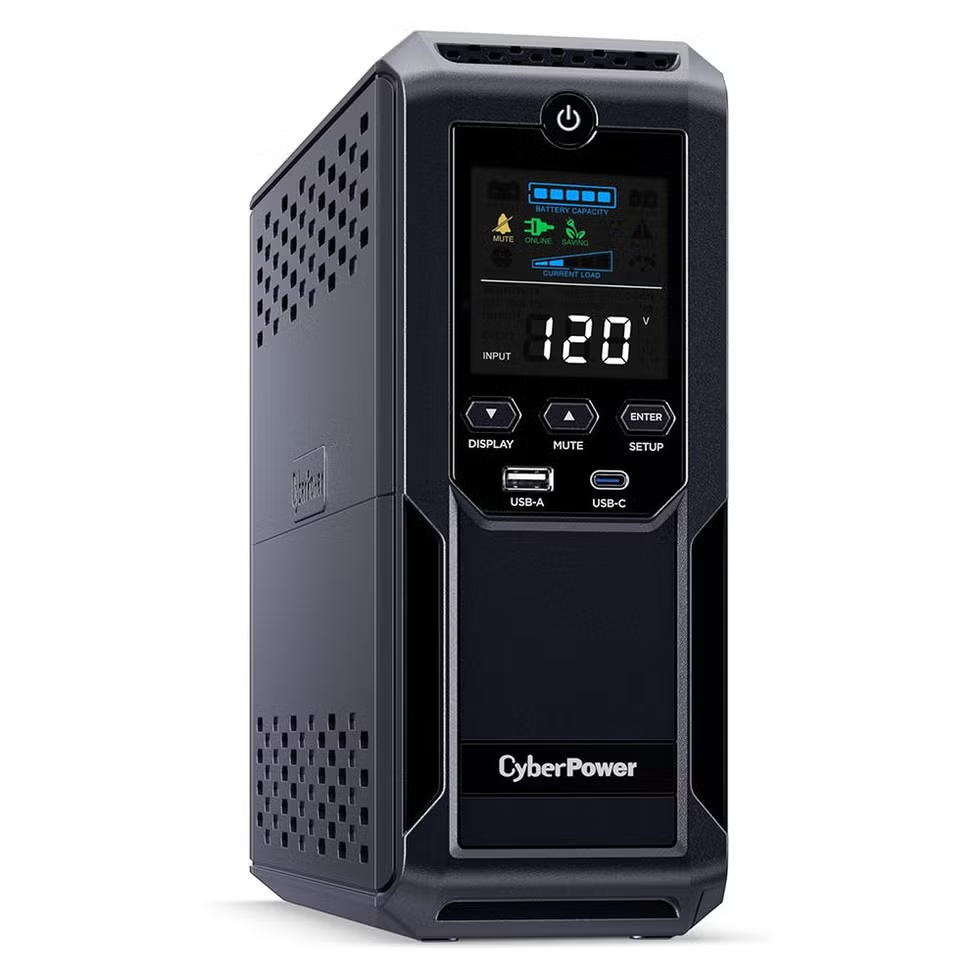
CyberPower
Intelligent LCD UPS SystemNow 9% Off
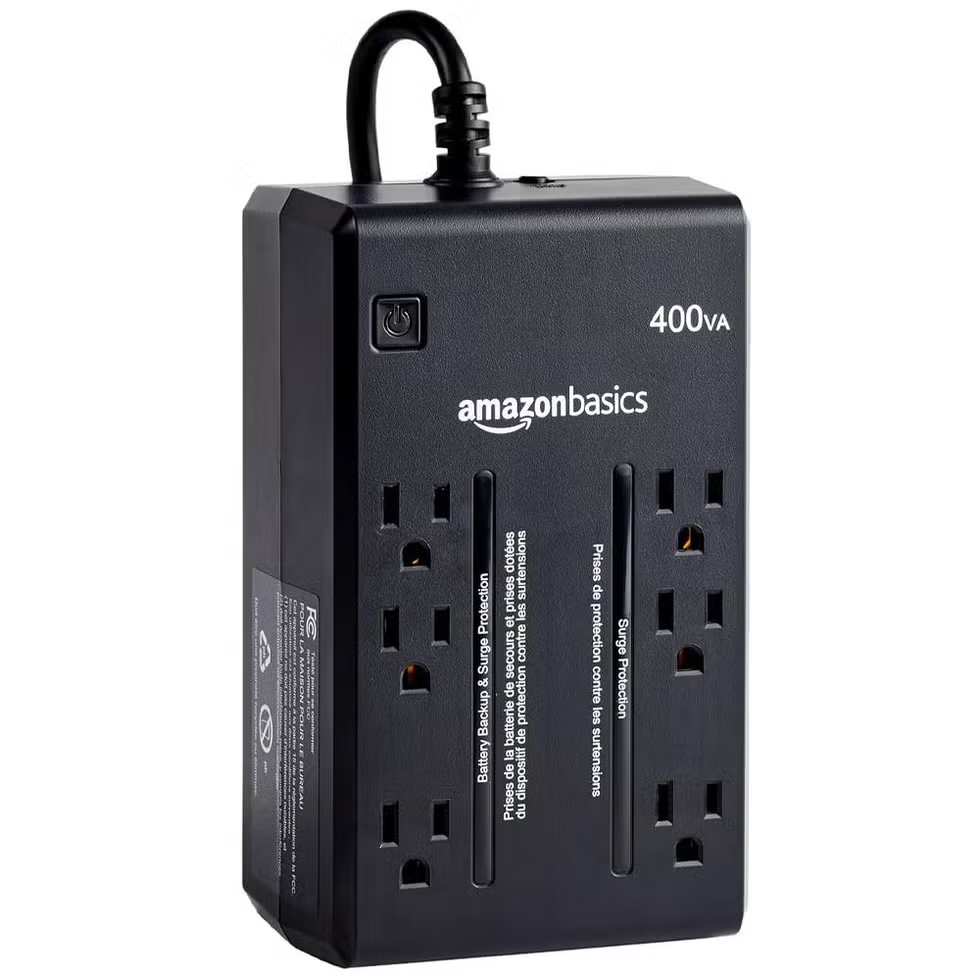
Best Budget UPS
Best Overall Portable Power Station
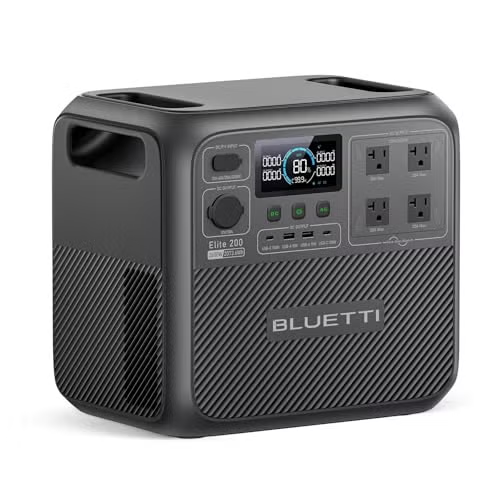
Bluetti
Solar Generator Elite 200 V2Now 16% Off
Best Value Portable Power Station
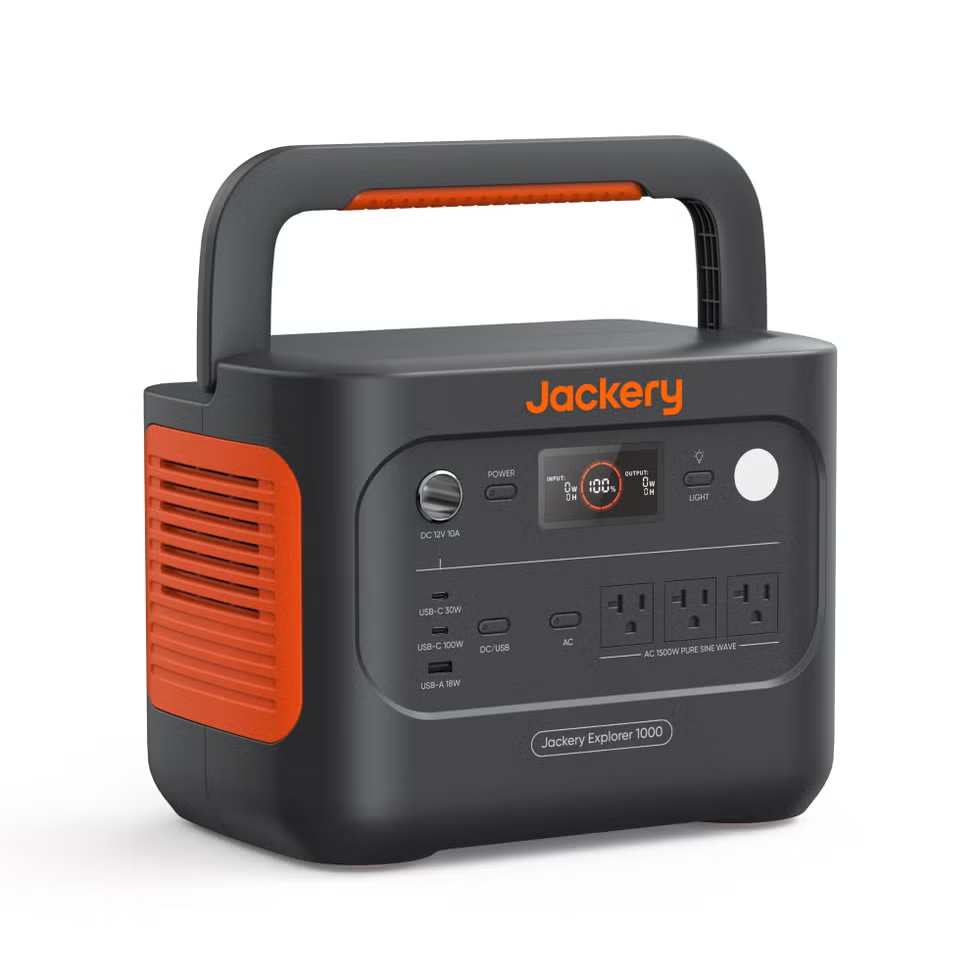
Now 44% Off

Amber is a Reviews Editor with bylines on Popular Mechanics, Runner’s World, Bicycling, and Best Products sites. Specializing in kitchen gadgets, small appliances, lifestyle, and consumer tech, she brings hands-on testing and a detail-oriented approach to every review. In her free time you can likely find her trading trinkets at an EDM festival, searching for hidden gems at thrift stores, or cuddling with her two cats.

Mike Epstein is a Senior Commerce Editor at Hearst Enthusiast Group, producing reviews for buying guides Popular Mechanics, Runner’s World, Bicycling, and Best Products. Prior to joining Hearst, he was a video game and technology critic for over 10 years, with bylines at IGN, Gamespot, Variety, Lifehacker, Kotaku, GamesRadar, Flavorwire and Digital Trends, among others. Now, he’s a jack of all trades, helping reviewers share everything they know about all kinds of technical gear, from snowblowers, to running shoes and bicycles, and every kind of gadget imaginable.
此内容由惯性聚合(RSS阅读器)自动聚合整理,仅供阅读参考。 原文来自 — 版权归原作者所有。