











In the gym, I tend to be an on-ear headphone loyalist. They stay in place and cancel out excess noise so I can get in the zone on the treadmill or the stair stepper. But now that spring weather is coming, and I’ll be hitting the trails more, noise-cancelling headphones aren’t the best choice.
For outdoor runners, cyclists, and anyone navigating busy streets, noise-cancelling headphones can be a problem. Music may help you keep pace on a morning run, but it can also mask the sound of a car approaching from behind or the bell of a cyclist trying to pass.
That's why the category of headphones that sit outside the ear is rapidly growing in popularity. Two different technologies dominate the group today—bone conduction and open-ear audio. One company in particular, Shokz, has become closely associated with both.
At first glance, the two approaches can look similar. Both avoid inserting anything into the ear canal. Both typically use lightweight frames that hook around the ears. But how do they deliver sound? Let's break it down.
Most bone conduction headphones look unusual the first time you try them. Instead of earbuds or speakers that fit in your ear canals, small pads sit just in front of your ears, against the cheekbones. Those pads vibrate.
Rather than sending sound waves through the air and into the ear canal, bone conduction headphones convert audio signals into mechanical vibrations. Those vibrations travel through the bones of your skull directly to the inner ear, where the cochlea interprets them as sound.
The technology isn’t new. Bone conduction has been used for decades in specialized hearing aids and military communication gear where maintaining awareness of the surrounding environment is critical. Consumer electronics companies began experimenting with the concept years ago, but it was Shokz—then known as AfterShokz—that helped bring bone conduction headphones into the mainstream.
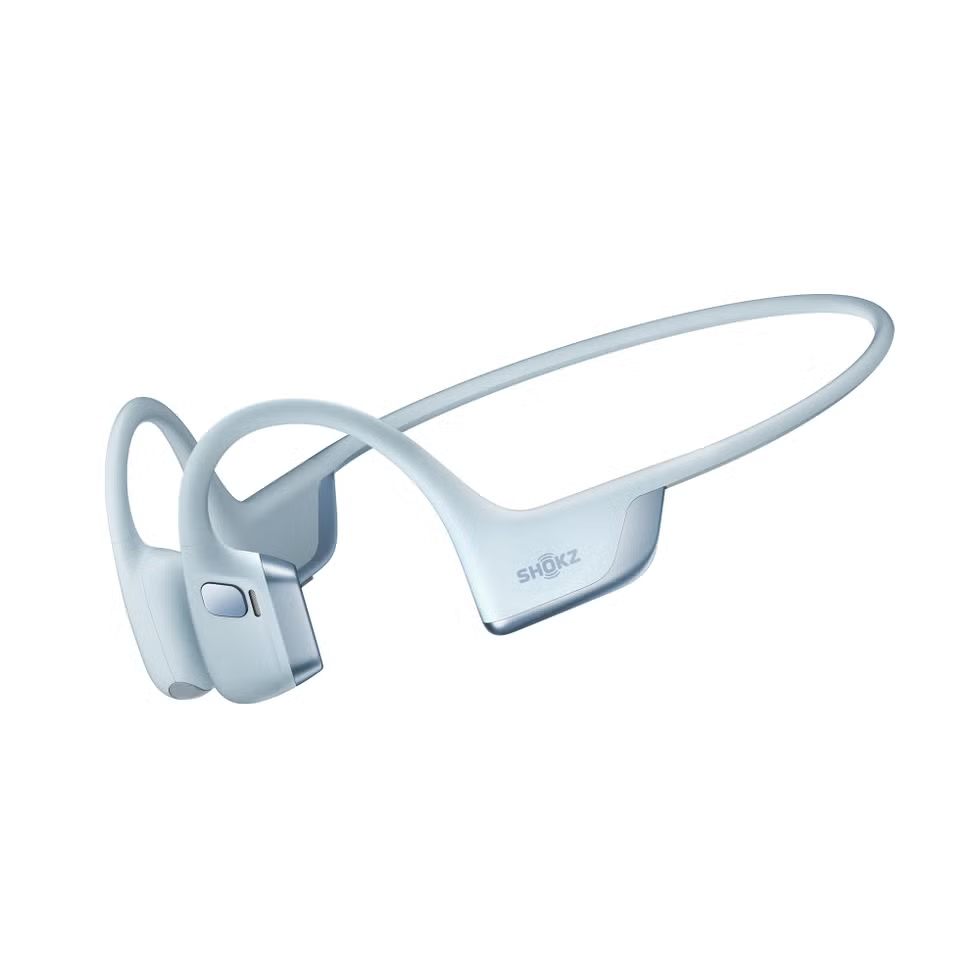
Models like the OpenRun series helped define the now-familiar wraparound design. Two transducers rest against the temples, while a flexible band runs behind the head to keep everything secure during movement. For runners logging miles on uneven trails or cyclists navigating city streets, that stability became a major selling point.
I swear by my OpenRun Pro 2 headphones and use them nearly every day in the warmer months. Even if I’m just walking my dog and listening to my morning podcasts, hearing the local traffic is vital to our safety.
Waterproof for Swimming and More
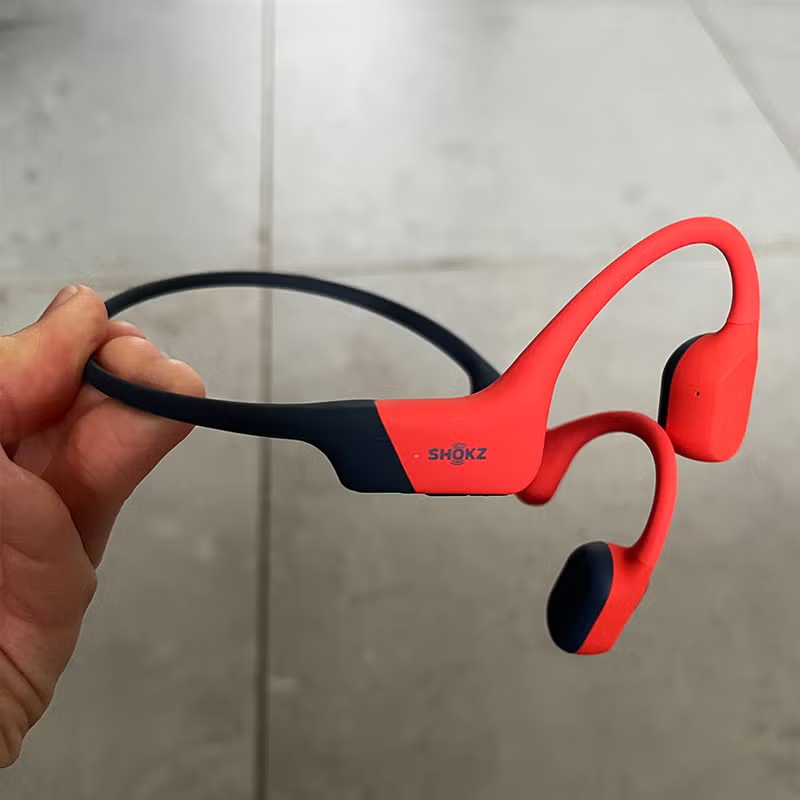
For A Smaller Option
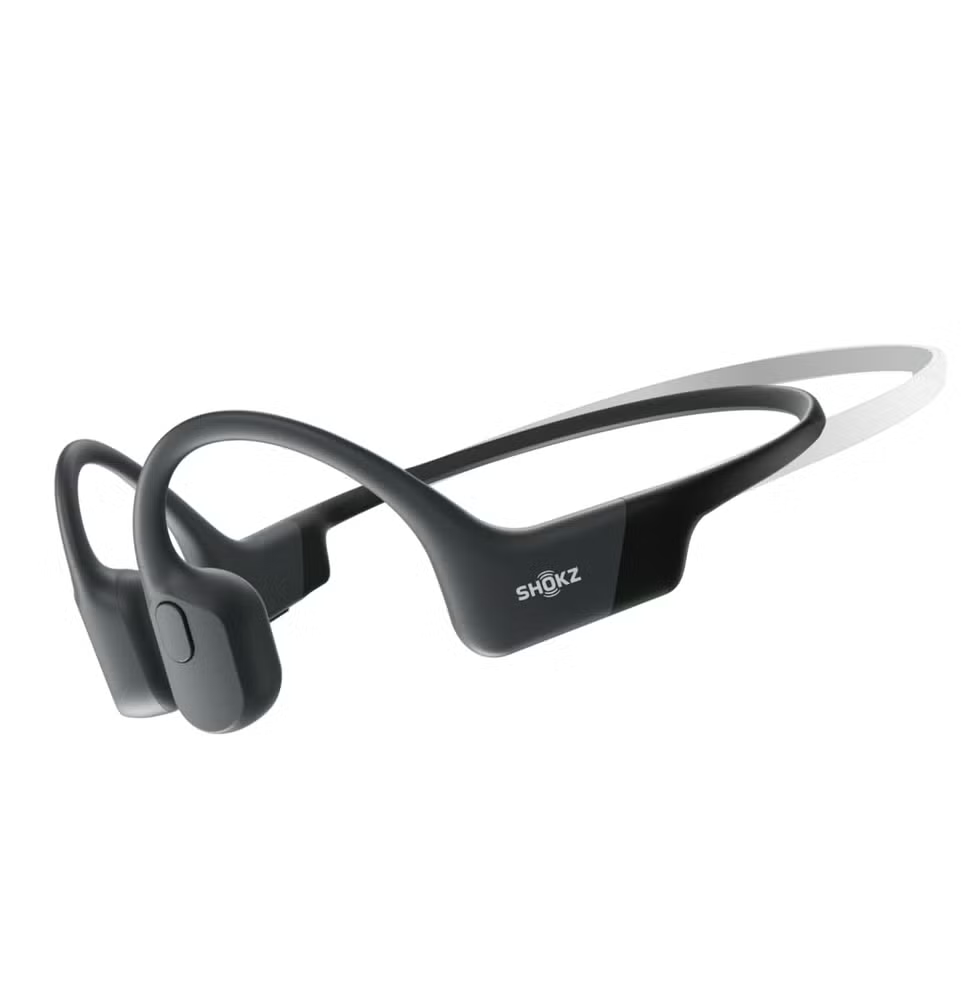
For The Workday
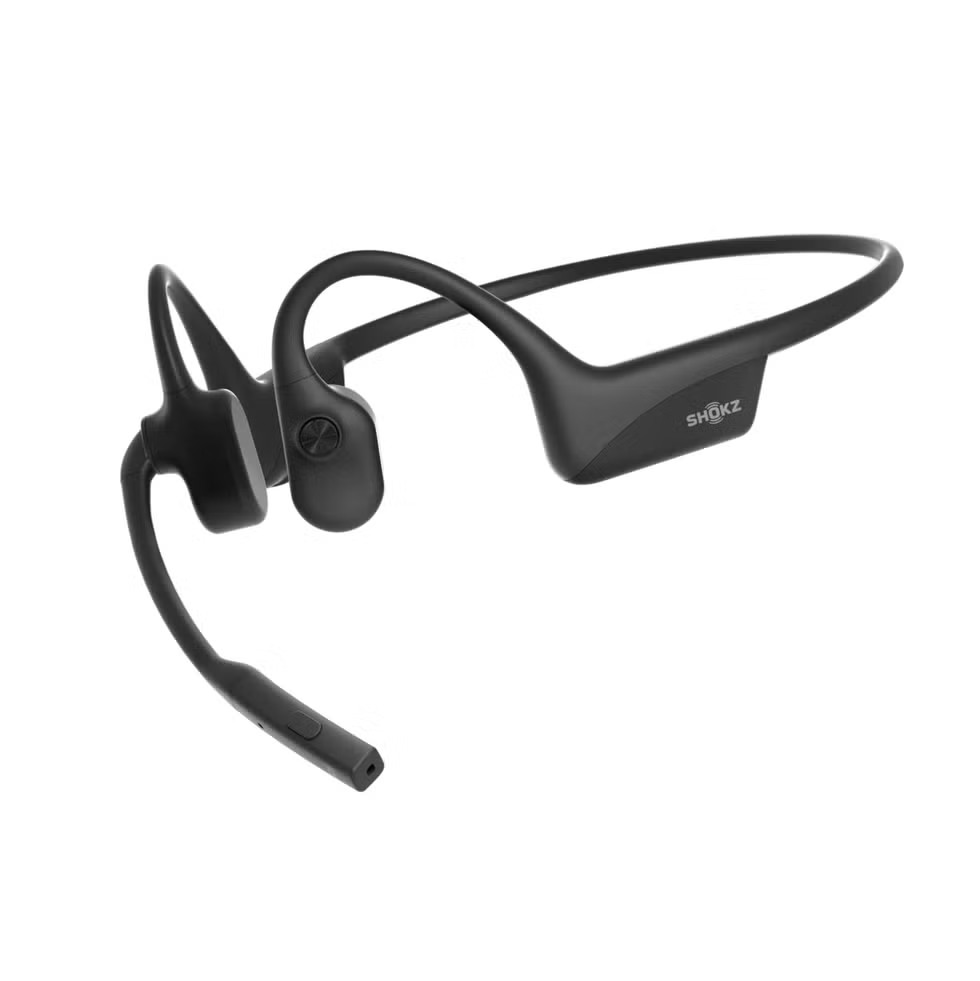
For a More Affordable Option
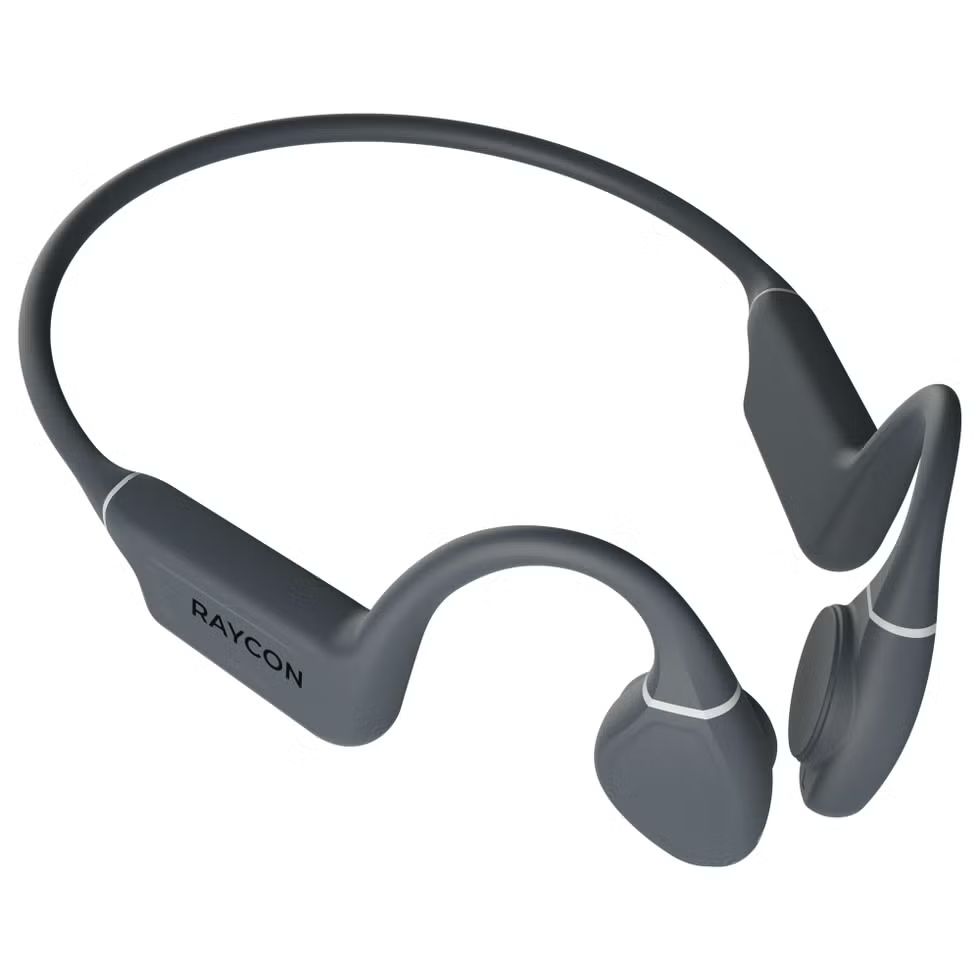
More recently, another type of open-ear headphone has begun gaining traction: open-air audio.
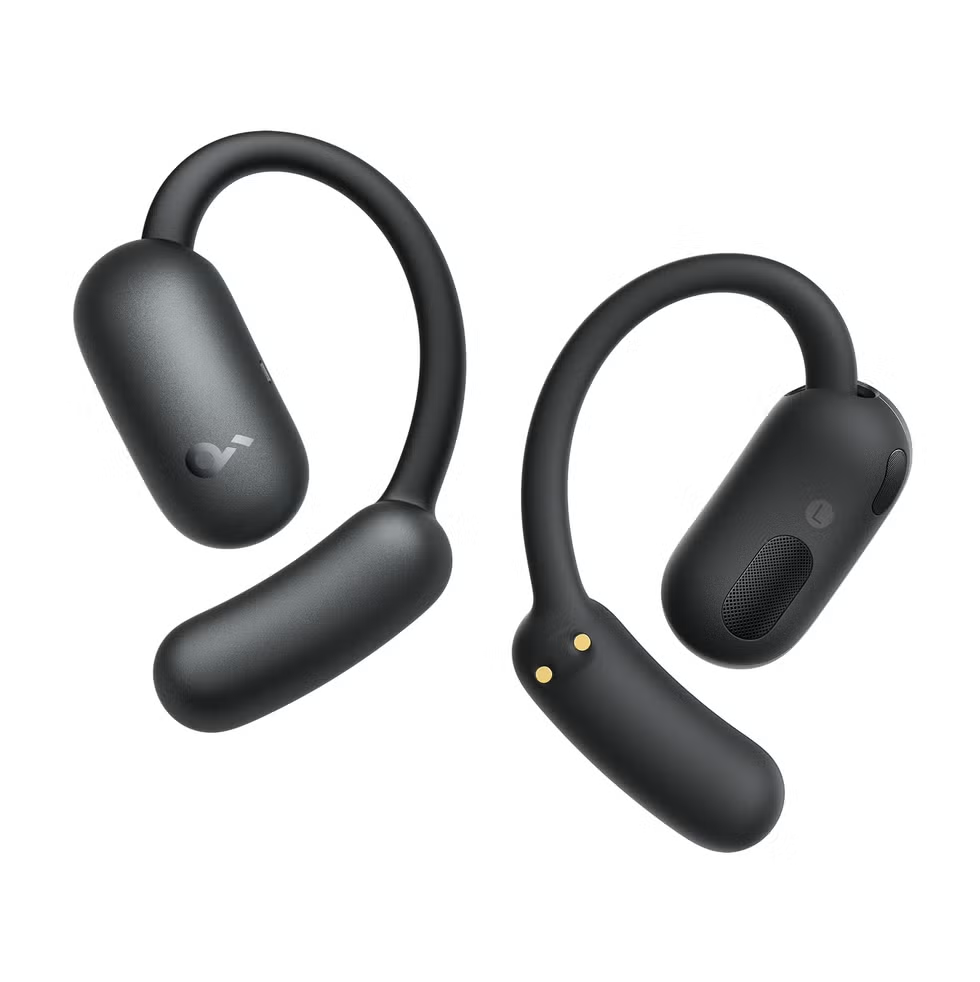
These headphones rely on the same basic physics as traditional speakers. Sound travels through the air as waves and enters the ear canal normally. The difference lies in the speakers’ positions. Instead of sitting inside the ear, small speakers hover just outside it.
Many open-ear headphones use ear hooks to suspend a tiny speaker near the ear canal, angled to direct sound toward the listener without sealing the ear shut. The design leaves the ear fully open while still allowing audio to travel naturally through the air.

Shokz has embraced this approach across its bone-conduction lineup. The company’s OpenFit series is a popular example, and other big headphone brands have also jumped on the open-ear bandwagon. Soundcore by Anker has a great, affordable pair called the V20i.
Best Budget Pick


Now 40% Off
For Easy Adjusting
Now 38% Off
For Clip-On Wear

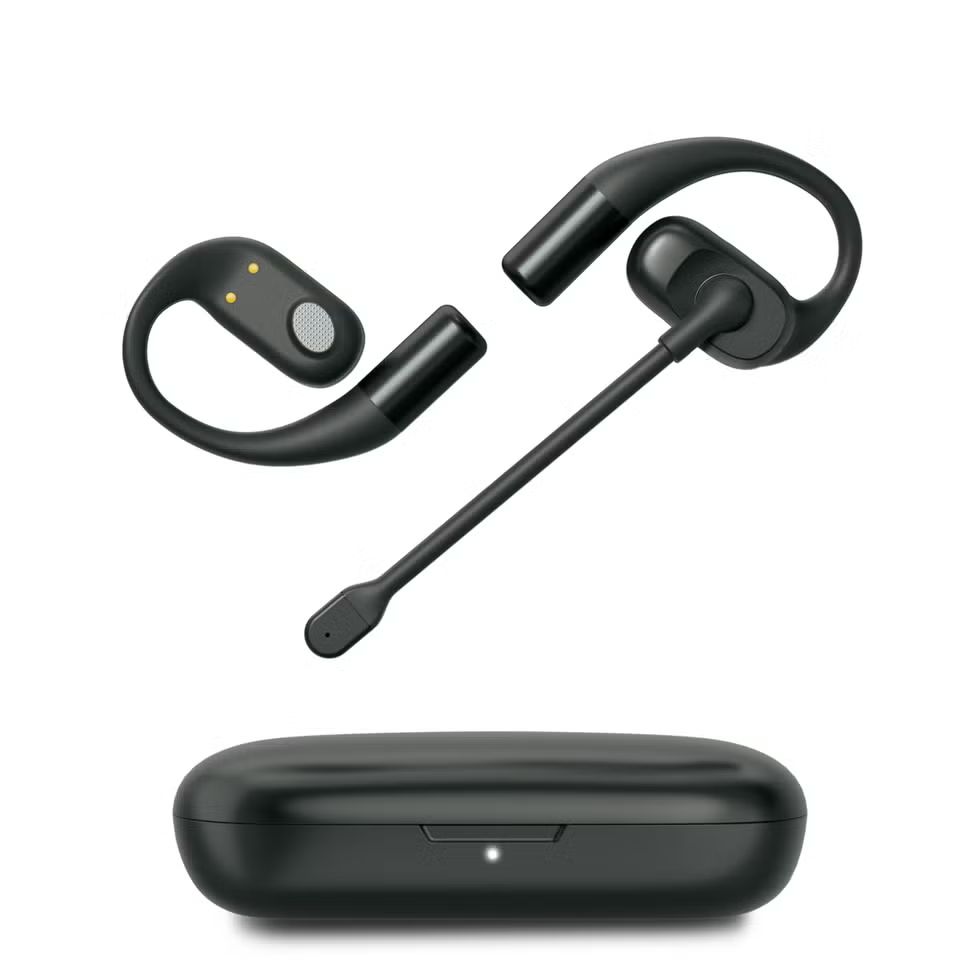
For Work Calls and More
Despite sharing the same goal, bone conduction and open-ear headphones ultimately feel different in daily use.
Bone conduction models emphasize environmental awareness above all else. With nothing covering or hovering near the ear canal, outside sounds remain completely unobstructed. The wraparound frames also tend to stay secure during vigorous activity, making them especially popular among runners and endurance athletes.
Open-ear headphones, however, aim to close the gap between situational awareness and traditional audio performance. Because they deliver sound through the air rather than through bone vibrations, music can feel richer and more detailed than bone-conduction.
Neither approach is designed to replace premium over-ear headphones for immersive listening sessions. Instead, they make it easy for you to enjoy your music privately, all while remaining aware of the world around you.

Sarah Connor is a Reviews Editor for Popular Mechanics. She also contributes to Runner’s World, Bicycling, Best Products, and Biography.com. Before joining the Hearst Magazines team, Sarah was a National Content Editor for Hearst Television. She holds a master's in Journalism from Syracuse University and a dual bachelor's in English and Communications from the University of Pittsburgh. When she isn’t writing up a review of the newest gadgets, you can find her heading to the nearest rink for a figure skating session or enjoying the outdoors with her beloved Australian Shepherd, Rosie.
此内容由惯性聚合(RSS阅读器)自动聚合整理,仅供阅读参考。 原文来自 — 版权归原作者所有。